
Units3—4考點(diǎn)搜索
2008-09-08 04:09:08劉雨凡
中學(xué)英語之友·高一版 2008年8期
劉雨凡
1.What do you have to consider before you decide which means of transportation you will use?
1)consider在句中意為“考慮”。
consider doing考慮做……
That country considered making electricity from heat.
那個(gè)國家曾考慮利用熱能發(fā)電。
consider sb.(to be)…認(rèn)為某人……
We all considered him(to be)honest. 我們都認(rèn)為他很誠實(shí)。
They considered Carter to be a great president. 他們認(rèn)為卡特是一位偉大的總統(tǒng)。
consider sb. to have done
認(rèn)為某人已經(jīng)做過……
Jones was considered to have stolen Johns bike. 有人認(rèn)為瓊斯偷了約翰的自行車。
They all considered me to have bought a new cellphone. 他們都認(rèn)為我買了一部新手機(jī)。
consider…as…把……認(rèn)為/看作……
We consider Yang Liwei as one of the greatest astronauts in our country. 我們認(rèn)為楊利偉是我們國家最優(yōu)秀的宇航員之一。
Pop fans considered the album as the top one of the year. 流行歌迷認(rèn)為這張專輯為年度第一。
2)means意為“方法;手段;工具”,屬于單復(fù)數(shù)同形的詞。可作單數(shù)也可作復(fù)數(shù),但作單數(shù)比作復(fù)數(shù)更普遍。
All means have been tried to stop the flood coming into the village. 為阻止洪水進(jìn)入村莊人們想盡一切辦法。(means前用all修飾,謂語用復(fù)數(shù))
You must stop the murderer by all means. 你們必須不惜一切阻止兇手(再作案)。
Every means has been tried to save the boy. 為救這個(gè)小男孩所有的辦法都用了。(means前有every修飾,謂語用單數(shù)。)
考點(diǎn)對(duì)接
Now that she is out of a job, Lucy ____ going back to school, but she hasnt decided yet.
A. had considered
B. has been considering
C. considered
D. is going to consider
解析:B 句意為:由于失業(yè)了,Lucy一直在考慮回學(xué)校學(xué)習(xí),但還沒有決定。所以應(yīng)用現(xiàn)在完成進(jìn)行時(shí)態(tài)表示一直在持續(xù)的動(dòng)作。consider考慮,后接動(dòng)名詞作賓語。
2.People also travel to meet new friends, to try new kinds of food, to experience life in other parts of the world or simply to get away from cold weather.
1)experience可用作動(dòng)詞,意為“體驗(yàn);有……經(jīng)驗(yàn)”。
Have you experienced real hunger? 你體驗(yàn)過真正的饑餓嗎?
Experiencing pain is as valuable as experiencing pleasure.
經(jīng)歷痛苦和體驗(yàn)快樂一樣珍貴。
experience還可以作名詞。作不可數(shù)名詞,意為“經(jīng)驗(yàn)”,作可數(shù)名詞,意為“經(jīng)歷”。
Our journey was quite an unforgettable experience. 我們的旅行可謂是一段難忘的經(jīng)歷。
Experience comes from practice.
經(jīng)驗(yàn)來源于實(shí)踐。
考點(diǎn)對(duì)接
Jumping out of ____ airplane at ten thousand feet is quite ____ exciting experience.
A. 不填; the B. 不填; an
C. an; an D. the; the
解析:C根據(jù)句意“從一萬英尺高空的飛機(jī)上跳下是一次非常令人激動(dòng)的體驗(yàn)”判斷experience應(yīng)為可數(shù)名詞,所以第二空要加不定冠詞an。第一空加不定冠詞an表泛指。
3.Watch out for dangers, such as spiders, snakes or poisonous plants.
1)watch out(for)=look out(for)意為“當(dāng)心;提防”。
Watch out for that man.
要提防那個(gè)人。
Watch out!Theres a car coming. 當(dāng)心!有車來了!
辨析:watch out; look out; take care; be careful
這些短語意思相近,用法相似。都可以單獨(dú)使用,以提醒對(duì)方注意。
Watch out/Look out!A car is running at you. 小心!一輛車正向你沖來。
Take care/Be careful! The pans hot. 當(dāng)心!鍋很燙。
take care, be careful都可接不定式的否定形式和從句。
You have to be careful not to hit rocks, trees and other dangers.
你必須小心,避免撞到礁石、樹木和其他危險(xiǎn)物上。
Do be careful/take care not to break the jar. 千萬當(dāng)心不要打破這個(gè)罐子。
Take care that you should finish the job ahead of time. 注意你們應(yīng)該提前完成這件工作。
Be careful how you start the machine.怎樣開動(dòng)這部機(jī)器要多加注意。
2)danger名詞,意為“危險(xiǎn)”。詞組be in danger意為“處在危險(xiǎn)中”;out of danger意為“脫離危險(xiǎn)”。danger具體指危險(xiǎn)的人或物時(shí)是可數(shù)名詞。形容詞是dangerous;副詞是dangerously。
The tiger is in danger.
老虎處在危險(xiǎn)中。
The tiger is a danger to us. (The tiger is dangerous to us.) 老虎對(duì)我們來說是危險(xiǎn)的動(dòng)物。
考點(diǎn)對(duì)接
——____ for the glass!
——Its OK. Im wearing shoes.
A. Look out B. Walk out
C. Go out D. Set out
解析:A look out for=watch out for當(dāng)心,為固定短語。句意:當(dāng)心那些玻璃!
4.The name “whitewater” comes from the fact that the water in these streams and rivers looks white when it moves quickly.
1)that the water in these streams and rivers looks white…是一個(gè)同位語從句。同位語從句一般跟在某些名詞(如idea, news, fact, promise等)的后面,用以說明名詞所表示的具體內(nèi)容。引導(dǎo)同位語從句的連詞that一般不省略。
The news that our basketball team has won was really exciting.
我們籃球隊(duì)獲勝的消息確實(shí)太令人興奮了。
The fact that he was against our plan surprised us all. 他反對(duì)我們的方案這一事實(shí)使得大家大為驚訝。
2)come from是“來自于……,來源于……”的意思。
The word “cent” in American money came from old French. 美幣中的cent來源于古法語。
考點(diǎn)對(duì)接
There is a new problem involved in the popularity of private cars ____ road conditions need ____.
A. that; to be improved
B. which; to be improved
C. where; improving
D. when; improving
解析:A 第一空是that引導(dǎo)的同位語從句,來解釋problem的內(nèi)容。第二個(gè)空是need后加doing或to be done的形式。
5.Jane and Betty are going on separate holidays in a few days time.
1)in a few days time=in a few days表示“幾天以后”,介詞in后接表示時(shí)間的名詞,意為“過多少時(shí)間,在……之后”,通常與一般將來時(shí)連用。
He will be back in an hours time/in an hour.
一小時(shí)之后他將回來。
after也可以表示一段時(shí)間之后,但常用于過去時(shí)態(tài);如果用于將來時(shí)態(tài),后面常跟某一點(diǎn)時(shí)間或某項(xiàng)活動(dòng)。
He returned the book after a week. 他一周之后就還了書。
有關(guān)in的其他短語:
in advance 事前;預(yù)先
in any case 不管怎樣
in other words
換言之;換句話說
in spite of盡管
in the long run 從長遠(yuǎn)來說;最后
2)separate
adj. 單獨(dú)的;分離的;個(gè)別的。
There are many separate rooms in this hotel. 這個(gè)賓館有很多單間。
vt. & vi. 使……分開,使……脫離;分手。separate…from…把……與……分開。
A garden separates this house from the next. 這個(gè)花園把這座房子和那座分開了。
They walked a mile together and then separated. 我們一起走了一英里,然后就分開了。
辨析:divide與separate
divide意為“劃分”,著重指將整體分成若干部分,其后往往搭配介詞into; separate意為“分隔”,往往指把原來結(jié)合在一起或混合在一起的分開或隔離。
The world is divided into five continents. 世界分為五大洲。
Bob will separate the bad apples from the good ones. Bob要把壞蘋果與好蘋果分開來。
考點(diǎn)對(duì)接
Hospital staff burst into cheers after doctors completed a 20-hour operation to have ____ one-year-old twins at the head.
A. isolated B. separated
C. divided D. removed
解析:B isolate意為“孤立,隔離”,如:He felt entirely isolated from society. 他覺得自己完全與社會(huì)隔離了。separate意為“分離,分開”,強(qiáng)調(diào)把原來分開的東西隔開。divide強(qiáng)調(diào)把整體分成部分。remove則表示“移開,移走,去除”。Would you please remove the books from my desk?你能把書從我的桌子上移開嗎?根據(jù)題干是給一歲大的連體雙胞胎做分離手術(shù),故應(yīng)選擇B為正確答案。
6.Wear a hat to protect yourself from the sun.
1)protect通常用作及物動(dòng)詞,與defend同義,意思是“保衛(wèi)、保護(hù)”,常見短語protect sb. from…表示“保護(hù)某人免受……”。
We should protect the children.
我們應(yīng)該保護(hù)兒童。
The soldiers built a high wall to protect themselves from attack by the enemy.
士兵們修筑高墻為的是保護(hù)他們免受敵人的襲擊。
2)辨析put on, wear, have on, in和with
(1)put on意思是“穿,戴”,指動(dòng)作,其反義詞是take off。
He put on his glasses to read the newspaper. 他戴上眼鏡看報(bào)紙。
He put on his coat and went out quickly. 他穿上大衣然后迅速走了出去。
(2)wear vt.表示狀態(tài),“穿著,戴著”的意思。
She was wearing the coat I bought for her. 她穿著我給她買的大衣。
We shouldnt judge a person only by the clothes he wears. 我們不能僅僅以貌取人。
(3)have on指狀態(tài),“穿著,戴著”,不能用在進(jìn)行時(shí)中。
I dont know the man who has a black coat on. 我不認(rèn)識(shí)那個(gè)穿黑外套的人。
(4)in指狀態(tài),后面可以跟衣服,也可以跟顏色。
Charlie was always in his old black jacket at that time. 那時(shí)候查里總是穿著那件黑色舊上衣。
All the girls are in red. 姑娘們都穿著紅衣服。
The man with gold glasses is his father. 戴金色眼鏡的人是他的父親。
考點(diǎn)對(duì)接
At the north pole, they must wear warm clothes to ____ themselves ____ the cold.
A. stop; from
B. keep; from
C. protect; from
D. prevent; from
解析:C protect…from…保護(hù)……免遭……;stop/keep/prevent…from…阻止某人做……。
7.As with hiking, you should always think about your safety and wear good clothes.
1)as with意為“正如……一樣”,相當(dāng)于as is the case with。
相關(guān)短語:
as for=as to至于,說明;as follows如下;as good as幾乎已經(jīng),實(shí)際已經(jīng);as it is(was)根據(jù)現(xiàn)在情況看,就以現(xiàn)在樣子;as a whole總的來說;as usual像平常一樣
As with drawing a picture, you should be patient and careful in doing this job. 正如畫畫一樣,在做這份工作時(shí),你應(yīng)該耐心細(xì)致。
考點(diǎn)對(duì)接
____ is known to everybody, the moon travels round the earth once every month.
A. It B. As
C. That D. What
解析:B as“正如,正像”,關(guān)系代詞,指代后面分句的內(nèi)容,引導(dǎo)一個(gè)非限制性定語從句。
8.Eco-travel is a way to find out what can be done to help animals and plants as well as people.
as well as是并列連詞,意為“不僅……而且……;既……又……”。
The girl is lively as well as healthy. 這個(gè)女孩既健康又活潑。
I read German as well as French. 我不僅讀法語而且讀德語。
as well as與not only…but also…不同。A as well as B的意思是“不但B而且A”,其重點(diǎn)是前者,而不在后者。not only A but also B則強(qiáng)調(diào)后者,可按詞序翻譯為“不但A而且B”,謂語與but also后的主語一致。
She is clever as well as beautiful. =She is not only beautiful but also clever. 她不僅漂亮而且聰明。
as well as連接兩個(gè)并列成分作主語時(shí),句子的謂語動(dòng)詞應(yīng)與as well as前面的那個(gè)名詞或代詞的人稱和數(shù)相一致。
Your brother as well as you is very kind to me. 你和你哥哥都對(duì)我很好。
解析:as well as和as well
as well as中第二個(gè)as常省去,意為“同樣地,也”(just as much)。
I can hear you quite as well when you speak softly. (省去as I can hear you when you speak loudly)
你輕聲說我也同樣聽得見。
I can do it as well (as you can). 我也能做。
as well=too 位于句中或句末。
Wang has expressed his support. I, as well/too, will do what I can for you. 王已表示支持,我也會(huì)盡力幫你。
The teacher as well as the students was moved by the film.=The students as well as the teacher were moved by the film.
=Not only the teacher but also the students were moved by the film. 老師和學(xué)生都被這部電影打動(dòng)了。
與as well as用法相同的還有as much as, with, like, together with, but, except, besides, including, rather than, in addition to, 句中謂語動(dòng)詞的單復(fù)數(shù)都取決于前面的名詞或代詞的單復(fù)數(shù)。
考點(diǎn)對(duì)接
Mr Brown, as well as his family ____ leaving for France for the festival.
A. is B. are
C. will be D. have been
解析:A as well as連接兩個(gè)并列成分作主語時(shí),句子的謂語動(dòng)詞應(yīng)與as well as前面的那個(gè)名詞或代詞在人稱和數(shù)上相一致。is leaving是現(xiàn)在進(jìn)行時(shí)表示將來的動(dòng)作;C項(xiàng)錯(cuò),正確形式應(yīng)為will leave。
9.On October 17th, 1989 a strong earthquake took place and killed over 100 people.
1)在特定的某一日或特定的某日的上、下午或晚上要用on,而泛指在上、下午或晚上時(shí)常用介詞in。
on Friday, on the night of October lst, on a sunny morning, on ones birthday, etc.
2)take place和happen的區(qū)別
take place多指“(某事)按計(jì)劃進(jìn)行或按計(jì)劃發(fā)生。” 還有“舉行”之意;而happen多強(qiáng)調(diào)偶然發(fā)生的事件。take place和happen都不能用于被動(dòng)語態(tài)。
An accident happened in the street this morning. 今天早上在這條街道上發(fā)生了一起事故。
The lecture takes place in our school hall next Friday. 講座于下星期五在我們學(xué)校禮堂舉行。
考點(diǎn)對(duì)接
The accident is reported to have occurred ____ the first Sunday in February.
A. at B. on
C. in D. to
解析:B 由于題干中the first Sunday為某一日,故選介詞on, on常置于某一日前或帶有修飾語的表示早、中、晚的詞前面。例如:on a stormy afternoon
10.Tree after tree went down, cut down by the water, which must have been three metres deep.
1)可數(shù)名詞+after+可數(shù)名詞,按語法規(guī)則,在句子中單數(shù)可數(shù)名詞前不加冠詞。
Year after year he visits his teachers. 他年年去拜訪他的老師。
Bus after bus passed by.
公共汽車一輛接著一輛地過去了。
相似短語:
day after day 日復(fù)一日
time after time 再三
hour after hour 一小時(shí)又一小時(shí)地
2)cut down砍倒;降低(費(fèi)用),減小(數(shù)量)
I am going to cut this tree down. 我打算砍倒這棵樹。
I dont know how to cut down the expenses.
我不知道怎樣降低費(fèi)用。
關(guān)于cut的短語:
cut in打斷(談話),插嘴;cut into something切開某物;cut off切去(尤指尖端部分),剪掉;cut up切碎;cut something to pieces切碎。
Dont cut in the conversation so rudely and let her finish. 不要那樣粗魯?shù)夭遄欤屗f完。
Mary cut into her birthday cake and everybody clapped. 瑪麗切開她的生日蛋糕,大家鼓掌慶賀。
Dont cut your fingers off.
不要把你的手指切掉了。
3)must have done表示對(duì)過去發(fā)生的事情作肯定的推測(cè)。
Why isnt he here? He must have missed the train. 他為什么不在這里?他一定是沒坐上火車。
He must have watched TV last night, because he looks tired. 他昨晚一定看電視了,因?yàn)樗雌饋砗芷v。
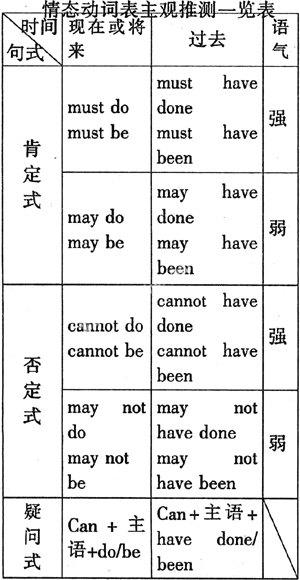
He must stay at home now.
他現(xiàn)在肯定在家。
He must be in the reading room now. 他現(xiàn)在肯定在閱覽室。
考點(diǎn)對(duì)接
——Tom is never late for
work. Why is he absent
today?
——Something ____ to him.
A. must happen
B. should have happened
C. could have happened
D. must have happened
解析:D must have done表示對(duì)過去事情的肯定推斷,意為“過去一定做了某事”。A表示對(duì)現(xiàn)在或未來事情的肯定推測(cè);B意為“本應(yīng)該發(fā)生”;C意為“可能已經(jīng)發(fā)生”,口氣不太肯定,由于前一句意為“湯姆上班從未遲到過”,因此判斷他今天缺席一定是因?yàn)槌隽耸裁词铝恕?/p>
11.It didnt take long before the wooden building was destroyed by the fire.
1)It didnt take/wasnt long before…不久就……,相當(dāng)于before long。
2)It took/was long before…過了很久才……。
It took long before the fire was put out. 過了很久才把大火撲滅。
3)It will take/be long before…要過很久才……。
It will take long before the new library building is built up. 要過很久新圖書大樓才能建成。
It wont take/be long before…不久就會(huì)……,同樣相當(dāng)于before long。
It wont take long before some American friends come to visit our new school.
不久就會(huì)有一些美國朋友來參觀我們的新學(xué)校。
4)long before意為“很久以前”。
He said he had been there long before.他說自己很久以前去過那里。
before long意為“不久以后”。
He will be back before long.
他不久就會(huì)回來。
考點(diǎn)對(duì)接
It ____ long before we ____ the result of the experiment.
A. will not be; will know
B. is; will know
C. will not be; know
D. is; know
解析:C 本題考查“It be+時(shí)間+before從句”結(jié)構(gòu)中時(shí)態(tài)的運(yùn)用。在此句型中,如果主句是將來時(shí),before引導(dǎo)的從句用一般現(xiàn)在時(shí)。
