
翻譯是藝術,還是數學題?
2017-11-17 03:06:59吉迪恩路易斯克勞斯鄧志輝
英語世界 2017年5期
文/吉迪恩·路易斯-克勞斯 譯/鄧志輝
翻譯是藝術,還是數學題?
文/吉迪恩·路易斯-克勞斯 譯/鄧志輝
Universal translation1科幻作品往往默認存在某種universal translator(國內常譯為“通用翻譯器”或“萬能翻譯器”)幫助人類與外星人順暢交流。universal translation乃由universal translator轉化而來。此處譯文適當進行了顯明化處理。has long been motivated by a utopian ambition,a dream that harks back to Genesis, of a common tongue that perfectly maps thought to world2人類思維反映客觀現實,語言則是傳達思想的工具。若存在人類共同語,則能克服不同語言所具有的民族性,使全人類對于客觀世界的認識(即思維)借助該共同語言得到毫無分歧的呈現。.
[2] Translation is possible, but we are bedeviled3bedevil使痛苦;虐待。by conflict. This fallen state of affairs is often attributed to the translators, who must not be doing a properly faithful job. The most succinct4succinct簡潔的;簡明的。expression of this suspicion55 suspicion懷疑。is “traduttore, traditore,” a common Italian saying that’s really an argument masked as a proverb. It means, literally, “translator,traitor,” but even though that is semantically on target, it doesn’t match the syllabic66 syllabic音節的;分音節的。harmoniousness of the origi-nal, and thus proves the impossibility it asserts.
[3] For now, efforts in the discipline of machine translation are mostly concerned with the dutiful assembly of “cargo trucks” to ferry information across linguistic borders. The hope is that machines might efficiently and cheaply perform the labor of rendering sentences whose informational content is paramount7paramount至為重要的。: “This metal is hot,”“My mother is in that collapsed house,”“Stay away from that snake.” Beyond its use in Google Translate, machine translation has been most successfully and widely implemented in the propagation8propagation傳播。of continentspanning weather reports or the reproduction in 27 languages of user manuals for appliances. As one researcher told me,“We’re great if you’re Estonian and your toaster is broken.”
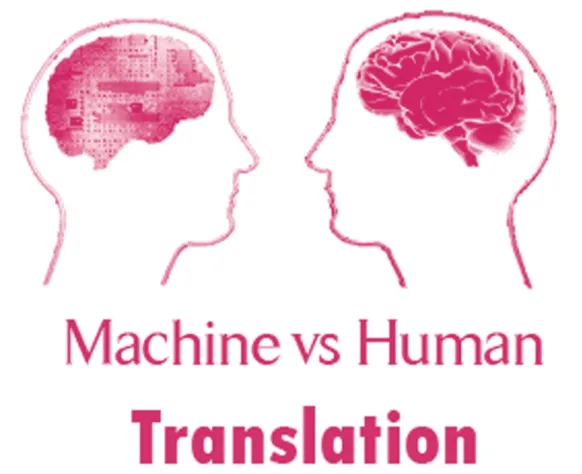
[4] Warren Weaver9(1894—1978)美國數學家,被譽為機譯鼻祖,早于1947年就提出機譯設想,1949年發表一份以“翻譯”為題的備忘錄,正式提出并詳細闡述機器翻譯問題。, a founder of the discipline, conceded: “No reasonable person thinks that a machine translation can ever achieve elegance and style.Pushkin10(1799—1837),俄國著名詩人。此處用以指代注重語言使用之elegance and style的詩人群體。作者的意思是,機器翻譯無法實現優雅和風格,所以詩人們不必擔憂會被機器取代。從翻譯角度來看,直譯為“普希金們”略嫌隱晦,“以普希金為代表的詩人們”則過于繁瑣,所以只簡單譯為“詩人們”。need not shudder.” The whole enterprise introduces itself in such tones of lab-coat11lab coat實驗室的工作服,這里引申為“簡樸實用的,不加任何修飾的”。modesty.
[5] In 1960, one of the earliest researchers in the fi eld, the philosopher and mathematician Yehoshua Bar-Hillel12(1915—1975),以色列哲學家、數學家、語言學家,尤以在機器翻譯和形式語言學中的成就聞名于世。,wrote that no machine translation would ever pass muster13pass muster及格;合乎要求。without human “postediting.” He called attention to sentences like “The pen is in the box” and “The box is in the pen14pen還有“圍欄,關押”等義。.” For a translation machine to be successful in such a situation of semantic ambiguity15ambiguity歧義;一語多義。, it would need at hand not only a dictionary but also a“universal encyclopedia.” The brightest future for machine translation, he suggested, would rely on coordinated efforts between plodding16plodding老牛拖破車似的;做事慎重而呆板的。machines and well-trained humans. The scienti fi c community largely came to accept this view: Machine translation required the help of trained linguists, who would derive increasingly abstract grammatical rules to distill natural languages down to the sets of formal symbols that machines could manipulate.
[6] This paradigm17paradigm范例;典范。prevailed18prevail普遍存在;盛行。until 1988, year zero for modern machine translation, when a team of IBM’s speech-recognition researchers presented a new approach. What these computer scientists proposed was that Warren Weaver’s insight19指韋弗1949年在“翻譯”備忘錄中提出的觀點,認為翻譯過程類似于密碼解讀過程,故可從這一角度來進行機器翻譯研究。about cryptography20cryptography密碼學。was essentially correct but that the computers of the time weren’t nearly powerful enough to do the job.“Our approach,” they wrote, “eschews21eschew避開;戒絕。the use of an intermediate222 intermediate中間的。mechanism (language) that would encode the‘meaning’ of the source text.” All you had to do was load reams23ream〈非正式〉大量的文字(或寫作)。of parallel text24parallel text平行語料,指使用不同語言撰寫、相互間具有“翻譯關系”的文本。through a machine and compute the statistical likelihood of matches across languages. If you train a computer on enough material, it will come to understand that 99.9 percent of the time,“the butterfly” in an English text corresponds to “le papillon” in a parallel French one. One researcher25指弗里德里克·賈里尼克(Frederek Jelinek,1932—2010),世界著名的語音識別和自然語言處理的專家,他在 IBM 實驗室工作期間,提出了基于統計的語音識別的框架。本句所指原話有不同版本,其一是“Every time I fire a linguist, the performance of the speech recognizer goes up.”。quipped26quip講俏皮話。that his system performed incrementally better each time he fi red a linguist. Human collaborators, preoccupied with shades27shade差別;不同。of “meaning,” could henceforth be edited out entirely.
[7] This statistical strategy, which supports Google Translate and Skype Translator and any other contemporary system, has undergone nearly three decades of steady refinement28refinement(精細的)改進,改善。. The problems of semantic ambiguity have been lessened by paying pretty much no attention whatsoever to semantics.The English word “bank,” to use one frequent example, can mean either “financial institution” or “side of a river,”but these are two distinct words in French. When should it be translated as“banque,” when as “rive”? A probabilistic299 probabilistic基于概率的;或然的。model will have the computer examine a few of the other words nearby.If your sentence elsewhere contains the words “money” or “robbery,” the proper translation is probably “banque.”(This doesn’t work in every instance,of course. A machine might still have a hard time with the relatively simple sentence “A Parisian has to have a lot of money to live on the Left Bank.”
[8] Many computational linguists continue to claim that, after all, they are interested only in “the gist300 gist要點;大意。” and that their duty is to fi nd inexpensive and fast ways of trucking the gist across languages.But they have effectively arrogated31arrogate僭稱;霸占。to themselves the power to draw a bright line where “the gist” ends and “style” begins. Human translators think it’s not so simple. All texts have some purpose in mind, and what a good human translator does is pay attention to how the means serve the end, how the “style” exists in relationship to “the gist.” The oddity is that belief in the existence of an isolated“gist” often obscures the interests at the heart of translation.
[9] What mostly annoys human translators isn’t the arrogance of machines but their appropriation of the work of forgotten or anonymous humans. Machine translation necessarily supervenes on previous human effort; otherwise there wouldn’t be the parallel corpora32corpora語料庫,指為特定的應用目標而專門收集加工、具有一定結構、可被計算機程序檢索的原始語料集合。that the machines need to do their work. I mentioned to an Israeli graduate student that I had been reading the Wikipedia page of Yehoshua Bar-Hillel and had found out that his granddaughter, Gili,is a minor celebrity in Israel as the translator of the “Harry Potter” books.He hadn’t heard of her and didn’t seem interested in the process by which a
無障礙型通用翻譯的靈感來源是一個令人聯想到《圣經·創世記》的烏托邦式夢想,即借助某種共同語言,架構起人類思維與客觀世界間的完美橋梁。
[2]翻譯誠然可為,但分歧依然令人苦不堪言。這種不盡人意的現狀常被歸咎于譯者——人們想當然地認為這必然都因他們未能忠實盡責所致。對此類不信任心態最言簡意賅的表達,莫過于一句意大利諺語“traduttore,traditore”。這話貌似一句格言,其實只是一個觀點,其英文直譯是“translator, traitor”(“譯者,叛徒”)。不過英譯文雖然語義無誤,音節上卻無法再現意大利原文的對稱和諧之美,因此倒恰好佐證了原句所宣稱的翻譯不可為之論。
[3]就目前來看,機器翻譯領域主要是兢兢業業地以“貨車”組裝方式進行語際間信息傳送,以期在翻譯那些信息成分至上的句子時,機器可以更廉價而高效,例如:“這塊金屬很熱”“我母親還在那棟倒塌的房子里”“離那條蛇遠點”等。除了谷歌翻譯軟件以外,機器翻譯應用最成功、服務范圍最廣的領域,當屬洲內天氣預報的傳播系統,或是家用電器使用說明書的27種語言翻譯系統。如一位研究者所說,“如果你是愛沙尼亞人,而且面包機壞了,這時你會發現我們的服務相當不錯”。
[4]機器翻譯的鼻祖沃倫·韋弗曾經坦承:“但凡有點理智的人都清楚,機器翻譯永遠無法實現語言的優雅美感或風格的藝術再現,因此詩人們不必恐慌。”——整個機譯行業都以這種樸實的語氣自謙。
[5] 1960年,該領域的先驅之一,同時也是哲學家和數學家的耶霍舒亞·巴爾-希勒爾發文宣稱:除非有人工譯者進行后期編輯加工,否則機器翻譯的質量絕對無法過關。他提醒人們注意一些歧義句,如:“pen(鋼筆)在盒子里”和“盒子在pen(籠子)里”,機器在處理此類語義歧義時,僅靠字典尚不足夠,還必須借助某種“萬能百科全書”才行。因此,在他看來,機器翻譯要實現最佳前景,必須依靠呆板的機器與訓練有素的人工緊密合作,方有可為。科學界很大程度上逐漸接受了這種觀點:機器翻譯必須依靠專業語言學家的幫助,后者通過導出日益抽象的語法規則,將自然語言簡化歸納為一套套正式符號,供機器識別使用。
[6]這一思維范式持續至1988年。在這個現代機器翻譯技術的元年,來自IBM公司的一個語言識別研究團隊展示了一種全新方法。這些計算機科學家提出,沃倫·韋弗當年從密碼學視角將翻譯視為“解碼”過程的看法本質上沒錯,但受當時計算機技術的限制,從該思路出發無法實現機器翻譯。他們寫道:“我們的方法則避開了這一常規思路,不再依賴中介機制(語言)來對源文本的意義進行編碼。”要做的只是通過機器載入大量平行語料,然后對語言間的對應情況進行統計分析即可。只要給計算機的訓練語料庫夠大,它就會逐漸學習到,英語文本中的the butterfly在99.9%的情況下都與法語平行文本中的le papillon相對應。有位研究者曾打趣說,每開除一名語言學家,他的系統運行效率就會大幅上升。糾結盤桓于各種細枝末節“意義”間的人類伙伴似乎從此可以徹底退場了。
[7]這種統計法是如今谷歌翻譯器、Skype翻譯器及其他各類當代機譯系統的技術基礎,且自其問世30年以來,一直處于穩定改良中。語義歧義問題已有所減少,而解決方案居然是:徹底繞開語義。舉一個大家熟知的例子,英語中bank一詞同時有“金融機構”與“河岸”之義,而在法語中這兩個意思分別對應兩個完全不同的詞。究竟何時該將bank譯成法語的banque(銀行)、何時該譯成rive(河岸)呢?機譯概率模型會指引計算機查看附近的幾個單詞,如果句中其他地方出現“錢”或“搶劫”等類詞語,則可判斷恰當譯法很可能是banque。(這當然不適用于所有情形。“巴黎人得有一大筆錢才能住在左岸”,這個句子本身雖然并不復雜,計算機在翻譯時恐怕卻得頗費周章。)
[8]很多計算語言學家反復聲明,稱自己感興趣的僅限于信息“要義”,職責是尋找低廉而快捷的手段實現語際間的信息要義輸送。殊不知,他們在此過程中僭取了一個權利,即由他們來界線分明地判定何時“要義出”、何時“風格入”。人類譯者則認為事情并非如此簡單。所有文本都自帶意圖,而一名優秀人類譯者所做的,恰恰是關注手段如何為意圖服務、“風格”如何與“要義”互存。悖論就在于:相信某種“要義”能獨立自存,這一看法反而遮蔽了翻譯本身的核心要義。
[9]最讓人類譯者生惱的還不是機器的這種倨傲,而是它們對無名或匿名人士勞動成果的任意取用。機器翻譯無可避免要仰賴此前的人類勞動成果,這也是為什么要建立平行語料庫的原因,否則機器無法工作。我曾與一位以色列研究生交談,說起我一直在讀維基百科上有關耶霍舒亞·巴爾-希勒爾的介紹,了解到他的孫女吉麗是《哈利·波特》系列小說的譯者,在以色列小有名氣。這名學生對她一無所知,談話過程中也沒表現出對出版商花錢引進魔法類兒童讀物過程的興趣。但是,如果沒有吉麗·巴爾-希勒爾這樣的譯者一字一句精雕細琢、為一個用途非凡的平行語料庫做出4000余頁的語料貢獻,就不會出現支持希伯來語-英語互
〔〕
〔〕publisher paid to import books about magic for children. But we would have no such tools as Google Translate for the Hebrew-English language pair if Bar-Hillel had not hand-translated,with care, more than 4,000 pages of an extremely useful parallel corpus. In a sense, their machines aren’t actually translating; they’re just speeding along tracks set down by others. This is the original sin of machine translation: The field would be nowhere33 be nowhere 沒有取勝的機會;一無所得。 without the human translators they seek, however modestly, to supersede34 supersede取代,代替。. ■譯的谷歌翻譯應用程序。在某種意義上,機器從未進行真正的翻譯,而只是沿著他人鋪設好的軌道飛馳,這正是機器翻譯的原罪所在:若非借人類譯者之功,機器翻譯行業斷不能有任何建樹;然而它們盡管姿態極盡謙卑,卻一心圖謀要將人類譯者取而代之。 □
(譯者曾獲第五屆“《英語世界》杯”翻譯大賽一等獎。譯者單位:中山大學外國語學院)
Is Translation an Art or a Math Problem?
ByGideon Lewis-Kraus
猜你喜歡
哈哈畫報(2022年4期)2022-04-19 11:11:50
大科技·百科新說(2021年6期)2021-09-12 02:37:27
英語文摘(2021年2期)2021-07-22 07:56:54
好孩子畫報(2020年5期)2020-06-27 14:08:05
文苑(2020年4期)2020-05-30 12:35:30
意林·全彩Color(2019年6期)2019-07-24 08:13:50
小學生作文(中高年級適用)(2018年3期)2018-04-18 01:24:47
瘋狂英語·新策略(2017年8期)2017-05-31 08:13:46
華北電力大學學報(社會科學版)(2016年4期)2016-12-01 03:59:30
奧秘(2015年2期)2015-09-10 07:22:44
