Shared Economy Branches out in China
2018-01-02 18:58:46
中國經貿聚焦·英文版 2017年8期
It seems ever y is shareable
Smartphone run out of battery? Need some fancy dresses to attend a wedding or a drinking party?
The sharing economy, already buoyed by the success of ride-hailing and bike-sharing giants such as Didi Chuxing and Ofo Inc, can help. These and other services are part of a broader sharing-economy boom sweeping across China. Fueled by forward-thinking investors and venture capital firms, startups pop up across the country to offer a wide range of sharing services, extending into far more businesses than their foreign counterparts do. Bicycles, homes, pricey fashion, everyday clothing, basketballs, umbrellas ... all are being hurled into the magical sharing model in China.
According to a report jointly re-( leased by the State Information Center and the Internet Society of China, the countrys sharing economy transactions were worth about 3.45 trillion yuan$510 billion) last year. And it is ex- pected to grow to more than 10 percent of Chinas gross domestic product by 2020. Chinas GDP was 74.41 trillion yuan in 2016 and is projected to grow by 6 to 7 percent annually over the next few years. “I believe the market for the sharing economy will be huge,” said Liu Mengyuan, who founded yi23.net to provide subscription-based rental clothing services, including everyday clothing and high-end luxury dresses, for women in China. “So huge even the clothing rental sales will exceed 1 trillion yuan in the foreseeable future. And Chinas large population is a big opportunity for us.”
Founded in 2015, Yi23 offers users more than 200 brands and different subscription plans. For example, paying 499 yuan a month, consumers can rent three items at a time. The platform serves more than 100 cities in China, and has over 4 million registered members. They can keep the rented clothing items as long as they want, and then ship them back for free and order new ones.
Problems spring up
Yet sharing services do have some limitations. One innovation, “shared sleeping capsules” in office buildings in Beijing, Shanghai and Chengdu, Sichuan province-which office workers could rent for a nap during their lunchtime breaks-were shut down and dismantled last week over fire-safety concerns.
For around 10 yuan per half-hour, sleepy white-collar workers were able to rent white capsules in the office buildings for a nap during the midday rush. Beginning in May, the sleek white capsules, which look like space pods, were rolled out in office buildings in the three cities. Customers were able to scan a quick response code with smartphones, which they could use to pay for the service, and then access services such as phone chargers and Wi-Fi. Dai Jiangong, founder and CEO of the Beijing Xiangshui Technology Corp, a startup dedicated to provide the nap space, said the capsule actually catered to professionals needs for naps during a busy workday. “In China more than 300 million people are sleep-deprived,” he said. “Those sleepy white-collar workers need naps to make up for early-morning commutes and long work hours. Usually after a little nap, they feel more alert and can do better jobs. And thats exactly what we offer-private spaces for neces- sary naps.”
Though the pods were recalled, the company was not fined and plans to reintroduce them. Dai said the company has recalled all 50 nap capsules in the three cities and then will improve the products accordingly to better serve customers. And he expects to roll out new versions by the end of this year.
Pay services aid trend
The success of the sharing economy in China is perhaps unsurprising when you consider Chinese consumers embrace of mobile payment services such as Alibaba Group Holding Ltds Alipay and Tencent Holdings Ltds WeChat Wallet and their rapidly changing consumption habits. “With an increase of average income, more Chinese will prefer to purchase premium products and services, which has created niche market for providers. Meanwhile, the accumulation of fortune and abundant materials enables the trend to share resources, such as ride-hailing resources and accommodations services,” said Chen Ke, partner and vice president of Roland Berger Greater China.
Chen added that in China, the sharing economy not only reduces the waste of idle resources, it also employs new technologies to transform traditional businesses, such as bike rental and shared umbrellas.”The expanded meaning of sharing economy in China helps companies build a strength amid fierce competition and helps more consumers to better access the needed services,”Chen said.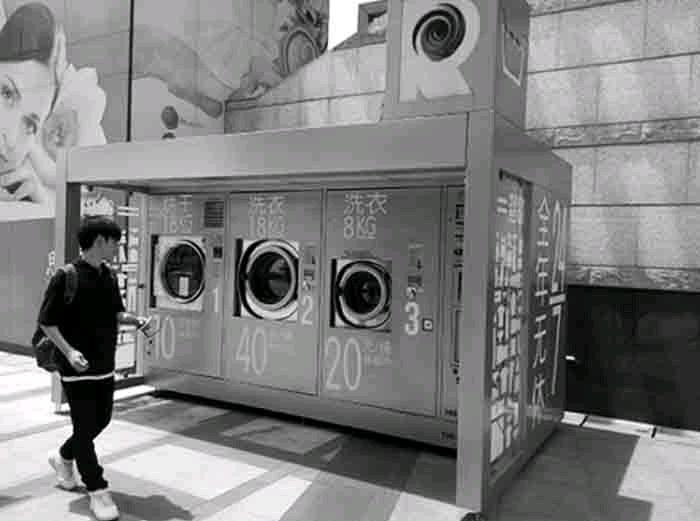
While a large number of mobile- savvy Chinese become obsessed in the products and services enabled by the sharing economy, some critics question whether the mode is sustainable. Or, whether all products can be shareable? According to the Shanghaibased ThePaper.cn, the investor of a shared-umbrella enterprise claimed that of the nearly 300,000 umbrellas their company deployed in more than 10 cit- ies in southeast China, one can hardly be found. “Yes, Ive noticed media reports about the great amount of missing shared umbrellas in cities including Shanghai. Its possible for people to take the umbrellas home instead of returning, but I would like to regard the activity as free promotion of our project because the umbrellas are printed with our logo and information,” said Lu Hang, who had placed 20,000 umbrellas in Shanghais downtown areas. Lu, 29, said he had long been encouraged by the success and popularity of the shared economy, and a month ago he finally decided to launch his shared umbrellas project in Shanghai. He said he is optimistic about breaking even in the foreseeable future.

Not everything shareable
Zhang Xu, an analyst at Beijingbased consultancy Analysys, said the sharing model would not work in every situation. “Sharing startups need to consider how to actually meet consumers needs and then to share suitable items. And they also need to consider the maintenance. For example, if most shared umbrellas are taken away by consumers and cant be tracked back, the sharing mode would be not sustainable,” he said.
However, Luo Xiaoyu, chief executive of Xie Bao Association of ECommerce Ltd, to which Lus shared umbrella project is affiliated, takes a rosy view of the foreseeable future of shared umbrellas. According to Luo, they are working to improve the locking system and make the project easy to go. “As Chinese people become rich, they tend to buy more stuff than what they need, and this is a huge waste. So why dont we share things and make the most use of items?” Luo said. Luo looks to build a platform on which people can share all kinds of goods. “It could be an umbrella, a copy machine, or even a wedding gown,” he added.