SIRT2沉默對胃癌SGC-7901細胞增殖、遷移和侵襲的影響
2018-12-11 10:43:30牛虹楊峰唐靜雯田同德李華華岳光星范伊曉周浩本
中國醫藥生物技術 2018年6期
關鍵詞:胃癌
牛虹,楊峰,唐靜雯,田同德,李華華,岳光星,范伊曉,周浩本
?
SIRT2沉默對胃癌SGC-7901細胞增殖、遷移和侵襲的影響
牛虹,楊峰,唐靜雯,田同德,李華華,岳光星,范伊曉,周浩本
450008 鄭州大學附屬腫瘤醫院中西醫結合腫瘤內科
探究沉默信息調節蛋白 2(SIRT2)對人胃癌 SGC-7901 細胞增殖、遷移和侵襲的影響及機制。
采用實時熒光定量 PCR(qRT-PCR)檢測 SIRT2 在胃癌 SGC-7901 細胞和正常胃上皮 GES-1 細胞中的表達。采用 RNA 干擾技術處理 SGC-7901 細胞,SIRT2 沉默組轉染靶向 SIRT2 的干擾小 RNA(SIRT2-siRNA1 組、SIRT2-siRNA2 組),陰性對照組轉染 SIRT2-siRNA 陰性對照序列,空白對照組不轉染。CKK-8 法和平板細胞克隆形成實驗檢測 SGC-7901 細胞增殖,Transwell 法檢測 SGC-7901 細胞侵襲遷移能力,蛋白印跡檢測 SGC-7901 細胞中 SIRT2、絲氨酸/蘇氨酸蛋白激酶(Akt)和磷脂酰肌醇-3 激酶(PI3K)蛋白表達。
人胃癌細胞 SNU-1、KATO III、SGC-7901 中SIRT2 mRNA 和蛋白水平均高于正常胃上皮 GES-1 細胞(< 0.05)。轉染SIRT2-siRNA 的 SGC-7901 細胞中SIRT2 mRNA 和蛋白水平均低于陰性及空白對照組(< 0.05);轉染SIRT2-siRNA 后,SGC-7901 細胞增殖能力、克隆形成能力、遷移和侵襲能力均降低(< 0.05);轉染SIRT2-siRNA 后SGC-7901 細胞中 Akt、PI3K 蛋白磷酸化程度顯著下降(< 0.05)。
SIRT2 在胃癌細胞中表達上調,沉默 SIRT2 可能通過調節 PI3K/Akt 通路抑制胃癌細胞增殖、遷移和侵襲,推測 SIRT2 可能作為潛在靶標應用于胃癌的基因治療。
沉默信息調節蛋白 2; 胃癌; 增殖; 侵襲; 遷移
胃癌(gastric cancer,GC)是一類發生于胃黏膜上皮的惡性腫瘤,流行病學研究顯示,GC 的發病率在世界范圍內居第五位,死亡率居第三位[1]。雖然近年關于 GC 的檢測和治療技術取得很大改進,但 GC 患者的 5 年存活率仍很低,低于 30%[2]。由于 GC 患者早期無特異性癥狀,確診時多數已進展至晚期,甚至轉移至遠端器官,研究顯示,轉移是導致GC 患者死亡的重要原因[3],然而影響胃癌轉移的機制尚不完全明確。因此,探究胃癌的轉移、進展機制,有利于篩選更有效的治療分子靶點,對于延長 GC 患者存活時間,改善預后具有重要意義。沉默信息調節蛋白 2(sirtuin-2,SIRT2)是組蛋白去乙酰化酶家族的一員,參與調解氧化應激、細胞程序性死亡等生物過程[4-5]。Hoffmann 等[6]研究發現,抑制 SIRT2 表達可明顯促進非小細胞肺癌細胞的凋亡,降低遷移和侵襲能 力,然而目前尚缺少 SIRT2 對胃癌細胞的影響相關研究。本文在上述研究基礎上,通過轉染靶向作用于 SIRT2 的干擾小 RNA(siRNA),觀察沉默 SIRT2 對胃癌細胞增殖、遷移和侵襲的影響,并初步探討其機制,以期為胃癌的臨床診療提供一定參考。
1 材料與方法
1.1 實驗材料
人胃癌細胞系 SNU-1、KATO III、SGC-7901 細胞和人正常胃上皮 GES-1 細胞購自中國科學院細胞庫;胎牛血清和 RPMI-1640 培養基購自美國ThermoFisher 公司;LipofectamineTM3000 轉染試劑盒購自美國 Invitrogen 公司;AceQ?qPCR SYBR?Green Master Mix、Trizol 試劑、蛋白提取試劑購自南京諾唯贊生物科技有限公司;Transwell 小室購自美國 BD 公司;SIRT2-siRNA1、SIRT2-siRNA2、SIRT2-siRNA陰性對照(negative control,NC)序列,由生工生物工程(上海)股份有限公司合成;兔源磷脂酰肌醇-3-激酶(phosphatidylinositol-3-kinase,PI3K)抗體、兔源 p-PI3K 抗體、兔源絲氨酸/蘇氨酸激酶(serine/threoninekinase,Akt)抗體、兔源 p-Akt 抗體和綴合辣根過氧化物酶(HRP)羊抗兔二抗購自美國 Abcam 公司。
1.2 方法
1.2.1 細胞培養 SNU-1、KATO III、SGC-7901 及 GES-1 細胞常溫條件下復蘇,采用加有 10% 胎牛血清的新鮮 RPMI-1640 進行培養,加入鏈霉素、青霉素,放入 CO2培養箱常規進行傳代培養,每兩天更換一次培養基。穩定2 ~ 3 代后,細胞處于對數生長期時,收集用于實驗。每種細胞設置5 個重復。
1.2.2 細胞轉染及分組 收集穩定傳代的對數期 SGC-7901 細胞,加入胰蛋白酶進行消化,制備單細胞懸液,以 1 × 10⁵個/孔密度接種于 6 孔培養板,培養至細胞融合達 80% 左右,更換為不含胎牛血清的新鮮RPMI-1640 培養基,遵循 LipofectamineTM3000 試劑盒操作說明進行轉染。實驗分四組:空白對照組:不對SGC-7901 細胞轉染任何外源序列;陰性對照組:對SGC-7901 細胞轉染終濃度為 100 nmol/LSIRT2-siRNA NC 序列;SIRT2-siRNA 1 組:對SGC-7901 細胞轉染終濃度為 100 nmol/L SIRT2-siRNA1 序列;SIRT2-siRNA 2 組:對SGC-7901 細胞轉染終濃度為 100 nmol/L SIRT2-siRNA2 序列,每組設置 5 個重復。轉染后置于培養箱中常規培養 6 h,更換為加有 10% 胎牛血清的新鮮RPMI-1640 培養基繼續培養 48 h。收集各組 SGC-7901 細胞,實時熒光定量(real time quantitative,qRT)-PCR和蛋白印跡(Western blot)檢測轉染效率。
1.2.3 CKK-8 法檢測SGC-7901 細胞增殖 將各組 SGC-7901 細胞分別以 5000 個/孔密度接種至 96 孔板,培養 0、12、24、36、48、60、72 h 后,遵循 CKK-8 檢測試劑盒操作說明進行實驗,檢測各孔細胞在 450 nm 波長下的光密度(),繪制生長曲線。
1.2.4 平板細胞克隆實驗檢測SGC-7901 細胞增殖 將各組 SGC-7901 細胞制備單細胞懸液,以1000 個/皿密度接種至加有 6 ml RPMI-1640 的培養皿中,移液槍輕輕吹打混勻,置于 CO2培養箱中培養,每 12 小時觀察一次細胞生長情況。當肉眼觀察到明顯細胞克隆形成時,將培養皿取出,統計培養皿中形成克隆的細胞數量,計算 SGC-7901 細胞克隆形成率,每組設置 5 個重復。克隆形成率=(形成克隆的細胞數量/ 1000)× 100%。
1.2.5 Transwell 法檢測SGC-7901 細胞遷移和侵襲 將 Transwell 小室放入 24 孔板,收集各組 SGC-7901 細胞制備單細胞懸液,以 10 000 個/孔密度接種于小室上層,小室下層加入 600 μl含胎牛血清RPMI-1640 培養基,于 CO2培養箱孵育 24 h,取出小室,清洗風干后,95% 乙醇固定,加入 0.5% 結晶紫染色 15 min,洗去多余染液,小心去除小室濾膜上層未遷移細胞,置于顯微鏡拍照并統計遷移至濾膜下層的細胞數量。細胞侵襲實驗首先將小室 50 μl 2.0 mg/ml 基底膠加入小室上層,膠凝晾干后接種SGC-7901 細胞,后續步驟同遷移實驗。每組設置 5 個重復。
1.2.6 Western blot 檢測 PI3K、Akt 蛋白表達情況 將各組 SGC-7901 細胞收集,采用蛋白提取試劑盒提取各組細胞總蛋白,測定蛋白濃度。分別取適量蛋白加入十二烷基苯磺酸鈉(SDS)煮沸后,上樣,采用 8% ~ 10% SDS-聚丙烯(PAGE)膠分離不同分子量的蛋白質。采用半干轉膜儀將蛋白質由 PAGE 膠轉至硝酸纖維膜,加入 5% 脫脂牛奶常溫封閉 25 min;分別加入 1:1000 稀釋的一抗,4 ℃孵育過夜;洗去一抗后,分別加入 1:5000 稀釋的羊抗兔二抗,常溫孵育 45 min;洗去二抗后,加入化學發光液,采用 Tanon 軟件拍攝圖像,以目的蛋白條帶灰度值/內參 GAPDH 條帶灰度值表示目的蛋白相對表達量。
1.3 統計學處理
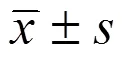
2 結果
2.1 SIRT2 在人胃癌細胞系中高表達
人胃癌細胞 SNU-1、KATO III、SGC-7901 中SIRT2 mRNA 和蛋白水平均顯著高于正常胃上皮 GES-1 細胞(< 0.05),結果見圖 1、表 1。
2.2 轉染效果檢測
陰性對照組 SGC-7901 細胞中SIRT2 mRNA 和蛋白水平與空白組比較,差異無統計學意義 (> 0.05);SIRT2-siRNA1 組、SIRT2-siRNA2 組 SGC-7901 細胞中SIRT2 mRNA 和蛋白水平均顯著低于陰性及空白對照組(< 0.05),見圖 2、表 2。
2.3 沉默 SIRT2 抑制 SGC-7901 細胞增殖
陰性對照組 SGC-7901 細胞增殖能力與空白組比較,差異無統計學意義(> 0.05);SIRT2-siRNA1 組、SIRT2-siRNA2 組 SGC-7901 細胞增殖能力顯著低于陰性及空白對照組(< 0.05),結果見圖 3。

圖 1 SIRT2 在人胃癌細胞系中表達情況
Figure 1 SIRT2 expression in human gastric cancer cell lines

細胞系Cell lineSIRT2/GAPDH mRNAProtein GES-11.05 ± 0.221.08 ± 0.24 SNU-13.19 ± 0.61*2.08 ± 0.32* KATO III3.25 ± 0.71*2.11 ± 0.36* SGC-79014.59 ± 0.89*2.47 ± 0.48*
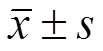
注:n = 5,與 GES-1 細胞比較,*< 0.05。
Note: n = 5, compared with GES-1 cells,*< 0.05.

圖 2 轉染 SIRT2-siRNA 對 SGC-7901 細胞 SIRT2 表達的影響
Figure 2 Effect of SIRT2-siRNA transfection on SIRT2 expression in SGC-7901 cells
表 2 轉染 SIRT2-siRNA 對 SGC-7901 細胞SIRT2 表達的影響()
注:n = 5,與空白組比較,*< 0.05;與陰性組比較,#< 0.05。
Note: n = 5, compared with the blank group,*< 0.05; compared with the negative group,#< 0.05.
2.4 沉默 SIRT2 抑制 SGC-7901 細胞平板克隆形成
陰性對照組 SGC-7901 細胞平板克隆形成率與空白組比較,差異無統計學意義(> 0.05);SIRT2-siRNA1 組、SIRT2-siRNA2 組 SGC-7901細胞平板克隆形成率顯著低于陰性及空白對照組(< 0.05),結果見表 3。

圖 3 沉默 SIRT2 對SGC-7901 細胞增殖的影響(n = 5,與空白組比較,*P < 0.05;與陰性組比較,#P < 0.05)
Figure 3 Effect of silencing SIRT2 on the proliferation of SGC-7901 cells (n = 5, compared with the blank group,*< 0.05; compared with the negative group,#< 0.05)
表 3 沉默 SIRT2 對 SGC-7901 細胞平板克隆形成率的影響()
注:n = 5,與空白組比較,*< 0.05;與陰性組比較,#< 0.05。
Note: n = 5, compared with the blank group,*< 0.05; compared with the negative group,#< 0.05.
2.5 沉默 SIRT2 抑制 SGC-7901 細胞遷移、侵襲能力
如圖 4 和表 4 所示,陰性對照組發生遷移和侵襲的 SGC-7901 細胞數量與空白組比較,差異無統計學意義(> 0.05);SIRT2-siRNA1 組、SIRT2-siRNA2 組發生遷移和侵襲的 SGC-7901 細胞數量顯著低于陰性和空白對照組(< 0.05)。
2.6 沉默 SIRT2 抑制 SGC-7901 細胞中 Akt、PI3K 磷酸化程度
陰性對照組、空白組、SIRT2-siRNA 組 SGC-7901 細胞中 Akt、PI3K 蛋白表達總量比較,差異無統計學意義(> 0.05)。陰性對照組 SGC-7901 細胞中 Akt、PI3K 蛋白磷酸化程度與空白組比較,差異無統計學意義(> 0.05);SIRT2-siRNA1 組、SIRT2-siRNA2 組 SGC-7901細胞中 Akt、PI3K 蛋白磷酸化程度顯著低于陰性和空白對照組(< 0.05),結果見圖 5、表 5。

圖 4 沉默 SIRT2 對 SGC-7901 細胞遷移(A)、侵襲(B)的影響(標尺 = 100 μm)
Figure 4 Effect of silencing SIRT2 on migration (A) and invasion (B) of SGC-7901 plate clones (scale = 100 μm)
表 4 沉默 SIRT2 對 SGC-7901 細胞遷移能力的影響()
注:n = 5,與空白組比較,*< 0.05;與陰性組比較,#< 0.05。
Note: n = 5, compared with the blank group,*< 0.05; compared with the negative group,#< 0.05.
3 討論
我國的胃癌發生率很高,目前已居于常見惡性腫瘤的第一位。胃癌患者早期癥狀不具有特異性,因此發現患病時多已進展至晚期,手術效果有限,目前主要使用手術結合化療的治療策略,但化療的毒副作用大且腫瘤細胞易產生抗藥性[7]。胃癌患者在疾病晚期多出現腫瘤病灶浸潤和遠處轉移、侵襲,嚴重影響治療效果,導致患者預后差,死亡率高[8]。因此,探究胃癌細胞轉移和侵襲機制,尋找關鍵生物分子,可為其臨床診斷和治療提供新思路。

圖 5 沉默 SIRT2 對 SGC-7901 細胞 Akt、PI3K 磷酸化程度的影響
Figure 5 Effects of silencing SIRT2 on the phosphorylation of Akt, PI3K in SGC-7901cells
SIRTs 是一類依賴煙酰胺腺嘌呤二核苷酸(nicotinamide adenine dinucleotide,NAD+)的去乙酰化酶,共包括 SIRT1 ~ SIRT7 七種同源蛋白,在肌肉、胃、腎臟等多種組織器官中表達[9]。SIRTs 通過調節組蛋白乙酰化/去乙酰化水平,調節 DNA 與組蛋白的結合狀態,影響基因轉錄,在能量代謝、炎癥反應、氧化還原平衡等生理過程中發揮重要作用[10]。Cheng 等[11]發現,SIRT1 在結直腸癌腫瘤組織中表達顯著高于癌旁組織,與患者遠處轉移、總體生存率有關,細胞實驗表明,沉默 SIRT1 表達可顯著抑制結直腸癌細胞遷移和侵襲。Grbesa 等[12]發現,SIRT2 蛋白在非小細胞肺癌細胞系 NSCLC 細胞和肺原發腫瘤組織中表達高于正常肺上皮細胞和正常組織,SIRT2 高表達與肺癌患者無復發生存期有關,下調 SIRT2 表達可顯著抑制 NSCLC 細胞增殖,推測 SIRT2 在肺癌中具有致癌作用。本研究發現,SIRT2 在胃癌細胞系 SNU-1、KATO III、SGC-7901 中均顯著高表達,與 Li 等[13]研究一致,提示SIRT2 可能參與胃癌發生。
表 5 沉默 SIRT2 對 SGC-7901 細胞 Akt、PI3K 磷酸化程度的影響()
注:n = 5,與空白組比較,*< 0.05;與陰性組比較,#< 0.05。
Note: n = 5, compared with the blank group,*< 0.05; compared with the negative group,#< 0.05.
腫瘤的發生涉及多種因素共同作用,當惡性腫瘤發生時,細胞在基因水平上對自身的控制出現紊亂,細胞增殖出現異常,細胞侵襲能力顯著增加,表現為浸潤式生長,導致腫瘤發生[14]。細胞異常增殖是腫瘤發生的基礎,細胞遷移和侵襲是腫瘤發生遠端轉移的基礎。本研究以 SIRT2 表達水平最高的 SGC-7901 細胞作為沉默 SIRT2 表達的載體,結果發現,轉染 SIRT2-siRNA 后,SGC-7901 細胞 SIRT2 表達明顯上調,表明轉染成功,效率較高。進一步觀察發現,SIRT2-siRNA1、SIRT2-siRNA2 組 SGC-7901 細胞生長速度、平板克隆形成率、發生遷移和侵襲的細胞數量均顯著低于陰性和空白對照組,表明沉默 SIRT2 可有效抑制胃癌 SGC-7901 細胞增殖、遷移和侵襲能力,與冉龍寬等[15]對肝癌細胞增殖能力的研究一致。
PI3K/Akt 通路是細胞內一種調控細胞增殖、細胞侵襲的重要信號轉導通路之一。作為通路中關鍵因子,PI3K 被磷酸化激活后,可催化細胞中 PIP2 轉化為有活性的 PIP3,作用于下游靶蛋白 Akt 促進其磷酸化;活化的 Akt 由細胞質轉移至細胞膜,傳遞生物學信號,進一步促進其下游細胞增殖、細胞遷移等相關靶基因轉錄活化,調節細胞功能[16]。研究表明,PI3K/Akt 信號通路的異常激活可促進多種腫瘤細胞增殖和遷移,與多種惡性腫瘤的嚴重程度有關[17]。Yang 等[18]發現,轉錄因子 SOX2 可通過誘導 PI3K/Akt 通路激活,促進人喉癌細胞的遷移和侵襲。Yan 等[19]研究證實,miR-21 在人乳腺癌細胞中可通過直接靶向 PI3K,抑制 PI3K/Akt 通路活化,從而抑制乳腺癌細胞生長、遷移和轉移。近年研究發現,SIRT2 與 Akt 活化相關,SIRT2 過表達可增強 Akt 及其下游靶基因活化[20]。為探究 SIRT2 對胃癌細胞增殖、侵襲的作用機制,本研究對轉染 SIRT2-siRNA 后,SGC-7901細胞中 PI3K、Akt 表達情況進行檢測,結果發現,SIRT2-siRNA1、SIRT2-siRNA2 組 SGC-7901 細胞中 Akt、PI3K 蛋白磷酸化程度均顯著降低,表明沉默 SIRT2 表達可有效抑制PI3K/Akt 通路激活,提示SIRT2 可能通過 PI3K/Akt 通路調節胃癌細胞的增殖、遷移和轉移。
綜上所述,SIRT2 在胃癌細胞中表達上調,沉默 SIRT2 可抑制 PI3K/Akt 通路激活,抑制胃癌細胞增殖、遷移和侵襲,表明 SIRT2 可能通過 PI3K/Akt 通路調節胃癌細胞的增殖、遷移和轉移,推測 SIRT2 可能是胃癌基因治療的潛在作用靶標。
[1] Siegel R, Ma J, Zou Z, et al. Cancer statistics, 2014. CA Cancer J Clin, 2014, 64(1):9-29.
[2] Yoon H, Kim N. Diagnosis and management of high risk group for gastric cancer. Gut Liver, 2015, 9(1):5-17.
[3] Zhu T, Wang Q, Wu XR, et al. Long-term efficacy and prognostic factors of surgical treatment for gastric carcinoma with liver metastases: a Meta analysis. Chin J Dig Surg, 2016, 15(3):257-265. (in Chinese)
朱婷, 王琦, 武希潤, 等. 胃癌肝轉移手術治療遠期療效及預后因素的Meta分析. 中華消化外科雜志, 2016, 15(3):257-265.
[4] Xu Y, Li F, Lv L, et al. Oxidative stress activates SIRT2 to deacetylate and stimulate phosphoglycerate mutase. Cancer Res, 2014, 74(13): 3630-3642.
[5] Narayan N, Lee IH, Borenstein R, et al. Retraction: the NAD-dependent deacetylase SIRT2 is required for programmed necrosis. Nature, 2014, 506(7489):516.
[6] Hoffmann G, Breitenbücher F, Schuler M, et al. A Novel Sirtuin 2 (SIRT2) inhibitor with p53-dependent pro-apoptotic activity in non-small cell lung cancer. J Biol Chem, 2014, 289(8):5208-5216.
[7] Quan FT, Yang WZ. The value of lymph node metastasis in evaluating the prognosis of patients with gastric cancer. Chin J Clin Res, 2017, 30(6):804-806. (in Chinese)
權峰濤, 楊維楨. 淋巴結轉移率在評估胃癌患者預后中的價值. 中國臨床研究, 2017, 30(6):804-806.
[8] Chen L, Yan Y, Zhu L, et al. Systemic immune-inflammation index as a useful prognostic indicator predicts survival in patients with advanced gastric cancer treated with neoadjuvant chemotherapy. Cancer Manag Res, 2017, 9(1):849-867.
[9] Kozako T, Suzuki T, Yoshimitsu M, et al. Anticancer agents targeted to sirtuins. Molecules, 2014, 19(12):20295-20313.
[10] Poulose N, Raju R. Sirtuin regulation in aging and injury. Biochim Biophys Acta, 2015, 1852(11):2442-2455.
[11] Cheng F, Li S, Chao Y, et al. SIRT1 promotes epithelial-mesenchymal transition and metastasis in colorectal cancer by regulating Fra-1 expression. Cancer Lett, 2016, 375(2):274-283.
[12] Grbesa I, Pajares MJ, Martínez-Terroba E, et al. Expression of sirtuin 1 and 2 is associated with poor prognosis in non-small cell lung cancer patients. PLoS One, 2015, 10(4):e0124670.
[13] Li Y, Zhang M, Dorfman RG, et al. SIRT2 promotes the migration and invasion of gastric cancer through RAS/ERK/JNK/MMP-9 pathway byincreasing PEPCK1-related metabolism. Neoplasia, 2018, 20(7):745-756.
[14] Pavlova NN, Thompson CB. The emerging hallmarks of cancer metabolism. Cell Metab, 2016, 23(1):27-47.
[15] Ran LK, Song CL, Li WW, et al. Effect of SIRT2 silencing on proliferation of hepatocellular carcinoma cells. J Third Milit Med Univ, 2014, 36(20):2098-2102. (in Chinese)
冉龍寬, 宋春麗, 李宛蔚, 等. SIRT2基因沉默后對肝癌細胞增殖的影響. 第三軍醫大學學報, 2014, 36(20):2098-2102.
[16] Martini M, De Santis MC, Braccini L, et al. PI3K/AKT signaling pathway and cancer: an updated review. Ann Med, 2014, 46(6):372-383.
[17] Polivka JJ, Janku F. Molecular targets for cancer therapy in the PI3K/AKT/mTOR pathway. Pharmacol Ther, 2014, 142(2):164-175.
[18] Yang N, Hui L, Wang Y, et al. SOX2 promotes the migration and invasion of laryngeal cancer cells by induction of MMP-2 via the PI3K/Akt/mTOR pathway. Oncol Rep, 2014, 31(6):2651-2659.
[19] Yan LX, Liu YH, Xiang JW, et al. PIK3R1 targeting by miR-21 suppresses tumor cell migration and invasion by reducing PI3K/AKT signaling and reversing EMT, and predicts clinical outcome of breast cancer. Int J Oncol, 2016, 48(2):471-484.
[20] Ramakrishnan G, Davaakhuu G, Kaplun L, et al. Sirt2 deacetylase is a novel AKT binding partner critical for AKT activation by insulin.J Biol Chem, 2014, 289(9):6054-6066.
Influences of SIRT2 silence on proliferation, migration and invasion of gastric cancer SGC-7901 cells
NIU Hong, YANG Feng, TANG Jing-wen, TIAN Tong-de, LI Hua-hua, YUE Guang-xing, FAN Yi-xiao, ZHOU Hao-ben
Oncology Department of Integrated Traditional Chinese and Western Medicine, Cancer Center of Zhengzhou University, Henan 450008, China
To investigate the influences and mechanisms of silencing sirtuin-2(SIRT2) on proliferation, migration and invasion of human gastric cancer SGC-7901 cells.
The expressions of SIRT2 in gastric cancer SGC-7901 cells and normal gastric epithelial GES-1 cells was detected by real-time fluorescence quantitative PCR (qRT-PCR). The SGC-7901 cells were treated with RNA interference technique, the SIRT2 silence group was transfected with interfering small RNAs targeting SIRT2 (group SIRT2-siRNA1, group SIRT2-siRNA2), the negative control group was transfected with SIRT2-siRNA negative control sequence, blank control group was not transfected. CKK-8 assays and panel cell colony formation experiments were used to detect the proliferation of SGC-7901 cells. Transwell assay was applied to detect the invasion and migration abilities of SGC-7901 cells. The expressions of SIRT2, serine/threonine rotein kinase (Akt) and phosphatidylinositol-3 kinase (PI3K) in SGC-7901 cells were detected by Western blot.
SIRT2 mRNA and protein levels in human gastric cancer cells SNU-1, KATO III and SGC-7901 were higher than those in normal gastric epithelial GES-1 cells (< 0.05). The levels of SIRT2 mRNA and protein in SGC-7901 cells transfected with SIRT2-siRNA were lower than those in negative and blank control groups (< 0.05); after SIRT2-siRNA transfection, the proliferation, clonality, migration and invasion of SGC-7901 cells were decreased (< 0.05); after transfection of SIRT2-siRNA, the phosphorylation of Akt and PI3K proteins in SGC-7901 cells were decreased significantly (< 0.05).
SIRT2 is up-regulated in gastric cancer cells and SIRT2 silence may inhibit proliferation, migration and invasion of gastric cancer cells by regulating PI3K/Akt pathway, on which it is speculated that SIRT2 may be used as a potential target for gene therapy of gastric cancer.
Sirtuin-2; Gastric cancer; Proliferation; Invasion; Migration
ZHOU Hao-ben, Email: blueskya143@126.com
周浩本,Email:blueskya143@126.com
2018-08-30
10.3969/j.issn.1673-713X.2018.06.008
猜你喜歡
昆明醫科大學學報(2022年1期)2022-02-28 07:43:36
昆明醫科大學學報(2021年5期)2021-07-22 07:32:22
基層中醫藥(2020年2期)2020-07-27 02:46:06
中國組織化學與細胞化學雜志(2016年3期)2016-02-27 11:15:35
中國衛生標準管理(2015年3期)2016-01-14 03:41:46
中外醫療(2015年18期)2016-01-04 06:51:55
吉林大學學報(醫學版)(2015年4期)2015-12-17 07:48:25
醫學研究雜志(2015年6期)2015-07-01 17:40:49
醫學研究雜志(2015年9期)2015-07-01 17:28:27
中國當代醫藥(2015年20期)2015-03-01 02:04:29