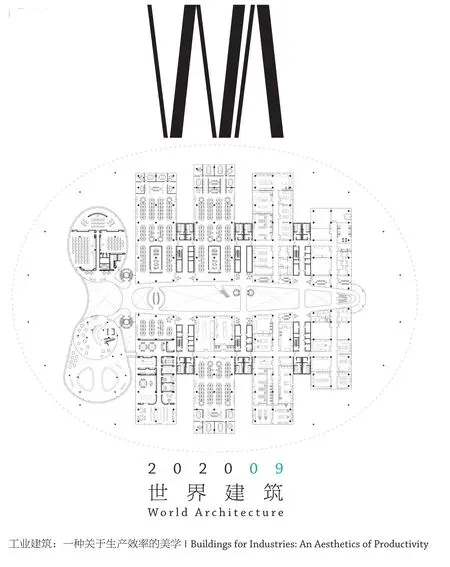
中國華錄電子有限公司,大連,中國
2020-09-28 10:34:44建筑設計黃星元
世界建筑 2020年9期
建筑設計:黃星元
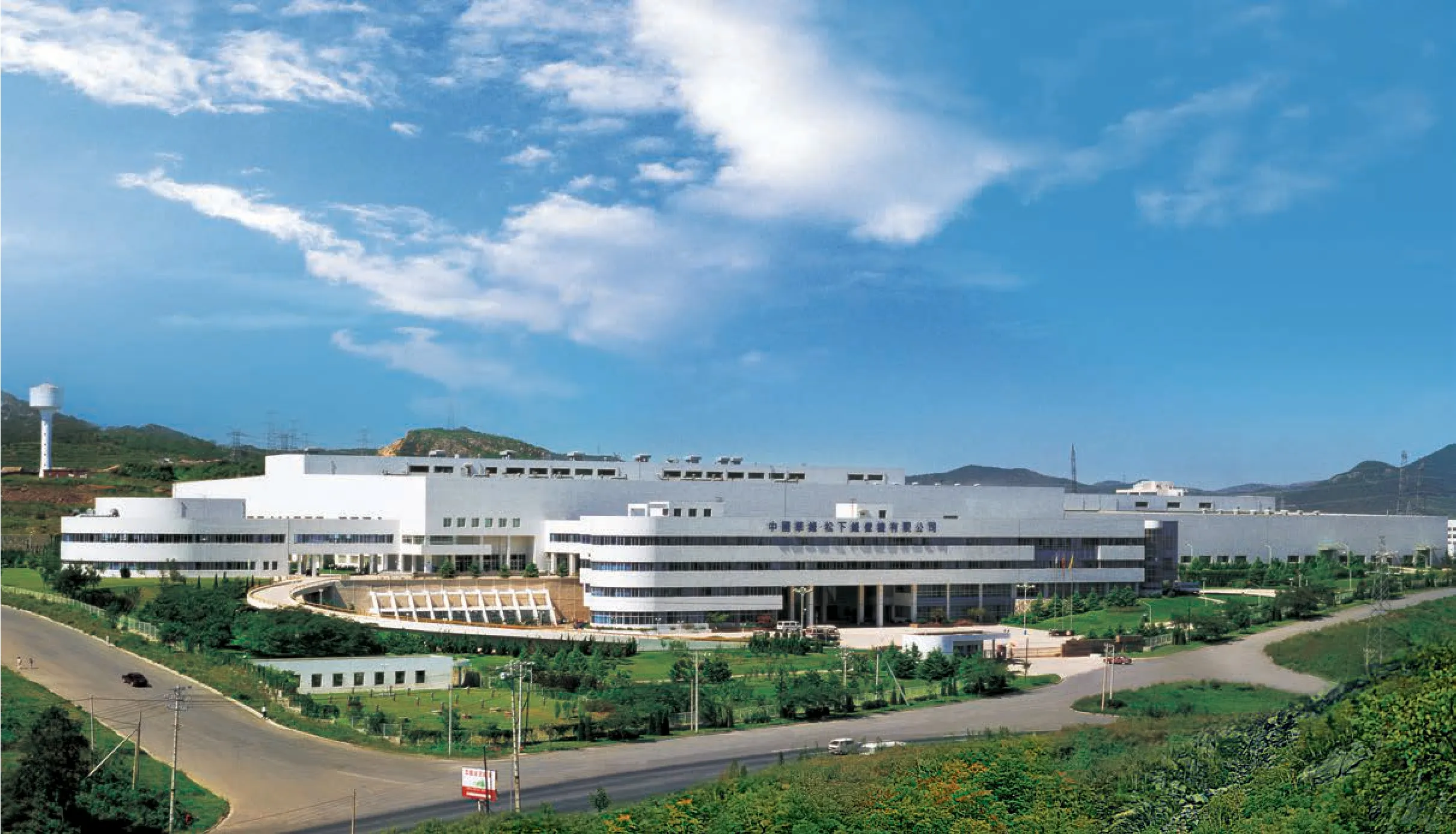
1 外景/Exterior view
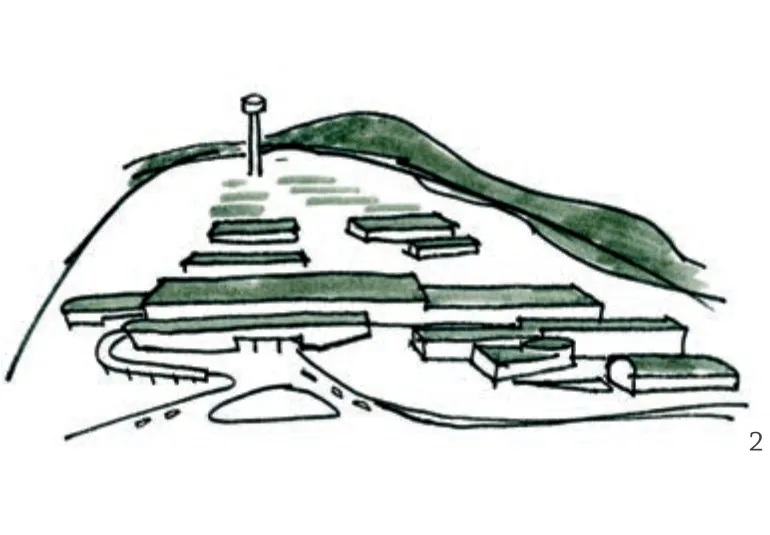
2 手繪/Sketch
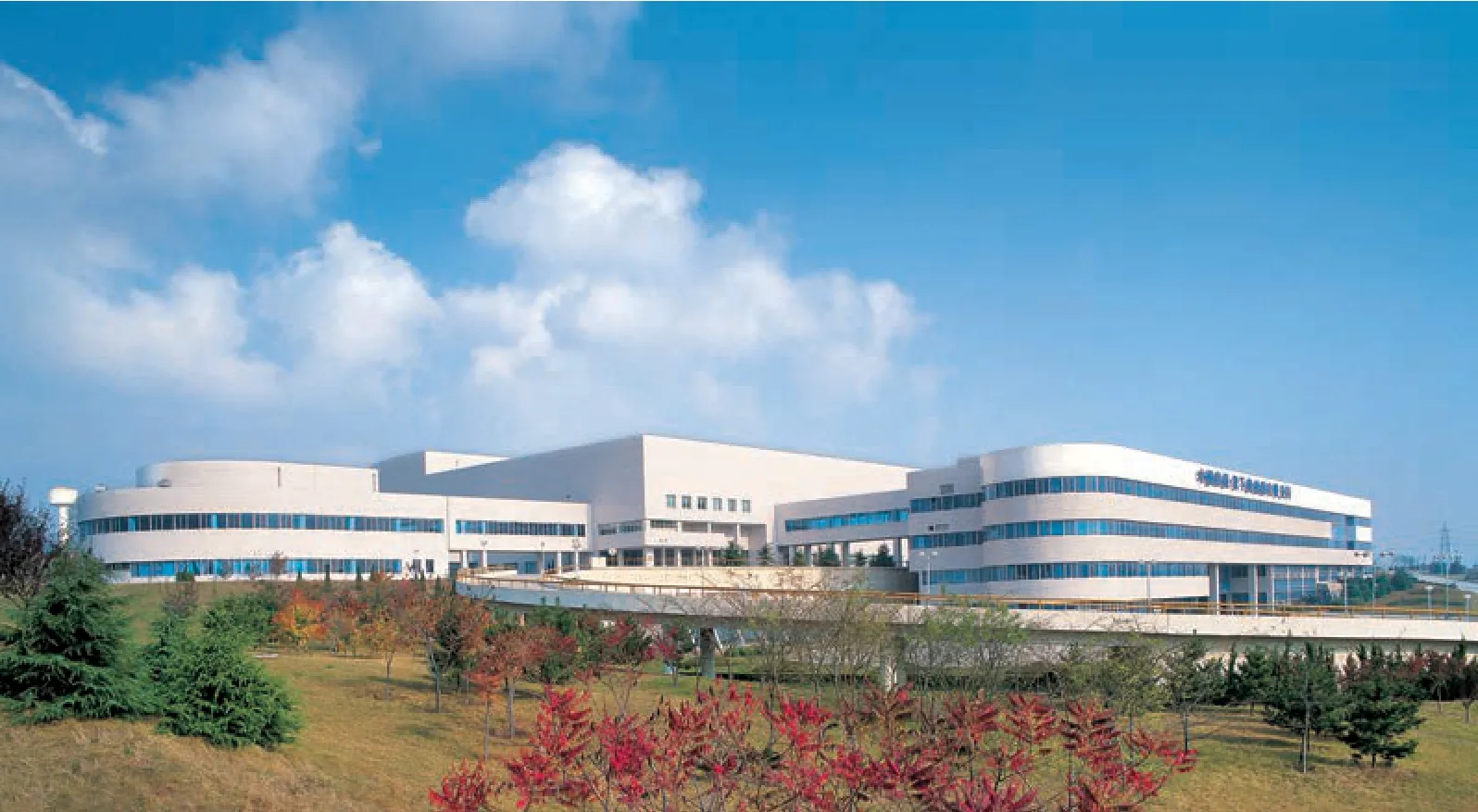
七賢嶺位于大連市以西25km,最初的現場是北高南低,巖石微露,溝壑穿插的自然地貌。建設用地面積約20hm2,主入口由城市道路向上逐漸升高至高差28m。20 年前建設的這座大型工業園區,證明了工業廠房可以選擇場地條件相對惡劣的丘陵坡地,把環境較好的用地留給城市的發展。建設過程結合地形,重新營建了道路系統和景觀環境,和諧地接納了這些工業設施,迎來場所的再生。
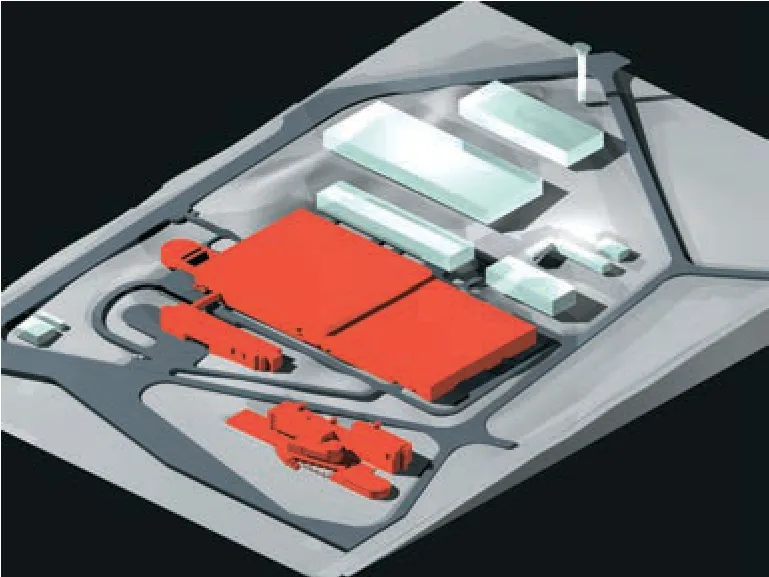
總體設計首先完成了3 個臺地逐步升高的地形整合,并且保證臺地面積足夠大,滿足布置大型綜合廠房的需求。
這是一座錄像機機芯與整機生產廠組合建筑,后來調整工藝為聲像元器件生產,工業廠房從平面看,可以達到幾個足球場的大小,超大和超長成為現代工業建筑空間發展趨勢,大空間給工藝生產帶來方便,大空間需要現代技術的支撐,是多工種相互矛盾和共同作業的需求,數公里長的傳送帶,數十公里長的各種管線,維系著龐大機體的運轉。
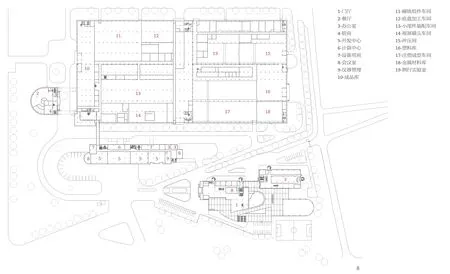
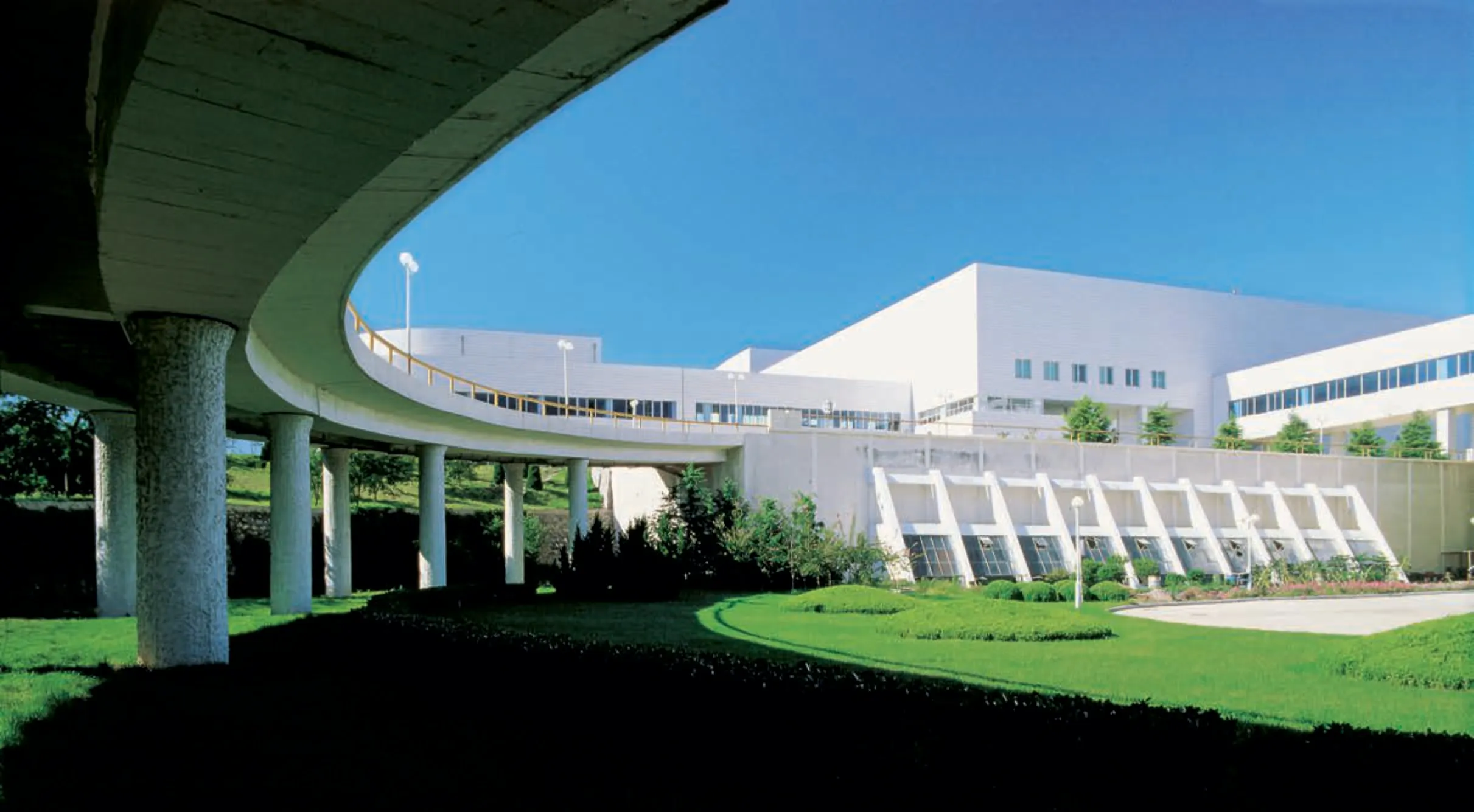
本設計將主廠房、辦公樓、輔助建筑、大餐廳組合在由南向北升高的3 層臺地上,設計采用階梯式布置,各建筑之間用連廊和引橋相連,創造了一個富有層次的建筑空間環境。生產運輸、物流、人流十分通暢,滿足了電子工業生產工藝聯系緊密和高潔凈度的生產需求,辦公樓采用分段錯層設計,廠前東側的斜坡道與西側的曲線引橋形成環路,可以到達高差9m 的第二臺地,辦公樓正立面中間開有大空洞,使廠前區與第二臺地的主廠房視線貫通,空間互相延伸。
大體量的主廠房、辦公樓和半圓形的大餐廳,通過二層連廊相通,在寒冷地區作業人員一日之內的活動,避免了更換外出服,提高了生產效率。
工業園區綠色群山環繞,以遠處山巒為背景,呈現了一幅現代工業建筑的宏大場景。
Qixianling is located 25 km west of Dalian. The site was originally a natural landscape descending from north to south, with exposed rocks and interspersed ravines. The site covers an area of about 20 hm2, and the main entrance gradually rises 28 m from the city road. This gigantic industrial park built 20 years ago is the proof that such industrial buildings could be located on hilly slopes with relatively harsh conditions, leaving high-quality land for urban development. Taking careful account of the terrain,the construction process rebuilt the road system and the landscape to embrace the industrial facilities and regenerate the place.
The overall design starts with the integration of three rising terraces, large enough to accommodate large-scale comprehensive factories.
It used to be a group of plants manufacturing video recorders and their cores, which were later adjusted to manufacturing audio-visual components.On the floor plan, the buildings look as large as several football fields. Oversize and overlength have become the trend for modern industrial buildings since large spaces are efficient for production. Large spaces, accommodating conflicting and common operation needs, rely greatly on modern technology.The conveyor belts of several kilometres long and various pipelines of dozens of kilometres long together maintain the operation of the mass.
The proposal places the main factory, office buildings, auxiliary buildings, and a large canteen on the three terraces that elevate from south to north.The buildings are arranged in a terraced layout and are connected by corridors and bridges, creating a multilayered environment. The circulations of production, logistics, and people are well organised to meet the needs of electronic production and cleanliness.The office buildings are designed in a segmented and staggered manner. The ramp on the east side of the plant and the curved approach bridge on the west side form a loop, taking people to the second terrace that is 9 metres higher. The office building has a large hole in the middle of its fa?ades, allowing spaces to extend and people to see through from the front area to the main plant on the second terrace.
The large-scale main plant, the office building,and the semi-circular canteen are connected through corridors on the second floor. Not needing change outfits, the staff working in this cold region can stay indoors all day and thus improve their working efficiency.
Surrounded by green hills, with distant mountains as the background, the industrial park presents a grand scene of modern industrial architecture. (Translated by MU Zhuo'er)
項目信息/Credits and Data
主創建筑師/Principal Architect: 黃星元/HUANG Xingyuan
設計團隊/Design Team: 侯海寶,周景溪,施昌,黃德明/HOU Haibao, ZHOU Jingxi, SHI Chang, HUANG Deming
場地面積/Site Area: 200,000m2
建筑面積/Floor Area: 95,000m2
設計時間/Design Time: 1992
竣工時間/Completion Time: 1993
攝影/Photos: 陳懷寧/CHEN Huaining
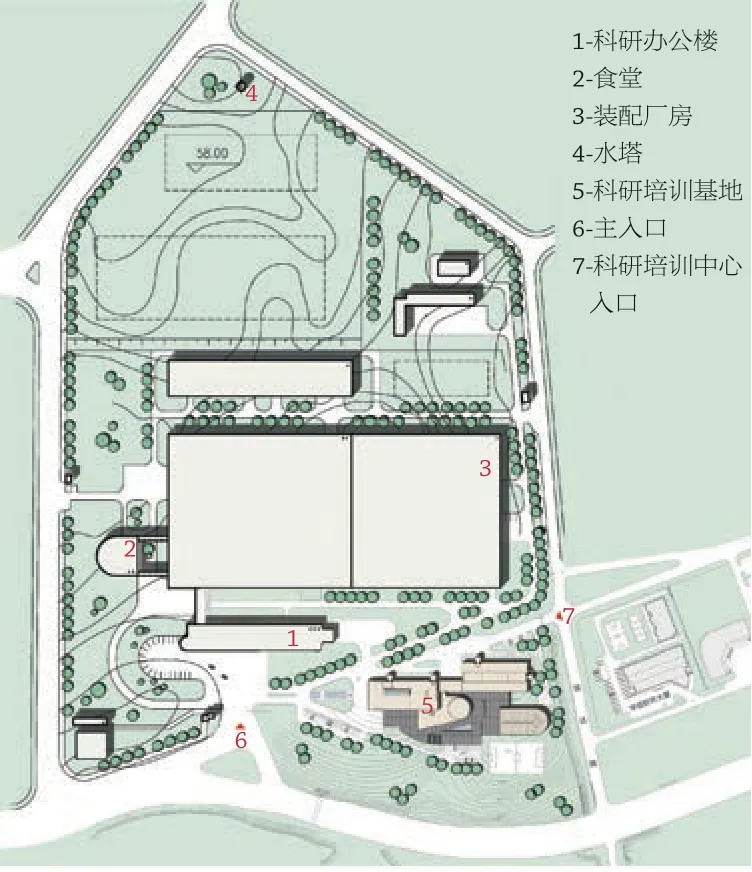
3 總平面/Site plan
4 外景/Exterior view
5 模型/Model

6 立面/Elevations

7 立面/Elevations
8 平面/Floor plan
9 引橋/Approach bridge
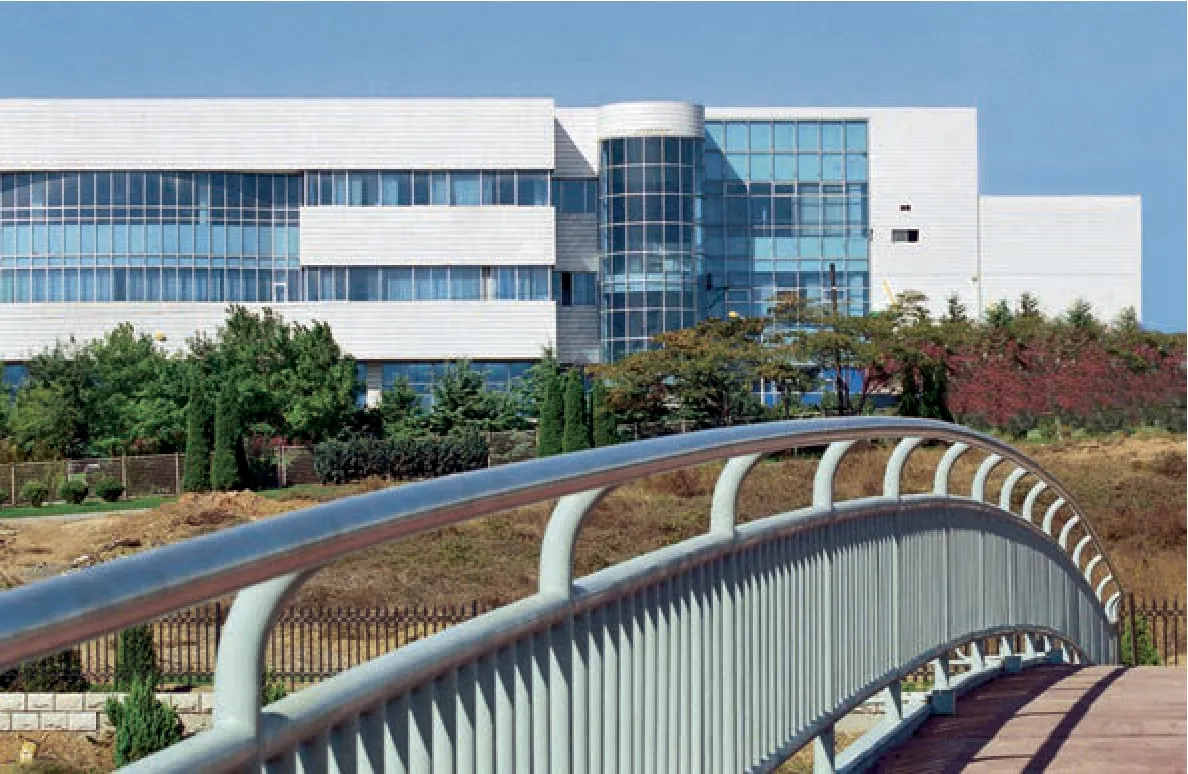
10 過街橋/Crossing bridge
猜你喜歡
北方建筑(2021年6期)2021-12-31 03:03:54
文苑(2020年10期)2020-11-07 03:15:36
現代裝飾(2020年7期)2020-07-27 01:27:42
現代裝飾(2020年6期)2020-06-22 08:43:12
現代裝飾(2020年4期)2020-05-20 08:55:08
流行色(2020年1期)2020-04-28 11:16:38
藝術啟蒙(2018年7期)2018-08-23 09:14:18
海峽姐妹(2017年7期)2017-07-31 19:08:17
Coco薇(2017年5期)2017-06-05 08:53:16
福建農業科技(2016年10期)2016-03-07 09:46:49