心理護理對泌尿外科患者術前心理焦慮癥狀的影響觀察
2020-11-09 09:08:31劉巖
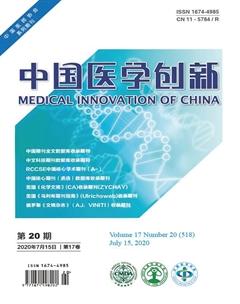
中國醫學創新 2020年20期
劉巖


【摘要】 目的:分析心理護理對泌尿外科患者術前心理焦慮癥狀的影響。方法:選取2016年8月-2019年8月本院收治的泌尿外科患者90例。借助雙盲隨機抽樣法將其分為對照組和試驗組,每組45例。對照組予以傳統護理干預,試驗組予以心理護理干預。比較兩組護理滿意度、心理焦慮、抑郁癥狀評分、應激反應指標、生活質量評分、術后舒適性、術后康復時間、術后下床活動時間及住院時間。結果:試驗組護理滿意度為95.56%,顯著高于對照組的82.22%,差異有統計學意義(P<0.05)。術前,試驗組焦慮、抑郁癥狀評分均低于對照組,差異均有統計學意義(P<0.05)。術前,試驗組的收縮壓、舒張壓、心率均優于對照組,差異均有統計學意義(P<0.05)。術前,試驗組的社會功能、軀體功能、情感職能及總體健康評分均高于對照組,差異均有統計學意義(P<0.05)。試驗組舒適度為97.78%,高于對照組的77.78%,差異有統計學意義(P<0.05)。試驗組的術后下床活動時間及住院時間均短于對照組,差異均有統計學意義(P<0.05)。結論:對泌尿外科患者予以心理護理干預優勢顯著,更易于提升患者的護理滿意度,提高其術后舒適性,改善應激反應指標、生活質量,縮短術后下床活動時間及住院時間,值得臨床推廣與采納。
【關鍵詞】 心理護理 泌尿外科 術前 心理焦慮癥狀
[Abstract] Objective: To analyze the effect of psychological nursing on preoperative psychological anxiety symptoms in urological patients. Method: A total of 90 urological patients admitted to our hospital from August 2016 to August 2019 were selected. They were divided into control group and experimental group by double-blind random sampling method, 45 cases in each group. The control group was given traditional nursing intervention, the experimental group was given psychological nursing intervention. Nursing satisfaction, psychological anxiety and depression symptom score, stress response index, quality of life score, postoperative comfort, postoperative rehabilitation time, postoperative ambulation time and hospital stay time were compared between the two groups. Result: The nursing satisfaction in the experimental group was 95.56%, significantly higher than 82.22% in the control group, the difference was statistically significant (P<0.05). Preoperative, the scores of anxiety and depression in the experimental group were lower than those in the control group, the differences were statistically significant (P<0.05). Preoperative, the systolic blood pressure, diastolic blood pressure and heart rate of the experimental group were better than those of the control group, the differences were statistically significant (P<0.05). Preoperative, the scores of social function, physical function, emotional function and overall health in the experimental group were higher than those in the control group, the differences were statistically significant (P<0.05). The comfort level of the experimental group was 97.78%, higher than 77.78% of the control group, the difference was statistically significant (P<0.05). The postoperative ambulation time and hospitalization time in the experimental group were shorter than those in the control group, the differences were statistically significant (P<0.05). Conclusion: Psychological nursing intervention for urological patients has significant advantages, which is easier to improve the nursing satisfaction of patients, improve their postoperative comfort, improve stress response indicators, quality of life, shorten the postoperative ambulation time and hospital stay time, worthy of clinical promotion and adoption.