How Do Seeds Travel? 種子是如何傳播的?
2022-05-30 10:48:04
時代英語·初中 2022年1期
關鍵詞:生長

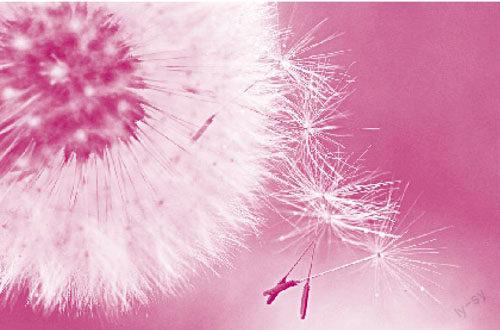
If you look closely at a puffy dandelion, you can see that the top of it is covered with fluffy seeds. When the wind blows by, or when you make a wish and blow all of the seeds away, you're helping those seeds travel somewhere new.
如果你仔細觀察蓬松的蒲公英,你會發現它的頂部覆蓋著輕軟的種子。當風吹過,或者當你許個愿,把所有的種子吹走時,你在幫助這些種子傳播到新的地方。
像這樣播撒種子對植物很有幫助。種子需要旅行,因為它們需要一個好的地方生長。植物通常一次性結出大量種子。如果種子都在母本旁生長,那么這些種子的生長空間就不夠。為了生長,大多數種子需要遠行。
And spreading seeds like this is really helpful for plants. Seeds need to travel because they need a good place to grow up. Plants tend to make a lot of seeds all at once. If they all tried to grow right next to the parent plant, there wouldn't be enough space for all of them. To grow, most seeds need to travel away.
So how do seeds travel? How a seed gets around depends on its structure, or what it looks like. For instance, the fluffy little tufts at the top of the dandelion seeds are like a kite or a feather. Their function, or their job, is to make the seeds fly!
那么,種子是如何傳播的呢?種子如何傳播取決于它的結構,或者說它的樣子。例如,蒲公英種子頂部毛茸茸的小簇毛就像風箏或羽毛一樣。它們的功能,或者說它們的工作,就是讓種子飛起來!
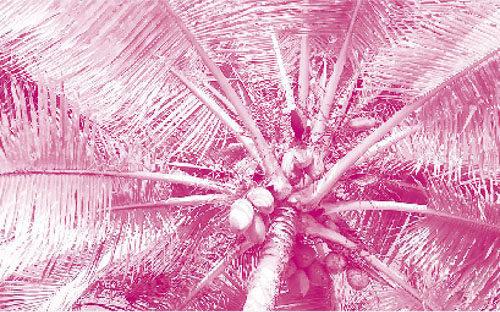
Other seeds might travel in totally different ways—like a coconut. Coconut palms tend to grow near water, so when the coconut falls down, it might end up in the water. Then, the coconut floats. It's a little bit like a boat. The coconut floats someplace new, and grows into a big coconut palm tree.
其他種子可能以完全不同的方式傳播——比如椰子。椰子樹通常生長在靠近水的地方,所以當椰子掉下來后,它可能最終會在水里。然后,椰子浮起來,有點像船。椰子漂浮到新的地方,長成一棵大椰子樹。
Some seeds travel using animal helpers—like burrs. If you open a burr, you'll find seeds inside. And the outside of the burr is covered with tiny hooked structures. These little hooks can stick to clothes, or fur or feathers. When burrs get stuck to an animal's fur, the animal usually carries them someplace new without realizing it.
一些種子借助動物傳播——比如帶芒刺的果實。如果你打開一個帶芒刺的果實,你會發現里面有種子。而帶芒刺的果實外部覆蓋著微小的鉤狀結構。這些小鉤子可以粘在衣服、毛皮或者羽毛上。當帶芒刺的果實粘在動物的毛皮上時,動物通常會無意識地將它們帶到新的地方。
Theres another way that animals can move seeds. Some animals, like squirrels, carry seeds of nuts away to eat later. Sometimes, they bury their seeds in the ground for safe-keeping. And if the squirrels forget where they put their seeds, the seeds grow into new plants. Lots of oak trees grow from acorns that squirrels forgot about.
Its amazing that there are different ways that seeds have to travel around. If you want to find out how the plants near you move their seeds, just look closely at what structure is covering those seeds. Do they have wings for flying? Or tiny hooks for sticking? Or maybe theres something else!
動物還可以通過另一種方式傳播種子。有些動物,比如松鼠,會把堅果的種子帶走,過段時間再吃。有時,它們會把種子埋在地下以保證安全。如果松鼠忘記把種子埋在哪里,種子就會長成新的植物。很多橡樹都是由松鼠遺忘的橡子長成的。
種子有不同的傳播方式真的令人驚訝!如果你想知道附近的植物是如何傳播它們的種子的,只要仔細看看這些種子外部的結構。它們有飛翔的“翅膀”嗎,還是有粘住東西的小鉤子?或許它們有別的東西!
Vocabulary
spread v.(現在分詞spreading)傳播function n.作用
structure n.結構;構造float v.(第三人稱單數floats)漂浮
feather n.羽毛stick v.(現在分詞sticking)粘貼;粘住
猜你喜歡
祝您健康·文摘版(2024年6期)2024-07-26 00:00:00
小讀者(2021年2期)2021-03-29 05:03:48
少兒美術(2020年3期)2020-12-06 07:32:54
現代裝飾(2020年11期)2020-11-27 01:47:48
中學生天地(A版)(2020年3期)2020-04-10 10:57:45
故事作文·高年級(2020年3期)2020-03-17 09:24:33
瘋狂英語·新悅讀(2019年11期)2019-12-18 05:14:16
華人時刊(2019年13期)2019-11-17 14:59:54
NBA特刊(2018年21期)2018-11-24 02:48:04
文苑(2018年22期)2018-11-19 02:54:14