
Traditional Tea Processing Techniques and Associated Social Practices in China
2023-03-18 06:54:16涂淑梅
瘋狂英語·初中天地 2023年2期
涂淑梅
2022 年,“中國傳統制茶技藝及其相關習俗”已列入聯合國教科文組織《人類非物質文化遺產代表作名錄》。至此,中國共有43 個項目列入聯合國教科文組織非物質文化遺產名錄、名冊,居世界第一。成熟發達的傳統制茶技藝及其廣泛深入的社會實踐,體現著中華民族的創造力和文化多樣性,傳達著茶和天下、包容并蓄的理念。
The tea that has delighted and1)fascinatedthe world for millennia has finally received top-level global2)recognitionas a shared cultural treasure of mankind.
“Traditional tea processing techniques and associated social practices in China” were added to UNESCO’sRepresentative List of the Intangible Cultural Heritage of Humanity.increasing the number of world intangible cultural heritages in China to 43.China maintains its No.1 position in the field.
The List of World Intangible Cultural Heritagehas recognized the knowledge,skills,and practices concerning the management of tea plantations,picking of tea leaves,and the processing,drinking and sharing of tea in China.
As a document from the Ministry of Culture and Tourism to UNESCO explained,tea is ubiquitous in Chinese people’s daily life.3)Steepedor boiled tea is served in homes,workplaces,tea houses,restaurants and so on.Tea is also an important part of social events and4)ceremoniessuch as weddings and praying to the ancestors.
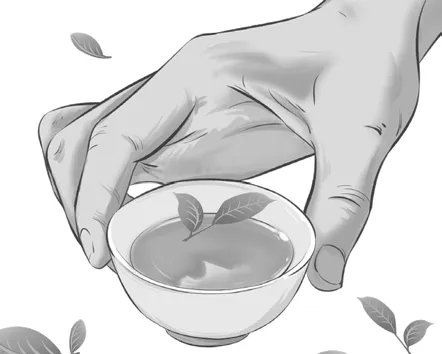
“The Practice of greeting guests and building relationships within families and among neighbors through tearelated activities is common to multiple ethnic groups,providing a sense of shared identity and continuity for the communities,” according to the official website of UNESCO.
Based on natural conditions and local customs,Chinese tea producers have developed six categories of tea—green,yellow,dark,white,oolong and black teas.Together with reprocessed teas,such as flower-scented teas,there are more than 2,000 tea products.5)Coreskills includeshaqing(enzyme inactivation),menhuang(yellowing),wodui(piling),weidiao(withering),zuoqing(leaves shaking and cooling),fajiao(oxidation or fermentation) andyinzhi(scenting).
Because various natural growing conditions are more suitable for certain types of tea,the different categories of tea are distributed into diverse regions around China.
China is a country with a time-honored civilization and a land of ceremony and6)decorum.Whenever guests visit,it is necessary to make and serve tea to them.
Before serving tea,you may ask them for their preferences as to what kind of tea they fancy and serve them the tea in the most appropriate teacups.In the course of serving tea,the host should take careful note of how much water is remaining in the cups and in the kettle.Usually,if the tea is made in a teacup,boiling water should be added after half of the cup has been7)consumed;and thus the cup is kept filled so that the tea retains the same8)bouquetand remains pleasantly warm throughout the entire course of tea-drinking.Snacks,sweets and other dishes may be served at tea time to complement the fragrance of the tea and to allay one’s hunger.
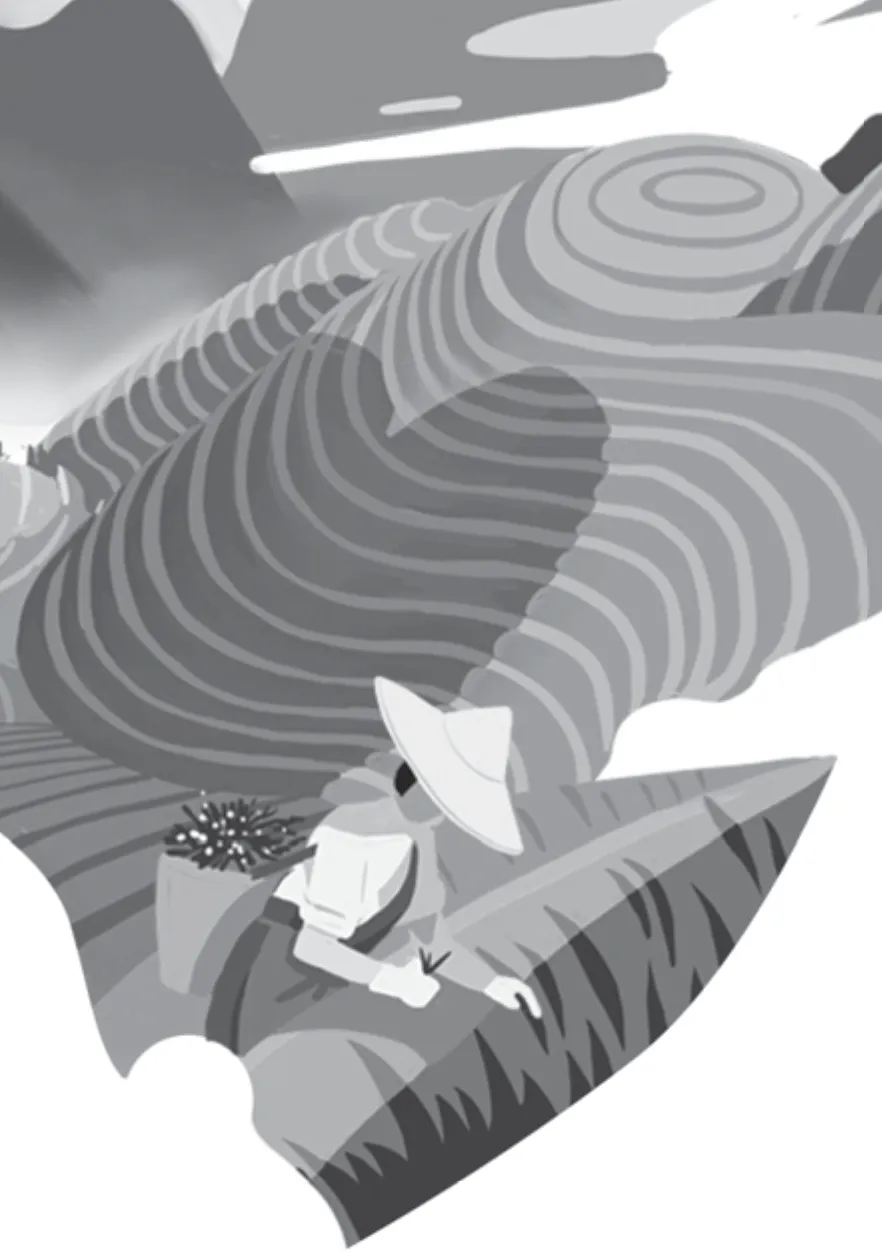
China’s tea culture has nurtured social practices,traditional skills and handicrafts and reflects Chinese people’s values of modesty,harmony and respect.
詞組加油站
cultural treasure 文化瑰寶
(be) based on 基于……;以……為依據
distribute into 將……分成;分發到……
1) fascinatev.深深吸引;迷住
2) recognitionn.認識;承認;認可
3) steepv.泡;浸
4) ceremonyn.典禮;禮節;儀式;禮儀
5) coreadj.核心的
6) decorumn.端莊得體
7) consumev.消耗;耗費
8) bouquetn.香味
數千年來,茶一直深受世界各地人們喜愛,如今,茶作為一種人類文化的瑰寶終于獲得國際認可。
“中國傳統制茶技藝及其相關習俗”被聯合國教科文組織列入《人類非物質文化遺產代表作名錄》,中國的世界非物質文化遺產數量增至43 項,居世界第一。
《世界非物質文化遺產名錄》對中國的茶園管理、茶葉采摘、茶的手工制作,以及茶的飲用與分享的知識、技藝和實踐給予肯定。
文旅部向聯合國教科文組織提交的一份文件稱,茶在中國人的日常生活中無處不在。人們采用泡、煮等方式,在家庭、工作場所、茶館、餐廳等場所飲茶。茶也是社交領域及婚禮、祭祀等儀式的重要組成部分。
據聯合國教科文組織官方網站稱:“通過與茶相關的活動,招待客人并在家庭內部和鄰里之間建立關系的做法,在許多民族中很常見,為人們提供了一種共同的認同感和連續性。”
制茶師根據自然條件和當地風俗習慣,運用殺青、悶黃、渥堆、萎凋、做青、發酵、窨制等核心技藝,發展出綠茶、黃茶、黑茶、白茶、烏龍茶、紅茶六大茶類及花茶等再加工茶,2000 多種茶品。
由于不同的自然生長條件更適合某些類型的茶,不同類別的茶分布在中國的不同地區。
中國是文明古國,禮儀之邦,很重禮節。但凡來了客人,沏茶、敬茶的禮節是必不可少的。
當有客人來訪,可征求客人意見,選用最合來客口味的茶葉和最適合的茶具待客。主人在陪伴客人飲茶時,要注意客人杯、壺中的茶水。通常,如果用茶杯泡茶,如已喝去一半,就要添加開水,隨喝隨添,使茶水濃度基本保持前后一致,水溫也適宜。飲茶時也可適當佐以茶食、糖果、菜肴等,達到調節口味和充饑之功效。
中國的茶文化孕育了社會習俗、傳統技能和手工藝,體現了中國人謙遜、和諧、尊重他人的價值觀。

