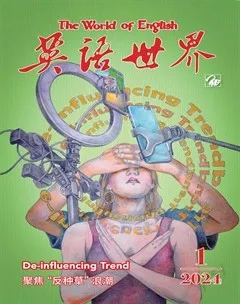
De-influencing: The Trend Putting Authenticity First“反種草”浪潮:真實至上
2024-01-23 08:09:30杰斯·比奇/文王香格/譯
英語世界 2024年1期
杰斯·比奇/文 王香格/譯
Be honest: how often does your social media scrolling lead to shopping? And how many of those things that TikTok made you buy did you actually need? Enter de-influencing, the TikTok trend flipping1 influencing on its head—and aiming to save our bank balances in the process.
老實說:你在瀏覽社交媒體時,有多少次是刷著刷著就去購物了?TikTok促使你買下的東西里,有多少是你真正需要的?“反種草”浪潮應運而生——這是TikTok上的趨勢,旨在顛覆“種草”,力圖在顛覆的過程中挽救我們的銀行存款。
There’s been an influx of TikTok beauty mishaps of late that have fueled a growing frustration at creators promoting products online that are misleading or, to put it bluntly, inconsiderate in light of the ongoing cost of living crisis. Take, for example, the “mascara gate” debacle2. US-based influencer Mikayla Nogueira posted a TikTok using the L’Oréal Telescopic Lash Lift Mascara but was accused of using false eyelashes in her review as part of a paid partnership. Neither Nogueira nor L’Oréal has commented on the post. Tarte Cosmetics was also criticized for treating influencers to a lavish, all-expenses-paid trip to Dubai, which sparked debate among fans as the sponsored posts felt unrelatable to many.
近來,TikTok上的美妝帶貨博主頻繁翻車。他們在線推廣具有誤導性的產(chǎn)品,或者,說穿了就是在目前的生活成本危機下,無視消費者利益的產(chǎn)品。人們對這類博主的不滿情緒加劇。以“睫毛膏門”這一“塌房”事件為例,美國網(wǎng)紅米凱拉·諾蓋拉在TikTok上發(fā)布了一條付費合作的測評視頻,測評的產(chǎn)品是歐萊雅的纖長提拉睫毛膏,但觀眾指責她在視頻中貼了假睫毛。諾蓋拉和歐萊雅都沒有對此作出回應。美妝品牌Tarte還因給網(wǎng)紅免費提供奢華的迪拜之旅而受到抨擊。此舉之所以引發(fā)粉絲熱議,是因為那群網(wǎng)紅發(fā)布的付費合作內容令許多人感到無法認同。
As a result, social media users have taken it upon themselves3 to rebel against the wave of mass consumption in a bid to reclaim control over their feeds. This has spread outside of the app, too, with Reddit threads4 popping up where users share the products they don’t think are worth the hype. But what actually is de-influencing, how is it different from influencing, and will it last? We ask a content creator and marketing expert to break it down.
由此,社交媒體用戶開始自發(fā)地反抗大規(guī)模消費浪潮,試圖奪回對推送信息的控制權。這股反擊熱潮也蔓延到了TikTok之外。Reddit網(wǎng)站上突然涌現(xiàn)出許多相關主題的討論帖,很多用戶分享了他們認為名不副實的商品。那么,“反種草”究竟是什么?與“種草”有什么區(qū)別?這股浪潮會持續(xù)下去嗎?我們請一位內容創(chuàng)作者兼營銷專家來解析一下。
What is de-influencing?
“反種草”是什么?
De-influencing is the TikTok trend with hundreds of millions of views that’s challenging the hype around so-called cult products by telling you what you shouldn’t buy, instead of what you should. It’s a response to a few different things, including a general feeling of overconsumption (you don’t need more stuff just because TikTok says you do) and the cost of living crisis.
“反種草”是TikTok上瀏覽量數(shù)以億計的熱門話題,通過告訴你什么不該買而不是什么該買,抨擊圍繞所謂網(wǎng)紅產(chǎn)品進行的炒作。“反種草”還對幾種現(xiàn)象作出了回應,比如人們普遍感知到的過度消費(TikTok推薦消費者購買超出實際需求量的商品)和生活成本危機。
“People are experiencing a general social media fatigue at the moment,” says makeup artist and beauty content creator Rose Gallagher. “Originally, user-generated content was so popular because people tended to share thoughts on things that they had purchased themselves with no real connection to the brand. Now, with so much to be gained from giving a rave review, it has become harder to tell the genuine reviews from those influenced by the potential for earning.”
“人們現(xiàn)在普遍對社交媒體感到厭倦。”化妝師兼美妝博主羅絲·加拉格爾表示,“一開始,用戶原創(chuàng)的內容之所以如此受歡迎,是因為人們大多分享的是自己對所購商品的主觀想法,與品牌本身沒有實際的聯(lián)系。如今,人們能從發(fā)表熱情洋溢的好評中獲得不少收益,于是從受潛在收益影響的評論中分辨出真正的好評已經(jīng)變得越來越難。”
This isn’t the first time there’s been a backlash against promotional content. “I think de-influencing is in some ways similar to when ’90s magazine editors started to editorialize content and not always write about their advertisers,” says CEO of the British Beauty Council and cofounder of PR agency Brandstand Communications, Millie Kendall. “Content creators with integrity, whether that’s magazine editors or influencers, will always try to set their content apart from what they deem to be lacking in honesty. I think it’s important because it sets a level playing field for brands that can’t afford to convince someone to feature their content without paying for the privilege.”
這已經(jīng)不是推廣內容第一次受到強烈抵制了。英國美容協(xié)會首席執(zhí)行官、公關公司Brandstand Communications聯(lián)合創(chuàng)始人米莉·肯德爾說:“我覺得‘反種草’在某些方面類似于20世紀90年代雜志編輯開始發(fā)表評論,而非總寫有關廣告商的內容。無論是雜志編輯,還是網(wǎng)紅,只要是以誠信為準則的內容創(chuàng)作者,總會盡力將自己的創(chuàng)作與他們認為不夠誠實的內容劃清界限。我認為這一點很重要,因為如此便為品牌提供了一個公平競爭的環(huán)境,讓花不起特約費用請人專門為自己推廣的品牌也可參與其中。”
How is de-influencing different from influencing?
“反種草”與“種草”有何區(qū)別?
It sounds progressive, but once you scratch the surface5, there isn’t a huge difference between influencing and de-influencing. “De-influencing is a bit of a false commodity,” says Kendall. “It’s still influence but it’s telling people what not to buy.” While TikTokers may be warning consumers away from expensive or well-known products, some continue to influence by telling consumers what they should buy instead. For example, buying a heated roller set on Amazon over the Dyson Airwrap—this is still suggesting products with sweeping6 promises.
“反種草”這個概念聽起來標新立異,但只要略探究竟,你就會發(fā)現(xiàn)它與“種草”并沒有多大區(qū)別。“‘反種草’有點名不副實。”肯德爾指出,“‘反種草’也是對他人施加影響,只不過是告訴大家什么不該買罷了。”雖然TikTok博主們可能是在“勸退”消費者購買昂貴或熱門的商品,但其中一部分人依然在通過推薦替代品來影響消費者。例如,不要購買戴森多功能美發(fā)棒,但可以在亞馬遜網(wǎng)上購買加熱卷發(fā)筒套裝——此舉仍然是用籠統(tǒng)的承諾向消費者推薦商品。
Cynically speaking, de-influencing is a good strategy for influencers and brands. Rising living costs mean consumers are less likely to splurge7 on big-ticket8 items, which means the influencers promoting them are less likely to generate affiliate revenue. Pivoting to promoting cheaper products plays into the so-called “Lipstick Effect9,” where people treat themselves to little luxuries, instead of indulgences, during times of economic uncertainty.
諷刺的是,“反種草”無論對網(wǎng)紅還是品牌方都是個不錯的策略。生活成本不斷增長意味著消費者不太可能在高價商品上揮金如土,進而使為其帶貨的網(wǎng)紅更難獲得合作收益。網(wǎng)紅們轉而推廣更便宜的產(chǎn)品,正符合所謂的“口紅效應”,即在經(jīng)濟不穩(wěn)定時期,人們會購入低價奢侈品款待自己,而不是放縱自己大肆消費。
Being honest and authentic has the potential to pay off, too. While criticizing big brands may reduce an influencer’s chances of landing a new deal in the short term, it also may increase their long-term reach as they gain a reputation for being trustworthy. Sparking debates over whether a product works or not can also drive sales for brands, as consumers respond by wanting to try it for themselves. It is also important to remember that not all influencers are financially stable enough to be immune to rocketing bills, and all the influencers will need to adapt their content to these changing and challenging times.
保持誠實可信也有可能得到回報。批評大品牌或許會在短期內減少網(wǎng)紅簽訂新商單的機會,但也會增強他們的長期影響力,因為此舉為他們贏得了信譽。引發(fā)關于某產(chǎn)品是否有效的爭論也可以拉動品牌的銷量,因為消費者會想要親自嘗試。同樣重要的是,要記住并非所有網(wǎng)紅都有穩(wěn)定的經(jīng)濟實力,能泰然面對飛漲的賬單,他們都需要調整自己發(fā)布的內容來適應這個不斷變化又充滿挑戰(zhàn)的時代。
What is different about de-influencing is encouraging consumers to take a moment to think about whether they need a product and whether it’s right for them versus whether they’re simply being influenced because it’s new, popular, or exciting. This is part of a bigger movement in beauty. “There is also the paring back10 of regimens, the ingredient diet, the skin minimalism, and the stripping back11 of excess linked to sustainability and overconsumption,” says Kendall. “This is a positive approach to marketing.”
“反種草”的不同之處在于,它鼓勵消費者花些時間來思考自己是否真的需要某件商品,這件商品是否適合自己,而不能僅僅因為它新穎、流行、令人激動就被“種草”。“反種草”是美妝行業(yè)巨大變革的一部分。“人們還減少了養(yǎng)生的操作,選擇單一成分飲食和極簡護膚,摒棄了違背可持續(xù)性和助長過度消費的無節(jié)制行為。”肯德爾表示,“這是一種積極的營銷方式。”
(譯者為“《英語世界》杯”翻譯大賽獲獎者;單位:上海對外經(jīng)貿大學)
1 flip翻轉,此處指顛覆。? 2 debacle大敗;垮臺;災禍。
3 take upon oneself主動承擔某項任務或責任。? 4 thread(互聯(lián)網(wǎng)留言板上的)系列相關信息,主題帖。
5 scratch the surface of sth作膚淺的探討;淺嘗輒止;觸及表面。
6 sweeping籠統(tǒng)的;一概而論的。? 7 splurge揮霍。? 8 big-ticket昂貴的。? 9 lipstick effect口紅效應,指因經(jīng)濟蕭條而導致口紅熱賣的一種有趣的經(jīng)濟現(xiàn)象,也叫“低價產(chǎn)品偏愛趨勢”。
10 pare back逐步減小(數(shù)量或體積);使縮小。? 11 strip back(特指音樂等)回歸本質,只保留最簡單的形式。
猜你喜歡
科學大眾(2022年11期)2022-06-21 09:20:52
今日農業(yè)(2020年20期)2020-12-15 15:53:19
瞭望東方周刊(2017年34期)2017-09-13 17:13:26
臺聲(2016年2期)2016-09-16 01:06:53
發(fā)明與創(chuàng)新(2016年16期)2016-08-21 13:56:16
發(fā)明與創(chuàng)新(2016年21期)2016-05-17 03:57:29
Coco薇(2015年1期)2015-08-13 02:23:50
玩具(2009年10期)2009-11-04 02:33:14
個人電腦(2009年9期)2009-09-14 03:18:46
舒適廣告(2008年9期)2008-09-22 10:02:48