
御侮誰不憶?桃渚
2012-04-29 03:33:31戚小宗
文化交流 2012年8期
戚小宗
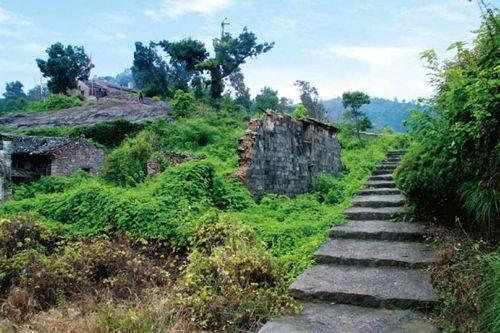
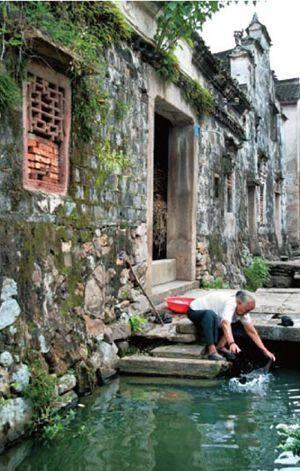
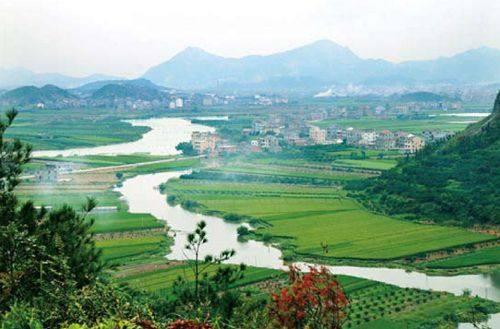
在浙江東南一隅的臨海去大海方向再向東約60公里,在經濟發達地區的鋼筋水泥樓群城鎮和四通八達的柏油馬路中,奇跡般地孤懸著一座規模不大的明代古城。它,名叫桃渚。
公元1562年,抗倭名將戚繼光以桃渚為根據地,在臺州九戰九捷之后,奉命調任福建。后世的史學家都認為,這一年,是明代抗倭歷史由守轉攻,最終獲得勝利的轉折點。
光陰變換,斗轉星移,到今天,恰好是450周年。而我,作為戚繼光將軍的第23代嫡孫,來到了這座東鄰滄海的古城,重走祖先的赫赫戰功之路,也從這座古城,重讀了戚繼光生命最后的三個十年。
1562,青年才俊的光耀之地
曾有人告訴我,桃渚城是整個南中國最適合遐想的地方。
“遐想”一詞,有著十分復雜的內涵,既代表了豐沛的歷史內蘊,也代表了鉛華散盡的落寞。
和想象的有些不一樣,抗倭古城比影視作品里看到的那些城防要塞要小,到了桃渚鎮,車子一拐彎,城門和石墻展現眼前的時候,甚至有點失望。
冷靜下來,努力使自己以冷兵器時代的眼光來看,這的的確確是一座堅不可摧的四方城堡。明正統八年(1443)為抗擊倭寇而建設的這個千戶所所城,周長1366米。北面是山,東、西、南三座古城門城墻現在都基本保存完好。
走進桃渚石頭城,感覺街道不是很規則,和當地人一聊,原來街道不筆直而建、是為呈現“龍”型。主街兩邊的巷道,都不對稱呼應直通,而是插齒交叉,為的是防敵長驅直入,便于城內軍民隱蔽、出擊。
漫步桃渚城內,可以說街巷至今仍保持著明清風貌。在街上亂轉,一家屋檐的木雕就讓人嘆為觀止:不僅僅是花鳥魚蟲,還有郭子儀祝壽、趙公明送財這些有頭有尾的歷史形象。
據說,城中的居民有的就是戚家軍的后裔。這我沒有考證,不過,我愿意相信這是真的。一戶人家聽說我姓戚,很熱情地迎我進去小坐,端茶泡水,親近溢于言表。他們說,只要我亮出自己的姓氏,每一個桃渚人都會拿出最好的香茶和最美味的飯菜款待我。
古城四周的城墻,如今已經變成孩子們的玩鬧場所。戚繼光曾經的揮斥方遒,只有發揮想象去遐想。
嘉靖三十四年(1555),年方28歲的戚繼光,因為蒙古族俺答汗率部進犯時展露的軍事才華被中央軍官賞識而派駐浙江。當時,倭寇猖獗到令后人難以想象的地步:大舉入侵時,常常集結30至50艘可以裝載百人的大船,人數多達幾千;盛時,可以有2萬人據守占領區內的軍事要地;劫掠的物品不限于金銀珠寶,還把當地人作為奴隸運往日本,甚至大批搜集蠶繭并勒令婦女們抽絲。
在戚繼光到任之前,對于倭寇的蹂躪,百姓的悲觀和惶惑遍布于濱海各省。翻看當年的歷史,有些事情簡直令人不可思議。歷史學家黃仁宇先生的《萬歷十五年》記載,一股50至70人的海寇竟創造了一個“奇跡”:他們登陸后到處殺人越貨,如入無人之境,竟越過杭州北新關,經淳安入安徽朗縣,迫近蕪湖,圍繞南京兜了一個大圈子,然后趨秣陵關至宜興,退至武進。以后雖然被殲,但是被他們殺傷的百姓據稱竟有4000之多。
戚繼光到任之后,情況大為改觀。他以3000名士兵從桃渚開始,屢次攻堅、解圍、迎戰、追擊,而從未在戰斗中被倭寇擊潰。1562年離開浙江前,戚家軍壯大為1萬人。之后,繼任者的勝利紀錄無出其右。
而且,戚繼光還在臨海建造了煌煌壯觀的城墻,首創了空心敵臺的建筑形制。很多人認為,戚繼光在臺州府的創意,最早就來自于他曾經作為根據地的桃渚城。
1572,興修長城的師范藍本
從浙江調任后,戚繼光又在福建、廣東轉戰數年。蕩平沿海倭寇之后,40歲那年,戚繼光奉命回京,加強北方防衛,抵御當時對明王朝威脅最大的北方韃靼。
隨后幾年,戚繼光做了一件在中國歷史上再次書寫濃墨重彩之筆的事情—修建明長城。今天北方的明長城北京八達嶺、慕田峪、司馬臺、古北口,天津黃崖關,河北山海關附近的老龍頭、角山等很多地段,都是按照他的規劃設計加以改進增筑過的。
1572年,薊門一帶長城的全部工程完成。史料記載,全部經費僅是估計造價的一半。在1017座御敵臺上,戚繼光配置了固定的臺軍。他又著《哨守條約》,令各臺官兵傳習,時刻提防邊警。他還把各種敵情信號編成通俗順口的《傳烽歌》,讓守軍背誦記熟。也是在這年,戚繼光完成了軍事著作《練兵實紀》。
如今,東起山海關、西至山西黃河邊的長城依然完整地保存著,像條巨龍起伏于崇山峻嶺之間,蜿蜒曲折,連綿不斷,烽堠敵臺,氣勢磅礴,蔚為壯觀。
我沒有去過八達嶺,但曾經登臨過河北山海關長城、也遠眺過山西雁門關長城。那高下相間、突兀參差的形貌,和臨海古城墻以及桃渚古城,確有不少相似之處。無怪乎今年剛剛過世的建筑學家羅哲文先生曾說,臨海古城是明長城的師范和藍本。
在臨海期間,精于歷史的臨海市委宣傳部部長盧如平拿出他的專著《戚繼光與“南北長城”》贈給我,并娓娓談起了戚繼光的話題。他說,在任薊鎮總兵時,戚繼光把臨海修筑城防的經驗,運用到北方長城的增擴加強上。他特抽調了曾經參加修建桃渚要塞、改建臨海城墻的“三千江東子弟兵”充任領工、監理和技術指導。所以,今天當地人也把臨海古城叫做“江南長城”。
今天,當我再次站立在桃渚古城上時,又怎能不憶起這座城墻對祖先一生的境遇產生多么大的影響。
1582,集結詩文的夢里故鄉
“霜角一聲草木哀,云頭對起石門開。朔風虜酒不成醉,落葉歸鴉無數來。但使玄戈銷殺氣,未妨白發老邊才。勒名峰上吾誰與,故李將軍舞劍臺。”
這是今天還珍藏在臨海圖書館里的《戚繼光詩文全集》中一首戚繼光晚年—1582年所作的七律。詩中,除了一身膽氣的慷慨陳詞、對早年在臨海桃渚抗倭那些光輝歲月“玄戈銷殺氣”的追憶之外,還能讓人隱隱約約感覺到,一員失勢老將的落寞之情。
萬歷十年(1582),注定是不平常的一年。
這年六月,被譽為股肱忠臣、對戚繼光欣賞有加的內閣首輔張居正在北京去世。隨即而來的政治壓力直接影響了戚繼光在軍隊中的影響力——他最引以為左膀右臂的弟弟戚繼美遠調貴州。
也許是感到自己政治軍事生命的即將完結,當年九月,戚繼光把歷年所寫詩文集成五卷,即《橫槊稿》三卷、《愚愚稿》二卷,合稱《止止堂集》。此集在戚繼光生前即已刊行,此后又有多種刻本,流傳至今。除了總結平生的境遇之外,還有不少作品是年輕時抗倭過程中所作。
比如《望闕臺》:“十年驅馳海色寒,孤臣于此望宸鑾。繁霜盡是心頭血,灑向千峰秋葉丹。”字里行間,盡是一位年輕軍官的恢弘大志。
我想,彼時總結自己一生作品的戚繼光,一定想起了他在桃渚抗倭及揚名的歲月,以及對遠在江南的那片夢里故鄉的追憶之情。
可惜,一直到去世,他都沒有再踏上過這片曾經浴血奮戰過的土地。
三年后的1585年,58歲的戚繼光上疏請求引退回鄉。又三年后,他在山東蓬萊老家完成了修立家廟、延師教子等一系列福蔭子孫的事情之后壽終正寢。
不知這位縱橫捭闔一生的大帥彌留之際,是否想到了臨海,想到了影響他一生的桃渚古城?
也許桃渚戚繼光紀念館門口那幅“懷古何須游赤壁,御侮誰不憶桃渚”的門聯,已經給出了答案。□
(本文攝影:吳勇韜)
Ancient Fortress Commemorates Hero
By Qi Xiaozong
Taozhu may look anachronistic among the scene of urban sprawl and highways in Linhai, a well-developed city in southeast of Zhejiang, a coastal province in eastern China. Located about 60 kilometers from Linhai, it is a defense fortress built in the Ming Dynasty (1368-1644). The fortress is all about Qi Jiguang (1528-1588) and the history of defeating Japanese pirates which had been harassing China for centuries.
I paid a visit to Taozhu recently for two reasons: the year 2012 marks the 450th anniversary when General Qi Jiguang was transferred to Fujian, a province in the south, to continue fighting the Japanese pirates after he had wiped out Japanese pirates in Zhejiang; I am a 23rd-generation descendant of General Qi. I came to the small city to review the last three decades of the national hero.
The Year 1562
The year marked the turning point in Chinas century-long campaign against Japanese pirates. Based in Taizhou, Zhejiang, General Qi launched nine campaigns against Japanese pirates and all the campaigns were victorious. Historians agree that from that year on, China turned to offense in fighting Japanese pirates.
It is said that Taozhu is the most suitable place in the south of China to let ones imagination go wild. I agree. Historical imagination here means a long story of vicissitudes to recall and feel after all the dust settled a long time ago.
To my disappointment, Taozhu Town looks quite small in sharp contrast -to all the great ancient fortresses I had seen in movies and televisions. On second thought, I realized that it was indeed an impregnable defense structure in the era of cold weapons. Built in 1443, the fortress measures 1,366 meters around with mountains on the north side. The three gates in the east, west and south still stand. Walking around inside the walled town, I soon became aware of the irregular lengths of the streets. Local people explained that all the streets come together to take the form of the Chinese character 龍 (dragon). The streets are crisscrossed and staggered so that enemy soldiers, once inside the fortress, would not be able to drive through easily and defenders would have a good chance to fight a house-to-house battle.
The streets and lanes keep the ancient shape and style. It is said that there are some descendants of General Qi still living in the fortress town. I did not investigate but tended to believe it was true. I was warmly invited into a house and given a cup of tea after someone learned that I was surnamed Qi. The host explained that the surname would open all the doors in Taozhu.
The ancient wall has become a playground for local children. It would be hard to imagine how Japanese pirates had been a scourge to coastal provinces in China. The pirates invaded. Sometimes a troupe might be 20,000 soldiers. They looted and killed; they grabbed local people and sold them as slaves to Japan. The 28-year-old Qi Jiguang arrived in Taozhu in 1555. He headed a force of 3,000 soldiers. He scored one victory after another. Before he left Zhejiang in 1562, the army was expanded to 10,000.
The Year 1572
After successful military campaigns in Zhejiang, Qi drove the pirates into the sea in Fujian and Guangdong. In 1568, the 40-year-old general was summoned back to Beijing, the capital of the Ming Dynasty, to strengthen the defense against Tartar invaders in the north. In the following years, he rebuilt the Great Wall, now generally known as the Great Wall of the Ming.
The sections of the Great Wall of the Ming around Beijing can still be seen today. It is said that they were built on the blueprint prepared by Qi Jiguang. Actually, Qi Jiguang had built a miniature great wall in Linhai, which still stands today. He supervised the Great Wall project in the north. He appointed 3,000 soldiers who had taken part in building the great wall in Linhai to be supervisors and technicians in the project in the north.
In 1572, a big part of the Great Wall near Beijing was completed at half of the estimated cost. Qi Jiguang deployed soldiers at 1,017 watchtowers along the extending defense work. Qi Jiguang wrote a full list of code signals for relaying military information accurately and fast in case of emergency and all the defense soldiers learned the code signals by heart. Also in 1572, he finished writing Records of Troop Training, a book on military strategies and tactics.
The Year 1582
It was an eventful year. Zhang Juzheng (1525-1582), the prime minister of Emperor Wanli, passed away. The death produced serious political consequences. Qi Jiguang was one of the people Zhang had trusted and supported for years. After the prime ministers death, Qi Jiguangs younger brother Qi Jimei, who had been with him all these years, was exiled to a government post as far as Guizhou in southwestern China. Qi Jiguang himself was demoted to a military position in Guangdong in southern China. In September 1582, he went through all of his manuscripts written over years and edited them into five volumes. Before he passed away, the collected works had been published. The collection was reprinted many times in the past. His works can still be read today. The collection includes essays about his life and career and many were written in military campaigns against Japanese pirates.
In 1585, the 58-year-old Qi Jiguang submitted a plea for retirement. In his last years, he had the family temple erected and appointed a teacher for his children. He died in poverty in Penglai, Shandong Province.
He never came back to Taozhu, but Taozhu remembers him and his victories. The city now has a Qi Jiguang Memorial.□
