外源鐵對不同品種番茄光合特性、品質及鎘積累的影響
2015-06-12 12:37:35徐衛紅王崇力熊仕娟謝文文熊治庭王正銀謝德體
植物營養與肥料學報 2015年4期
楊 蕓, 周 坤, 徐衛紅*, 江 玲, 王崇力,熊仕娟, 謝文文, 陳 蓉, 熊治庭, 王正銀, 謝德體
(1西南大學資源環境學院,重慶 400715; 2武漢大學資源環境學院,武漢 430079)
外源鐵對不同品種番茄光合特性、品質及鎘積累的影響
楊 蕓1, 周 坤1, 徐衛紅1*, 江 玲1, 王崇力1,熊仕娟1, 謝文文1, 陳 蓉1, 熊治庭2, 王正銀1, 謝德體1
(1西南大學資源環境學院,重慶 400715; 2武漢大學資源環境學院,武漢 430079)

鐵鎘交互; 光合特性; 番茄品質; 鎘累積; 鎘形態
鎘是生物毒性最強的重金屬,其在環境中化學活動性強,移動性大,毒性持久[1-2],土壤中的鎘通過植物根系吸收和體內轉運最終在植物可食部分中積累,進而通過食物鏈的富集作用而對人體健康產生影響[3]。土壤環境中的鎘主要來自工業廢物排放、污水灌溉、大氣沉降和長期施用磷肥。隨著我國工農業的發展,化肥、農藥和污泥等的大量施用以及工業廢水和重金屬的大氣沉降的增加,菜田土壤中Cd含量明顯增加。植物組織中Cd濃度積累到一定水平時,就會表現出毒害癥狀,嚴重時甚至會導致植物死亡[4],影響作物的產量和品質[5]。
重金屬污染土地的治理主要有客土法、石灰改良法、化學淋洗法等和植物修復技術等方法[6-10]。近年來,利用競爭性陽離子與Cd2 +的拮抗效應來抑制鎘吸收或轉移到作物可食部位中的農藝調控方法,已逐漸成為鎘污染治理研究的焦點[11]。Shao等[12]報道,土壤加入鐵肥后水稻根、莖和果實的Cd含量顯著減少。但也存在相反的報道[13]。番茄(LycopersiconesculintumMill.)是人們喜食的果菜之一,在我國各地也均有栽培。有研究表明番茄對Cd耐性和吸收富集方面存在基因型差異[14]。但鐵對不同番茄品種果實品質、Cd積累及化學形態的影響報道較少。本研究在人工模擬鎘污染土壤條件下,采用盆栽試驗研究了葉面噴施不同濃度的Fe對不同品種番茄生長、光合特性、果實品質、Cd積累及化學形態的影響,旨在為鎘污染土壤上番茄的安全生產提供理論依據。
1 材料與方法
1.1 供試材料
供試作物為番茄(SolanumlycopersicumMill.),由重慶市農業科學院蔬菜花卉所提供,品種為‘4641’和‘渝粉109’。供試土壤由重慶市九龍坡區白市驛蔬菜基地提供。土壤全氮為1.21 g/kg、 有機質為33.3 g/kg、 有效氮、有效磷和速效鉀分別為110.8、10.6和104.6 mg/kg,pH為 6.9,CEC 為20.7 cmol/kg。沒有檢驗出Cd。
1.2 試驗設計
1.3 測定方法
1.4 數據處理
試驗所得結果均為3次重復測定的平均值,數據用SPSS 18.0軟件進行統計分析。
2 結果與分析
2.1 不同Fe濃度處理對蕃茄植株生物量的影響
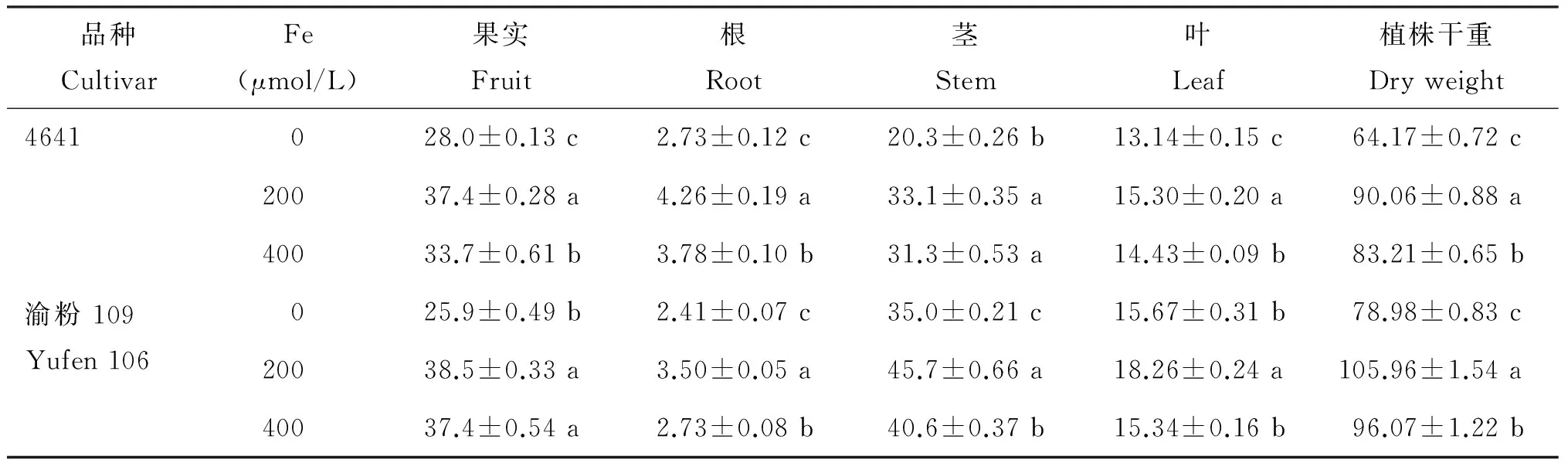
表1 不同Fe濃度處理對番茄單株干重的影響(g/pot)Table 1 Effects of different Fe levels on the dry weights of tomato
注(Note): 數值后不同小寫字母代表同一個品種不同Fe濃度之間差異顯著(P≤0.05) Values followed by different letters indicate significant difference (P≤0.05) among different Fe levels in the same cultivar.
2.2 不同Fe濃度處理對番茄光合效率的影響
由圖1可知,不同品種間和不同Fe濃度處理下,番茄植株凈光合速率(Pn)、氣孔導度(Gs)、胞間CO2濃度(Ci)、蒸騰速率(Tr)差異達到顯著水平。隨鐵濃度的增加Pn、Gs和Tr先增后降,在200 μmol/LFe時,Pn、Gs和Tr達到最大值,2個番茄品種‘4641’和‘渝粉109’的Pn、Gs和Tr較對照分別增加了8%和28.7%,11%和15.5%,2.9%和18.8%。無論噴施Fe與否,Pn、Gs、Ci和Tr以‘4641’>‘渝粉109’。
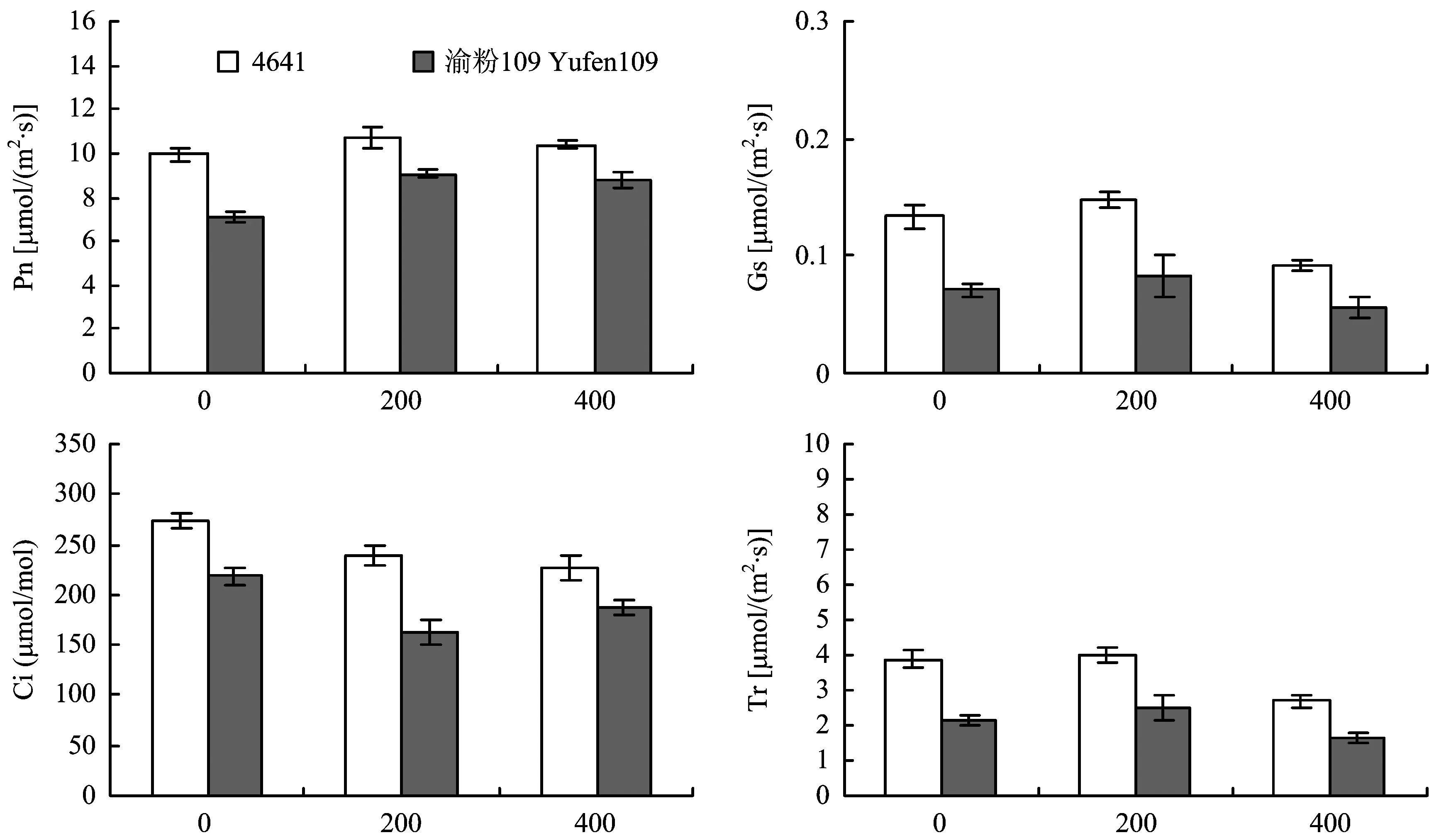
圖1 不同濃度Fe處理對番茄光合效率的影響Fig.1 Effect of different Fe levels on photosynthetic efficiency of tomato
2.3 不同Fe濃度處理對番茄營養品質的影響
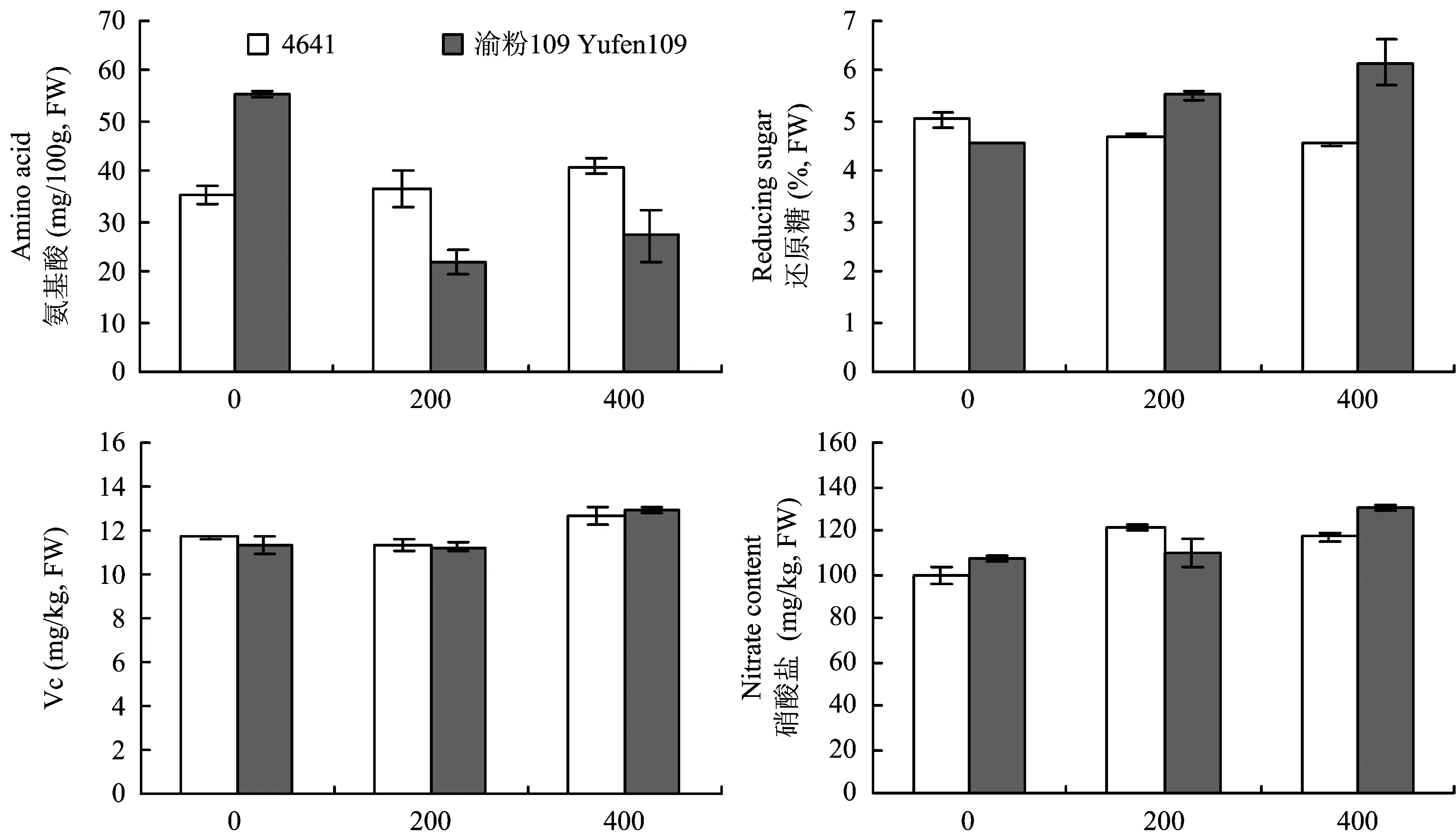
圖2 不同Fe濃度處理對番茄果實品質的影響Fig.2 Effect of different Fe levels on fruit quality of tomato
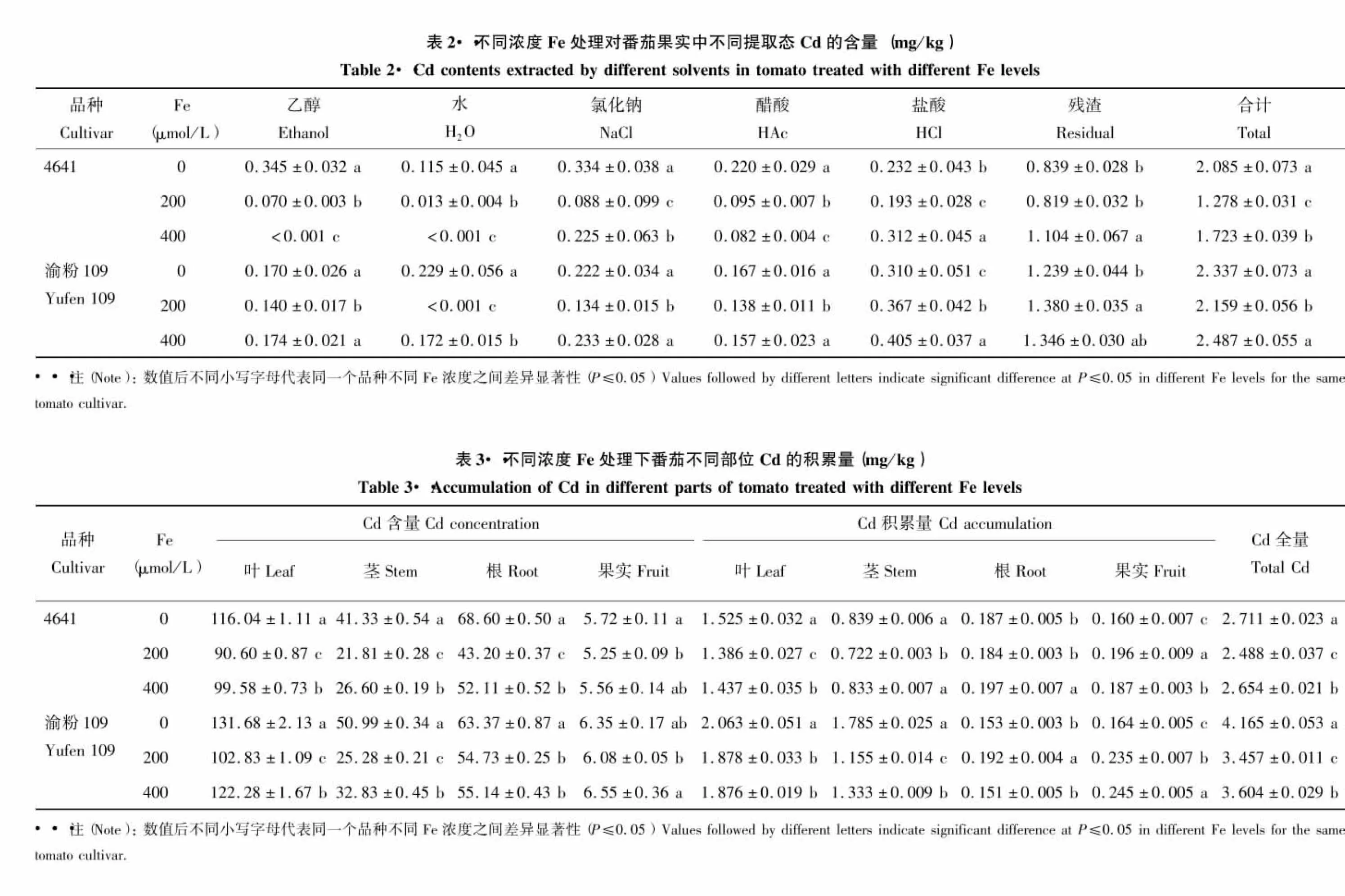
2.4 果實中不同形態Cd含量
2.5 番茄植株各部位Cd含量和積累量
3 討論
本試驗條件下,供試2個番茄品種未出現Cd和Fe中毒癥狀,生長狀態良好。在Cd污染的土壤上,葉面噴施200 μmol/L和400 μmol/L Fe顯著提高了番茄果實、根、莖和葉的干重(表1),說明Cd對番茄的毒害作用通過Fe與Cd的拮抗效應得到了抑制,也有可能是噴施Fe改善了植株地上部鐵營養狀態,從而抑制了高親和的鐵吸收轉運系統的表達,降低了根系對Cd的吸收,最終減小了Cd的毒害作用[19]。噴施200 μmol/L Fe能顯著提高植株各部位干重,但是當Fe濃度達到400 μmol/L時,各部位干重有所下降,這與李元等在煙草方面的研究基本一致[20],這可能是由于番茄體內過多的游離Fe2+誘發形成多種活性自由基,膜脂過氧化作用加強,質膜透性加大,代謝紊亂,導致生物量下降[21]。試驗還發現,未噴施Fe時,番茄果實干質量以‘4641’>‘渝粉109’,表明‘4641’耐Cd性較強,噴施Fe后‘渝粉109’>‘4641’,表明‘渝粉109’對Fe的反應更為敏感。
光合作用是高等植物生長發育和產量形成的基礎,而鐵是植物合成葉綠素的必須元素之一,因此鐵對植株光合作用有著重要的影響。在本試驗條件下,與對照相比,噴施Fe 200 μmol/L時,凈光合速率(Pn)、氣孔導度(Gs)、蒸騰速率(Tr)明顯增加,說明噴施適當濃度的Fe能夠促進番茄植株的光合作用和蒸騰作用。這可能是由于Cd污染誘導了番茄植株的鐵營養缺乏,植株鐵蛋白、鐵硫蛋白等合成受阻,影響了植物光合電子傳遞,外源補充適當濃度的鐵后,光合電子傳遞鏈的活性升高所致[22]。但是當Fe濃度增加到400 μmol/L時,凈光合速率(Pn)、氣孔導度(Gs)、蒸騰速率(Tr)有所下降,表明高濃度Fe反而抑制了番茄植株的光合作用與蒸騰作用,該結果與生物量隨Fe濃度變化趨勢一致。也與章藝等[23]的報道類似。原因可能是過多的亞鐵離子會誘發多種活性自由基,并產生多種次生自由基,葉綠素合成受阻,最終導致葉綠素降解、膜脂過氧化,干物質合成降低[24-25]。影響Pn變化的因素有氣孔因素和非氣孔因素[26],本試驗發現,品種‘4641’Pn和Gs隨Ci的降低先增加后降低,說明Pn變化由非氣孔因素逐漸轉變為氣孔因素占主導,‘渝粉109’Ci先降低后增加,Pn和Gs呈先增加后下降趨勢,表明Pn變化主要是由非氣孔因素引起的,這可能與葉片光合活性、RUBP羧化酶活性或者是卡爾文循環等原因有關[27]。試驗還表明,無論噴施Fe否,凈光合速率(Pn)、氣孔導度(Gs)、胞間CO2濃度(Ci)、蒸騰速率(Tr)以‘4641’>‘渝粉109’,說明2個番茄品種間,‘4641’葉片對高Fe脅迫的耐性高于‘渝粉109’,同時也表明植株光合作用和蒸騰作用大小不僅與Fe濃度相關,而且還與品種有關。
Fe是植物必需的微量營養元素,Fe在植物體內與血紅蛋白有關。李元[28]指出,隨著噴施Fe濃度的增加,煙草葉片中總氨基酸含量下降,Cd+Fe處理后,隨著Fe濃度的增加,煙草葉片總氨基酸呈上升趨勢,而在本試驗中,隨著噴施Fe濃度的增加,‘渝粉109’氨基酸含量在噴施Fe后呈下降趨勢,與李元[28]的結果不一致,原因可能有待進一步研究。在本試驗條件下,品種‘4641’還原糖含量隨著噴施Fe濃度的增加而降低,這與張木[29]所得出的噴施Fe不利于小白菜可溶性糖的提高結果基本一致。原因可能是由于Fe與Cd發生協同作用影響了植株碳代謝所致。而‘渝粉109’的還原糖含量隨著噴施Fe濃度的增加而顯著增加,這可能是由于Fe促進了植株葉綠素的合成,而增強了光合作用,從而促進碳代謝所致。說明‘4641’果實對高量Fe更為敏感。Vc是蔬菜重要品質之一[30],在本試驗中,噴施200 μmol/L低Fe時,2個番茄品種Vc較對照處理都有所降低。這可能因Vc是植物體內抗氧化系統的重要組成部分,能夠清除活性自由基;適量的Fe可緩解Cd脅迫誘導產生的自由基造成的膜脂過氧化[31]。因此,在噴施低Fe時,Vc合成也相應降低。噴施Fe 400 μmol/L時,2個供試番茄品種的果實Vc含量顯著高于對照處理,該結果與吳俊華[32]的報道結果不一致。這可能是由于過量的Fe脅迫誘導產生的大量自由基刺激了Vc的合成所致。噴Fe增加了2個供試番茄品質的硝酸鹽含量,這可能與Cd脅迫可降低硝酸還原酶活性,導致硝酸鹽積累有關[33]。
Cd在植物體內有5種化學形態(乙醇提取態、去離子水提取態、氯化鈉提取態、醋酸提取態、鹽酸提取態),這5種提取態對重金屬在植物體內的運移、累積及其毒性有顯著影響[34]。本試驗研究了Cd(10 mg/kg)污染條件下,2個番茄品種果實中不同形態Cd積累狀況。研究表明, 2個番茄品種中不同形態Cd含量大小順序為FR>FHCl>FE>FNaCl>FHAC>FW。該結果與一些學者研究中指出的Cd在植物體內的主要形態為氯化鈉提取態,其次為醋酸提取態和水提取態不同[35]。本試驗中,2個番茄品種果實中殘渣態Cd(FR)和鹽酸提取態Cd(FHCl)為活性偏低形態Cd,其平均含量之和為1.424 mg/kg,占Cd提取總量的70.8%;水提取態(FW)和乙醇提取態(FE)為活性較高形態Cd,二者平均含量之和為0.238 mg/kg,僅占Cd提取總量的11.8%,有效地限制了Cd的毒害作用。噴施適當濃度的Fe,可以降低番茄果實中各形態Cd含量以及Cd提取總量,Fe、Cd表現出拮抗作用,這與Krupa[36]所報道的結果基本一致。但高量Fe(400 μmol/L )反而較低量Fe增加了‘4641’果實中鹽酸提取態Cd、殘渣態Cd以及‘渝粉109’果實中乙醇提取態Cd、氯化鈉提取態Cd、殘渣態Cd和總提取量,鐵鎘表現出一定的協同效應,這與黃益中報道中指出的施鐵可促進煙草對鎘的吸收基本一致[37]。可見,鐵鎘交互作用不僅與Fe濃度有關,還與供試作物種類和品種有關。
在本試驗的條件下,番茄各器官的Cd含量順序為葉>根>莖>果實,Cd積累量大小順序為葉>莖>果實>根,該結果與朱芳[14]所報道的結果不一致。表明番茄將Cd從根轉運至地上部分的能力較強。但本試驗也發現,Cd在番茄食用部位的累積量遠小于其他非食用部位,食用風險相對較低。噴Fe能夠降低植株各部位Cd含量以及葉、莖中的Cd積累量,Fe與Cd表現出明顯的拮抗效應,這可能是由于鐵供應充足的情況下,鐵轉運子基因關閉,鐵吸收增加,鎘的被動吸收量下降,Cd富集降低所致[36]。此外,噴施高濃度Fe后,番茄各部位Cd含量較噴施低濃度Fe時有所增加,此時Cd和Fe表現出協同效應。這表明Cd和Fe在作物體內的交互作用比較復雜,不僅與植物種類和部位有關,還與Cd和Fe的相對含量有關。試驗還發現,噴施Fe降低了植株Cd積累總量,但是卻增加了果實的Cd積累量,表明Fe對番茄的增產作用比對降低果實Cd含量的作用更顯著。無論噴施Fe與否,葉、莖、果實中的Cd積累量以及總Cd積累量總是以‘4641’>‘渝粉109’,表明在Cd污染土壤上種植‘4641’,較‘渝粉109’風險更大。
4 結論
1)重金屬Cd污染(Cd 10 mg/kg)下,Fe能緩解Cd對供試番茄生長的抑制,顯著增加了2個番茄品種的果實、根、莖、葉及總干重。但隨Fe濃度增加,番茄果實、根、莖、葉及總干重均表現出先增后降的趨勢。
2)在Cd污染(Cd 10 mg/kg)條件下,隨鐵濃度的增加凈光合速率(Pn)、氣孔導度(Gs)、蒸騰速率 Tr)先增后降,在Fe 200 μmol/L時,凈光合速率(Pn)、氣孔導度(Gs)、蒸騰速率(Tr)達到最大值。
3)隨著噴施Fe濃度的增加,‘4641’還原糖含量降低,‘渝粉109’還原糖含量卻增加;噴施高Fe(400 μmol/L)提高了‘4641’和‘渝粉109’果實中的維生素C含量;噴Fe增加了2個供試品種番茄果實中硝酸鹽含量。
4)番茄果實中Cd的主要存在形態為殘渣態,其次為鹽酸提取態,去離子水提取態和乙醇提取態所占比例較小。噴施Fe降低了‘4641’品種 FE、FW、FHAC含量、‘4641’品種Cd總提取量以及‘渝粉109’品種Fw含量。無論噴Fe與否,4641’的總Cd提取量都大于‘渝粉109’品種。
5)番茄中的Cd主要累積于葉和莖中,噴鐵降低了植株各部位Cd含量,但隨著噴施Fe濃度的增加,各部位Cd含量呈先降后升趨勢。
[1] Moreno C J, Moral R, Perrez E Aetal. Cadmium accumulation and distribution in cucumber plant[J]. Journal of Plant Nutrition 2000, 23(2): 243-250.
[2] Moriarty F. Ecotoxicology: the study of pollutants in ecosystems[M]. London: Academic Press, 1999. 29-35.
[3] 崔玉靜, 趙中秋, 劉文菊等. 鎘在土壤-植物-人體系統中遷移積累及其影響因子[J]. 生態學報, 2003, 23(10): 2133-2142. Cui Y J, Zhao Z Q, Liu W Jetal. Transfer of cadmium through soil-plant-human continnum and its affecting factors[J]. Acta Ecological Sinica, 2003, 23 (10): 2133-2142.
[4] 趙云香. 鉛和鎘復合脅迫對小麥保護酶系統的影響[J]. 山西農業大學學報, 2005, 25(3): 261-263. Zhao Y X. Effects of Cd and Pb multiple Stresses on protective enzyme system of wheat[J].Journal of Shanxi Agricultural University, 2003, 23(10): 2133-2142.
[5] 邵國勝, Muhammad J H, 章秀福, 等. 鎘脅迫對不同水稻基因型植株生長和抗氧化酶系統的影響[J]. 中國水稻科學, 2004, 18(3): 239-244. Shao G S, Muhammad J H, Zhang X Fetal. Effects of cadmium stress on plant growth and antioxidative enzyme system in different rice genotypes[J]. Chinese Journal of Rice Science, 2004, 18(3): 239-244.
[6] Kalantari M R, Shokrzadeh M, Ebadi A Getal. Soil pollution by heavy metals and remediation (Mazandaran-Iran)[J]. Journal of Applied Sciences, 2006, 6(9): 2110-2116.
[7] 韋朝陽,陳同斌. 重金屬超富集植物及植物修復技術研究進展[J]. 生態學報, 2001, 21(7): 1196-1203. Wei C Y, Chen T B. Hyperaccumulators and phytoremdiation of heavy metal contaminated soil: a review of studies in China and abroad[J]. Acta Ecological Sinica, 2001, 21(7): 1196-1203.
[8] Lee S Z, Allen H E, Huang C Petal. Predicting soil water partition coefficients for cadmium[J]. Environmental Science & Technology, 1996, 30(12): 3418-3424.
[9] Salt D E, Blaylock M, Ensley B Detal. Phytoremediation: a novel strategy for the removal of toxic metals from the environment using plants[J].Nature Biotechnology, 1995, 13(5): 468-474.
[10] Cunningham S D, William R, Berti W. Phytoremediation of contaminated soils[J]. Trends in Biotechnology, 1995, 13(9): 393-397.
[11] Huang X, Zhou Q, Zhang G Y S. Advances on rare earth application in pollution ecology[J]. Joural of Rare Earths, 2005, 23(1): 5- 11.
[12] Shao G S, Chen, M X, Wang W X,etal. Iron nutrition affects cadmium accumulation and toxicity in rice plants[J]. Plant Growth Regulation, 2007, 53(1): 33-42.
[13] 張燕. 鐵營養狀況對黃瓜吸收鎘的影響[D]. 中國農業大學碩士論文, 2006. Zhang Y. Effect of iron supply on cadmium uptake by cucumber seedling[D]. Beijing: MS dissertation of China Agricultural University, 2006.
[14] 朱芳, 方煒, 楊中藝. 番茄吸收和積累Cd能力的品種間差異[J]. 生態學報, 2006, 26(12): 4071-4080. Zhu F, Fang W. Yang Z Y. Variations of Cd absorption and accumulation of 36Lycopersiconesculentumcultivars[J]. Acta Ecological Sinica, 2006, 26(12): 4017-4080.
[15] 魯如坤. 土壤農業化學分析方法[M]. 北京: 中國農業科技出版社, 2000. 12-22, 107-195, 335-336. Lu R K. Soil agro-chemistrical analysis[M]. Beijing: China Agricultural Science and Technology Press, 2000. 12-22, 107-195, 335-336.
[16] 牛森. 作物品質分析[M]. 北京: 農業出版社, 1992. 183-185. Niu S. Crop quality analysis[M]. Beijing: Agricultral Press, 1992. 183-185.
[17] 西北農業大學, 華南農業大學. 農業化學研究法(第二版)(上冊)[M]. 北京: 中國農業出版社, 1992: 75-80. Northwest Agricultural University, South China Agricultural University. Agricultural chemistry research methods (Second Edition) of volume 1[M]. Beijing: China Agricultural Science and Technology Press, 1992. 75-80.
[18] Alarcón A L, Madrid R, Romojaro Fetal. Calcium forms in leaves of muskmelon plants grown with different calcium compounds[J]. Journal of Plant Nutrition, 1998, 21(9): 1897-1912.
[19] Shao G S, Chen M X, Wang W Xetal. Iron nutrition affects cadmium accumulation and toxicity in rice plants[J]. Plant Growth Regulation, 2007, 53(1): 33-42.
[20] 李元, 王煥校, 吳玉樹. 鎘、鐵及其復合污染對煙草生理的影響[J]. 環境科學學報, 1990, 10(4): 494-500. Li Y, Wang H X, Wu Y S. Effects of cadmium, iron and their combined pollution on the physiological and biochemical characteristics of tobacco[J]. Acta Scientiae Circumstantiae 1990, 10(4): 494-500.
[21] Sinha S, Gupta M, Chndra P. Oxidative stress induced byHydrillaverticillata(l. f.) royle: response of antioxidants[J]. Ecotoxicology and Environmental Safety 1997, 38(3): 286-291.
[22] 黃益宗, 朱永官, 黃鳳堂. 鎘和鐵及其交互作用對植物生長的影響[J]. 生態環境, 2004, 13(3): 406-409. Huang Y Z, Zhu Y G, Huang F T. Effects of cadmium, iron and their interactions on plant growth: a review[J]. Ecology and Envrionment, 2004, 13(3): 406-409.
[23] 章藝, 劉鵬, 史鋒, 等. 高Fe2+對大豆葉片光合作用的影響[J]. 中國油料作物學報, 2007, 29(4): 438-442. Zhang Y, Liu P, Shi Fetal. Influence of excessive Fe2+on photosynthesis of soybean leaves[J]. Chinese Journal of Oil Crop Sciences, 2007, 29(4): 438-442.
[24] Ghosh A K, Sen S, Palit S. Comparative efficacy of chlorophyll in reducing cytotoxicity of some heavy metals[J]. Biology of Metals, 1991, 4(3): 158-161.
[25] Halliwell B, Gutteridge J M C. Role of free radicals and catalytic metal ions in human disease: an overview[J]. Methods Enzymol 1990, 186: 81-85.
[26] 張志剛, 尚慶茂. 低溫、弱光及鹽脅迫下辣椒葉片的光合特性[J]. 中國農業科學, 2010,43(1): 123-131. Zhang Z G, Shang Q M. Photosynthetic characteristics of pepper leaves under low temperature, weak light and salt stress[J]. Scientia Agricultural Sinica 2010, 43(1): 123-131.
[27] Farquhar G D, Sharkey T D. Stomatal conductance and photosynthesis[J]. Ann Reviews Plant Physiology 1982, 33: 317-345.
[28] 李元, 祖艷群, 王煥校. 鎘、鐵及其復合污染對煙草葉片氨基酸含量的影響[J]. 生態學報, 1998, 18(6): 640-647. Li Y, Zu Y Q, Wang Huan X. Effects of cadmium and iron on amino acid content in tobacco leaves[J]. Acta Ecological Sinica 1998, 18(6): 640-345.
[29] 張木, 胡承孝, 孫學成, 等. 葉面噴施微量元素和氨基酸對小白菜產量及品質的影響[J]. 華中農業大學學報, 2011, 30(5): 613-617. Zhang M, Hu C X, Sun X Cetal. Effects of spraying micronutrient and amino acids into surface of leaves on yeild and quality of Chinese cabbage[J]. Journal of Huazhong Agricultural University, 2011, 30(5): 613-617.
[30] 陸景陵. 植物營養學(上冊)(第二版)[M]. 北京: 中國農業大學出版社, 1994: 77-82. Lu J L. Plant nutrition of volume 1(Second Edition) [M]. Beijing: China Agriculture University Press, 1994. 77-82.
[31] 董靜. 基于懸浮細胞培養的大麥耐鎘性基因型差異及大小麥耐滲透脅迫差異的機理研究[D]. 杭州:浙江大學博士學位論文, 2009. Dong J. Studies on differences in the tolerance to cadmium toxicity in different barley genotypes and to osmotic stress between barley and wheat using suspension cell cultures[D]. Hangzhou: PhD Dissertation of Zhejiang University, 2009.
[32] 吳俊華, 候雷平, 李遠新等. 不同供鐵水平對番茄產量及果實風味品質的影響[J]. 土壤通報, 2011, 42(1): 154-157. Wu J H, Hou L P, Li Y Xetal. Effect of different iron concentrations on yield and flavor quality of friut in tomato[J]. Chinese Journal of Soil Science, 2011, 42(1): 154-157.
[33] 汪洪, 周衛, 林葆. 鈣對鎘脅迫下玉米生長及生理特性的影響[J]. 植物營養與肥料學報, 2001, 7(1): 78-87. Wang H, Zhou W, Lin B. Effect of Ca on growth and some physiological characteristics of maize under Cd stress[J]. Journal of Plant Nutrtion and Fertilizer, 2001, 7(1): 78-87.
[34] 孫巖, 韓穎, 李軍, 等. 硅對鎘脅迫下水稻生物量及鎘的化學形態的影響[J]. 西南農業學報, 2013, 26(3): 1240-1244. Sun Y, Han Y, Li Jetal. Effect of Si on rice biomass and chemical species of Cd under Cd stress[J]. Southwest China Journal of Agricultural Sciences, 2013, 26(3): 1240-1244.
[35] 王林. 蔬菜對鎘鉛的吸收累積特征與生理響應研究[D]. 山東: 山東農業大學碩士學位論文, 2005. Wang L. Absorption and accumulation characteristics and physiological responses of different vegetables to Cadmium and Lead [D]. Shandong: MS Thesis of Shandong Agricultural University, 2005.
[36] Krupa-Z, Siedlecka A, Mathis P. Cd/Fe interaction and its effects on photosynthetic capacity of primary bean leaves[A]. Proceedings of the Xth International Photosynthesis Congress[C]. Netherlands: Kluwer Academic Publishers, 1995. 621-624.
[37] 黃益宗. 鎘與磷、鋅、鐵、鈣等元素的交互作用及其生態學效應[J]. 生態學雜志, 2004. 23(2): 92-97. Huang Y Z. Interactions of between cadmium and phosphorus, zinc, iron, calcium and their ecological effects[J]. Chinese Journal of Ecology, 2004, 23(2): 92-97.
Effect of exogenous iron on photosynthesis, quality, and accumulation of cadmium in different varieties of tomato
YANG Yun1, ZHOU Kun1, XU Wei-hong1*, JIANG Ling1, WANG Chong-li1, XIONG Shi-juan1,XIE Wen-wen1, CHEN Rong1, XIONG Zhi-ting2, WANG Zheng-yin1, XIE De-ti1
(1CollegeofResourcesandEnvironmentalSciences,SouthwestUniversity,Chongqing400715,China;2CollegeofResourcesandEnvironmentalSciences,WuhanUniversity,Wuhan430079,China)
【Objectives】In soils simulated with cadmium (Cd) pollution, different levels of exogenous Fe were added and their influences on the chemical forms of cadmium (Cd)and the Cd accumulation in tomato were studied to provide a theoretical base for tomato safe production.【Methods】 Pot experiments were carried out to investigate the influence of different iron levels(0,200 and 400 μmol/L, FeSO4·7H2O) on the plant growth,the activities of antioxidant enzymes,the accumulation and chemical forms of cadmium(Cd)in tomato when exposed to Cd(10 mg/kg). 【Results】 The exogenous Fe increased the dry weights of roots, stems, leaves, fruits as well as the total dry matter, which increased by 20.4%-48.6%,13.3%-56.0%, 16.0%-63.1%, 9.8%-16.5% and 21.6%-40.3% respectively. The dry weights of plant parts and whole plant were increased first, and then decreased with increasing of Fe levels. Comparing the two tested tomato cultivars, ‘4641’ had stronger resistance to Cd, ‘Yufen 109’ was more sensitive to Fe. The Pn, Gs and Tr values in tomato leaves of both the cultivars were high with moderate Fe (200 μmol/L) application, and low with excess Fe (400 μmol/L); compared to the control, the Pn, Gs and Tr of ‘4641’ were increased by 8%, 11% and 2.9% and these of ‘Yufen 109’ were increased by 28.7%, 15.5% and 18.8%, while concentration of intercellular carbon dioxide (Ci) decreased with the application of Fe. Both photosynthesis and transpiration of ‘4641’ were stronger than those of ‘Yufen 109’. The contents of nitrate in fruits of both the cultivars and sugar in ‘Yufen 109’ increased after Fe application, while amino acid in ‘Yufen 109’decreased compared to the control, and the increase of nitrate 18.1%-22.2% and 2.3%-22.0%. In addition, high Fe application (400 μmol/L) facilitated the biological synthesis of Vc in fruit increased by 8.2% and 13.2%. Cadmium was mainly existed in the fractions of residual Cd and hydrochloric acid-extractable Cd in fruits, which were low activity form and accounting for 70.8% of the total. Deionized water extractable Cd (FW) and ethanol extractable Cd (FE) were high activity form with only 11.8% of the total Cd. Toxic effects of Cd on Tomato were effectively inhibited by spraying Fe. Foliar application of different levels of Fe reduced the concentrations of all Cd forms compared to the control. Cadmium was mostly accumulated in leaves and stems with the concentrations of Cd in the order of leaves > toots > stem > fruits with foliar Fe. Spraying Fe could reduce the concentration of Cd in tomato leaves, roots, stems and fruits with a ranges of 7.1%-21.9%, 35.6%-50.4%, 13.0%-37.0% and 2.8%-8.2%, respectively. Cadmium concentrations of all plants parts decreased with foliar Fe application compared to the control, while displayed an upward trend when excessive Fe applied. The Cd accumulation of leaves, stems and fruits and total accumulation of ‘4641’ were higher than those of ‘Yufen 109’. It showed that planting ‘4641’ in Cd contaminated soil had greater risk. 【Conclusions】 Appropriate Fe could promote photosynthesis and transpiration of the tomato leaves and increase the dry weights of each part of the tomato plants. Toxic effects of Cd on tomato plants and the concentration of Cd in each part could be decreased by applying the appropriate concentration of Fe.
iron and cadmium interaction;photosynthetic characteristic;tomato quality;Cd accumulation;Cd fraction
2014-03-12 接受日期: 2014-10-15 網絡出版日期: 2015-05-11
現代農業產業技術體系建設專項(Nycy-25);國家自然科學基金項目(20477032);國家科技支撐計劃項目(2007BAD87B10)資助。
楊蕓(1989—), 女, 四川樂山人, 碩士研究生,主要從事植物營養與環境生態研究。 E-mail:410713602@qq.com * 通信作者 E-mail:xuwei_hong@163.com
S641.2
A
1008-505X(2015)04-1006-10
猜你喜歡
中學生數理化·八年級物理人教版(2022年3期)2022-03-16 05:55:08
當代陜西(2021年2期)2021-03-29 07:41:24
少兒科學周刊·兒童版(2017年5期)2017-06-29 22:24:28
少兒科學周刊·兒童版(2017年5期)2017-06-29 16:46:33
紅領巾·萌芽(2017年5期)2017-06-23 10:35:59
媽媽寶寶(2017年3期)2017-02-21 01:22:28
爆笑show(2016年7期)2017-02-09 09:36:13
中國塑料(2016年3期)2016-06-15 20:30:00
通信電源技術(2016年3期)2016-03-26 07:13:38
少兒科學周刊·兒童版(2015年10期)2015-11-07 03:42:03