無與倫比的快樂
2016-03-01 08:09:40
時代英語·高二
2016年1期
Most people prefer to stay in their comfort zones, doing things they are good at. But there is a group of gamers that take the opposite path, choosing extremely difficult or even impossible games instead.
One of those games, a puzzle app called Unbeatable Game—IQ, topped Apple iTunes list of most downloaded apps. And another app Mr Jump—a game that requires you to continuously tap your mobile screen like the original impossible game Flappy Bird—reached more than 5 million downloads within the first week of its release.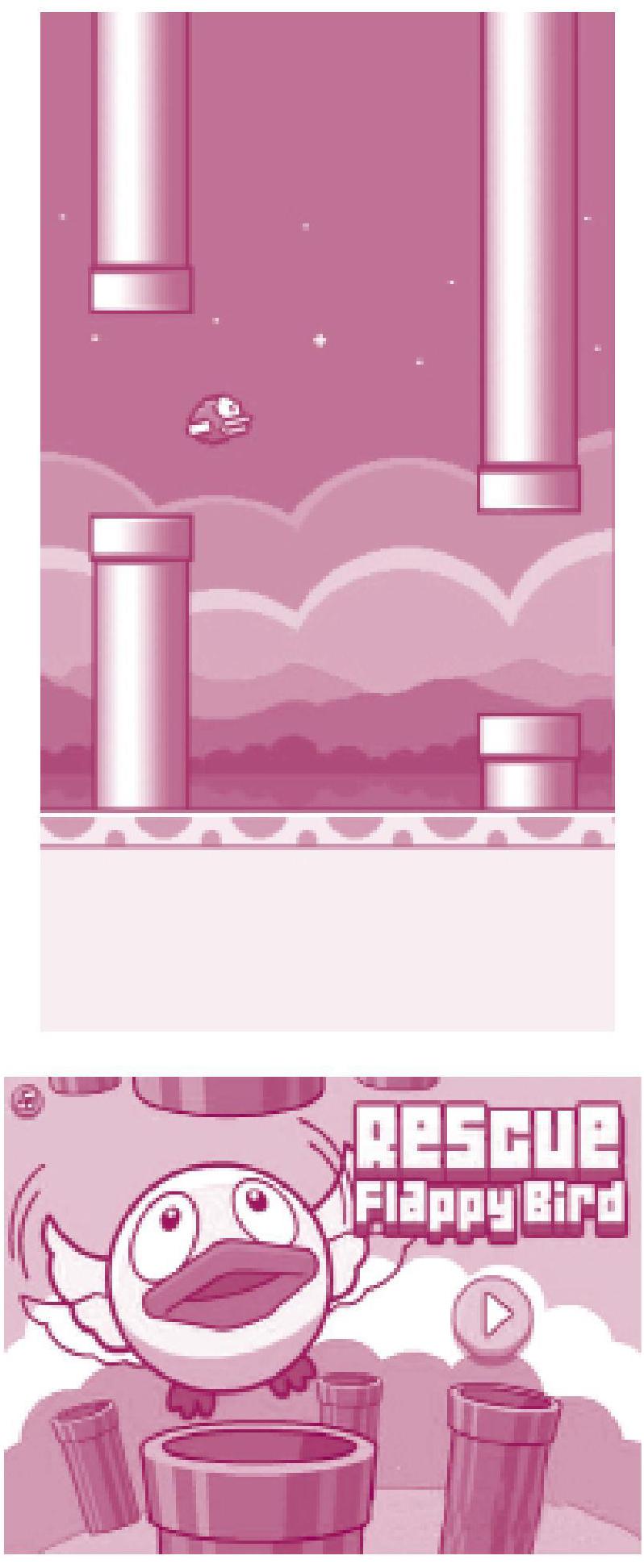
Jokingly referred to as a favorite for masochists, impossible games have been very popular. They have advanced beyond the simplistic format of Flappy Bird, including endless running and complex puzzles. They also feature exasperating challenges and infinite-playing modes.
The popularity of impossible games is propelled by gamers hunger for ever-greater challenges. Players measure their success not by completing missions, but by delaying failure.
大多數人寧愿待在自己的舒適區,做他們擅長的事兒。不過有一群游戲愛好者偏偏背道而馳,他們選擇挑戰那些極度困難,甚至是不可能通關的游戲。
一款益智類游戲《挑戰IQ——無與倫比的競技》,登上了蘋果iTunes熱門應用下載榜首位。而另一款應用《跳跳先生》在發布的第一周就達到了500多萬的下載量——這款需要不停觸擊手機屏幕的游戲和之前的不可能通關的游戲《飛揚的小鳥》類似。
這種被戲稱為受虐狂最愛的游戲,現在火了。它們大大地超越了形式簡單的《飛揚的小鳥》,加入了無盡頭的奔跑和復雜的智力問題。它們還有的就是讓人抓狂的挑戰和無窮盡的游戲模式的特點。
這些虐心游戲風靡的原因來自于玩家們對更大挑戰的渴望。他們并不以通關來衡量勝利,而是以延遲失敗來衡量成功。
What makes those tough games appealing is a glimmer of joy a player gets from even the smallest achievements,” Jamin Brophy-Warren wrote for the Japan-based news website kotaku.com.
Constant failure can be dispiriting, but even small improvements in a players performance can encourage perseverance.
In Mr Jump, for example, each failure can teach gamers to beware of certain ambushes and keep the right pace to progress further in the game.
At first, Flappy Bird seems easy, as it only requires players to pilot a bird past narrow pipe gaps. But the game suddenly challenges you with seemingly impassable obstacles. Most gamers end up frustrated, cursing their slow fingers as the bird flies out of control or the pipe moves faster than they expect.
“Its about the feeling of obstacle,” Jesper Juul, videogame researcher from MIT (Massachusetts Institute of Technology), told The Wall Street Journal. “You get stuck somewhere and feel stupid. That can lead to a sense of triumph if one does eventually succeed.”
Some impossible games have also made use of “peer pressure” to foster popularity, noted Forbes reviewer Anthony Kosner.
Unbeatable Game—IQ, for example, allows gamers to show off their high scores to friends, after they triumph over the apps frustrating puzzles.
However, after sharing their scores, players might find themselves in another infinite game, this time in the real world. They may feel the pressure to endlessly keep improving their scores, to prevent their friends from outperforming them.
“這類困難至極的游戲吸引人的地方就是,哪怕一丁點的進步都能讓玩家感受到快樂。”雅明·布羅菲-沃倫在日本新聞網站kotaku.com上寫道。
持續的失敗確實很讓人沮喪,不過小小的進步卻能鼓勵玩家堅持下去。
以《跳跳先生》為例,每次失敗都能提醒玩家注意某些地方有埋伏,讓他們知道安全的路徑,一次比一次走得更遠。
起初,《飛揚的小鳥》看似很簡單,因為玩家只需要控制一只小鳥躲避水管障礙。不過它會突然用看似無法逾越的障礙給你一個下馬威。大部分玩家最后都是挫敗而歸,在小鳥不受控制或者水管移動太快的時候咒罵自己反應遲鈍的手指。……
登錄APP查看全文
猜你喜歡
動漫星空(興趣英語)(2019年3期)2019-03-06 01:55:00
現代家庭·生活版(2017年3期)2017-03-15 18:45:43
飛碟探索(2016年11期)2016-11-14 19:34:47
作文大王·笑話大王(2016年8期)2016-08-08 11:28:22
小學科學(2015年7期)2015-07-29 22:29:00
小學科學(2015年6期)2015-07-01 14:30:14
就業與保障(2015年9期)2015-04-17 03:41:47