
Concepts and opportunities for repair in cerebral microvascular disease and white matter stroke
2016-12-01 12:46:36GuanxiXiao,JasonD.Hinman
中國神經(jīng)再生研究(英文版) 2016年9期
Concepts and opportunities for repair in cerebral microvascular disease and white matter stroke
Diffuse changes in white matter resulting from cerebral microvascular disease contribute to cognitive impairment (Jokinen et al., 2011), declines in global functionality (Inzitari et al., 2009), and even death (Debette and Markus, 2010). Twenty years ago, estimations of the clinical incidence of cerebral microvascular disease approached 11 million per year in the US alone (Leary and Saver, 2003). More recent estimations suggest the prevalence of diffuse white matter disease and silent brain infarction approaches 20% and increases dramatically in the presence of cardiovascular risk factors (Fanning et al., 2014). Two common clinical presentations of cerebral microvascular disease include diffuse lesions resulting in T2/FLAIR signal abnormality on MRI scans throughout the white matter. Highly related to this diffuse form, is the classic lacunar infarction, with imaging evidence suggesting that new infarcts occur at the leading edge of prior T2/FLAIR signal abnormality (Duering et al., 2013), with subtle changes in axonal diffusivity occurring in the same region (Maillard et al., 2011). Cellular events within this white matter penumbral region are therefore a likely contributor to the progressive nature of white matter disease. Despite the growing prevalence of cerebral microvascular disease, there are no known efficacious treatment strategies to prevent the progression or repair the injury burden of ischemic white matter lesions. In part, this results from a comparative lack of understanding about the precise pathophysiology of cerebral microvascular disease nor the resultant cellular biology that underlies diffuse or focal changes in white matter. This lack of understanding exists because of limitations on the ability to appropriately model white matter lesions in an easily accessible animal model such as the mouse. With the recent development of several variations in a mouse model of focal white matter stroke (Nunez et al., 2016), the field is poised for significant advances in understanding the cellular mechanisms underlying white matter lesions resulting from cerebral microvascular disease and to identify leading strategies to repair ischemic white matter lesions. Here, we outline the neurobiologic concepts and major strategies for repair of diffuse cerebral microvascular disease and white matter stroke (Figure 1).
Stabilizing the blood-brain barrier: Several lines of evidence have suggested that permeability through the bloodbrain barrier plays a central role in vascular-related white matter injury. The blood-brain barrier provides a unique two-way transport system allowing the brain to regulate its microenvironment. This system is an elegant combination of biophysical barriers (tight junctions), multicellular interactions, and transcellular transport systems. Failure of the system may involve the disruption of endothelial biophysical barriers, dysregulated transcellular transport, or the failure in communication between the multiple cells that make up the barrier. Failure of endothelial cells to maintain glucose transport results in blood-brain barrier leakage that may play a role in diffuse white matter disease. Alternatively, recent studies have implicated the endothelial-supportive pericyte as potentially having a central role in blood-brain barrier failure and white matter disease. Thus, strategies to restore the stability of the blood-brain barrier become an attractive front line for repair of white matter lesions. This could be achieved therapeutically by drugs that restore normal metabolic function to endothelial cells allowing them to properly maintain tight junctions and the proteins involved in preventing extracellular passage of inflammatory cells or molecules from the blood stream. In addition, drugs that specifically promote pericyte proliferation and/or differentiation may be an alternative strategy to repair the bloodbrain barrier within the microvasculature that supplies white matter. Such an approach has the added benefit that therapeutics would not need to cross the blood-brain barrier to be effective.
Repairing the oligovascular unit: Once a theoretical framework, the concept of the oligovascular unit is now supported by direct evidence that oligodendrocyte precursor cells (OPCs) interact with and migrate along the vasculature during development (Tsai et al., 2016). Thus, white matter homeostasis likely requires paracrine signaling or direct transcellular interactions between endothelial cells and oligodendrocytes that are likely to be disrupted in disease. Strategies to repair the oligovascular unit require a knowledge of what the relevant molecules that mediate its normal function as well as those that are activated by disease. Identifying the molecular signature of endothelia damaged by age and by chronic vascular risk factors represents one strategy to identify novel approaches for repairing this transcellular system before ischemic injuries occur. One approach to repair of diffuse white matter injury could be the development of drugs that would promote improved oligovascular signaling. Alternatively, the use of pre-programmed circulating endothelial precursor cells that could integrate into the brain’s microvascular system and secrete molecules necessary for oligodendrocyte precursor migration or oligodendrocyte differentiation is another potential approach to the diffuse forms of white matter disease. Moreover, using mixed models of chronic vascular risk factors and focal ischemic lesions such as those described in Nunez et al. (2016) is likely to reveal new oligovascular signaling pathways that are further triggered by white matter stroke.
Modulation of glial scarring: A prominent feature of white matter stroke lesions is surrounding gliosis. White matter astrocytes and injury-responsive oligodendrocyte precursor cells appear to synergize with the inflammatory response and play a central role in the formation of the glial scar. In the acute phase, this glial scarring provides a number ofprotective features including sealing off the area of injury while helping to stabilize and secure the blood-brain barrier. However, a number of cell surface and extracellular matrix proteins that make up the scar are known to inhibit axonal regrowth and impair the ability of oligodendrocytes to myelinate new axons. A number of these molecules have been identified in other white matter injury models and include the Nogo family, ephrins, and chondroitin proteoglycans (Giger et al., 2008). Such molecules are likely to be injury-specific and through the use of an experimental model that results in a focal white matter stroke may allow an improved understanding of the molecular programs active within these scar-forming, injury-responsive cells within the surrounding peri-infarct tissue. Identifying these signaling pathways may allow therapeutics to directly modulate the glial scar and thereby promote white matter repair. Moreover, cellular transdifferentiation in response to scar-forming injury has been reported and thus harnessing transdifferentiation paradigms to modulate the cellular phenotype of injury-responsive glial cells around a focal white matter stroke is yet another avenue for repair of this type of lesion.

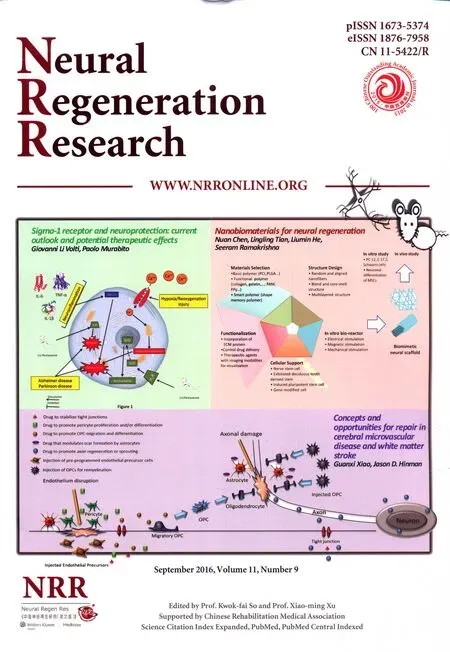
Figure 1 Schematic diagram detailing the major sites of injury within white matter, with potential therapeutic targets and mechanisms of action of proposed therapeutic agents highlighted.
Remyelination: Long a holy grail for multiple neurologic diseases including multiple sclerosis, childhood inherited leukodystrophies, and others, repair of the white matter through facilitating remyelination is an attractive target. Putting this approach into practice has proven challenging for multiple reasons. Multiple approaches are possible including modulating the intrinsic capacity of the brain to remyelinate and stem cell-mediated remyelination. In theory, ischemic white matter lesions are a particularly attractive disease entity in which to consider attempting remyelination because of the well-defined period during which such repair is likely to be beneficial. In the case of localized white matter strokes, the critical period of remyelination is the first few weeks after the injury. After this critical period, the glial scar is likely fixed and the microenvironment favoring remyelination is less likely making further efforts to remyelinate not as effective. As a result, therapeutics could be higher dose, provided for a short duration, and then stopped. This type of dosing regimen is ideal to minimize the likelihood of off-target effects particularly those that might occur with chronic treatment. In patients with more diffuse ischemic white matter lesions, the limitations of chronic drug administration would be faced and the timing of therapy somewhat unclear.
The brain has a limited capacity to remyelinate after injury. The biology of why this limitation occurs is reviewed elsewhere and is complex. At least part of the limitation is the exquisite complexity of the oligodendrocyte. The progression of oligodendrocytes along their developmental lineage is biologically complicated, requiring a timely and intricate balance of both intrinsic oligodendrocyte biologic cues as well as extrinsic axonal cues. Likely as a feature of their extensive and delicate cellular morphology, oligodendrocytes appear particularly sensitive to multiple mechanisms of injury including ischemia and hypoxia. Similarly, injury-responsive oligodendrocyte precursor cells (OPCs) have a limited capacity to follow normal differentiation pathways thus coaxing resident OPCs to completely differentiate and myelinate requires a perfect storm of events, most notably, available axons to myelinate. The identification of specific molecular pathways that could maintain injury responsive OPCs in a state prone to myelination is one potential strategy for white matter repair.
Another attractive approach to achieve remyelination is the exogenous administration of stem cells, either in the form of glial restricted progenitors or more differentiated populations of oligodendrocytes. This approach has had some early successes in animal models of radiation-inducedwhite matter injury and neonatal ischemic injury. The use of stem cells for remyelination has several important limitations including the progenitor stage of the stem cell, the potential need for immunosuppression, and the long-term oncogenic potential. For patients disabled by a focal white matter stroke, such risks may be tolerable and the required dose may be minimal. However, for patients with diffuse white matter lesions with multiple vague symptoms, stem cell-mediated remyelination is more problematic, potentially requiring multiple doses, long-term immunosuppression, and an increased risk for the development of malignancy or uncontrolled migration. Nonetheless, this approach bypasses some of the intrinsic cell biologic failures of the brain to remyelinate and may prove a novel approach to the treatment of white matter stroke. Still much work needs to be done in animal models of focal white matter stroke to determine how age and relevant co-morbidities impact the ability of exogenous stem cells to survive and promote recovery.
Preventing axonal degeneration and selective neuronal loss: A growing body of evidence indicates that though the majority of white matter ischemic lesions are small, their consequences extend well beyond the local white matter injury. Injured axons convey a retrograde signal of injury communicated back to the neuronal cell body and this results in a selective neuronal injury and may predispose to selective neuronal degeneration over time (Hinman, 2014). These retrograde axonal signaling pathways are relatively well understood in the peripheral nervous system and include dual leucine kinase (DLK) and STAT3 signaling. A similar understanding of the molecules that mediate retrograde axonal injury signaling at the cortical neuron level after a subcortical ischemic injury is lacking. Identification of the molecular pathways triggered in cortical neurons damaged by a focal white matter stroke presents yet another avenue to promote repair after white matter stroke. Models such as the one presented by Nunez et al. (2016) present an opportunity to label neurons that are specifically damaged by a subcortical white matter stroke. This approach allows an identification of the cortical neuron response during the temporal evolution of a distal ischemic axonal injury. Reasonable therapeutics to target this approach to repair might either re-open an avenue for selected existing neuroprotective therapies as well as identify novel drugs to promote axonal sprouting from these selectively injured neurons.
Conclusion: Through the use of well-defined experimental models of white matter stroke, in either its focal or diffuse forms, opens several avenues to identify novel therapeutics for this growing public health problem. Combinatorial models that incorporate co-morbid risk factors and pathologies are not only possible but also necessary to identify new niches for specific repair strategies to be effective. Careful consideration of the underlying neurobiology that follows ischemic white matter injury and the identification of specific vascular, glial and neuronal molecular pathways that mediate this injury are likely to give rise to new approaches for white matter repair.
The authors gratefully acknowledge support from the Larry L. Hillblom Foundation (GX), NIH NS083740 (JDH), and the United States Department of Veterans Affairs Greater Los Angeles Healthcare System (JDH).
Guanxi Xiao, Jason D. Hinman*
Department of Neurology, David Geffen School of Medicine,
University of California Los Angeles, Los Angeles, CA, USA
*Correspondence to: Jason D. Hinman, M.D., Ph.D.,
JHinman@mednet.ucla.edu.
Accepted: 2016-08-29
orcid: 0000-0002-0872-5044 (Jason D. Hinman)
How to cite this article: Xiao G, Hinman JD (2016) Concepts and opportunities for repair in cerebral microvascular disease and white matter stroke. Neural Regen Res 11(9):1398-1400.
References
Debette S, Markus HS (2010) The clinical importance of white matter hyperintensities on brain magnetic resonance imaging: systematic review and meta-analysis. BMJ 341:c3666.
Duering M, Csanadi E, Gesierich B, Jouvent E, Herve D, Seiler S, Belaroussi B, Ropele S, Schmidt R, Chabriat H, Dichgans M (2013) Incident lacunes preferentially localize to the edge of white matter hyperintensities: insights into the pathophysiology of cerebral small vessel disease. Brain 136:2717-2726.
Fanning JP, Wong AA, Fraser JF (2014) The epidemiology of silent brain infarction: a systematic review of population-based cohorts. BMC Med 12:119.
Giger RJ, Venkatesh K, Chivatakarn O, Raiker SJ, Robak L, Hofer T, Lee H, Rader C (2008) Mechanisms of CNS myelin inhibition: evidence for distinct and neuronal cell type specific receptor systems. Restor Neurol Neurosci 26:97-115.
Hinman JD (2014) The back and forth of axonal injury and repair after stroke. Curr Opin Neurol 27:615-623.
Inzitari D, Pracucci G, Poggesi A, Carlucci G, Barkhof F, Chabriat H, Erkinjuntti T, Fazekas F, Ferro JM, Hennerici M, Langhorne P, O’Brien J, Scheltens P, Visser MC, Wahlund LO, Waldemar G, Wallin A, Pantoni L, Group LS (2009) Changes in white matter as determinant of global functional decline in older independent outpatients: three year follow-up of LADIS (leukoaraiosis and disability) study cohort. BMJ 339:b2477.
Jokinen H, Gouw AA, Madureira S, Ylikoski R, van Straaten EC, van der Flier WM, Barkhof F, Scheltens P, Fazekas F, Schmidt R, Verdelho A, Ferro JM, Pantoni L, Inzitari D, Erkinjuntti T, Group LS (2011) Incident lacunes influence cognitive decline: the LADIS study. Neurology 76:1872-1878.
Leary MC, Saver JL (2003) Annual incidence of first silent stroke in the United States: a preliminary estimate. Cerebrovasc Dis 16:280-285.
Maillard P, Fletcher E, Harvey D, Carmichael O, Reed B, Mungas D, DeCarli C (2011) White matter hyperintensity penumbra. Stroke 42:1917-1922.
Nunez S, Doroudchi MM, Gleichman AJ, Ng KL, Llorente IL, Sozmen EG, Carmichael ST, Hinman JD (2016) A versatile murine model of subcortical white matter stroke for the study of axonal degeneration and white matter neurobiology. J Vis Exp doi:10.3791/53404.
Tsai HH, Niu J, Munji R, Davalos D, Chang J, Zhang H, Tien AC, Kuo CJ, Chan JR, Daneman R, Fancy SP (2016) Oligodendrocyte precursors migrate along vasculature in the developing nervous system. Science 351:379-384.
10.4103/1673-5374.191203
- 中國神經(jīng)再生研究(英文版)的其它文章
- Recovery of corticospinal tract injured by traumatic axonal injury at the subcortical white matter: a case report
- Galanin and its receptor system promote the repair of injured sciatic nerves in diabetic rats
- Stem Cell Ophthalmology Treatment Study (SCOTS):improvement in serpiginous choroidopathy following autologous bone marrow derived stem cell treatment
- Changes in microtubule-associated protein tau during peripheral nerve injury and regeneration
- Does crossover innervation really affect the clinical outcome? A comparison of outcome between unilateral and bilateral digital nerve repair
- Effects of triptolide on hippocampal microglial cells and astrocytes in the APP/PS1 double transgenic mouse model of Alzheimer's disease