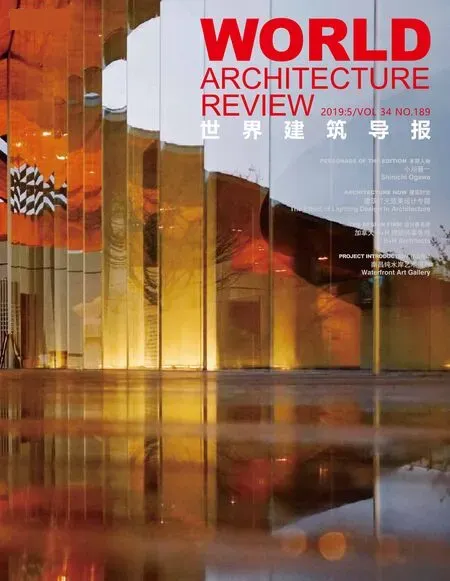
上海阿斯利康園區(qū)三期
2019-10-28 07:56:48中國上海
世界建筑導報 2019年5期
中國上海
設計面積:30,788平方米
服務范圍:建筑設計+室內設計+景觀設計
建設單位:阿斯利康
項目狀況:2017年竣工
Area: 30788 sqm2
B+H Services: Architecture+ Interior + Landscape
Client: AstraZeneca
Status: Completed in 2017
建筑設計
位于上海張江高科的阿斯利康園區(qū)三期項目展現了這家全球制藥企業(yè)的遠大愿景,期望在快速增長的中國市場上進一步推進創(chuàng)新、打造全新的協(xié)作文化來吸引和留住最頂尖的人才,同時與當地社區(qū)建立緊密聯(lián)系。B+H與客戶在該項目上緊密合作,通過高度整合的建筑設計、室內設計和景觀設計方案,將阿斯利康的愿景及需求轉化為一處充滿活力、高性能的辦公空間。
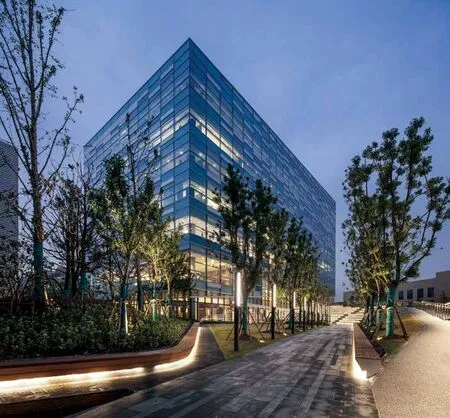
這座7層高的新辦公大樓是彰顯園區(qū)和企業(yè)文化的活力、動感和變革的極致表現。建筑設計的主旨是摒棄傳統(tǒng)狹隘的工作區(qū)域劃分,結合園區(qū)功能的聯(lián)通實踐,培養(yǎng)協(xié)作文化。整個地塊貫穿著一條室外步行軸線,員工可以根據工作需要按照指引輕松穿行于不同樓宇之間,最終到達室外集會廣場。露天作為整個園區(qū)重要的集合點,可以在此舉辦各類集會,以鼓勵整個園區(qū)不同部門間的互動。
阿斯利康辦公策略鼓勵將當地文化融入設計中,賦予空間和其中的人身份認同感。這個全新辦公空間的設計靈感來源于上海這座城市和居住在這座城市的人。辦公大樓的每一層都被賦予不同的主題,處處映射著上海的公共空間和地標建筑是如何激發(fā)市民的參與感,和人建立維系。我們的設計細節(jié)也處處展現了這座繁華都市的活力四射和人文靈感,并與社區(qū)的核心精神相連。上海隨性自在的集會活動反映出對健康和藝術的珍視,這也是這座城市和生活在這里人們不變的精神內涵。
阿斯利康期望通過提高空間的適應性來延長空間的使用年限,以此減少碳排放,打造更為健康的社區(qū)環(huán)境。為了實現這一目標,設計師盡可能采用環(huán)保的材料和家具,引入自然光線和景觀來提高效率。除此之外,我們的設計還加入了空氣質量監(jiān)測、動靜感應器、日光傳感器、雨水收集裝置和可循環(huán)水澆灌系統(tǒng)等,實現了節(jié)能、節(jié)水和室內空氣質量的提升,各項指標均達到中國綠色建筑二星級標準。
設計盡可能將園區(qū)的綠化面積最大化,為用戶提供遮陰和休憩空間,減輕熱島效應。精心設計的分層景觀設計考慮到透水性和適當的排水性,為植物生存所需創(chuàng)造濕潤的環(huán)境條件。流失的設計讓水流被儲存在蓄水池中,供二次使用。采用當地的綠植品種,保證最低限度的維護,而屋頂則也參照了這種可持續(xù)的景觀設計方法。
憑借以上設計,阿斯利康三期的辦公空間打造了一個高度靈活且開放的空間,連接起科學與商業(yè),讓優(yōu)秀的人才得以在這片天地里得到成長,獲得成功。
室內設計
為了更好地表達阿斯利康的企業(yè)文化,我們的室內設計師團隊力圖保持大樓每層布局統(tǒng)一性的同時,根據當地文化和地標建筑為每層樓設置了一個主題。


ARCHlTECTURE
Located in Zhangjiang High Technology Park, Shanghai, AstraZeneca’s Campus Phase 3 project reflects the global pharmaceutical company’s vision to further promote innovation in its fastest-growing market, to create a new collaborative culture that retains/engages the top talents as well as build connections among the community.Collaborating with our client, B+H transformed Astra Zeneca’s vision and needs into a vibrant, high-performance work environment both inside and out through an integrated approach to architecture, interior and landscape design.
The new seven-storey office building expresses the culmination of energy, movement, and transformation on campus and for the company culture as a whole. The architecture addresses the cultivation of a collaborative culture through the absolution of traditional insular and compartmentalized workspaces and practices by connecting all campus functions. Through an outdoor pedestrian axis that runs the length of the site, employees are guided effortlessly from one building to the next as their tasks change, with their journey culminating at the main exterior townhall plaza. This plaza serves as the central point of convergence, encouraging interactions among those on campus by inviting gatherings of all types.
The encouragement of gatherings in the townhall plaza is a key re fl ection of the culture of Shanghai itself, which our design aimed to weave in throughout the space. AstraZeneca’s workplace strategy encourages the local culture to be celebrated through the design, giving the space its own identity, which resonates with the occupants. Our design for this new workplace is inspired by the city and its people. Each level of the building captures a theme of how local civic spaces and landmarks spark engagement and connections among people. Through design details that live as artful expressions of the local culture, we can connect with the authentic spirit of the larger community. Shanghai’s casual get-togethers demonstrate a dedication to health and the arts, and live as a declaration to the enduring spirit of the city and its people.
Astra Zeneca aimed to encourage the reduction of their carbon footprint by adapting spaces to extend their lifespans, and in turn collectively contribute to a healthy community. To achieve this, the designers sourced ecofriendly materials and furniture, and incorporated natural daylight and views to increase productivity. Additionally, the design incorporated air quality monitoring, occupancy/daylight sensors, rainwater collection and grey water irrigation systems to achieve energy savings, water reduction and indoor air quality requirements that exceed China Two Star sustainable standards.
Green coverage on-site is maximized to provide shading and relief from heat island effect. A strategically layered landscape design allows for water permeability and proper drainage to create the moist conditions required to support plant life. A zero-runoff site, water is collected in cisterns for reuse. Using greenery native to the area,vegetative varietals are resilient and require minimal maintenance while a green roof tops off this sustainable approach to landscape design.
Taken together, the design for the new Astra Zeneca workspace is a fl exible open space that connects people, links science with the business, and engages the talent to grow and thrive at work.
lNTERlOR DESlGN
To better express the company’s culture, our interior design team began the work by developing a plan that created a consistent layout across all seven fl oors, assigning each fl oor a theme, inspired by local culture and landmarks.

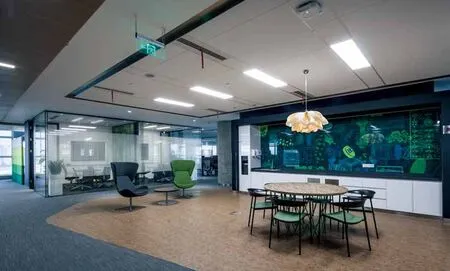

辦公大樓內設有各類私密空間和開放休閑區(qū)域——它們布局靈活,配有相應設施,員工可以輕松地重新地根據需求來使用這些空間。簡約的空間設計,靈活的空間布置保證了空間利用率的最優(yōu)化,也為靈感的迸發(fā)和非正式會議提供了理想的場地。中心共享空間則是培養(yǎng)協(xié)作意識和信息交換互通的好去處。非線性通道則可以引導人們輕松地穿行于不同部門和功能分區(qū)之間,營造開放透明的環(huán)境氛圍。
精心設計的工業(yè)風與上海的街巷弄堂的市井氣息遙相呼應,諸如此類的設計細節(jié)貫穿所有樓層:混凝土石柱,回收磚塊做成的裝飾墻,定制混凝土家具以及用雕刻混凝土小立方和編織線纜制成的燈飾。
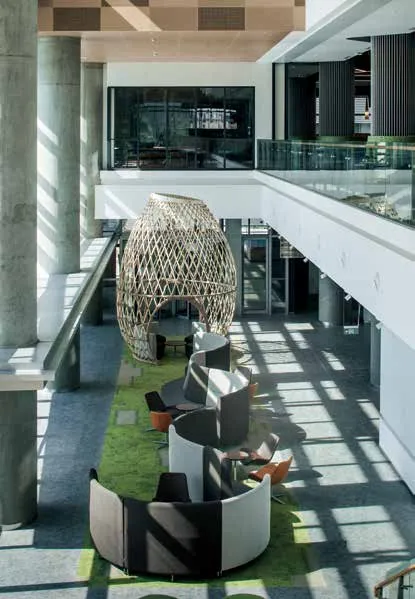
其他的設計細節(jié)也更深層次地體現出上海本地文化。大廳入口處的裝飾墻由交錯的木塊壘砌而成,其靈感來源于中秋節(jié)制作月餅所使用到的木質月餅模具。電梯轎廂內的圖形設計細節(jié)則是上海地標建筑的特寫。一層的沙發(fā)座椅模仿竹制蒸籠的結構來設計和制作,為員工提供舒適的工作空間,交織的細繩在光影的襯托下呈現戲劇般的視覺體驗。
二樓餐廳的餐桌為員工打造了一個包容性強的社區(qū)氛圍,員工可以根據自己的口味自由選擇的各式餐飲,與團隊成員圍坐在一起分享美食,或者借機會認識新同事。一層和二層之間的開放連通區(qū)域則是激發(fā)熱情和活力的空間。自然光線通過一樓大廳區(qū)域碩大的落地窗灑進建筑內部,將室內外的空間聯(lián)系起來,體現了上海這個城市以及阿斯利康開放、包容的企業(yè)文化。大樓的每個樓層都擁有充足的自然采光,有效幫助提升員工的健康和幸福感。
這座新建辦公大樓處處體現著上海的美麗和獨特的多元性,這也和阿斯利康的文化相契合。具有包容性的設計提升了團隊凝聚力,激發(fā)創(chuàng)造力,并通過創(chuàng)新文化打造了一個完美的科研空間。
A wide range of settings for personal spaces and casual zones are provided - fl exible layouts with amenities that enable staff to easily rearrange the space and fixtures. Simplified area planning optimizes space utilization through flexible settings that inspire impromptu and informal meetings. Central shared spaces create active environments to encourage collaboration and information exchange. Non-linear pathways up and through spaces prompt easy circulation across departments and functions, promoting openness and transparency.
A re fi ned industrial design aesthetic reminiscent of the streets of Shanghai ties together all the fl oors: concrete columns,feature walls made from reclaimed bricks, tailormade concrete furniture and lighting fi xtures made from moulded concrete cubes and knotted wires.
Further re fl ections of the local culture can be seen in details. The feature wall at the entrance of the lobby is fabricated with staggered blocks of wood, inspired by mooncake moulds, used for the Chinese traditional Mid-Autumn Festival. Graphic details in the elevator cabs are composed of close-up shots of landmark buildings in Shanghai. Designed and fabricated to mimic a bamboo steamer, pod seating on Level 1 provides a comfortable place to work while its strings play with light and shadow to create a dramatic effect.
Creating an inclusive community feel, central seating in the canteen allows for everyone to fi ll their plates with whatever their taste buds desire and set off to grab a seat next to a teammate, or share their time getting to know someone new.Overlooking the expansive void that stretches to the building’s ground level, the bustling energy from the fi rst and second fl oors blend to create excitement and a high-energy buzz. The dramatic fl oor-to-ceiling windows in the main lobby allow natural light to pour into the space,and create a visual connection with the outdoors that is important to both the local Shanghai and corporate Astra Zeneca culture. Ample access to natural light is continued throughout the seven levels of the building, assisting in the promotion of the health and well-being of the staff.
By re fl ecting the beautiful and unique diversity of Shanghai itself, the same diversity is encouraged within Astra Zeneca. The inclusive interior design brings employees together to spark ideas and create a space for science through a culture of creativity.



猜你喜歡
國家教育行政學院學報(2022年9期)2022-10-10 10:02:28
——《勢能》
文化縱橫(2022年3期)2022-09-07 11:43:18
少先隊活動(2021年5期)2021-07-22 09:00:02
家庭影院技術(2020年11期)2020-12-28 01:22:42
河北畫報(2020年8期)2020-10-27 02:54:22
建材發(fā)展導向(2019年10期)2019-08-24 06:25:04
現代園藝(2018年1期)2018-03-15 07:56:33
現代園藝(2017年23期)2018-01-18 06:58:06
現代裝飾(2017年9期)2017-05-25 01:59:43
中國房地產業(yè)(2016年2期)2016-03-01 01:25:34