
Integrating cupping therapy in the management of tinnitus and dizziness:a pilot study
2021-06-23 07:55:14ZainabAlmuslehMahaAlSulaiteenKhalidHadiEntissarHassanAmnaAliJaleelCharalil
TMR Non-Drug Therapy 2021年2期
Zainab Almusleh,Maha Al Sulaiteen,Khalid A.Hadi,Entissar Hassan,Amna Ali,Jaleel Charalil
1Senior Consultant,Hearing&Balance Disorders,Hamad Medical Corporation,Doha,Qatar.2Specialist Hearing&Balance Disorders,Hamad Medical Corporation,Doha,Qatar.3Hearing&Balance technician,Hamad Medical Corporation,Doha,Qatar.
Abstract Background:Cupping therapy is one of integrative medicine modalities which is used by several nations.Its mechanism of action is not well known but there are several theories explained how it can play a rule in the treatment of diseases.In recent years,huge advances have taken place in understanding of inner ear pathophysiology causing sensorineural hearing loss,tinnitus,and vertigo.Research articles providing evidence of acupuncture treating dizziness and vertigo but no studies of cupping therapy.The aim of this pilot study was to evaluate the safety and efficacy of integrating wet cupping therapy in the management of tinnitus and dizziness associated with ear pathologies.Methods:This is a prospective interventional pilot study in which pre and post intervention outcomes(tinnitus handicap inventory and dizziness handicap inventory)were assessed and compared.27 patients diagnosed with Ménière's disease and idiopathic tinnitus or tinnitus secondary to inner ear pathology were included in this study and received usual medical treatment and wet cupping therapy.Results:There was a significant improvement after 6 sessions of cupping in tinnitus handicap inventory and dizziness handicap inventory but not in patient’s hearing.No adverse events were reported in this study.Conclusion:Wet cupping therapy demonstrates a promising effectiveness in reducing discomforts of both dizziness and tinnitus.A large scale randomized controlled trial is recommended.
Keywords:Cupping therapy,Inner ear disease,Tinnitus,Meniere’s disease,Dizziness
Background
Classical inner ear disease involves the entire membranous labyrinth.It is characterized by the triad of sensorineural hearing loss,tinnitus,and vertigo which are the typical presentation of Meniere’s disease(MD).Underlying pathology may involve inner ear hair cells,supporting cells,or an aberrant inner ear homeostasis resulting in altered composition of the endo-and perilymph,with direct effects on the integrity and functionality of the hair cells.Altered afferent and efferent auditory pathways may accompany a diseased inner ear or be the primary cause of inner ear symptoms[1].
MD is a long term progressive disease that damages the inner ear’s balance leading to episodic vertigo with or without drop attack and damage to the hearing parts leading to tinnitus,ear fullness and fluctuating hearing loss of lower pitches that can progress to all pitches,often evolving to permanent hearing loss[2].
Ear pathologies including sudden hearing loss was diagnosed by ear inspection,tympanic membrane visualization,otoscopy,audiometry,and tympanometry[2].These patients also reported symptoms such as:tinnitus,ear pressure,vertigo,and ear fullness as mentioned before[2].
Conventional treatment includes drugs(vestibular suppressants,anti-emetics,and benzodiazepines),rehabilitation and diet changes[3,4]may have only symptomatic relief results[5]and are often accompanied with unavoidable side-effects.Therefore,integrative medicine should be tried in this case.
Tinnitus is one of the major audiological symptoms.Despite its huge personal and presumed economic impact there are only limited therapeutic options available.The reason for this deficiency lies in the very nature of the disease as it is deeply connected to elementary plasticity of auditory processing in the central nervous system[6],recent research has explored complementary and alternative medicine therapies to alleviate the symptoms.Such complementary and alternative medicine therapies included acupuncture,Ginkgo Biloba herbal remedies and others[3,4]as well as wet cupping therapy(WCT).
In general,there is little published information on which complementary and alternative medicine therapies might help those with MD[3],but several research articles providing evidence of acupuncture treating dizziness[7].
WCT is performed by applying cups to selected skin points and creating a sub-atmospheric pressure,either by heat or by suction[8]followed by superficial scratches of the skin,then re-applying the cups.
To the best of our knowledge,the importance of this study is that it is the first study to evaluate the effect of cupping as a complementary therapy to treat MD.No study covered both conventional medicine and WCT to treat symptoms of MD or tinnitus,despite that WCT has been evaluated and had a promising effectiveness in the treatment of many diverse disorders.Such conditions include migraine[9],Bell’s palsy[10],shoulder and neck pain[11],as well as general conditions e.g.postoperative nausea and vomiting[12],hypertension[13],and a range of rheumatic[14],and chronic medical conditions[15].
The aim of the current study is to focus on evaluating the efficacy and safety of WCT in patients with dizziness,and idiopathic tinnitus in inner ear pathology.
Methods
Informed consent
The Medical Research center at Hamad Medical Corporation approved this study(Protocol:#13322/13).This is a prospective interventional pilot study in which pre and post intervention outcomes were assessed and compared.Written informed consent was obtained from all participants as required.
Participants
At the Dizziness and Tinnitus clinic of the Audiovestibular unit in Hamad Medical Corporation,patients were informed of the study,provided information on its aims and objectives,and invited to participate in the study.
Inclusion criteria.(1)Patients diagnosed with MD or with idiopathic tinnitus/tinnitus secondary to etiologies other than MD who were not responding to other management modalities(e.g.medications,rehabilitation,hearing aids,laser therapy)according to our protocols at the Audiovestibular unit.(2)Both gender between 20 and 60 years.(3)Who agreed to participate in the trial.
Exclusion criteria.(1)Patients aged<20 years or above 60 years.(2)Anemic patients(Hemoglobin<11 g/dL).(3)Patients with chronic illness(e.g.cardiac patients with pacemaker,patients on anticoagulant medication,renal failure patients).
All patients presenting at audiovestibular clinics at Hamad Hospital between 24 April 2017 and 9 January 2018 who agreed to participate in the study were screened for the inclusion and exclusion criteria and those eligible were included in the study.
A total of 102 patients presented with either MD or with idiopathic tinnitus/tinnitus secondary to etiologies other than MD over the study period.After screening,73 patients did not satisfy the inclusion criteria or did not wish to participate and were hence excluded from the study.We recruited a total of 29 patients,out of which 2 patients were subsequently excluded(did not show up the first WCT session).The resulting 27 patients comprised those with MD(N=6)or with idiopathic tinnitus/tinnitus secondary to etiologies other than MD(N=21)and were included in the current analysis.
Procedures and measurements
In the clinic,Cupping points were selected at post-auricular points and patients were cupped by a professional cupping therapist.The procedure repeated every 4 weeks over 24 weeks duration(six sessions).
We measured and compared the patient’s blood pressure pre-and post each WCT session to check for postural hypotension[16].We assessed the patient’s hearing level(HL),Tinnitus Handicap Inventory(THI)[17]and Dizziness Handicap Inventory(DHI)[18],and measured the hemoglobin level,and lipid profile that included triglycerides,cholesterol,low density lipoprotein(LDL)and high-density lipoprotein,and compared the levels of these parameters before(baseline)and after completion of the course of treatment(six WCT sessions)to check overall patients’health status.The study also reported any local or systemic side effects of the WCT sessions.
Tools
DHI is a 25 items self-assessment inventory designed to assessed self-perceived handicapped effect imposed by dizziness,areas of assessment are:balance,gait,social relationship,quality of life and vestibular.
THI use validated tinnitus questionnaires,is a self-administered test that use to help determine the degree of distress suffered by the tinnitus patient.It is widely used in medical offices and in clinical trials to determine the effectiveness of a given therapy.The purpose of this questionnaire is to identify difficulties that may be experiencing because of tinnitus,focused instead on the impact of tinnitus on a person’s activities of daily living.The THI is the most recent,most reliable,and most widely used of several questionnaires developed over the last 20 years.
HL shows the audible threshold for standardized frequencies as measured by an audiometer.It measured the intensity in decibels at certain frequencies measured in hertz.
Results
Our Study sample mean age was 44,gender distribution was 63.0%female,37%male.While,66.7%of them Qatari,33.3%non-Qatari.
Table 1 showed that DHI and THI were both improved after the complete WCT regimen.However,pure tone audiometry tests showed no HL improvement across most frequencies.Furthermore,there is a significant drop in LDL levels after the complete WCT regimen.There is no significant drop of hemoglobin which indicated that there is no significant effect of WCT on hemoglobin levels after 6 sessions.
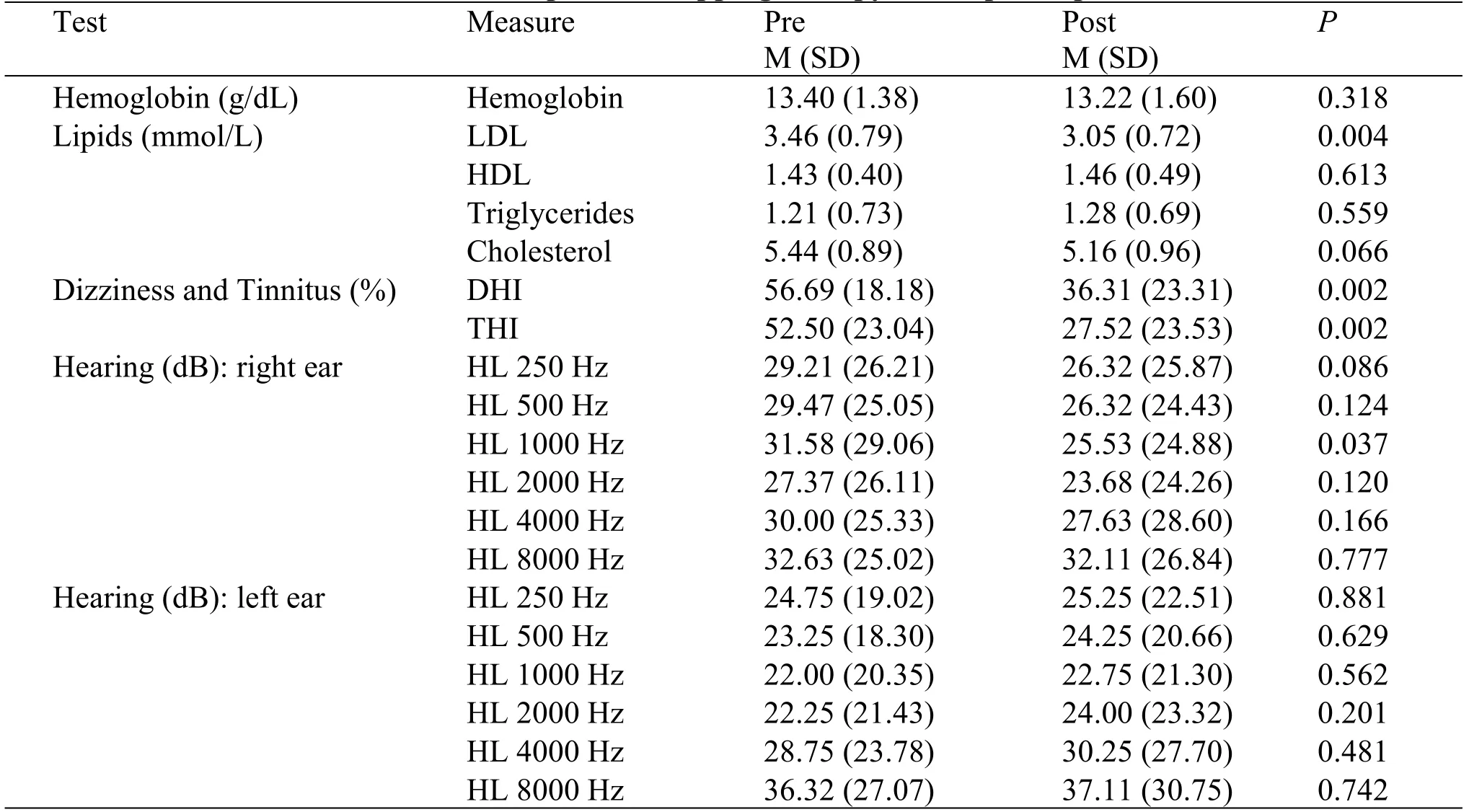
Table 1 Pre and post wet cupping therapy for all participants
For patients with MD,Table 2 showed that there were no significant changes in all parameters under examination except for a significant drop in LDL levels and significant improvement in THI after completion of the 6 WCT sessions.
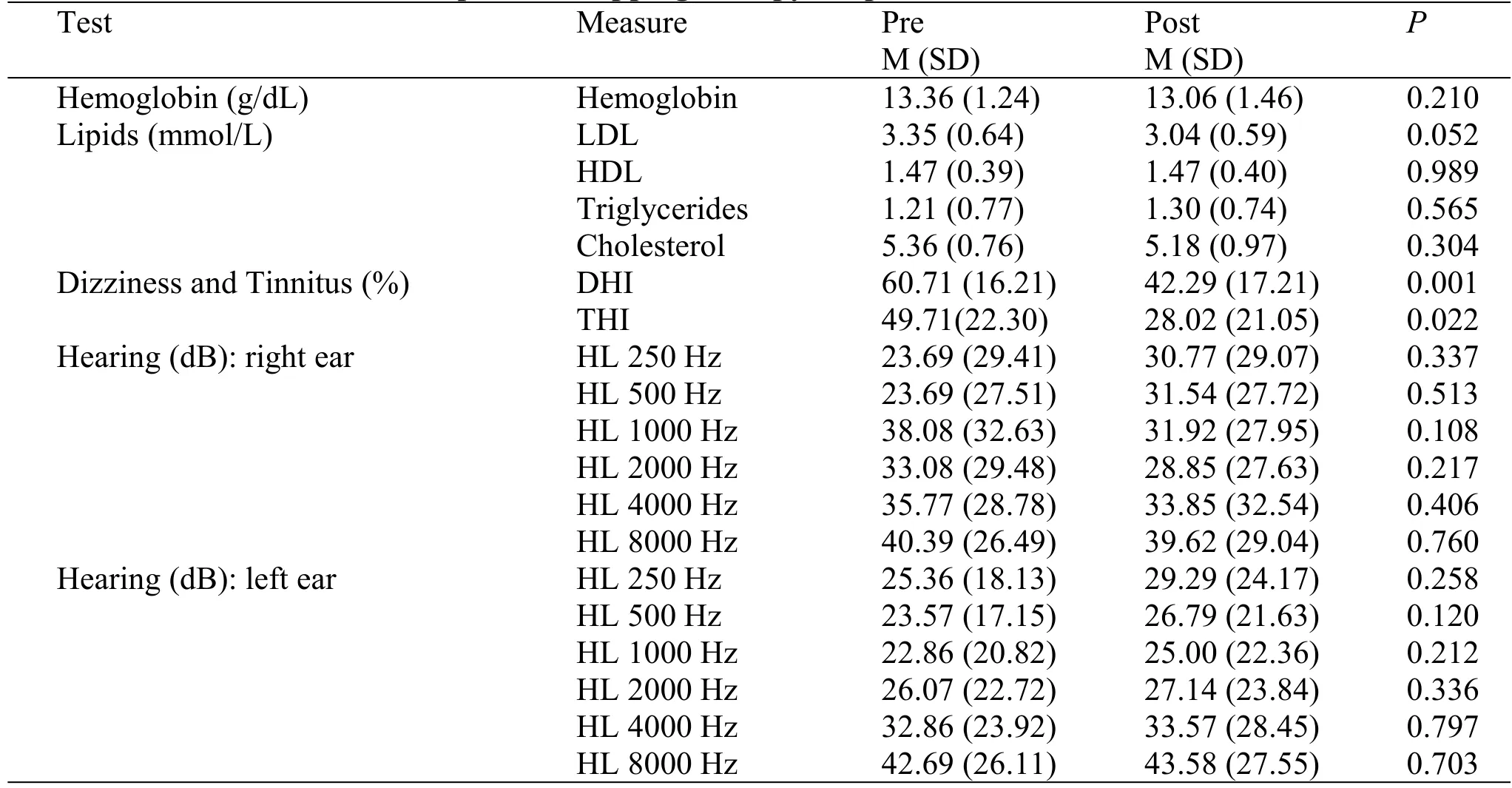
Table 2 Pre and post wet cupping therapy for patients with Meniere’s disease
For patients with Tinnitus due to etiologies other than MD,Table 3 depicts that there was a significant drop in LDL levels after the complete WCT regimen.DHI and THI were both improved after the complete WCT regimen.However,pure tone audiometry tests showed no HL improvement across most frequencies after completion of the 6 WCT sessions.
As for side effects,no local or systemic side effect reported during this study.
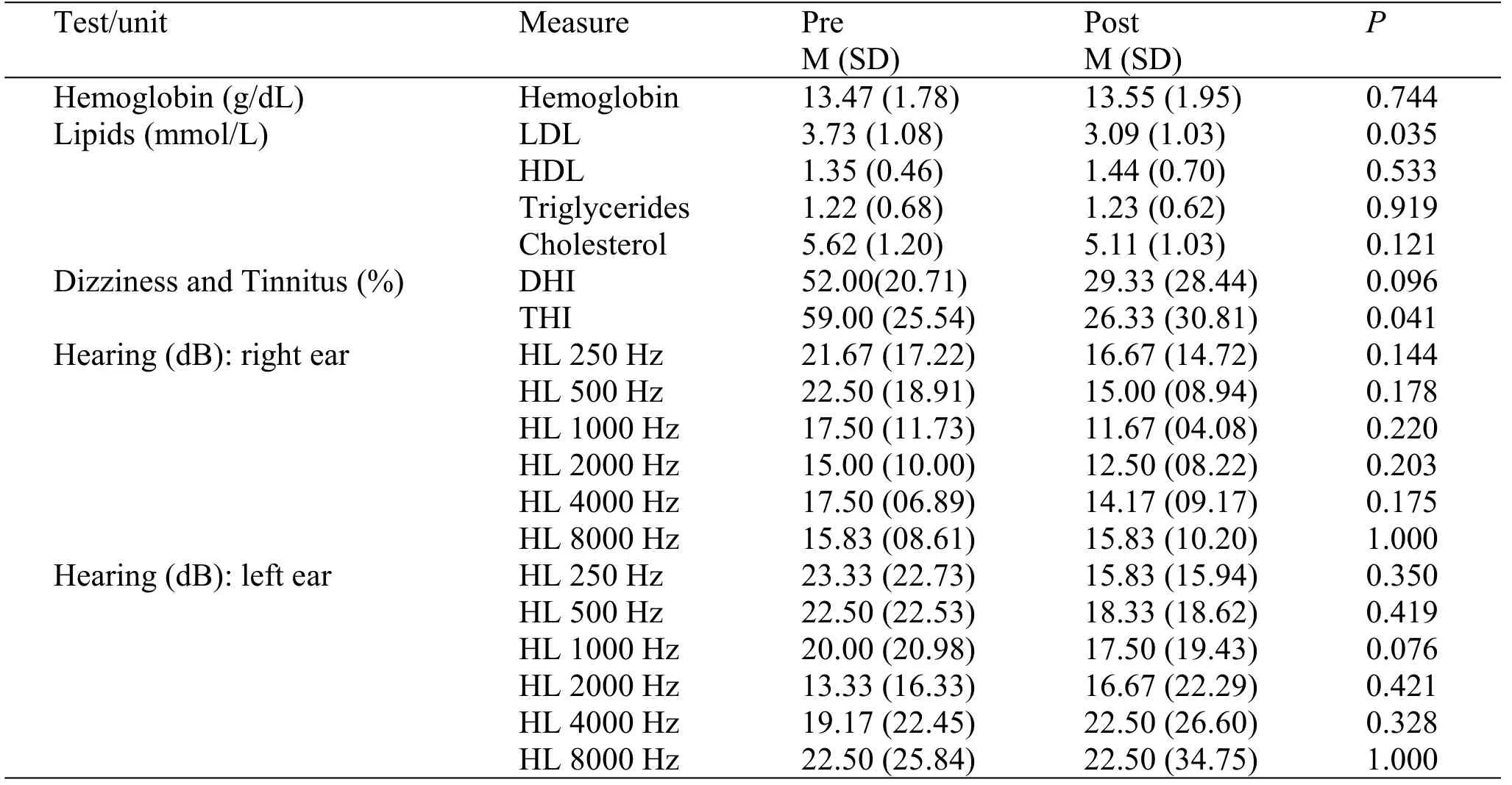
Table 3 Pre and post wet cupping therapy for patients with Tinnitus due to etiologies other than Meniere’s disease
Discussion
There is a promising evidence in favor of the use of WCT in a range of conditions[19].It may complement the management of a range of diseases of various etiologies and pathogenesis(e.g.rheumatoid arthritis,hypertension,migraine and other head and neck conditions,carpal tunnel syndrome,fibromyalgia,cellulitis)[20].MD is a long-term,progressive disease that damages the balance and hearing parts of the inner ear[21].However,there are very few published studies that assessed whether complementary therapies generally might be helpful in the management of patients with MD[3]or tinnitus.The current pilot study assessed the outcomes of WCT as an intervention,comparing a range of parameters before and after the WCT for 27 patients diagnosed with MD or idiopathic tinnitus/tinnitus secondary to inner ear pathology.The main findings were that,after 6 WCT sessions,there were significant improvements in the DHI and THI scores of whole sample(P<0.05);however,there is no improvement in the HL.
Generally,the current study was unable to compare its findings with other studies as,to the best of our knowledge,there are no published studies of the use of WCT in inner ear pathologies(e.g.MD or idiopathic tinnitus/tinnitus secondary to inner ear pathology).Nevertheless,other complementary therapies,e.g.acupuncture treatment trials greatly improved MD in terms of the dizziness,but not HL[22],was in support of our findings.
In terms of the improvement in DHI subsequent to WCT,there seems no literature on the topic.However,a systematic review of other complementary therapies,e.g.acupuncture for MD suggested a potential benefit of acupuncture for persons with MD[21].Likewise,a literature-based clinical review of the treatment of MD reported that“as yet,no treatment has prospectively modified the clinical course of the condition”[23].Our findings are not in total agreement with such statement,as for our MD patient,we observed a significant improvement in the dizziness(pre 60.71 vs.post 42.29,P=0.001,Table 2).
In MD patients,dizziness is a significant symptom to the extent that it is diagnosing criterion for MD[24].Likewise,dizziness is a critically shapes the quality of life of patients,and drop attacks seem to be associated with tinnitus[24].In addition,the perception of disability among MD patients is correlated to the vestibular symptoms[25]to the extent that management of MD mainly aims at the relief of acute attacks of vertigo and prevention of recurrent attacks[26].The decrease in the DHI scores we observed as improved dizziness moved the patient from the status of“moderate handicap”to a“mild handicap”after integrating cupping.However,a point to note that our sub analysis showed that improvement in DHI was only evident with MD(Table 2)but not among patients with Tinnitus due to etiologies other than MD(Table 3).This is expected as in Tinnitus due to etiologies other than MD,dizziness is not the main feature except in acute labrinthitis which is not presented among our tinnitus patients[27].
In terms of HL,we observed no improvements in HL after WCT.As yet,no treatment has prospectively modified the clinical course of MD and thereby prevented the progressive hearing loss[21].For instance,acupuncture and drug treatment trials did not improve MD condition in term of chronic hearing loss[22].
In terms of other laboratory parameter,we observed a mild improvement in LDL levels after WCT,in line with previous research[28].
Whilst the current study cannot identify the reasons behind the improvement of the patient’s symptoms,there are many suggested mechanisms of action of cupping therapy,but the actual mechanism of action is not clear[29].Proposed mechanisms of action include the effects of sub-atmospheric pressure suction,promoting peripheral blood circulation by promotion of the skin’s blood flow and improving immunity[30,31].changing of the skin’s biomechanical properties[32],increasing pain thresholds and improving local anaerobic metabolism[33],reducing inflammation[34],modulation of the cellular immune system[35].Nitric oxide theory[29],genetic theory[36]are potential mechanisms of action of WCT that could be beneficial to the alleviation of such symptoms.
Conclusions
This pilot study suggested that WCT may be worth trying in patients with tinnitus and dizziness in combination with usual medical treatment to improve prognosis.A large scale randomized control trial is recommended to confirm these results.

- TMR Non-Drug Therapy的其它文章
- Research on acupuncture treatment of chronic stable angina by Chinese scholars
- Electroacupuncture in perioperative anesthesia and analgesia management:a non-invasive adjuvant treatment
- Research on acupuncture treatment of episodic migraine without aura by Chinese scholars
- The effect of dry-cupping combined with lavender oil massage on postpartum perineal pain:a case study
- Acupuncture in preventing postoperative nausea and vomiting:a systematic review and Bayesian network meta-analysis