
RCEP to Deepen Economic Cooperation
2021-11-26 08:58:30ByLilyWang
China’s foreign Trade 2021年1期
By Lily Wang
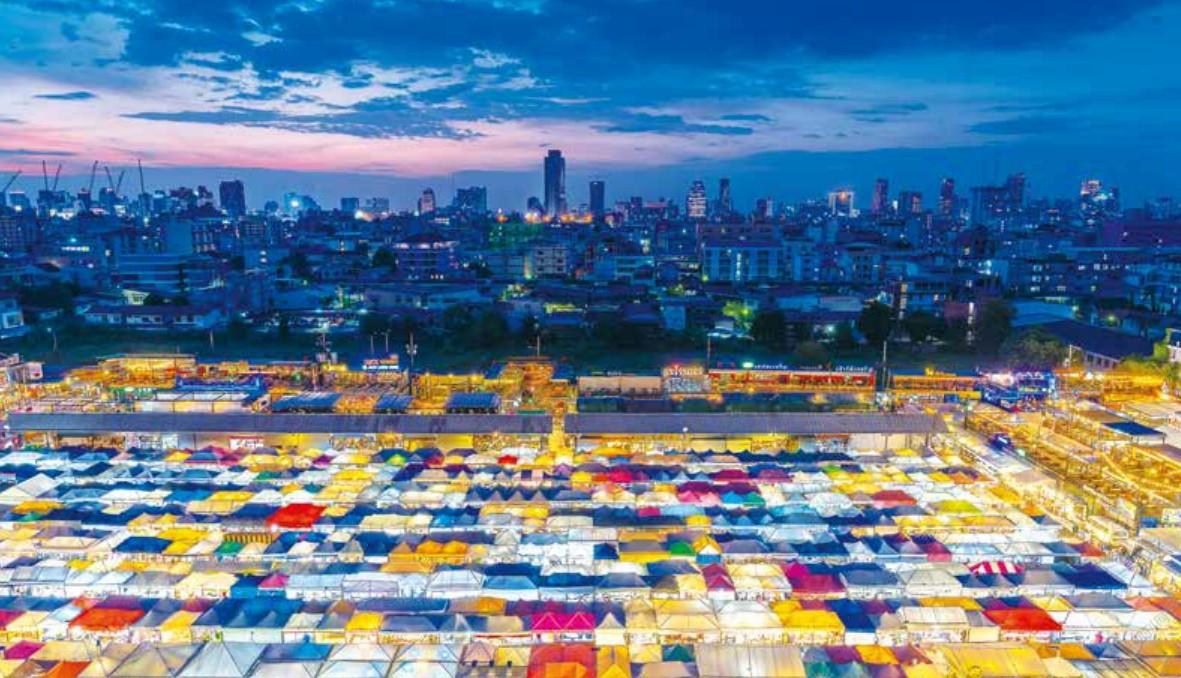
On December 16, 2020, the RCEP Communication Symposium was held by the CCPIT. This event invited representatives from embassies and business associations of RCEP member countries, including Vietnam, Indonesia, Malaysia, the Philippines, Thailand, Australia, Japan, South Korea and Singapore.
Stabilizing and promoting East Asian cooperation and the global economic recovery
CCPIT vice chairman Zhang Shaogang said that the signing of RCEP signals the launch of a free trade zone featuring the worlds largest population, biggest trade volume and highest development potential. Against the backdrop of the ongoing pandemic and continuing unilateralism, RCEP has great significance for stabilizing and advancing East Asian cooperation and the worlds economic recovery.
“The signing of RCEP is just a beginning. The more important thing is putting it into effect and ensuring its implementation. As a high-quality and high-standard trade agreement, RCEP will produce tremendous benefits and unleash a huge market potential. It will lead to the formation of a large market in East Asia. The Chinese business industry sincerely hopes that RCEP member countries will accelerate the internal approval procedures, in order to allow the agreement to take effect, so that the benefits will reach the business industries of member countries as soon as possible,” said Zhang Shaogang.
Yang Zhengwei, Deputy Director of the International Department of the Ministry of Commerce, said that China has started the internal approval procedure of RCEP and all the preparations will hopefully be finished within 6 months. It is estimated that the agreement will be approved at the end of May or early June 2021.
Yang Zhengwei also shed light on the opportunities that will be brought about by RCEP. First, RCEP will stimulate the growth of regional commodity trade. “RCEP member states will reduce tariffs on 90% of their products to zero, and the agreement adopts very inclusive rules of origin. These measures will further facilitate regional trade. The withdrawal of tariffs and non-tariff barriers, and the simplification of customs procedures will reduce the trade costs of RCEP member states and promote the growth of regional trade.”
Second, RCEP will enhance the regional industrial chain. Yang Zhengwei said that RCEP will allow for closer cooperation among enterprises, and the building of business connections between the upper and the lower chain. This will help form a strong and resilient supply chain in the region, and will also improve the efficiency of the supply chain. More importantly, customs cooperation and business cooperation can be integrated to make the supply chain more efficient.
Third, RCEP will bring about fresh opportunities for the service industry. RCEP member states have made very high promises in the sector of trade in service, which will outshine all of those included in existing free trade agreements between ASEAN and other member states. This is a high-level opening-up. Furthermore, because of the development of trade in goods, the industry chain will become more concentrated and trade in service will embrace large opportunities, including the integration of the industry chain, design and R&D for the industry, and financial services.
Fourth, the business environment of RCEP member states will be further improved. RCEP promises to build an open, fair and efficient business environment. “This will further improve RCEP member states governance in terms of the business environment and boost investors confidence in the region. As such, we believe that the better business environment under RCEP will attract more international investment into the region,” explained Yang Zhengwei.
Foreign ambassadors anticipate RCEPs role in promoting the economy
Dao?Viet?Anh, trade representative of Vietnams Embassy in China, said that the 2020 was a special year. The outbreak of the COVID-19 pandemic has had a negative impact on the world economy. “Against the backdrop of so many difficulties, ASEAN countried, China and other RCEP members states such as Japan, Korea, Australia and New Zealand have maintained a strong growth momentum. According to the General Administration of Customs, during the first 11 months of 2020, the trade volume between ASEAN countries and China reached USD 609.5 billion, up by 5.6%. ASEAN has become Chinas largest trading partner, and both its export and import volume have achieved positive growth.”
Dao?Viet?Anh also expressed that the signing of RCEP in Hanoi, Vietnam on November 15, 2020 laid a solid foundation for future trade and business cooperation between ASEAN countries, China, Japan, New Zealand and Australia. RCEP covers the worlds largest regional economy, as well as the largest population and trade volume. The total GDP of RCEP member states has already reached USD 26.2 trillion, accounting for 30% of the worlds total. Moreover, RCEP will facilitate trade cooperation between the member states, create new opportunities for cooperation, and strengthen the supply chain and industrial chain. RCEP, if taken into effect, will contribute 0.4-1% of the GDP growth for the region.
“In order to allow RCEP to come into effect as soon as possible and bring benefits to Vietnamese companies, the Vietnamese government and related departments have accelerated the approval procedure. We are also increasing training and publicity services for the local government, industry associations and enterprises, in order for them to acquire a deeper knowledge of the contents of RCEP and make full preparations for the agreement. We believe that with the joint efforts of all member states and enterprises, RCEP will push the trade cooperation of RCEP member states to a new level,” said Dao?Viet?Anh.
Virdiana?Ririen?Hapsari, Minister Counsellor of Economic Affairs of the Embassy of the Republic Indonesia, highlighted the fact that all RCEP member states have come to an agreement within the allotted time, which is a big success. RCEP will greatly facilitate regional trade and will create tangible benefits for the business industry. It will also advance industry integration and promote inclusive multilateral growth.
“For Indonesia, RCEP will greatly promote trade between ASEAN countries and other member states, and will increase the stability of trade among ASEAN countries. In 2019, Indonesias non-postal exports to RCEP member states accounted for 51% of Indonesias global exports. RCEP already accounts for 39% of Indonesias total exports. As such, the signing of RCEP will create more opportunities for Indonesias trade business, enhance its power to attract foreign investment and promote its integration with the global value chain. In addition, RCEP will make Indonesias GDP grow at a higher speed. It is also key to the growth of emerging businesses, such as e-commerce and SMEs,” explained Virdiana?Ririen?Hapsari.
See Chee Kong, Minister Counsellor?of Economic Affairs of Malaysias embassy in China, said that RCEP will help grow Malaysias GDP by 1%. He also said that Malaysia has great interest in the following communications regarding the agreement, including business publicity and promotion. He also hopes to work with his Chinese counterparts to hold a series of exhibitions and exchange meetings, so as to ensure the implementation of RCEP.
Glenn G. Pe?aranda, Minister Counsellor?of Economic Affairs?of the Philippine embassy in China, said that the Philippines attaches great importance to trade with RCEP member states. “We think that RCEP will become a catalyst for Philippine economic growth, as it will provide more opportunities for market access. In terms of products from the Philippines, RCEP will be a good platform to attract more foreign investment in manufacturing, R&D, financial services, the gaming industry, e-commerce, IT technology and business outsourcing.” He further emphasized that the Philippines is willing to work more closely with the business industry. “This agreement is not just about cooperation with the business industry of China, but also with the other RCEP member states. We will work together to bring the vast benefits of RCEP to SMEs.”
Chiyawan Chongvatana, Minister Counsellor?of Economic Affairs of Thailands embassy in China, said that RCEP has won support from all parties. Once it takes effect, it will become the worlds largest free trade agreement and will enhance the connections between all the member states. “This is very important, as we are working together to tackle global economic challenges. It will enhance value chain cooperation in the region, and even across the whole world. RCEP will build create economic and trade advantages for the region, and I strongly believe that it will play a more important role in boosting the confidence of investors and companies and in accelerating the global post-pandemic recovery.”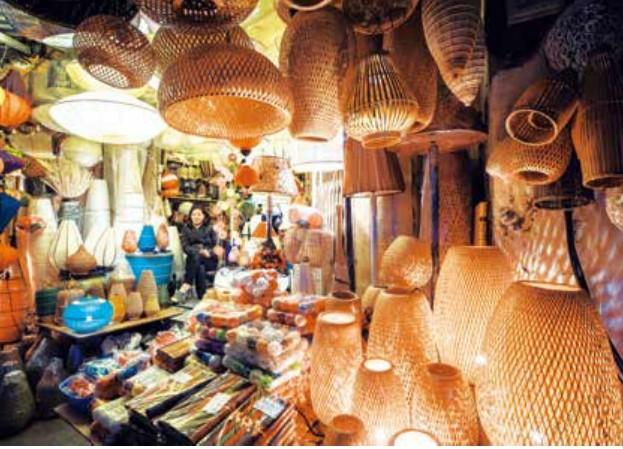
Lachlan William Crews,?Minister Counsellor?of Economic Affairs?of the Australian embassy in China, said that it is imperative to establish a set of rules for enhancing trade and investment, and to also uplift the trade barriers in order to increase transparency by building a clear mechanism. He said that RCEP will allow companies to enjoy favorable tariffs and the new rules of origin will accelerate the integration of the industry chain. There are also many technical regulations in the agreement, and such arrangements are able to cope with any potential issues that may arise.
Shigekazu Fukunaga, Minister Counsellor?of Economic Affairs of the Japanese Embassy in China, said, “China is Japans largest trading partner. RCEP will build a FTA relationship between the two countries. Approximately 86% of Japanese exports to China will enjoy zero tariffs, in particular car components and agricultural products. In addition, the new rules of origin will greatly benefit the RCEP member states.”
Sang-yi Lee, representative of South Koreas Embassy in China, explained that RCEP will increase South Koreas trade volume and make the trade structure more diverse. Regional trade regulation will also be further enhanced as the rules of origin are unified. Communication and cooperation between RCEP member states will further continue to grow.
Justin Allen, Counsellor?of Economic Affairs of New Zealands Embassy in China, said that RCEP will contribute NZD 2 billion of the GDP for New Zealand. In addition to this, it will bring further investment opportunities from other RCEP member states, including China. “We hope to grasp the opportunities presented by RCEP by increasing both exports and imports. This will also benefit global economic growth. We also hope to welcome Indias participation in RCEP in the future.”
All the countries involved have stated that the members states should accelerate their internal approval procedures and authorize the interpretation and promotion of the agreement through multiple channels, in order to allow companies to fully enjoy the development opportunities of RCEP. It is also important to let the favorable terms of RCEP benefit the business industry of the region.

- China’s foreign Trade的其它文章
- The Ongoing Year Will Be Much Better than 2020 in All Senses
- Making Digital Platforms Work for Asia and the Pacific
- Chinese High-Net-worth Individuals Have the Highest Confidence in the Future Economy of China
- Modern Tea Becomes Popular in the Capital Market
- China’s Consumption Market on the Road to Recovery
- China Enhances Financial Support for Major Foreign-Funded Enterprises