Ru Suichu Picturing Changes of the Times
2024-07-13 15:30:42byWangLei,ZhangJingwen,andTianXiao
China Pictorial 2024年5期
by Wang Lei,Zhang Jingwen,and Tian Xiao
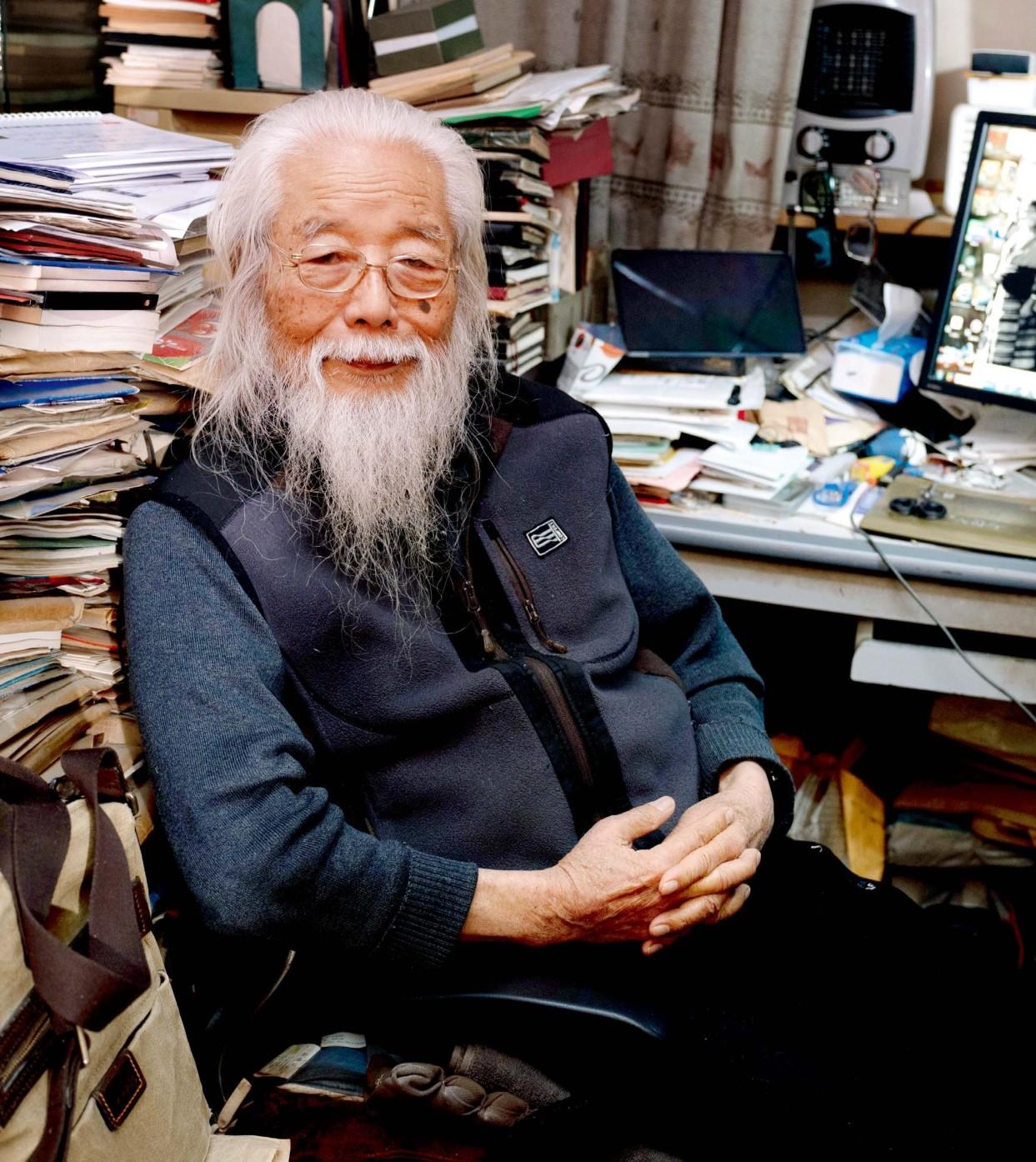
Ru Suichu, now 92, worked for nearly 40 years as a photojournalist for China Pictorial, the first comprehensive illustrated magazine aimed at a global audience in modern China. He began working in photojournalism in 1949, the year the Peoples Republic of China was founded, and consistently produced quality works from the 1950s through the 1990s. His photos not only mirrored the development of Chinese photography but also helped piece together the national memory. His images hold precious historical value for studying both the history of photography and the development of Chinese society and culture.
Between 1951 and 1952, Ru ventured to northwestern Chinas Qinghai Province as a fairly novice photographer. Over about nine months, he exposed a dozen rolls of film through a 135 camera to capture the lives and agricultural production of local farmers. The series was his first major project to grab attention nationwide. Long after the images were first published in 1952, they continued to appear in major Chinese media outlets and still do to this day.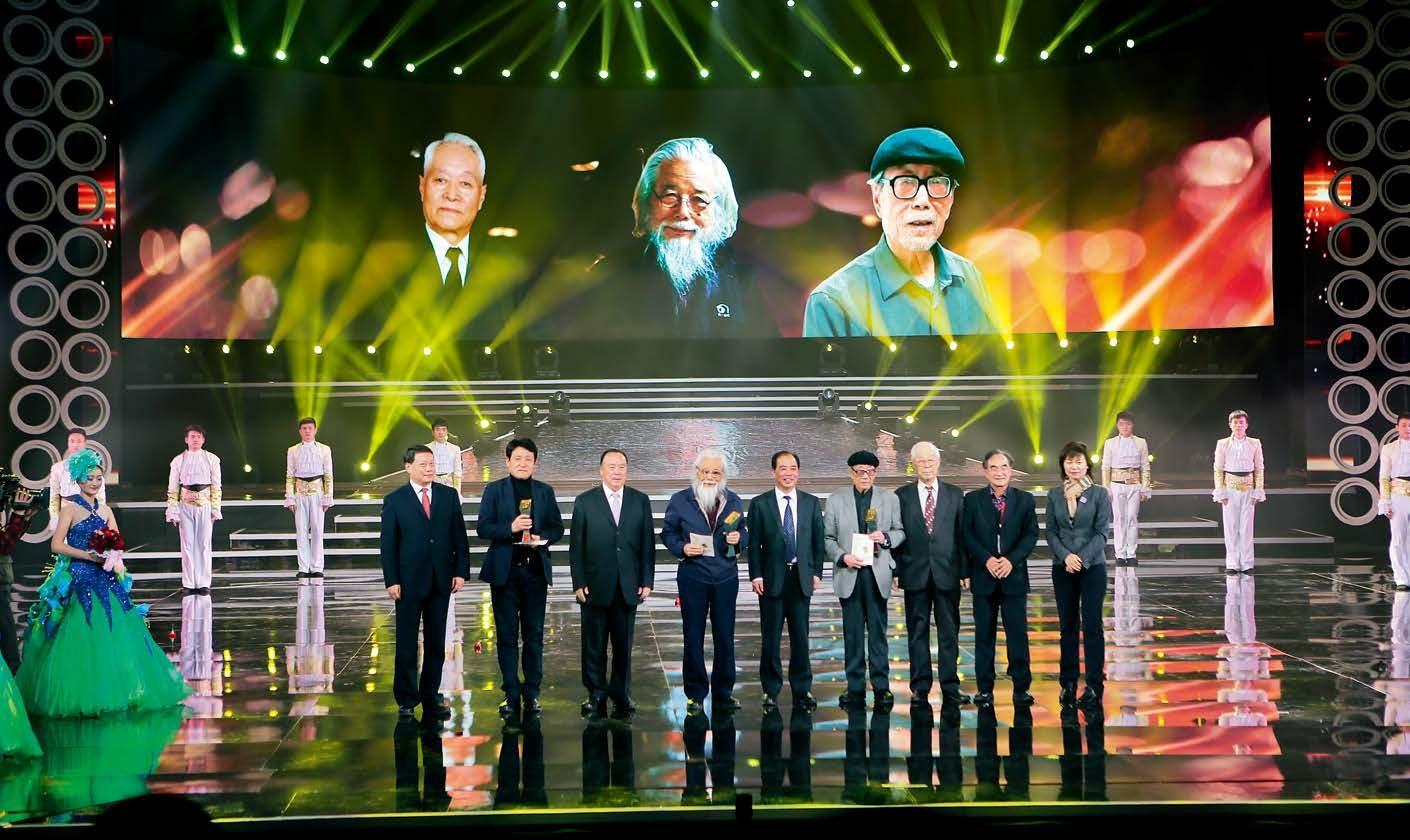
In the 1950s and 1960s, Ru made several trips to Xinjiang and Tibet in western China for news reporting. He traveled to Xinjiang nine times including with an expedition team of the Chinese Academy of Sciences as they carried out scientific surveys in the Altai Mountains. He also photographed the Tianshan pastoral areas to document herders lives in winter and accompanied the Xinjiang Wasteland Survey and Design Bureaus team to the Tarim Basin for wasteland investigations, among other activities. His lens covered not only the natural scenery and local customs of Xinjiang, but also the changes in the lives of the local people.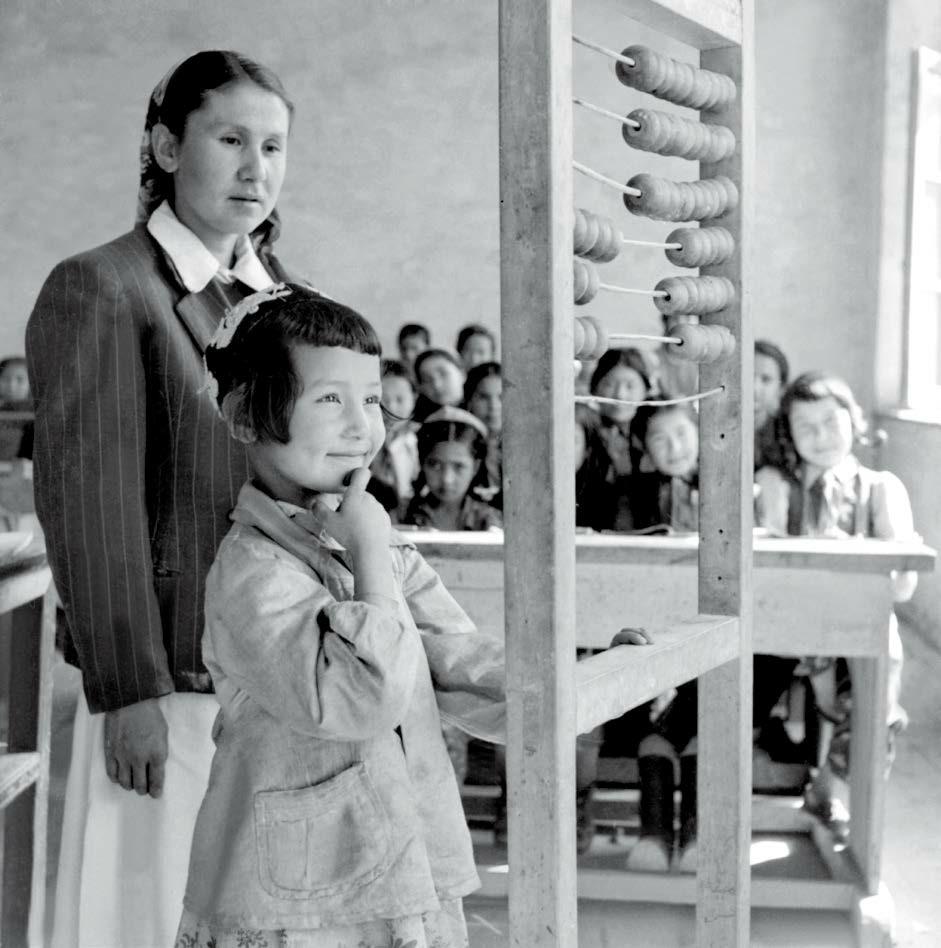
In 1959, democratic reform in Tibet completely eliminated the feudal serfdom system, liberating millions of serfs and turning a page on Tibets history. Ru visited Tibet twice to conduct interviews, first in 1963 and again in 1965. On his first trip to Tibet, flights were not yet landing in Lhasa, so he took a truck from Xining in Qinghai Province and then spent 10 days on the Qinghai-Tibet Highway to get there.
In Nêdong, Shannan, he documented the development of the former Khesum Manor with his lens. Khesum Manor was once the estate of a major Tibetan landlord. After Tibets democratic reform, Khesum Manor transformed into Khesum Township. Ru first arrived just in time to see the autumn harvest season and capture scenes of busy farmers. Ang Wang, mayor of Khesum Township, told him that in 1962, the townships total grain output exceeded 165 tons, more than double the figure before the democratic reform. And the township had over 80 draft cattle, more than four times the number in 1959.

In 1965, Ru made his second visit to Tibet just after the Tibet Autonomous Region was established. He personally experienced the changes in the region: By then, Tibet had been welcoming air travel, with flights from Chengdu landing at Lhasas Damxung Airport. Former serfs were starting new lives. He specifically published a series of photographic reports titled “New Lives in Tibet.”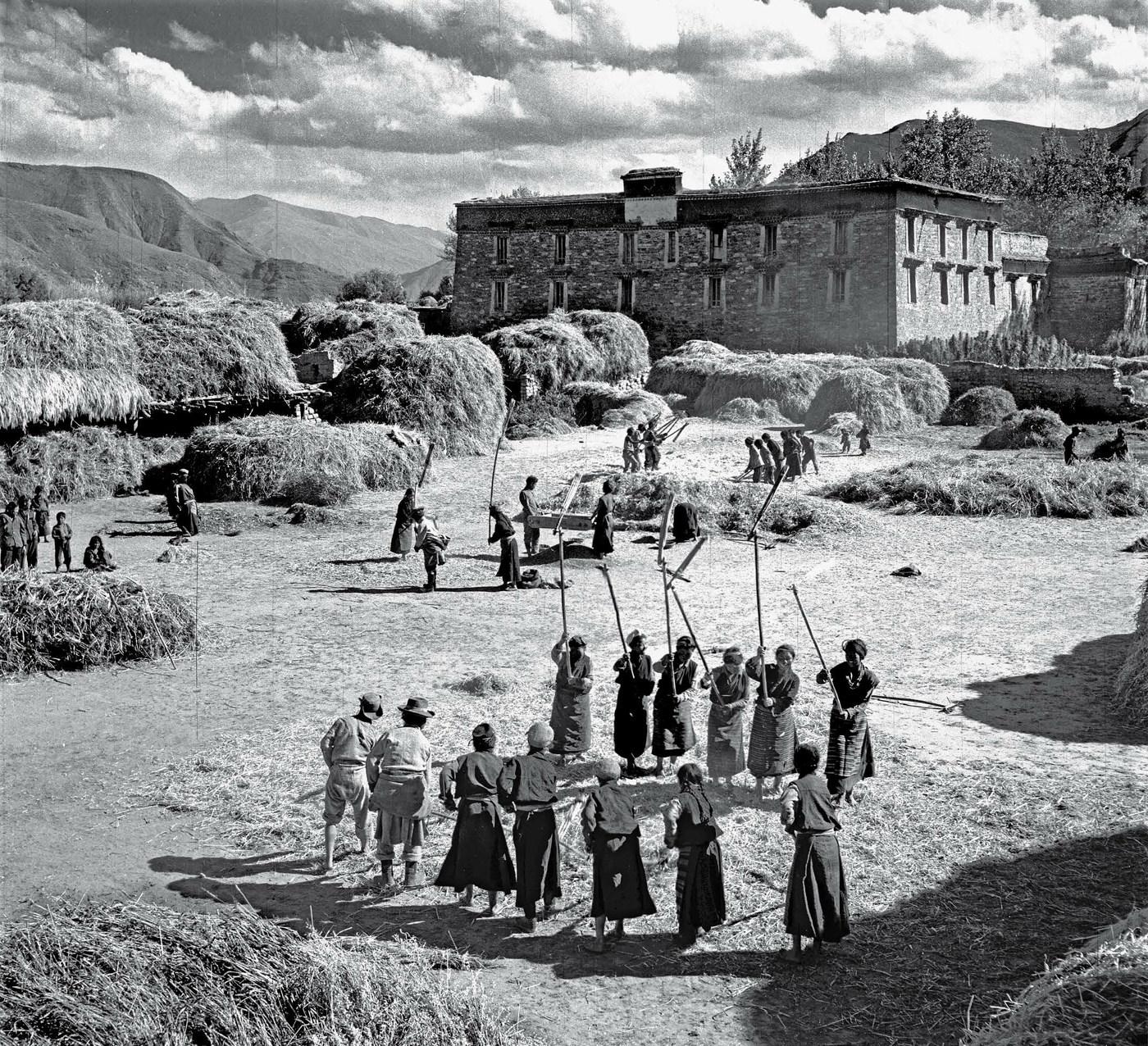
In August 1972, Ru and his colleagues from China Pictorial embarked on a journey to explore the source of the Yellow River, Chinas mother river. They rode horses and guided a herd of yaks laden with equipment and supplies to reach Yueguzong Liequ in Yushu Tibetan Autonomous Prefecture, Qinghai, which was identified as the source of the Yellow River by a survey team in 1952. Later, it was determined that Yueguzong Liequ was one of the three sources of the Yellow River. When he arrived, Ru excitedly snapped several images of the seemingly nondescript stream.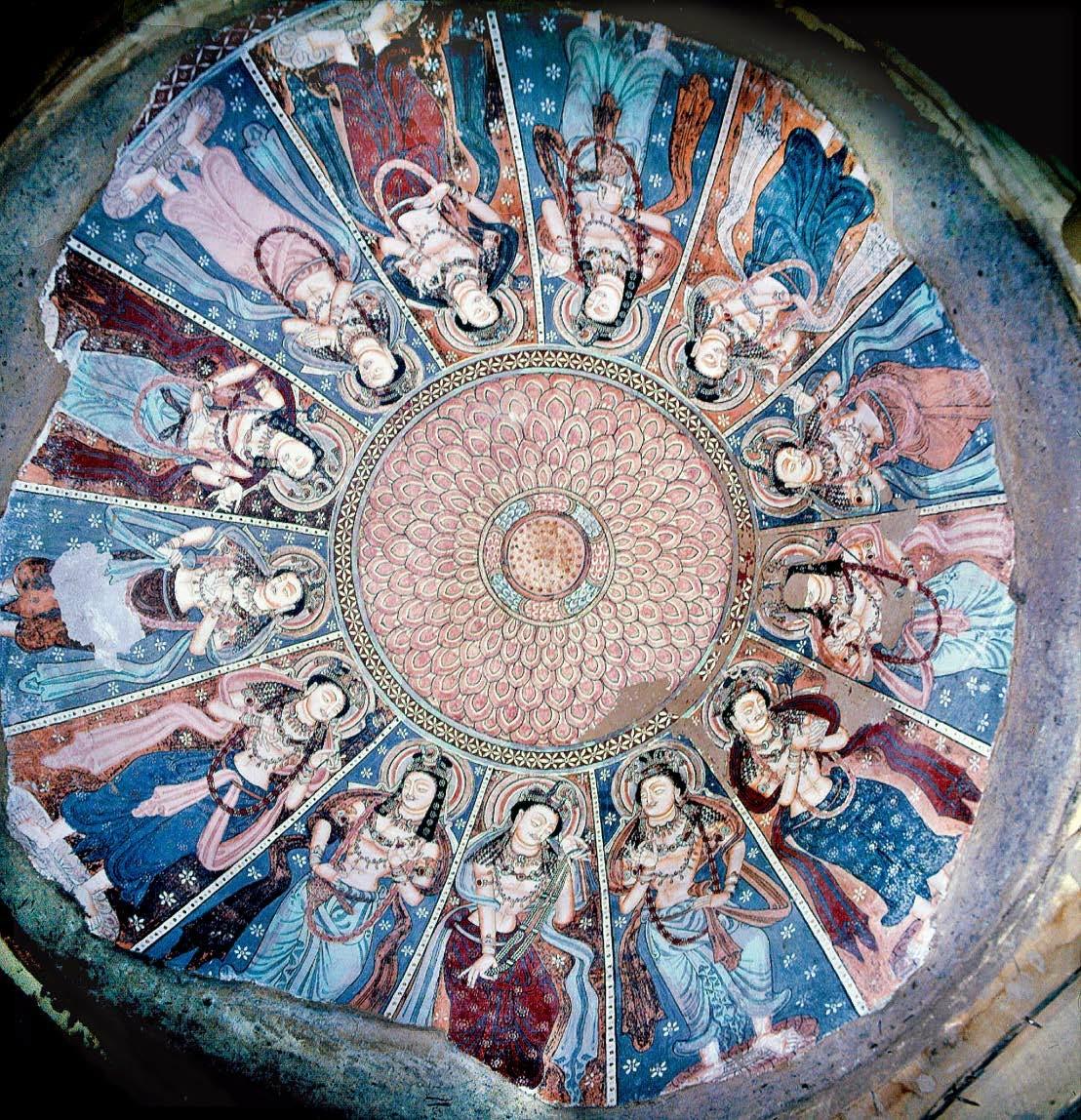
In 1976, Ru embarked on another journey to explore the source of the Yangtze River on the Qinghai-Tibet Plateau. Then, the exploration team focused on the source of the Tuotuo River in Qinghai, which is located on the southwest side of Geladandong Snow Mountain, the main peak of the Tanggula mountain range. They specifically targeted the Jianggendiru Glacier. Upon arriving there, Ru was fortunate enough to capture relatively complete images of the snow-capped mountains, glaciers, and braided streams. In its April 1977 issue, China Pictorial first claimed that the Yangtze River originates at Geladandong in the Tanggula Mountains. After precise measurements by relevant departments, the length of the Yangtze River was revised from 5,800 kilometers to 6,300 kilometers, making it the thirdlongest river in the world. Rus photos were the first to depict the magnificent landscapes of the Yangtze Rivers source for readers across China and around the world.
The Silk Road was a conduit for trade and cultural exchange between ancient China and foreign countries, and Ru became quite interested in this topic. On his suggestion, China Pictorial ran a special “Silk Road” column from 1978 to 1979. During this period, Ru ventured to Shaanxi, Gansu, and Xinjiang to conduct interviews and captured a wealth of photos related to the remains and unearthed cultural relics of the Silk Road. These works were serialized in the magazine across 20 issues and compiled into an illustrated collection published in 1985.
In those days, Ru oversaw the editing and publishing of more than a dozen large and medium-sized historical and cultural picture albums including Cultural Relics Unearthed in China. In September 2008, he led the establishment of an online archive of works by renowned Chinese photographers, which aims to preserve, display, and disseminate images from famous Chinese photographers. So far, it has collected tens of thousands of works by 186 Chinese photographers.
Despite losing sight in his left eye, Ru is still working. He remains committed to devoting his time to the benefit of the photography sector and society. Today, organizing photos taken in the past is one of his regular daily tasks. He has donated some of his old photo collections to relevant institutions, and as time passes, the historical and social value of these images will become increasingly significant.