
A greater focus on prevention and rehabilitation
2012-07-08 02:15:19ZiqingZHU
上海精神醫學 2012年6期
Ziqing ZHU
A greater focus on prevention and rehabilitation
Ziqing ZHU
The passage of China’s national mental health law on 26 October 2012 by the Standing Committee of the 11th National People's Congress (NPC) was a milestone event for patients with mental disorders, for the clinicians who treat them, and for the community at large. Prior to the release of the law, several surveys about the law had been conducted with different target groups in different parts of the country. Most of the surveys focused on issues of central concern to psychiatrists –the diagnosis and treatment of mental disorders – which are addressed in Chapter III of the law. But, as stated in Article 3 of the law, ‘…mental health work should adhere to the concept of integrating prevention, treatment, and rehabilitation,’ so it is also important to discuss and debate the components of the law that focus on the prevention (Chapter II) and rehabilitation (Chapter IV) of mental disorders. There is much less research about the community-based prevention and rehabilitation of mental disorders than about the treatment of mental disorders, so the suggested options for achieving these goals in the law are, necessarily, largely based on expert opinion, not on scientific research.
1. Prevention of mental disorders
Chapter II of the law identifies priority po pulations that should receive prevention services: community members in localities that have experienced natural or man-made disasters (Article 14), workplace populations (Article 15), school populations (Article 16), hospital populations (Article 17), and populations in custody (Article 17). The types of preventive services specified include education about psychological wellbeing; psychological guidance, advice and support; psychological counseling; and referral to a medical facility for psychiatric treatment if a mental disorder is suspected. Different governmental administrative departments are responsible to ensure that the respective institutions (i.e., schools, worksites, hospitals, prisons, etc.) provide the services specified (Article 19).
To support the mental health promotion effort, health departments are expected to establish mental health surveillance networks (Article 24); the media is expected to provide free promotion about mental health (Article 22); rural village committees and urban neighborhood committees (with the technical assistance of local health clinics) are expected to provide community members with advice about psychological well-being and to disseminate mental health information (Article 20); and family members are expected to ‘be concerned about each other and improve their awareness of the prevention of mental disorders’ (Article 21).
It will probably take many years to convert these aspirational goals about the prevention of mental disorders into reality. Very few institutions or organizations in China currently provide any type of preventative mental health services or have personnel who are qualified to provide such services. The law remains somewhat unclear on which types of personnel will provide the services, how they will be trained, and how their activities will be monitored and evaluated. Identifying these individuals, providing them with appropriate training, and situating them in appropriate institutional settings will be the first big hurdle that must be overcome. High-quality, qualitative and quantitative research will be needed to determine what types of mental health promotion are most effective for which types of individuals. Moreover, the ability of such mental health promotion efforts and psychological support initiatives to reduce the prevalence of mental disorders is uncertain, so large-scale, long-term follow-up studies are needed to confirm that the expenditure of resources on these preventive efforts is the best way of using resources.
2. Rehabilitation of mental disorders
Chapter IV of the law describes the role of medical facilities, employers, organizations for the disabled, guardians, and local village and neighborhood committees in the rehabilitation of individuals with mental disorders. The focus of the rehabilitative effort ison training in life skills, social skills and occupational skills. Medical facilities are expected to provide maintenance treatment with basic medications, establish a registry of persons with severe mental disorders, provide technical assistance to community-based rehabilitation facilities, and support guardians in their supervision of patients. If they need help to fulfill these responsibilities the county or equivalent level of the government is expected to provide guidance and training.
The main problem with implementing this part of the law is that there are almost no mental health professionals working in the community, particularly in rural communities. Without psychiatrists, health facilities will not be able to diagnose or treat mental illnesses (Article 25), so this will severely limit their ability to provide community-based treatment and rehabilitative services. And without local mental health professionals it is unclear who will provide technical support to the different types of institutions and individuals providing rehabilitative services. Rotating visits of psychiatrists from urban centers may help ameliorate the situation but such efforts are rarely sustained. Establishing incentives that are strong enough to get psychiatrists willing to work in county-level health facilities will be an essential component of any long-term solution to the general problem of providing community-based mental health services. The law does not address this crucial problem.
Another problem is that the specific content, method, frequency, duration and outcome criteria for rehabilitative services are not specified. In the absence of scientific evidence of effectiveness, the widespread application of non-descript interventions by individuals with limited training for indefinite lengths of time are unlikely to produce the desired results. The risk of wasting huge amounts of personnel resources is high.
The law has correctly highlighted the importance of prevention and rehabilitation in the overall effort to improve community mental health. Achieving these goals will, however, require mobilizing a wide range of community resources and establishing a solid scientific method for developing, implementing and evaluating specific interventions to ensure that these resources are used as effectively as possible.
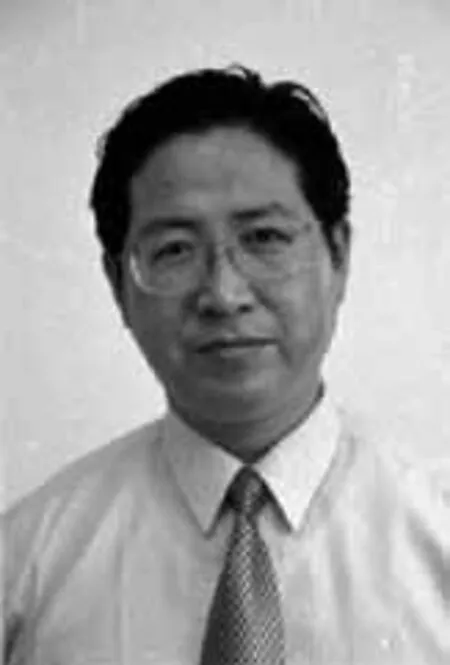
Ziqing Zhu,
his Bachelor’s in Medicine from Wuhan Workers Medical College in 1985 and a PhD. from Shanghai Medical University in 1999. He is currently a professor at the School of Medicine of Tongji University and Vice-director of the Center for Disease Control and Prevention at the Shanghai Mental Health Center. He is chairman of the Mental Health Committee of the Chinese Association of Preventive Medicine and vice-chairman of the Mental Disability Recovery Experts Committee of the China Association for the Rehabilitation of Disabled Persons. Involved in clinical, teaching, research, prevention and administrative work for over 30 years, Professor Zhu has published more than 120 scientific articles and received many awards for his contributions to mental health. His current research interest is family rehabilitation of chronic mental disorders.
10.3969/j.issn.1002-0829.2012.06.012
Shanghai Mental Health Center, Shanghai Jiao Tong University School of Medicine, Shanghai, China
*correspondence: zhuziqing616@gmail.com
- 上海精神醫學的其它文章
- Mental Health Law of the People’s Republic of China: inviting dialogue
- A long overdue pleasure
- Growth curve mixture models
- Case report of mental disorder induced by niacin deficiency
- To cure sometimes, to relieve often, to comfort always
- Is pharmacological intervention necessary in prodromal schizophrenia?