《安妮日記》在美出版歷經曲折
2017-04-06 08:38:55埃里克科拉里鄭文博審訂繆肖強
英語世界 2017年1期
文/埃里克·科拉里 譯/鄭文博 審訂/繆肖強
《安妮日記》在美出版歷經曲折
文/埃里克·科拉里 譯/鄭文博 審訂/繆肖強
Documents show that publishers were initially wary.
檔案記載,出版商最初都謹小慎微。
I t has been over 60 years since The Diary of Anne Frank was first published in the United States. Frequently listed among the most signi fi cant books of the twentieth century, the classic account of the 13-year-old girl who hid from the Nazis with her family in an attic in Amsterdam has long been an international bestseller. Many came to know the story in grade school, or through the adaptations for stage and screen. Few realize how dif fi cult it was for the story to be published, and how even more dif fi cult it was to get the book adapted for the stage. Several collections across the Harry Ransom Center help to tell this story.
《安妮日記》在美國首次出版至今已有60余載。這部作品是一個13歲女孩的經典記述,當年她和家人為躲避納粹迫害而躲藏于阿姆斯特丹的一間閣樓。該書屢次入選20世紀最重要書籍,一直全球暢銷。許多人讀小學時就知道了安妮的故事,或者看過改編的舞臺劇和影視劇。沒有多少人知曉當初出版有多艱難,更別說將書改編成舞臺劇了。存放于哈里·蘭塞姆研究中心的一些收藏品有助于揭開這段歷史。
[2] 1945年,安妮的父親奧托·弗蘭克從奧斯威辛集中營獲救后,發現自己是家中唯一的幸存者。他從梅普·吉斯那里拿到了他女兒的日記,正是這位世交幫助弗蘭克一家藏身,并在他們被捕后不久從家中找回了這些文稿。1947年,弗蘭克親自整理編輯了這些日記,以“秘密后屋”為名由阿姆斯特丹互通出版社出版發行了荷蘭語版。
[2] After his liberation from Auschwitz in 1945, Anne’s father Otto Frank discovered he was the sole survivor ofthe family. He was given his daughter’s diaries by Miep Gies, a family friend who had helped hide the Franks and had recovered the documents from the house shortly after the family’s arrest. Frank edited the diaries himself, and had them published in Dutch under the title Het Achterhuis (The Secret Annex) by Contact Publishing of Amsterdam in 1947.
[3] In the years after, Frank struggled to find an American publisher. After the manuscript was offered to several publishers, it eventually made its way to Alfred Knopf, Inc. in July of 1950. According to the rejection letter found in the Alfred Knopf, Inc. Records at the Ransom Center, the reviewer found the manuscript to be “childish” and “very dull reading”:
[3]之后幾年,弗蘭克一直找不到可出版此書的美國出版商。手稿提供給一些出版商后,最終于1950年7月轉到阿爾弗雷德·克諾夫出版社。根據蘭塞姆研究中心“克諾夫出版社檔案”中找到的拒絕信,當時出版社審稿人認為該稿“讀來幼稚”且“十分枯燥”:
[4] “Despite the unusual circumstances of the two years it covers (during which time 13-year-old Anne Frank and seven others were hiding out from the Gestapo in Amsterdam), this diary is a dreary record of typical family bickering, petty annoyances and adolescent emotions.
“The style, occasionally effusive, never compelling, is not at all distinguished. The perceptions, naturally childish, are never sparked by originality. It is not in any way a literary achievement, and would not add prestige to a publisher’s list.”
[4]“盡管這本日記描述了那兩年不同尋常的處境(在此期間,13歲的安妮·弗蘭克與其余7人一直在躲避阿姆斯特丹的蓋世太保),但記錄的都是家庭常有的爭吵、瑣碎的煩惱和青春期情感,筆調枯燥。
“文字偶爾情感四溢,卻始終無法吸引人,寫作風格毫不鮮明。文中觀點自然幼稚,沒有任何獨創性。無論如何,這部作品都算不上文學杰作,也不會給出版商帶來聲譽。”
[5] The report is notable for a numberof reasons. First, it reflects a growing fatigue in the United States regarding Holocaust stories only five years after the end of the war. The full extent of the atrocities of the Nazi regime had yet to be disclosed and there was a belief that, in the post-war period, focusing on such dark stories made it impossible for society to move on. The document is also a great example of how publishing houses reviewed manuscripts, and an inside look into how sometimes they got it wrong.
[5]這份報告之所以值得關注,有若干條理由。首先,它反映了在二戰結束僅僅五年之后,美國對納粹大屠殺相關故事的疲倦感日漸增長。納粹政權的暴行還沒有得到充分揭露,卻有人認為戰后繼續關注這些黑暗往事難以推動社會前進。這一評論也是個很好的例子,說明了出版社如何評估原稿,同時讓人得以深入了解審稿人有時如何做出了誤判。
[6]一年之內,雙日出版社(克諾夫出版社與雙日出版社最終于2008年合并)獲得了《安妮日記》在美國的出版權,但出版社推遲了出版時間。美國猶太人委員會出版的《評論》雜志的幾位編輯獲悉該日記,于是寫信給雙日出版社,希望獲準刊發手稿的部分章節。根據存放在蘭塞姆中心關于《評論》雜志的檔案,雙日出版社最初拒絕了,表示希望找一家“報價高的雜志社”聯合發表。但他們失敗了,又回頭找到《評論》雜志,以250美元的價格出售了連載權與版權。因此,《安妮日記》在美國首次出版便是刊發在1952年 5月號和6月號《評論》雜志上。由于反響非常熱烈,雙日出版社繼續出版了日記全文。
[6] Within a year, the American rights to the Diary of Anne Frank were picked up by Doubleday (Knopf and Doubleday would eventually merge in 2008), but Doubleday delayed publication. The editors of Commentary magazine, published by the American Jewish Committee, learned of the Diary and wrote to Doubleday requesting permission to publish excerpts of the manuscript. According to the records of Commentary, held at the Ransom Center, Doubleday initially refused, stating that they had hoped to syndicate the story“in a magazine that pays top prices.”When they failed to find a magazine, Doubleday returned to Commentary, who paid $250 for the serial rights and copyright credit. Thus, the fi rst time The Diary of Anne Frank appeared in print in the United States was in the May and June 1952 issues of Commentary. The response was enthusiastic, andDoubleday moved forward with publishing the full manuscript.
[7] After the overwhelming success of the book version of The Diary of Anne Frank, Otto Frank turned his attention toward a stage adaptation. Novelist Meyer Levin wrote one adaptation, but when Frank couldn’t find a producer for it, he looked for other adapters. Among them was Lillian Hellman, who declined the opportunity. According to an interview David Goodrich had with Garson Kanin, who directed the Broadway production, Hellman said, “I think it is a great historical work which will probably live forever, but I couldn’t be more wrong as the adapter. If I did this it would run one night because it would be deeply depressing. You need someone with a lighter touch.”Hellman ultimately recommended Frances Goodrich and Albert Hackett, who would go on to write the Pulitzer Prize-winning drama. Hellman, for her part, invested in the producing company for The Diary of Anne Frank. Her contract and investment statements are included in her papers at the Ransom Center. The play opened on Broadway on October 5, 1957, and ran for over 700 performances.
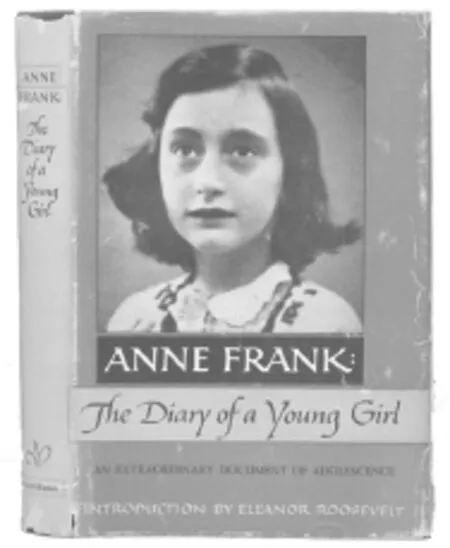
[7]紙質本《安妮日記》獲得巨大成功后,奧托·弗蘭克將注意力轉向戲劇改編。小說家邁耶·列文寫了一部改編本,但是弗蘭克找不到制作人,于是尋求其他改編者。莉蓮·赫爾曼是其中之一,但她婉拒了這個機會。根據大衛·古德里奇對該作品百老匯舞臺劇導演加森·卡尼的采訪,赫爾曼曾說過:“我認為這是一部可能流芳百世的歷史大作,但讓我改編絕不合適。如果我來改編,可能只能演一晚,因為內容太過壓抑。這需要風格更明快的人來做。”赫爾曼最終推薦了弗朗西斯·古德里奇和艾伯特·哈克特夫婦,他們接手創作的劇本后來獲得了普利策戲劇獎。赫爾曼則投資了《安妮日記》的制作公司。她的合同和投資聲明都保存在蘭塞姆中心她的檔案里。1957年10月5日,舞臺劇《安妮日記》在百老匯首演,公演超過700場。
(譯者單位:浙江農林大學外國語學院)
How The Diary of Anne Frank First Made It to the U.S.
By Eric Colleary