《瓦爾登湖》(節選一)
2018-01-06 02:02:24亨利戴維梭羅譯李家真
英語世界 2017年11期
關鍵詞:時代
文/亨利·戴維·梭羅譯/李家真
《瓦爾登湖》(節選一)
文/亨利·戴維·梭羅譯/李家真1
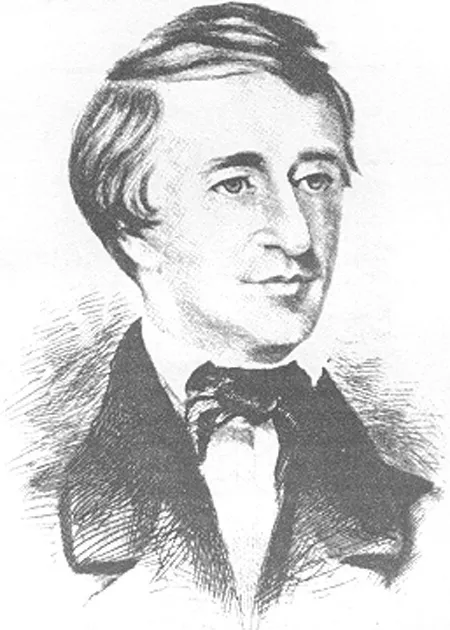
每個早晨都是一張喜人的請柬,邀請我把自己的生活變得像大自然一樣簡單,還可說是像大自然一樣純真。我向來崇拜奧蘿拉,跟古希臘人一樣虔誠。我總是早早起床,到湖里去洗浴,這既是一種宗教儀式,也是我做得最滿意的事情之一。有人說,成湯王的浴盆上刻著這么一些文字:“茍日新,又日新,日日新。”我對這些話心有戚戚。晨曦使得英雄時代重返人間。曙光初現之時,我開著門窗坐在屋里,一只蚊子在屋里飛來飛去,遵循著我無法看見也無從想象的飛行路線。蚊子發出微弱的嗡嗡聲,帶給我的震撼絕不亞于任何歌頌英名的號角。嗡嗡聲好比荷馬的安魂曲,蚊子本身則好比飛舞空中的《伊利亞特》和《奧德賽》,吟唱的是它自己的憤怒與漂泊。這樣的情形小中見大,如同一則未予作廢即為有效的長期廣告,昭示著萬事萬物生生不息的活力與繁殖力。早晨是覺醒的時辰,是一天里最可貴的一段光陰。晨間我們絕少睡意,我們身上那個晝夜昏睡的部分,晨間至少能保持一個鐘頭的清醒。如果我們不是在靈性驅策之下自發醒來,而是靠仆人按部就班地把我們推醒,如果喚醒我們的是工廠的鈴聲,而不是煥然一新的毅力與抱負、抑揚頓挫的天籟和漫溢空中的香氣,如果我們起身迎接的并不是一種比睡下時崇高的生活,那么,接下來的這個白晝必定是空虛無望,甚至配不上白晝的名稱。果真如此的話,黑暗就結出了果實,并且借此證明,光明也并不比它美好。每個白晝都包孕著一個比它早、比它神圣、尚未遭人褻瀆的破曉時辰,人若是不相信這件事情,那便是絕望于生活,走的是一條越來越黑暗的下坡路。每一天,經歷過感官生活的部分中斷之后,人的靈魂,確切說是承載靈魂的器官,便會再一次充滿活力,人的靈性也會再一次趨向它力所能及的崇高生活。要我說,值得銘記的事件全都發生在晨間,發生在曉風曙色之中。《吠陀》有云,“一切智慧,與晨俱醒。”詩歌與藝術,以及人類那些至為美好、至為特殊的行動,無不肇端于這樣的時辰。跟曼儂一樣,所有的詩人和英雄都是奧蘿拉的子嗣,會在日出時奏響他們的樂章。人若是擁有與太陽同步的鮮活思維,便可把白晝變成一個綿延無盡的早晨。不管時鐘指示了怎樣的數字,也不管旁人有著怎樣的心態和作息安排,只要我醒著,心里有曙光,時候便是早晨。洗心革面,其實就是驅散睡意的嘗試。人們把自個兒的日子過得如此不堪,要不是因為他們一直處于沉睡不醒的狀態,還能是因為什么呢?他們并不是這么不會過日子啊。要是沒有向倦意繳械投降的話,他們本可以有所作為。清醒得足可運用體力的人,數目以百萬計,清醒得足可善用頭腦的人,卻只有百萬分之一,清醒得足可追求詩意生活或圣潔生活的人,更只有一億分之一。醒著才是活著。我從來不曾遇見十足清醒的人,又怎會有緣目睹他的容顏? □
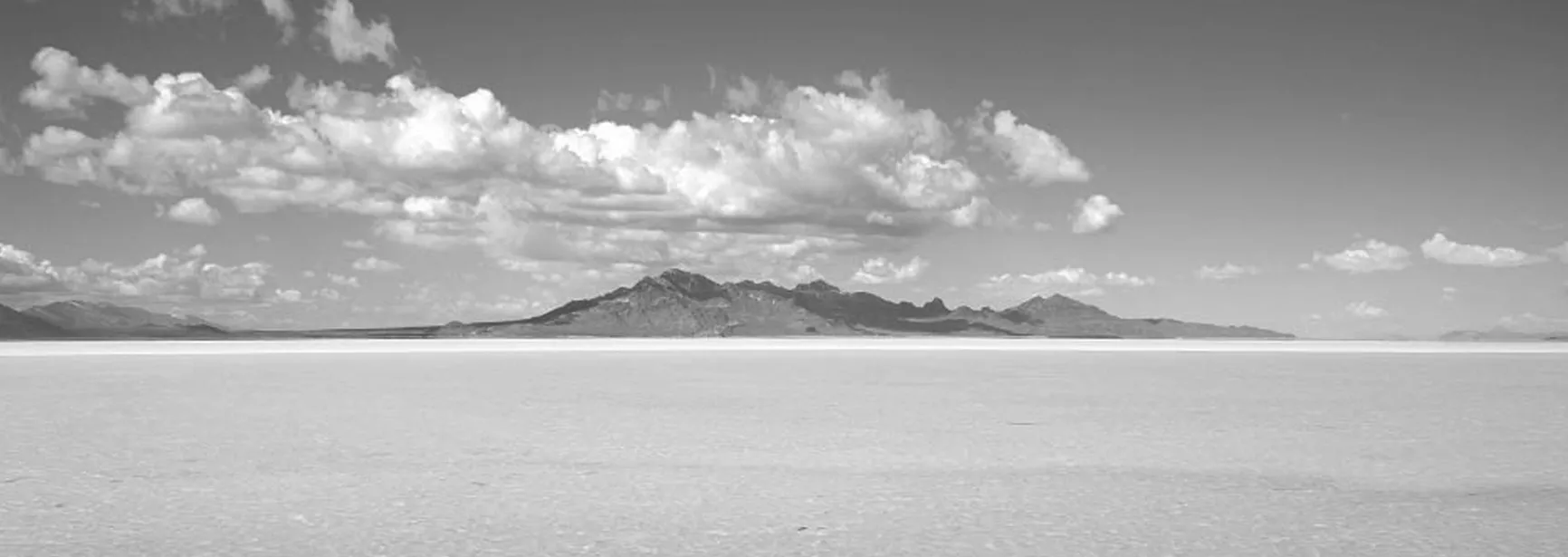
Every morning was a cheerful invitation to make my life of equal simplicity, and I may say innocence, with Nature herself. I have been as sincere a worshipper of Aurora2奧蘿拉,羅馬神話中的曙光女神,相當于希臘神話as the Greeks. I got up early and bathed in the pond; that was a religious exercise, and one of the best things which I did. They say that characters were engraven on the bathing tub of King Tching Thang3“成湯王”即商湯。《禮記·大學》第三章有云:“湯之《盤銘》曰,‘茍日新,又日新,日日新’。”朱熹在《四書集注》中注解這句話時說:“盤,沐浴之盤也。”to this effect: “Renew thyself completely each day; do it again, and again, and forever again.” I can understand that. Morning brings back the heroic ages4這里特指古希臘的英雄時代(Heroic Age)。公元前八世紀的希臘詩人赫西俄德(Hesiod)把人類歷史劃分為五個時代,依次為黃金時代、白銀時代、青銅時代、英雄時代和詩人自己所在的黑鐵時代。英雄時代以希臘奠基為開端,以特洛伊戰爭為結束,赫拉克勒斯、忒修斯和阿喀琉斯等半神半人的偉大英雄都屬于這一時代。. I was as much affected by the faint hum of a mosquito making its invisible and unimaginable tour through my apartment at earliest dawn, when I was sitting with door and windows open, as I could be by any trumpet that ever sang of fame. It was Homer’s requiem5參照多位西方學者的看法,梭羅說到“荷馬的安魂曲”,可能是因為荷馬在《伊利亞特》當中寫到了某種昆蟲的“勇猛”。據《伊利亞特》所載,特洛伊戰爭當中,雅典娜想要鼓舞墨涅拉俄斯(Menelaus, 海倫的丈夫)的斗志,便往他心里注入了“蜉蝣的勇猛,它雖遭人奮力驅趕,卻仍然瘋狂叮咬,因為人血是它心目中的天界佳釀”。(引文系譯者由美國詩人羅伯特·菲茨杰拉德的《伊利亞特》英譯本譯出)依英譯本不同,這里的“蜉蝣”亦作“蚊子”“蒼蠅”或“黃蜂”。; itself an Iliad and Odyssey in the air, singing its own wrath and wanderings6《奧德賽》(Odyssey)也是荷馬史詩,為《伊利亞特》續篇。《伊利亞特》以敘寫阿喀琉斯的憤怒開篇,《奧德賽》則敘寫了希臘英雄俄底修斯(Odysseus)在特洛伊戰爭之后的漂泊旅程,故有“憤怒與漂泊”之說。. There was something cosmical about it; a standing advertisement, till forbidden7till forbidden譯為“未予作廢即為有效”,廣告業行話,意思是某則廣告長年有效,除非廣告主聲明廣告作廢。, of the everlasting vigor and fertility of the world. The morning, which is the most memorable season of the day, is the awakening hour. Then there is least somnolence in us; and for an hour, at least, some part of us awakes which slumbers all the rest of the day and night. Little is to be expected of that day, if it can be called a day, to which we are not awakened by our Genius, but by the mechanical nudgings of some servitor, are not awakened by our own newly acquired force and aspirations from within, accompanied by the undulations of celestial music, instead of factory bells, and a fragrance fi lling the air—to a higher life than we fell asleep from; and thus the darkness bear its fruit, and prove itself to be good, no less than the light. That man who does not believe that each day contains an earlier, more sacred, and auroral hour than he has yet profaned, has despaired of life, and is pursuing a descending and darkening way. After a partial cessation of his sensuous life, the soul of man, or its organs rather, are reinvigorated each day, and his Genius tries again what noble life it can make.8在本書篇章“春”當中,梭羅引用了《孟子》的語句來進一步闡發此處所說的道理,可參看。All memorable events, I should say, transpire in morning time and in a morning atmosphere. TheVedas9《吠陀》,印度最古老也最重要的宗教及哲學文獻集,按通常說法包括《梨俱吠陀》(Rigveda)、《娑摩吠陀》(Samaveda)、《夜柔吠陀》(Yajurveda)和《阿達婆吠陀》(Atharvaveda)四個部分。梭羅引用的這句話不詳所自,一些西方學者說它出自亨利·科爾布魯克(Henry Colebrooke)等人譯注的古印度經典《數論頌》(Sankhya Karika,牛津大學1837年印行的版本),但譯者沒有從該書找到對應文字。say, “All intelligences awake with the morning.”Poetry and art, and the fairest and most memorable of the actions of men, date from such an hour. All poets and heroes, like Memnon10曼儂,希臘神話中的埃塞俄比亞國王,曙光女神埃俄斯(亦即羅馬神話中的奧蘿拉)的兒子,死后成為神祇。尼羅河畔有被人誤稱為曼儂神像的巨型法老塑像,據說會在日出時發出樂聲。, are the children of Aurora, and emit their music at sunrise. To him whose elastic and vigorous thought keeps pace with the sun, the day is a perpetual morning. It matters not what the clocks say or the attitudes and labors of men. Morning is when I am awake and there is a dawn in me. Moral reform is the effort to throw off sleep. Why is it that men give so poor an account of their day if they have not been slumbering? They are not such poor calculators. If they had not been overcome with drowsiness, they would have performed something. The millions are awake enough for physical labor; but only one in a million is awake enough for effective intellectual exertion, only one in a hundred millions to a poetic or divine life. To be awake is to be alive. I have never yet met a man who was quite awake. How could I have looked him in the face?

Walden(Exerpt I)
ByHenry David Thoreau
1 川人,1972年生,曾任《中國文學》執行主編及《英語學習》副主編,現居北京,專事文字。寫有大量隨筆,譯有《采果集》(Fruit-Gathering)、《流螢集》(Fire fl ies)、《吉檀迦利》(Gitanjali)、《園丁集》(The Gardener)、《丘吉爾傳》(Churchill: An Unruly Life)、《先知》(The Prophet)、《沙與沫》(Sand and Foam)、《流浪者》(The Wanderer)、《福爾摩斯探案全集》(The Complete Sherlock Holmes)、《王爾德小說童話全集》(The Complete Oscar Wilde Stories)、《培根隨筆全集》(Essays)等作品。譯文節選自李家真譯《瓦爾登湖》第二章“我居何所,所求者何”(Where I Lived, and What I Lived for)。
猜你喜歡
小哥白尼(軍事科學)(2022年7期)2022-09-20 03:51:30
嶺南音樂(2022年4期)2022-09-15 14:03:12
陽光(2020年6期)2020-06-01 07:48:36
陽光(2020年5期)2020-05-06 13:29:18
人大建設(2019年11期)2019-05-21 02:54:48
電影(2018年9期)2018-10-10 07:18:38
金橋(2018年4期)2018-09-26 02:24:44
足球周刊(2016年14期)2016-11-02 10:56:23
足球周刊(2016年15期)2016-11-02 10:55:36
足球周刊(2016年10期)2016-10-08 10:54:55