塑料即將淹沒海洋
2018-12-19 18:57:08ByDominiqueMosbergen
英語學習
2018年11期
By Dominique Mosbergen
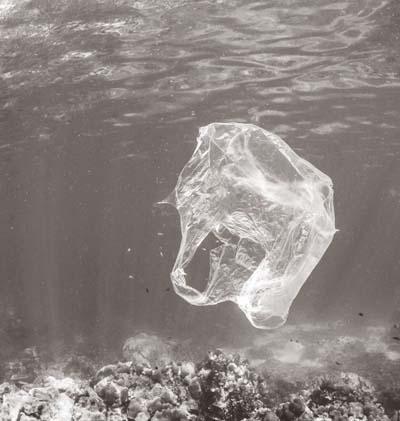
Imagine an area 34 times the size of Manhattan. Now imagine it covered ankle-deep in plastic waste—piles of soda bottles and plastic bags, takeout containers by the mile, drinking straws as far as the eye can see.
Thats a total of about 19 billion pounds of garbage. And according to one of the best estimates available, thats how much plastic waste ends up in our oceans every year.
“Were being overwhelmed by our waste,” said Jenna Jambeck, an environmental engineer who led the 2015 study that determined this staggering number.1 According to Jambecks research, this figure is on track to double by 2025 unless something is done, swiftly and at a global scale, to stem2 the tide of garbage.
Plastic―a versatile, durable and inexpensive material―has in many ways been a boon to humanity,3 used in everything from medical equipment to parts of airplanes. But some of the very traits that have made plastics so popular (theyre cheap, and therefore easy to throw away) have also made them a growing problem in our landfills4 and oceans. Today, plastics are the No. 1 type of trash found in the sea. Ocean Conservancy, a nonprofit environmental advocacy group that organizes an annual coastal cleanup event in more than 150 countries worldwide, said plastic debris makes up around 85 percent of all the trash collected from beaches,5 waterways and oceans―and thats just the stuff we can see.
There are also untold numbers of extremely small plastic fragments in marine waters.6 Plastics are non-biodegradable7 and merely break down into smaller and smaller pieces with exposure to sunlight. These fragments, known as microplastics, are less than five millimeters long, or about the size of a sesame seed.8 Some are microbeads, tiny pieces of plastic that are added as exfoliants to health and beauty products, while others come from larger plastic pieces that have degraded over time.9 The United Nations Environment Programme says there could be as many as 51 trillion microplastic particles in our seas.10
From Land to the Sea
So, how does all this plastic waste end up in the oceans?
Some of it comes from ships and offshore oil11 and gas platforms, but more than 80 percent of plastic waste in the oceans comes from land. Activities like the deliberate dumping of garbage into waterways and water pollution by plastic manufacturers contribute to some of this ocean trash, but mismanaged waste disposal appears to be the primary culprit.12
In 2010, according to Jambecks research, over 50 percent of waste in more than 60 countries worldwide was found to be inadequately managed, mostly due to a lack of waste management infrastructure coupled with ballooning populations.13 In countries like Indonesia, Vietnam and Thailand, the amount of mismanaged waste was closer to 75 percent or more.
Developing nations dont bear all the blame: The United States has an ocean pollution problem, too. The main issue in this country is littering, according to Jambeck. “Even though we do have robust14 and effective waste management systems, we have litter,” she said.“And because our per-person waste generation rate is so high in the U.S., even that small amount of litter contributes to this problem.”
The Not-Very-Long History of Plastics
Though it seems now that the world couldnt possibly function without them, consumer plastics are a remarkably recent invention. The first plastic bags were introduced in the 1950s, the same decade that plastic packaging began gaining in popularity in the United States. According to her research, global plastic resin15 production has increased by about 620 percent since 1975.
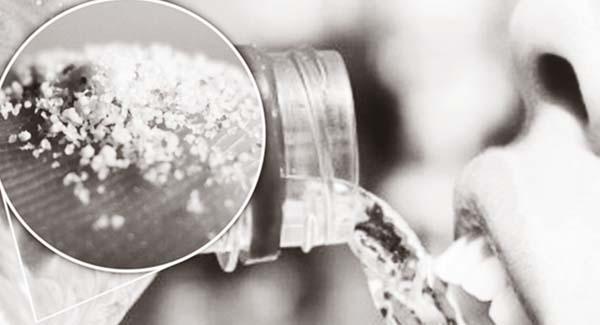
“We put all these plastics into the environment and we still dont really know what the outcomes are going to be,” said Susanne Brander, an ecotoxicologist16 at the University of North Carolina at Wilmington who studies the impact of plastic pollution on humans and wildlife.
What we do know, though, is disturbing.
Ocean Conservancy says plastics are believed to threaten at least 600 different wildlife species. One in three leatherback turtles17, which often mistake plastic bags for edible jellyfish, have been found with plastic in their bellies. In 2017, a dead whale beached on Norways coast had 30 plastic bags in its stomach. Ninety percent of seabirds, including albatross and petrels,18 are now eating plastics on a regular basis. By 2050, that figure is expected to rise to 100 percent.
And its not just wildlife thats threatened by the plastics in our seas. A growing body of evidence suggests humans are consuming plastics through the seafood we eat.
In one study, one in four fish that researchers purchased from fish markets in Indonesia and the United States during the second half of 2014 were found to have plastic in their guts19. It appears that some fish are mistaking plastic fragments coated in bacteria and algae for normal food sources.20
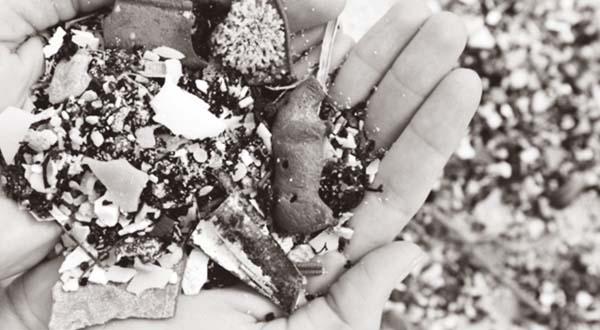
Studies have also found microplastics in the digestive systems of shellfish, including oysters, mussels and lobsters.21 Two Belgian researchers concluded in 2014 that the average European seafood consumer could be eating 11,000 microplastics every year.
For now, the potential risks to human health posed by this plastic consumption are not totally clear―although preliminary research suggests some plastics could be toxic to humans, and could potentially increase the risk of cancer and liver damage, reproductive problems, and other negative health effects.22
With this in mind, experts say that all of us have a critical role to play in mitigating23 the issue―in ways both big and small.
At a global level, several countries have committed to reducing the amount of plastic they send into the oceans. At the Economist World Ocean Summit in 2017, 10 nations―including Uruguay, Costa Rica, France and Indonesia―vowed to reduce plastic marine litter as part of UN Environments new #CleanSeas initiative.24
But its not just countries that need to do their part. Corporations also have a role, as do individuals (yes, you). We can all start by thinking twice before we use single-use plastic products―and when we do use them, we should take care to properly dispose of them or recycle.
“The one thing Ive learned in doing my research is that population density is a huge driver of ocean pollution, so especially in places with high population densities, our individual choices really do matter,”Jambeck said. “Things that may seem mundane25, like using a reusable bottle or a reusable bag—when taken collectively, these choices really do make a difference. I think its empowering as a citizen to know that your choices can make an impact.”
1. overwhelm: 淹沒,壓垮;staggering: 令人震驚的。
2. stem: 阻止,遏制。
3. versatile: 通用的,萬能的;boon: 福利,利益。
4. landfill: 垃圾填埋場。
5. Ocean Conservancy: 海洋保護協會,一個非營利性的環保倡導組織;debris:碎片,殘骸。
6. untold: 數不清的;marine water: 海水。
7. non-biodegradable: 不可生物降解的。
8. microplastic: 塑料微粒,污染環境的小塊塑料,來自各種化妝品、服裝、工業生產等;sesame: 芝麻。
9. microbead: 塑料微珠,是最大尺寸小于一毫米的固體塑料微粒,通常由聚乙烯制成,常用在去角質的洗護產品中;exfoliant: 去角質素,護膚品中用于去除皮膚表面死皮細胞的成分;degrade: 降解。
10. United Nations Environment Programme:聯合國環境規劃署,成立于1972年,負責指導和協調聯合國系統內的環境規劃事業;particle: 顆粒。
11. offshore oil: 近海石油。
12. 故意向航道中傾倒垃圾等行為和塑料制造商造成的水污染是產生這種海洋垃圾的部分原因,但是對廢棄物處理不當似乎才是罪魁禍首。culprit: 罪魁禍首。
13. inadequately: 不適當地,不充分地;infrastructure: 基礎設施;be coupled with: 連同,加上;balloon: v. 激增。
14. robust: 穩固的,健全的。
15. resin: 合成樹脂,是制造塑料的主要材料。
16. ecotoxicologist: 生態毒理學家。
17. leatherback turtle: 棱皮龜,它們背部沒有硬殼,而是一層革質皮膚。
18. albatross: 信天翁;petrel: 海燕。
19. gut: 內臟。
20. 似乎有些魚誤把覆蓋著細菌和海藻的塑料碎片當成正常的食物來源。coat: 覆蓋;bacteria:(復數)細菌;algae: 海藻。
21. digestive: 消化的;oyster: 牡蠣,蠔;mussel: 蚌,貽貝;lobster: 龍蝦。
22. 目前,這種塑料消費對人類健康構成的潛在危險尚未完全明確——盡管初步調查顯示一些塑料可能對人類有害,而且有可能增加一些患病風險,包括癌癥、肝損傷、生殖問題以及其他對健康的不利影響。toxic: 有毒的;reproductive: 生殖的。
23. mitigate: 緩和,減輕。
24. Uruguay: 烏拉圭,拉丁美洲國家;Costa Rica: 哥斯達黎加,拉丁美洲國家;#CleanSeas initiative: 清潔海洋倡議,由聯合國環境規劃署于2017年2月發起,旨在消除海洋塑料的主要來源,改變人們的購物習慣。……
登錄APP查看全文