獵人角圖書館美國紐約市皇后區
2020-11-07 08:58:52史蒂文·霍爾,ChrisMcvoy,OlafSchmidt等
世界建筑導報 2020年5期
建設單位:紐約市設計和建設部,皇后區公共圖書館
設計單位:史蒂文·霍爾建筑師事務所
設計團隊:史蒂文·霍爾(主創設計),Chris Mcvoy(團隊高級主管)Olaf Schmidt(團隊副主管), Filipe Taboada, Suk Lee,Bell Ying Yi Cai, Rychiee Espinosa, Jongseo Lee,Maki Matsubayashi, Michael Rusch, Dominik Sigg,Yasmin Vobis, Jeanne Wellinger
景觀設計:Michael Van Valkenburgh and Associates
結構工程:Silman
照明設計:L’observatoire International
建筑面積:22 000平方呎
時間: 2010年 - 2019年
Client: Queens Public Library, New York City Department Of Design And Construction
Architect: Steven Holl Architects
Design Team: Steven Holl (design architect, principal), Chris Mcvoy (senior partner in charge), Olaf Schmidt (senior associate in charge),Filipe Taboada (project architect, associate), Suk Lee (project architect ca), Bell Ying Yi Cai, Rychiee Espinosa, Jongseo Lee,Maki Matsubayashi, Michael Rusch, Dominik Sigg, Yasmin Vobis,Jeanne Wellinger (project team)
Landscape Architect: Michael Van Valkenburgh and Associates
Structural Engineer: Silman
在財務會計信息上能夠清楚反映企業的經營情況和收益利潤,因此企業把財務預算作為預算的重點,非常的關注,忽略了對其他環節的管理和控制,預算管理的投入與關注不成比例,沒有建立完善的預算管理機制,全面的預算管理無法充分發揮其職能,企業在市場競爭中的競爭力比較低,不能達到最佳的狀態,由于長期的過多的忽視財務預算的管理機制,加之目前我國還沒形成關于企業整體預算管理的系統機制,因此企業在執行預算管理的工作上也很不全面,缺乏根本性的管理與認識。
Lighting Design: L’observatoire International
Building Area (Square Feet): 22,000sf
Year: 2010 - 2019
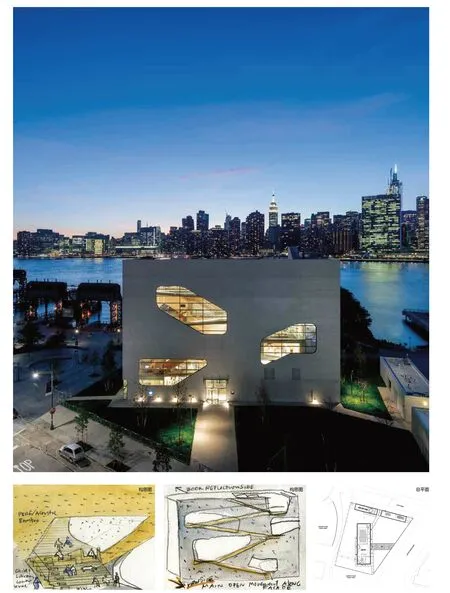
該項目地處紐約東河岸的核心位置,以棟棟拔地而起的高樓為背景。占地22,000 平方英尺(約為 2,044平方米),用作紐約皇后區的公共圖書館。圖書館位于該區的獵人角,在充當公共建筑的同時,還可作為一個市民公園,旨在為長島的社區居民提供一處沿河的公共休閑空間。
獵人角社區圖書館的落成,旨在反抗并回應那些高端住宅內的公共圖書館和社交空間。在 32,000 平方英尺(約2,973平方米)的建設用地上,建筑只占用了極小的一部分面積,并盡可能地將剩余的綠地空間還給社區使用,構建一個充滿活力的河濱市民公園。
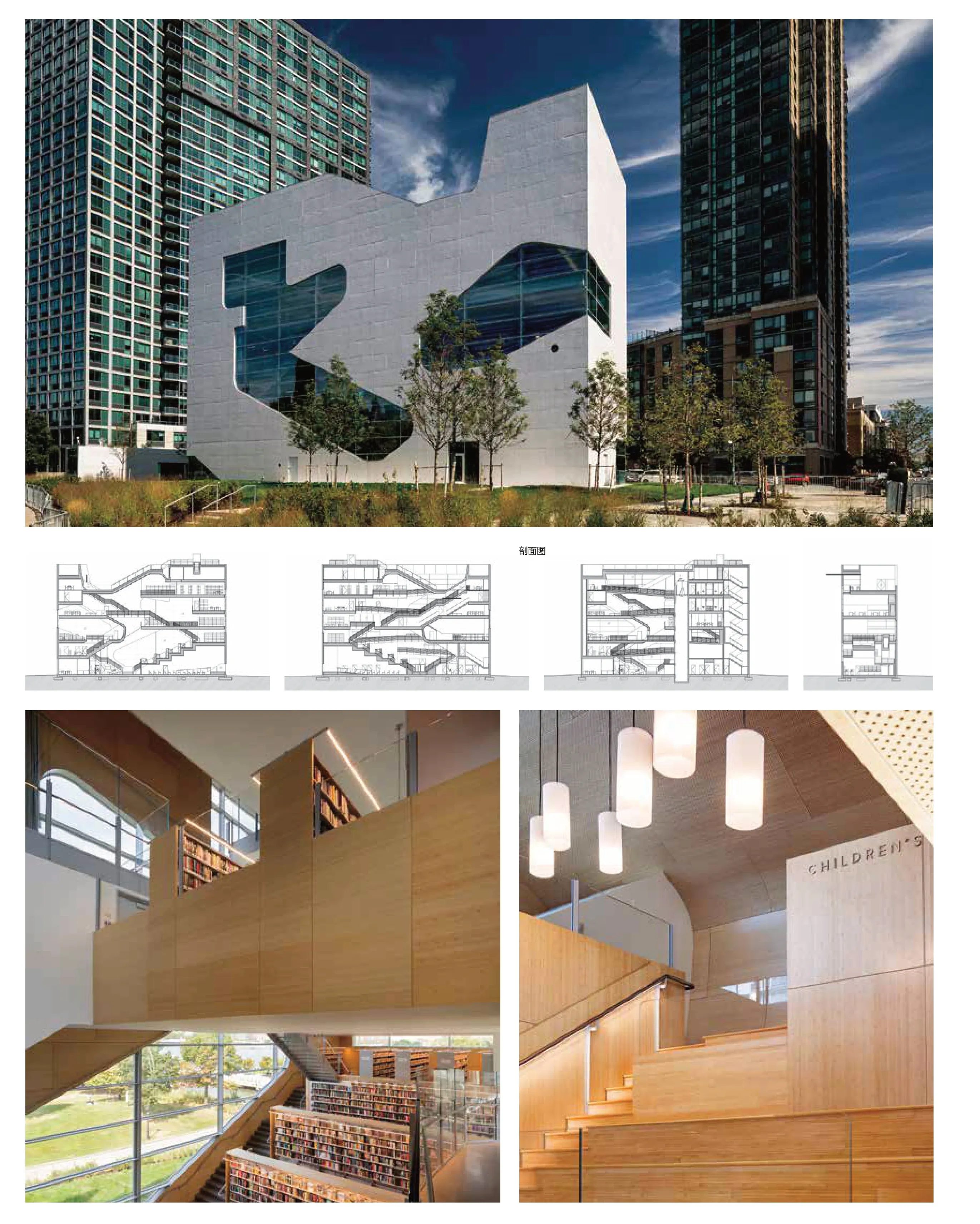
從圖書館東側立面的切口中,我們可以直觀的看到建筑師將閱讀空間分為了兒童區、青少年區和成人區,并為每個區域都設計了一個相應的立面切口;然而規劃的分區并不是固定的。在圖書館的室內設計上,建筑師在社交區域選擇了暖色的竹子,以創造一種邀請之感,使得社區的居民,無論長幼,都可以快速地融入其中。同時,從立面大玻璃射入的自然光照,于無形中為室內增添了幾分生機。
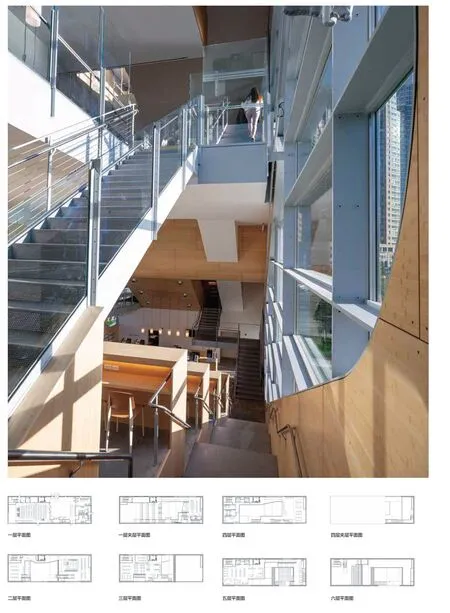
圖書館的紙質書籍均被存放在開放樓梯一旁的書架之上,而電子書目則被儲存于相鄰的電子工作站中。同時,位于地面層的禮堂則可為公共集會和日常活動提供所需的空間。位于兩個夾層間的樓梯,還將閱讀區與屋頂的閱讀露臺連接在了一起,讀者們可以在這個開放的公共露臺盡情享受東河和紐約城的美麗風景。
盡管圖書館的平面看上去略顯緊湊,但建筑師在剖面上下足了工夫,以確保其是流暢開放的,旨在實現最節能的空間設計和最綠色的公共環境。建筑師在東側的入口設計了一個閱讀花園,與一旁稍低的公園辦公亭相連,并在連接處種植了大量的銀杏樹。
到了晚上,既有的百事可樂廣告牌和龍門架上的長島標志,配合明亮的獵人社區圖書館,將成為這一新興社區公共空間的一個完美代表。
Located on a prominent site along the East River, against the backdrop of rapidly built skyscraper condominiums, the 22,000 square foot Queens Public Library at Hunters Point stands as a public building and public park, bringing community-devoted space to the Long Island City waterfront.
Resisting recent trends of incorporating public libraries and much-needed social space within high-end residential towers, the Hunters Point Library stands independently, rising with a minimal footprint on its 32,000 square foot site to offer maximum surrounding green space to the local community and becoming an integrated part of the vibrant public park that lines the river’s edge.
The vertical structure reimagines the traditional library model, providing diversity of spaces from intimate reading areas to active gathering spaces.The building’s aluminum-painted concrete shell is not just a facade but a load-bearing structure, which omits curtain walls and columns.Sculpted cuts are carved out of the facade, showing the movement of people within and framing expansive views of the Manhattan skyline.
The program's separation into children's area, teen area and adult area can be read in the sculpted cuts of the east face of the building, one facade opening for each area; yet the programmatic divisions are fluid.Inside, warm bamboo creates an inviting social space,open to the community and offering engaging spaces for all ages.Natural light enters through the large windows from all sides, animating the space.
The digital and the book are merged through the bookshelves and adjacent digital workstations that flow upward along a series of open stairs.A ground-level auditorium under the main section provides public meeting and events space.The stairs switch back from mezzanine to mezzanine, connecting reading areas and concluding in a rooftop reading terrace with views of the city and the river.
While the plan is compact, the building section of the new library is open and flowing to allow for the most energy-efficient design and the greatest amount of public green space on the site.On the east entrance side, the library faces a reading garden bordered by a low park office pavilion with a bosque of ginkgo trees.
At night the glowing presence of the Hunters Point Library along the waterfront joins the Pepsi sign and the "Long Island" sign at the old Gantry to become a beacon for this new community place.
猜你喜歡
今日農業(2022年15期)2022-09-20 06:56:20
藝術啟蒙(2018年7期)2018-08-23 09:14:18
小太陽畫報(2018年1期)2018-05-14 17:19:25
海峽姐妹(2017年7期)2017-07-31 19:08:17
Coco薇(2017年5期)2017-06-05 08:53:16
少年博覽·小學低年級(2016年10期)2016-11-24 06:48:23
雜文月刊(2016年1期)2016-02-11 10:35:51
漫畫月刊·炫版(2015年4期)2015-05-27 07:52:10
現代企業(2015年8期)2015-02-28 18:54:47
小天使·一年級語數英綜合(2014年8期)2014-06-26 14:42:04