供應(yīng)鏈績效持續(xù)性評價(jià)指標(biāo)體系及方法研究
2009-04-07 03:24:22程志強(qiáng)李愛春
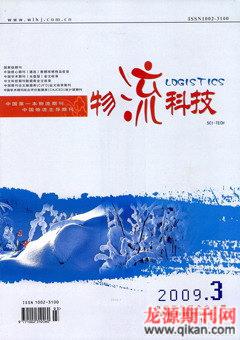
物流科技
2009年3期
關(guān)鍵詞:績效評價(jià)
程志強(qiáng) 李愛春
摘要:供應(yīng)鏈績效水平高低直接影響了供應(yīng)鏈的運(yùn)行狀況,也是供應(yīng)鏈上相關(guān)節(jié)點(diǎn)企業(yè)是否能夠獲得持續(xù)競爭力的必要前提。文章從供應(yīng)鏈健康持續(xù)發(fā)展、提高供應(yīng)鏈管理的水平的角度入手,建立了科學(xué)合理的供應(yīng)鏈持續(xù)性績效評價(jià)指標(biāo)體系,并提出了基于AHP的標(biāo)桿評價(jià)法及其模型。最后通過實(shí)例說明了具體評價(jià)方法,驗(yàn)證了該方法的有效可行性。
關(guān)鍵詞:供應(yīng)鏈;績效評價(jià);指標(biāo)體系;AHP;標(biāo)桿評價(jià)法
中圖分類號: F273.7文獻(xiàn)標(biāo)識碼: A
Abstract: The level of supply chain performance immediately influences supply chain's operational condition, it is also the prerequisite whether the interdependent node enterprises of the supplies chain can obtain long-enduring competitiveness power. Based on the health sustained development of the supply chain and the enhancement of the supply chain's management level, the paper established the sciencitific and reasonable supply chain long-enduring achievements evaluating indicator system, and proposed the benchmarking-evaluation method and model which based on the AHP. Finally, the concrete assessment method is explained through the example, and this method is confirmed to be effective feasibility.
Key words: supply chain; performance evaluation; indicator system; AHP; benchmarking-evaluation method
0引言
很久以來,績效評價(jià)被看作是企業(yè)計(jì)劃與控制的有機(jī)組成部分(Barnad,1962)。隨著工作性質(zhì)、企業(yè)角色、外部需求的變化,競爭的加劇,TQM、LP等具體改進(jìn)方案的引入、實(shí)施,以及信息技術(shù)飛速發(fā)展所帶來的革命性影響(Neely,1999),績效評價(jià)受到了越來越廣泛的關(guān)注和日益深入的討論,并逐步融合到集成化供應(yīng)鏈管理中。隨著供應(yīng)鏈管理研究熱潮的興起,有許多學(xué)者對供應(yīng)鏈績效評價(jià)問題進(jìn)行了研究。Edward[1]、Ron Basu[2]指出不同戰(zhàn)略的供應(yīng)鏈有不同的關(guān)鍵績效指標(biāo);Beamon[3]等強(qiáng)調(diào)整體績效,指出要從供應(yīng)鏈整體角度出發(fā)進(jìn)行評價(jià);馬士華提出從內(nèi)部績效、外部績效和供應(yīng)鏈綜合績效三個(gè)方面,運(yùn)用平衡記分法對供應(yīng)鏈績效進(jìn)行評價(jià)[4];馬麗娟等(2002)從產(chǎn)品質(zhì)量、服務(wù)水平、承諾水平和產(chǎn)品價(jià)格等四個(gè)方面建立了基于用戶滿意度的供應(yīng)鏈評價(jià)指標(biāo)體系[5]。
本文在前人研究的基礎(chǔ)上,構(gòu)建了基于供應(yīng)鏈發(fā)展的供應(yīng)鏈持續(xù)性評價(jià)指標(biāo)體系,并提出了基于層次分析法的供應(yīng)鏈績效標(biāo)桿評價(jià)法。……
登錄APP查看全文
猜你喜歡
黑龍江水利科技(2020年8期)2021-01-21 09:28:10
中國博物館(2019年2期)2019-12-07 05:41:06
江西建材(2018年4期)2018-04-10 12:37:50
市場周刊(2017年1期)2017-02-28 14:13:37
現(xiàn)代教育技術(shù)(2016年4期)2016-12-01 05:51:49
中國商論(2016年33期)2016-03-01 01:59:53
中國工程咨詢(2016年9期)2016-02-13 03:12:28
中國鄉(xiāng)鎮(zhèn)企業(yè)會計(jì)(2015年9期)2015-12-30 16:47:21
經(jīng)濟(jì)與管理(2015年4期)2015-03-20 14:15:27
中國工程咨詢(2015年5期)2015-02-16 05:35:26