藥品研究中心
2015-03-02 09:09:01JannesLinders
世界建筑導報 2015年4期
藥品研究中心
CHDR
地點:荷蘭萊頓市
業主:萊頓藥品研究中心
面積:6 961平方米辦公室和實驗室
完工:2013年
攝影:Jannes Linders
Address: Zernikedreef 8, Leiden, the Netherlands
Client: Centre for Human Drug Research, Leiden, the Netherlands
Gfa: 6 961 m2offices and labs
Realization: 2013
Photography: Jannes Linders
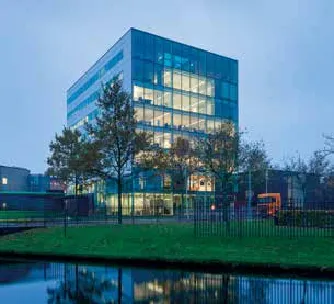
上世紀九十年代中期,cepezed為藥品研究中心(CHDR)設計了一座引人注目的企業大樓。CHDR主要從事藥品功效及其副作用測試。雖然該公司之前已進行了擴建,但仍然擁擠不堪。如今,在萊頓市生物科學園內,一座新大樓在舊樓旁拔地而起,為此,cepezed實現了為其他制藥公司共用大樓的設計方案。
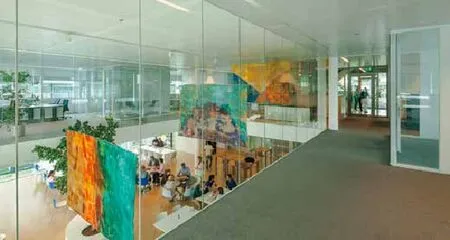
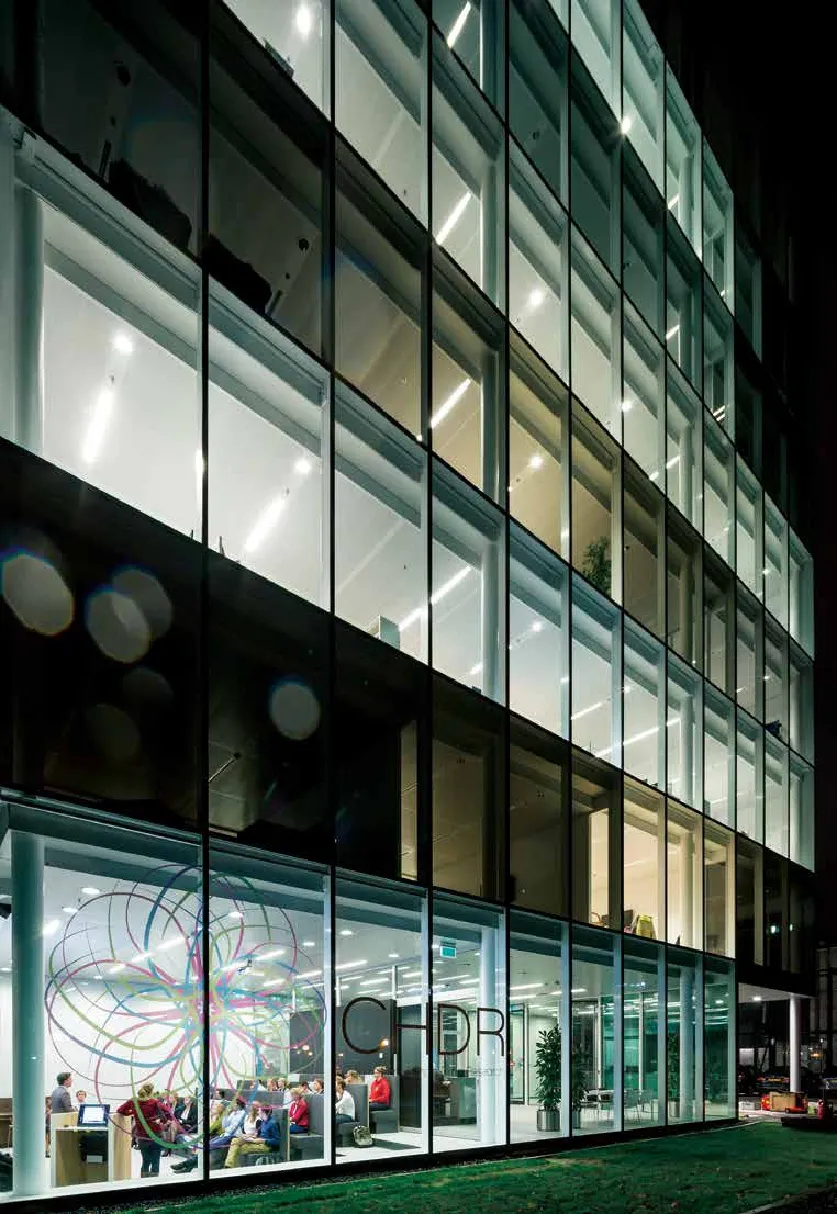
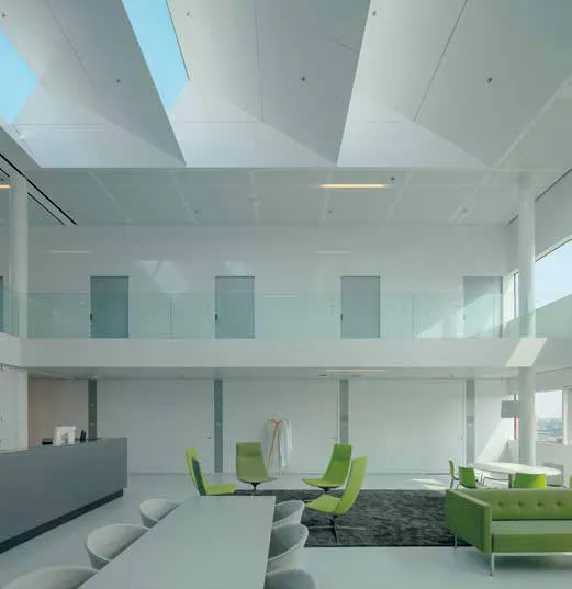
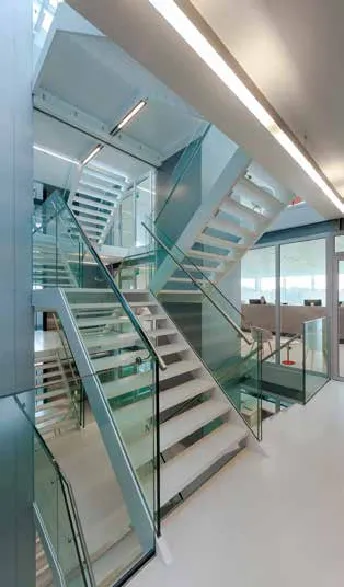
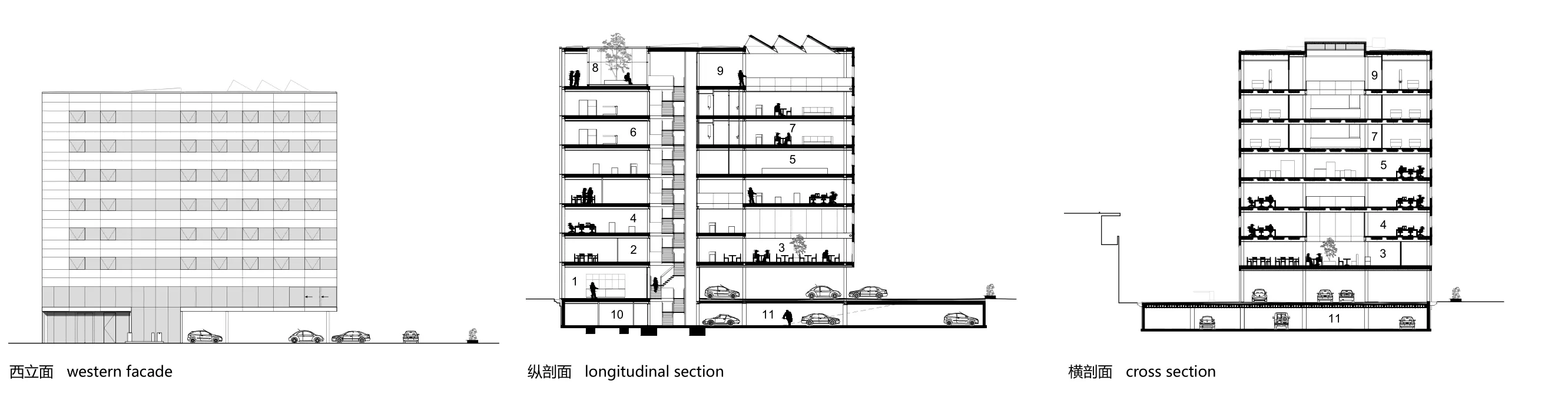
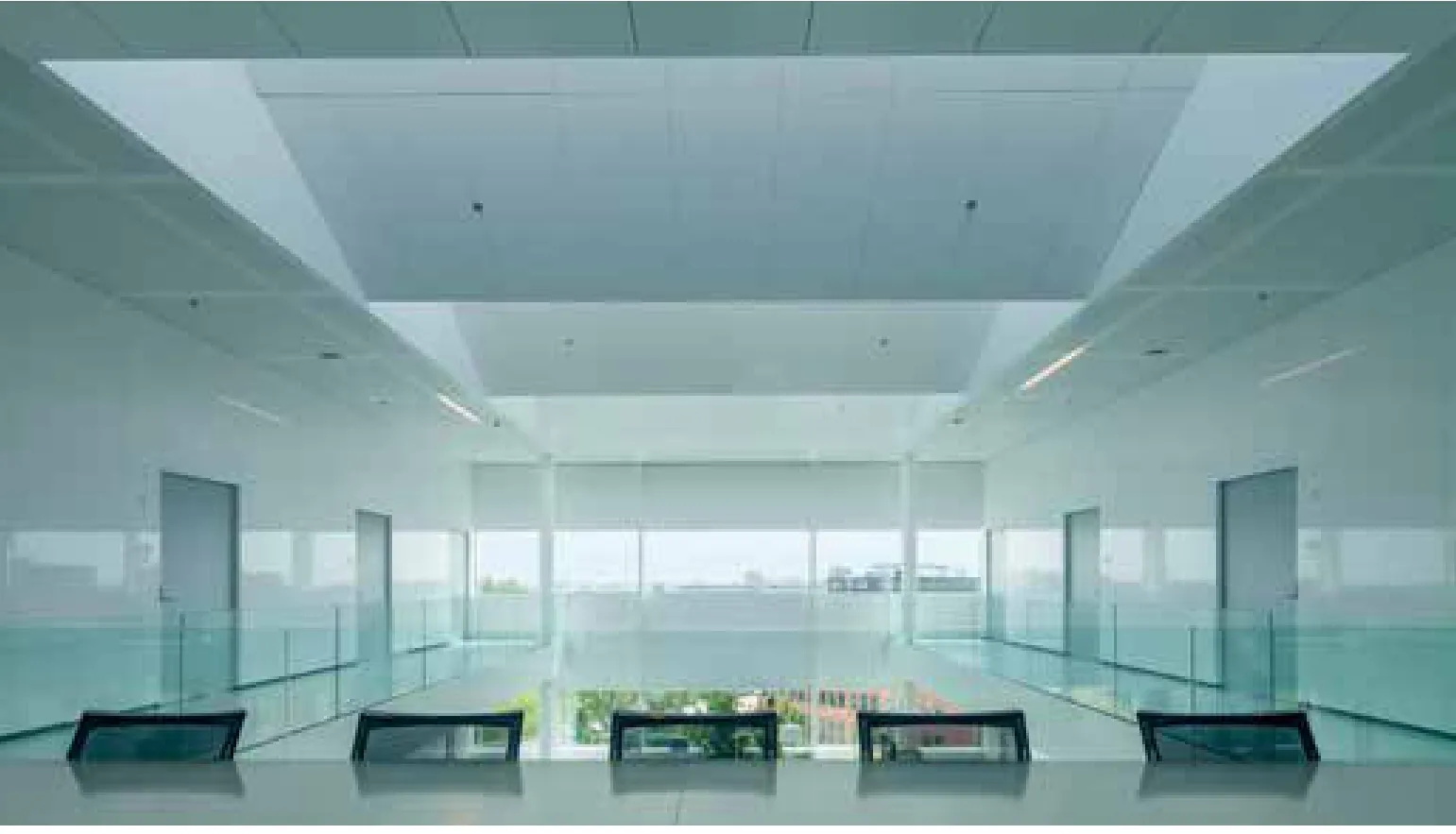
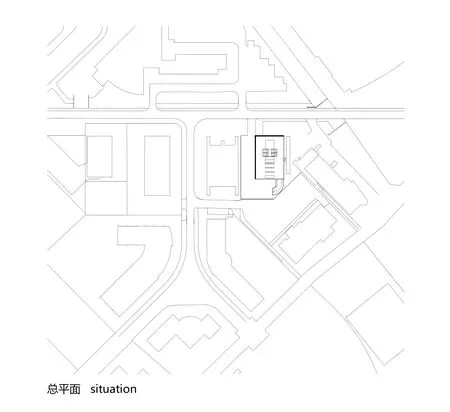
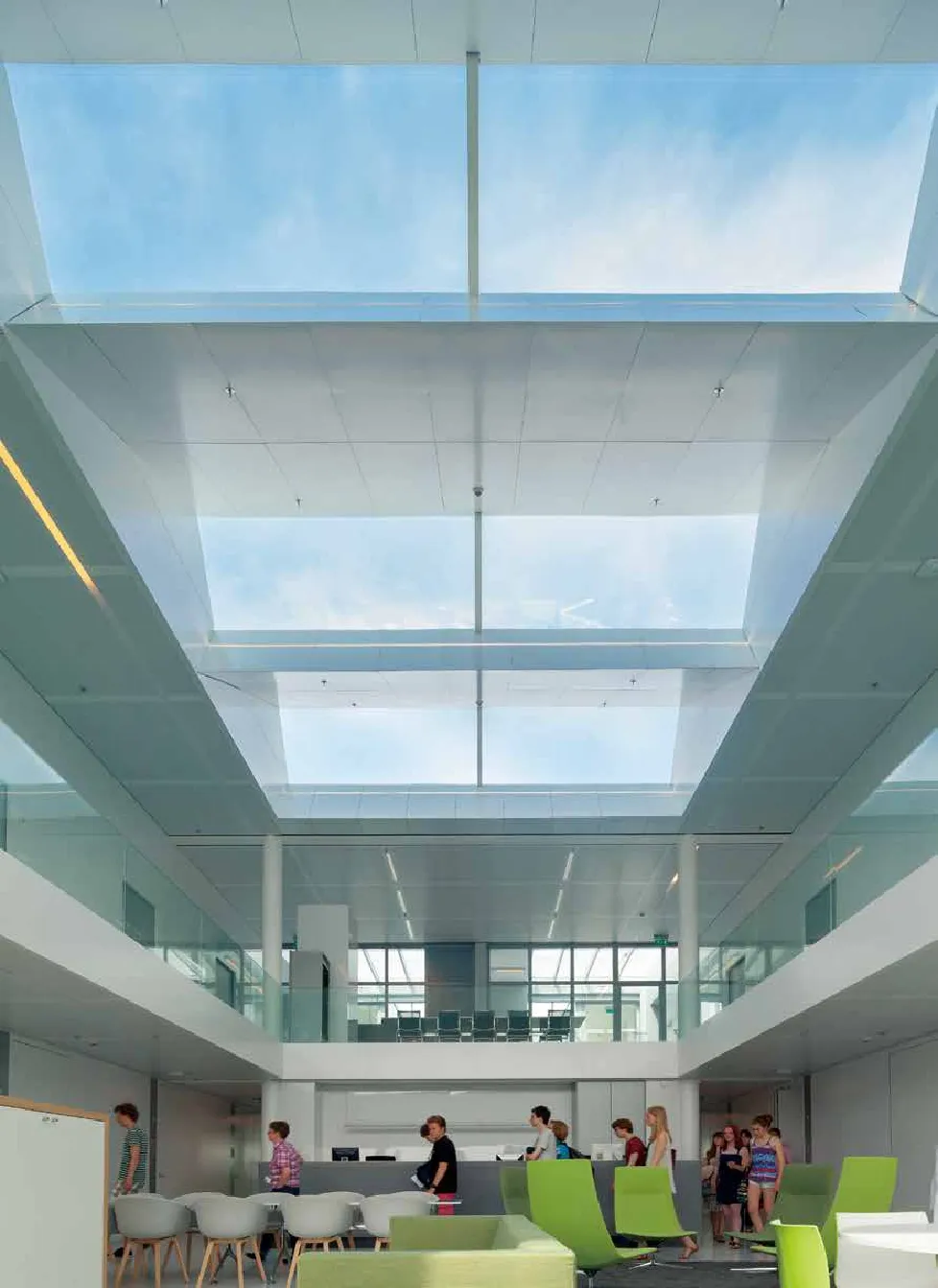
這座新樓占地面積22.5×34米,地上八層,地下一層為停車場。此外,大樓四周和首層也設有部分停車區域。該大樓從前到后分成三個不相同的條形區域。Zernikedreef的最前方區域內,首層設有入口、前臺,以及一個中等規模的禮堂。其上方為會議室和辦公室,以及試驗區和一個帶花園的屋頂平臺。中央區域為便利設施區,設有衛生間、兩部觀光電梯,以及兩個相連的、可用作疏散通道的層疊式樓梯。如遇火災,樓梯將會被自動落下的防火簾隔開。后方區域設有開放且空間寬敞的公司餐廳、深度護理區、與藥房相連的研究實驗室、暗室及各種儲存和冷凍設施。頂層設有供長期留守人員使用的臥室,以及與屋頂花園鄰接的客廳。
該建筑的承重結構包含一個細長的鋼骨架,以及鏤空樓板。各立面完全齊平;北立面完全由玻璃制成,其他立面由交錯的條窗水平銜接,窗上裝有可打開的小窗戶以及帶白色釉面玻璃外板的夾板。太陽能板可對鍋爐水進行加熱,而在采暖和制冷方面,該大樓接有覆蓋整個商業園的區域采暖系統,區域采暖系統又與地熱儲存系統相連。
CHDR的設計運用了一個整合的建筑信息模型,使各專業之間有效協同。該大樓投入使用不久便榮獲2013年萊頓建筑獎。最近,它又在(以高學歷讀者對象的)網絡雜志《Intermediair》所主辦的2014年最佳辦公樓評選活動中榮獲第二名。此次評選活動報道稱:“這是一種其他建筑無法比擬的、能承擔多學科創造性工作的出色設計”。
In the mid-1990s, cepezed designed an eye-catching company building for the Centre for Human Drug Research (CHDR), which tests the working of medicines and their side effects. Despite the construction of an extension, the firm was beginning to burst at the seams. A new building has now risen beside the existing one in the Bio Science Park in Leiden, where cepezed has also realized various accommodation for other pharmaceutical companies.
The new building consists of a volume measuring 22.5 by 34 metres, with eight layers above ground and an underground car park. Parking also occurs partly on the surrounding terrain and at ground level within the contours of the building. From front to back, the building is divided into three unequal strips. The foremost strip along the Zernikedreef contains the entrance, reception desk and a modest auditorium on the ground floor. Above these are the meeting rooms and offices, as well as the testing areas and a roof terrace with garden. The central strip is an amenity zone with toilets, two completely transparent lifts and two linked cascade staircases that also function as escape route. In the event of fire, the staircases are separated by a fire-resistant curtain that descends automatically. The strip at the rear contains the company restaurant with fa?ades that can be opened for the most part and a generous void, a highcare zone, a research laboratory with a pharmacy connected to it, a dark room and various storage and freezing facilities. The top floor consists of sleeping quarters for long-term stays with a living room adjoining the roof garden.
The loadbearing construction consists of a slender steel skeleton combined with hollow-core slab floors. The fa?ades have been implemented fully flush; on the north side they are made completely of glass and on the other sides with a horizontal articulation of alternating strip windows equipped with sections that can be opened, and sandwich panels with a white enamelled glass exterior plate. A solar panel heats the boiler water, while for heating and cooling, the building is linked to a district heating system covering the entire business park, which in turn is connected to a geothermal heat storage system.
For the CHDR design, use was made of an integral Building Information Model, which allowed the various consultants to tailor their design to each other well. Shortly after the building was taken into use, it won the Architecture Prize Leiden 2013. Recently, it ended up as second in the election of the best office building 2014, which was organized by the internet magazine for the highly educated Intermediair. ‘A great design, that supports a creative and multidisciplinary work method like no other building’, was one of the things the report about the election said.
猜你喜歡
中國合理用藥探索(2022年1期)2022-11-26 00:22:32
北方建筑(2021年6期)2021-12-31 03:03:54
文苑(2020年10期)2020-11-07 03:15:36
現代裝飾(2020年6期)2020-06-22 08:43:12
中國衛生(2016年5期)2016-11-12 13:25:28
中國科技博覽(2016年2期)2016-04-25 20:32:39
小學生導刊(2016年34期)2016-04-11 00:49:44
少兒科學周刊·兒童版(2015年6期)2015-11-24 03:49:38
中國衛生(2015年5期)2015-11-08 12:09:48
電測與儀表(2015年5期)2015-04-09 11:30:52