高強鋼筋加強混凝土板抗爆性能試驗研究
2015-12-30 03:55:02陳萬祥,盧紅標,候小偉等
振動與沖擊 2015年10期
第一作者陳萬祥男,博士后,副教授,1977年生
高強鋼筋加強混凝土板抗爆性能試驗研究
陳萬祥1,2,盧紅標1,候小偉1,周布奎3(1. 解放軍理工大學爆炸沖擊防災減災國家重點實驗室,南京210007;2.中國礦業大學深部巖土力學與地下工程國家重點實驗室,江蘇徐州221116; 3.總參工程兵第四設計研究院,北京100850)
摘要:對4組8塊鋼筋混凝土板進行抗爆性能試驗,研究鋼筋類型、配筋率、爆炸荷載峰值等因素對破壞形態、跨中位移、加速度及鋼筋應變影響。結果表明,用導爆索代替炸藥可獲得典型的爆炸沖擊波荷載,并能施加預定的均布荷載作用。與普通鋼筋混凝土板相比,高強鋼筋混凝土板裂縫寬度減小、分布均勻,具有良好的抗爆性能。提高配筋率可明顯減小高強鋼筋混凝土板位移,配筋率為0.78%時較0.62%時位移減小64.02%;配筋率大于0.62%時加速度時程曲線較一致,高強鋼筋混凝土板整體剛度較好;隨配筋率增大,鋼筋應變峰值、殘余應變均明顯減小。爆炸荷載峰值對高強鋼筋混凝土板的動態響應有顯著影響,當荷載峰值由0.0318 MPa增大到0.0945 MPa時,位移峰值、殘余位移分別增大3.63倍、4.80倍,加速度峰值增大近3倍。
關鍵詞:爆炸荷載;高強鋼筋;鋼筋混凝土板;試驗研究;動力響應
基金項目:國家自然科學基金面上項目(51378498);江蘇省自然科學基金面上項目(BK20141066);中國礦業大學深部巖土力學與地下工程國家重點實驗室開放基金(SKLGDUEK1208);國家創新研究群體科學基金項目(51321064)
收稿日期:2014-03-17修改稿收到日期:2014-04-24
中圖分類號:TU311;TU312文獻標志碼:A
Tests for anti-blast performance of concrete slabs with high-strength reinforcements under blast loading
CHENWan-xiang1,2,LUHong-biao1,HOUXiao-wei1,ZHOUBu-kui3(1. State Key Laboratory of Disaster Prevention & Mitigation of Explosion & Impact, PLA University of Science and Technology, Nanjing 210007, China; 2. State Key Laboratory for Geomechanics & Deep Underground Engineering, China University of Mining and Technology, Xuzhou 221116, China;3. Beijing Canbao Architectural Design Institute, Beijing 100850, China)
Abstract:The blast-resistant capacities of 8 concrete slabs with high-strength reinforcements divided into 4 groups under blast loading were studied with tests. The effects of reinforcement types, reinforcement ratios, and peak values of blast loading etc on their failure configurations, span center’s displacement and acceleration, and strains of reinforcements were investigated. The test results showed that the typical blast loading can be derived by substituting detonating cords for explosive charges, and the predetermined uniform blast loading can be applied on the slabs; compared with common reinforced concrete slabs, the crack widths of the concrete slabs with high-strength reinforcements decrease and become uniform, they have good blast-resistant capacities; the displacements of concrete slabs with high-strength reinforcements can be reduced greatly by increasing reinforcement ratios, the displacements with reinforcement ratio of 0.78% decrease by 64.02% compared with those using reinforcement ratio of 0.62%; the time-history curves of accelerations are consistent each other when reinforcement ratios are greater than 0.62%; there are good global rigidities for concrete slabs with high-strength reinforcements; both peak values of strains and residual strains of high-strength reinforcements decrease with increase in reinforcement ratios; the peak values of blast loading have obvious influences on the dynamic responses of concrete slabs with high-strength reinforcements; the peak values of displacements and the residual displacements incrase by 3.63 times and 4.80 times, respectively when the peak values of blast loading increase from 0.0318MPa to 0.0945MPa, and the peak values of accelerations increase by nearly 3 times.
Key words:blast loading; high-strength reinforcement; reinforced concrete (RC) slab; experimental study; dynamic response
由于各種爆炸事件頻發,工程結構的抗沖擊/爆炸性能頗受關注[1-4]。為提高結構抗沖擊爆炸能力,已開發研究出各種新材料,如鋼纖維混凝土及粘貼碳纖維布、粘貼鋼板混凝土結構等[5]。高強鋼筋(Higher High Tensile,HHT)作為新型鋼筋,具有抗拉強度高、可塑性強等優點,既能減少鋼筋消耗量、節省資源,亦能提高結構的安全儲備,在防護工程中具有廣闊的應用前景。
混凝土板受爆炸荷載作用響應及局部破壞效應為研究混凝土結構抗沖擊爆炸設計基礎[6-8]。由于鋼筋混凝土材料的不均勻性及在強動載作用下的高度非線性,使其求解非常復雜。理論研究、數值仿真的可信度有賴于假設條件及本構模型的合理性,因此試驗研究仍為獲得結構響應及破壞特征參數的重要手段。Pedro等[9-13]通過對普通鋼筋混凝土板進行抗爆試驗研究,分析混凝土構件動態響應規律及破壞形態。孫文彬等[14-15]試驗研究普通鋼筋混凝土板的抗爆動力響應及破壞特征。王德榮等[16-17]則對鋼纖維增強鋼筋混凝土板受化爆作用的動態響應及震塌特征進行試驗研究。周布奎等[18-19]分別對GFRP加固鋼筋混凝土板、高強鋼絞線網-聚合物砂漿加固鋼筋混凝土板的抗爆性能試驗研究。均為混凝土構件抗爆性能的理論分析、數值仿真提供了直接的試驗數據。
本文利用解放軍理工大學大型高抗力爆坑,分別對普通鋼筋(HRB400)加強混凝土板及高強鋼筋(HHT600)加強混凝土板的動態響應進行試驗研究。
1試驗概況
1.1試驗設計
制作8塊鋼筋混凝土板(普通鋼筋混凝土板、高強鋼筋混凝土板各4塊),截面尺寸為邊長L=2 700 mm,厚h=100 mm,保護層厚15 mm;混凝土強度等級C40;四邊簡支。配筋及擬加荷載見表1,鋼筋、混凝土力學性能見表2、表3。
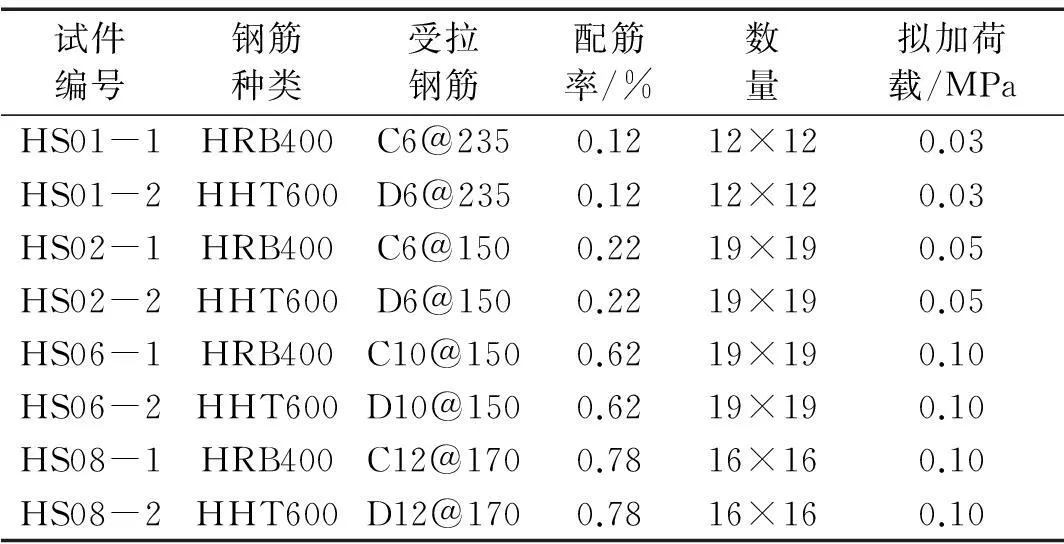
表1 配筋形式及擬加荷載

表2 鋼筋材料性能

表3 混凝土材料性能
1.2測試方案
采用導爆索(主要成分為黑索金)進行非接觸爆炸加載。擬加荷載峰值分別為0.03 MPa、0.05 MPa、0.10 MPa,對應導爆索理論長度分別為6 m、7 m、14 m。量測儀表包括數據采集器(Dp939N)、電阻應變片(BX120-5AA)、壓力傳感器(CA-YD-205)、位移傳感器(BWG2-100)、加速度傳感器(CA-YD-107)。爆坑及測試方案見圖1。

圖1 試驗裝置 Fig.1 Test set-up

圖2 壓力測點布置 Fig.2 Measurement plan of pressure
為獲得自由空氣沖擊波壓力時程曲線,在板邊布置4個壓力傳感器,見圖2。圖3為鋼筋混凝土板位移、加速度及鋼筋應變測點布置,其中Di為位移測點;Ai為加速度測點;Si為鋼筋應變測點。為防止傳感器損壞,位移、加速度及應變均布置多各測點,重點考察板中心的動態響應。不同長度導爆索采用“之”字形均勻置于試驗板上方100 mm處,進行電雷管中點起爆(圖1(a))。
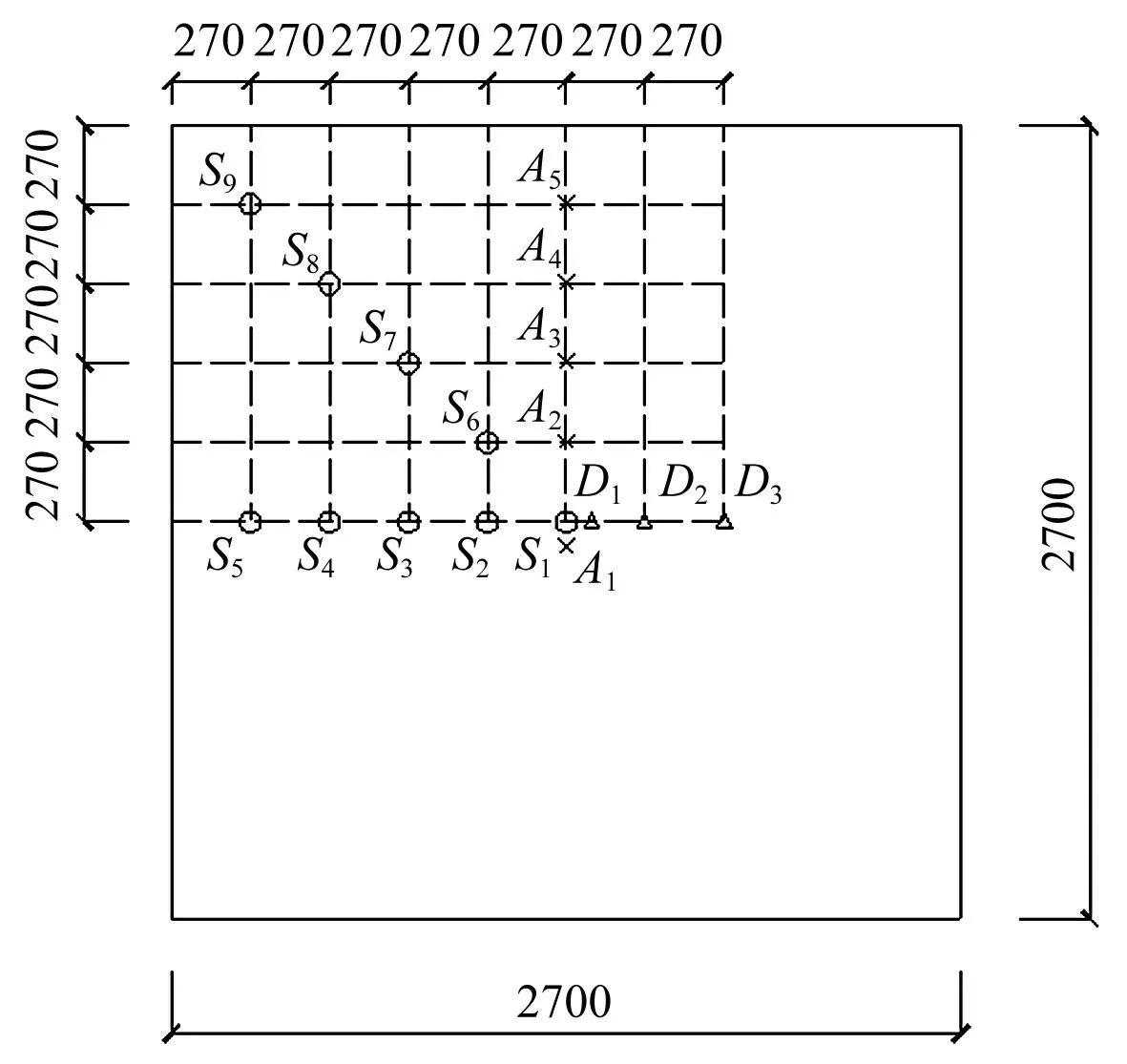
圖3 位移、加速度及應變測點布置 Fig.3 Measurement plan of displacement, acceleration and strain
1.3空氣沖擊波壓力
用導爆索爆炸模擬均布沖擊波荷載,據表1擬加荷載截取不同長度導爆索,通過空壓傳感器量測板邊自由空氣沖擊波壓力。不同長度導爆索爆炸峰值壓力見表4。由表4知,隨導爆索長度減小,壓力峰值迅速下降。同一爆炸各測點壓力峰值相差不大,接近均布沖擊波荷載。

表4 爆炸荷載峰值壓力
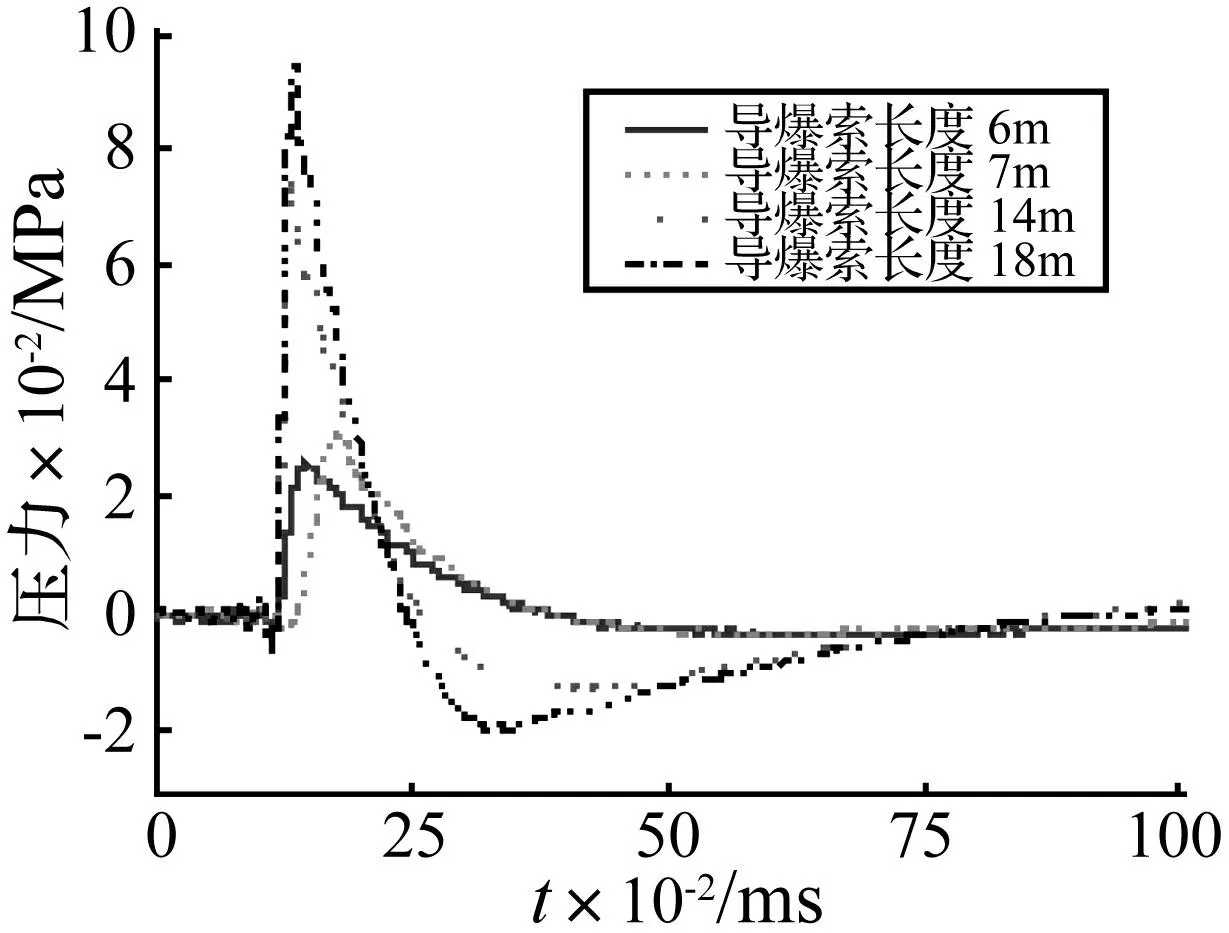
圖4 壓力時程曲線 Fig.4 Time-history curves of pressure
具有代表性的P1測點在不同爆炸下的自由空氣沖擊波時程曲線見圖4。由圖4看出,導爆索長度6 m、7 m、14 m、18 m對應的壓力峰值分別為0.025 9 MPa、
0.031 8 MPa、0.073 9 MPa、0.094 5 MPa。壓力時程曲線由正、負壓段組成,作用時間均在0.65 ms左右,且正壓峰值越大對應的負壓峰值越大。壓力峰值隨時間迅速衰減,且衰減規律基本相同,說明用導爆索代替炸藥可獲得典型爆炸沖擊波荷載。
2試驗結果與分析
不同爆炸荷載作用下8塊鋼筋混凝土板背爆面破壞見圖5。由圖5看出,爆炸荷載峰值、配筋率及鋼筋布置方式相同時,兩種鋼筋混凝土板背爆面均出現不同程度裂縫,主裂縫沿板對角線方向伸展,板中央出現矩形破壞區,呈典型的雙向受彎破壞特征。普通鋼筋混凝土板的裂縫比高強鋼筋混凝土板寬,裂縫分布不均勻。由圖5(a)~(d)知,爆炸荷載峰值接近情況下,鋼筋間距對裂縫開展、分布影響明顯:鋼筋間距較大時,背爆面主裂縫較寬,裂縫間距較大,破壞較嚴重,呈脆性破壞特征,表明混凝土達到極限抗拉強度后開裂,彎曲應力迅速由受拉鋼筋承擔。由圖5(e)~(h)知,鋼筋直徑對板的破壞形態影響明顯:爆炸荷載峰值相同時,鋼筋直徑越粗背爆面裂縫分布越均勻,裂縫寬度越小。此外,由圖5(c)、(g)知,鋼筋間距接近情況下,盡管施加在HS08-1上的爆炸荷載峰值達到HS02-1的2倍多,但HS08-1背爆面的裂縫寬度較HS02-1小得多,分布較均勻,表現出良好的抗爆性能。隨爆炸荷載峰值增大,鋼筋混凝土板迎爆面均逐步出現橢圓形塌陷區域,背爆面中央外鼓,表明該板的破壞模式為由彎曲破壞轉為剪切破壞趨勢。與文獻[4,15]結果一致。此因隨爆炸峰值壓力增大,結構中高頻荷載分量增
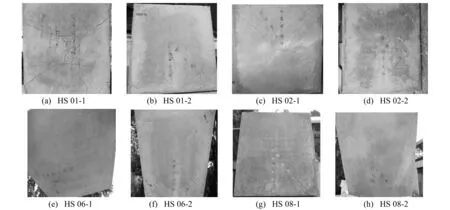
圖5 試件破壞情況 Fig.5 Failure models of reinforced concrete slabs after test
加,剪應力迅速增大到破壞應力而彎曲變形尚未來得及發展導致結構剪切破壞[20]。而高強鋼筋混凝土板塌陷區不及普通鋼筋混凝土板明顯,說明高強度鋼筋可承受更大爆炸剪切荷載作用,可在一定程度上改善構件的剪切破壞。爆炸荷載增大時板背爆面混凝土有崩落傾向,此因爆炸壓縮波到達板下表面時會形成反射拉伸波,且反方向傳播,與入射波相互疊加形成復合波。反射拉伸波峰值超過壓縮波并大于混凝土動態極限抗拉強度時,混凝土即發生斷裂,導致背爆面混凝土崩落,發生震塌破壞。
3主要影響因素分析
研究表明,爆炸荷載特征與結構材料性能對鋼筋混凝土構件的動態響應有重要影響。
3.1鋼筋類型對抗爆性能影響
為研究鋼筋類型對鋼筋混凝土板抗爆性能影響,將試驗板分為HS01、HS02、HS06、HS08等4組,每組包括HRB400、HHT600各1塊;同組鋼筋布置方式、配筋率及擬加荷載較接近。跨中附近位移、鋼筋應變時程曲線對比見圖6~圖8。由于HS01組位移超出理論預估值,儀表損壞未采集到數據。
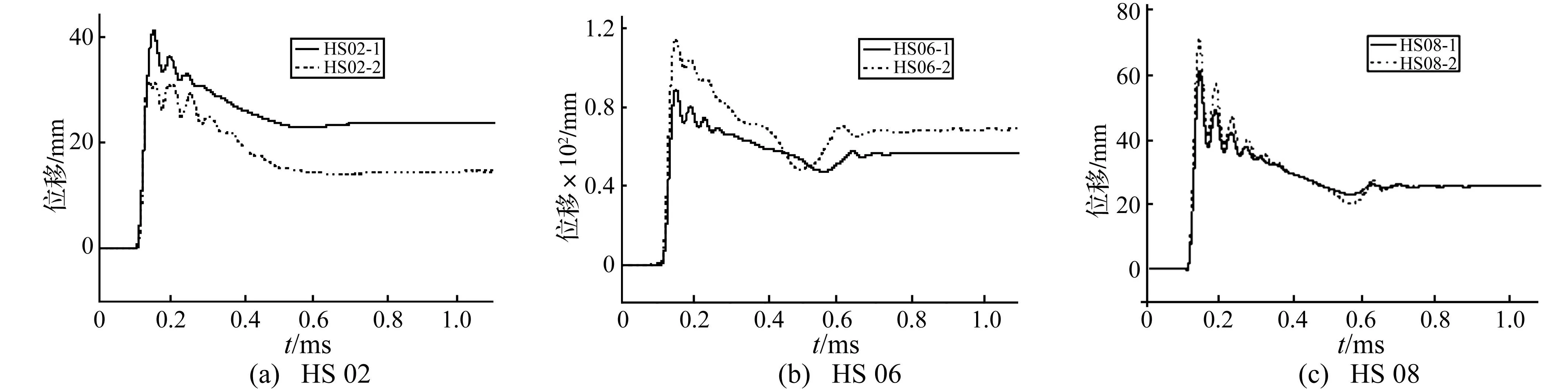
圖6 跨中位移時程曲線 Fig.6 Time-history curves of span displacements

圖7 加速度時程曲線 Fig.7 Time-history curves of accelerations

圖8 鋼筋應變時程曲線 Fig.8 Time-history curves of reinforcement strains
防護結構抗爆能力鑒定方法有兩種,即變形狀態及承載能力。由于構件承載能力難以確定,試驗中可將變形狀態作為衡量指標。由圖6看出,鋼筋混凝土板受爆炸作用位移迅速增到最大值后激烈振蕩并逐漸減小,此因爆炸荷載達到峰值后迅速衰減引起的結構振動。導爆索較短時,在爆炸正壓作用過后,鋼筋混凝土板的振動較快消失,并出現殘余位移;導爆索較長時,鋼筋混凝土板的位移在恢復過程中出現一次較強烈振蕩,此因沖擊波負壓引起的反跳現象,對某些防護結構(尤其柔性結構)應引起足夠重視。圖6(b)中HS06-2導爆索實際長度18 m,而HS06-1的導爆索長度為14 m(表4),故配有高強鋼筋板的峰值位移大于普通鋼筋;由于爆炸荷載峰值較大,HS08-1變形嚴重,D1儀表失效,圖6(c)中HS08-1的位移采用D2數據,而HS08-2的位移為D1數據,導致HS08-2位移大于HS08-1。另外,HS08-2在爆炸前進行2 m長導爆索的預加載,一定程度上影響HS08-2的跨中位移。由圖7可知,4組鋼筋混凝土板的跨中加速度時程曲線較相似,但加速度峰值有差別,爆炸荷載越大加速度峰值越大。當導爆索長度為6 m時,兩種鋼筋混凝土板的加速度時程曲線較一致,加速度峰值均在34.29 m/s2左右;當導爆索長度為14 m時,加速度峰值差別較大,高強鋼筋混凝土板加速度峰值達341.40 m/s2,較普通鋼筋混凝土板高出39.91%。可見,高強鋼筋混凝土板在爆炸荷載作用過程中裂縫細而密,能保持較好剛度,因而可承受較大振動荷載,而普通鋼筋混凝土板由于裂縫較寬,振動中耗能較多,剛度降低明顯,傳遞振動能力減弱。由圖8可見,4組鋼筋混凝土板的鋼筋應變峰值及殘余應變均有明顯差別。總之,高強鋼筋殘余應變小于普通鋼筋,即高強鋼筋的彈性恢復能力較強。
3.2配筋率對抗爆性能影響
混凝土屬于脆性材料,其抗拉強度一般為抗壓強度的1/8~1/20,一旦開裂荷載將由受拉鋼筋承擔,故配筋率對鋼筋混凝土構件的動力響應特征及破壞模式有重要影響。HS01-2與HS02-2、HS06-2與HS08-2在不同爆炸作用下的跨中位移、加速度及鋼筋應變時程曲線對比見圖9~圖11。由圖9看出,爆炸荷載峰值相同時,配筋率為0.62%的HS06-2與配筋率為0.78%的HS08-2位移時程曲線形狀相似,但峰值及殘余相差較大。HS06-2位移峰值及殘余位移較HS08-2分別高出64.02%、173.69%,說明高強鋼筋配筋率對位移影響顯著。由圖10可見,HS06-2與HS08-2的加速度峰值及加速度波形較一致,而HS01-2與HS02-2的加速度峰值差別明顯。HS01-2的加速度峰值34.29 m/s2僅為HS02-2的27.47%,說明高強鋼筋配筋率較高(≥0.62%)時,裂縫數量少、寬度變小,


圖9 跨中位移時程曲線Fig.9Time-historycurvesofspandisplacements圖10 加速度時程曲線Fig.10Time-historycurvesofaccelerations
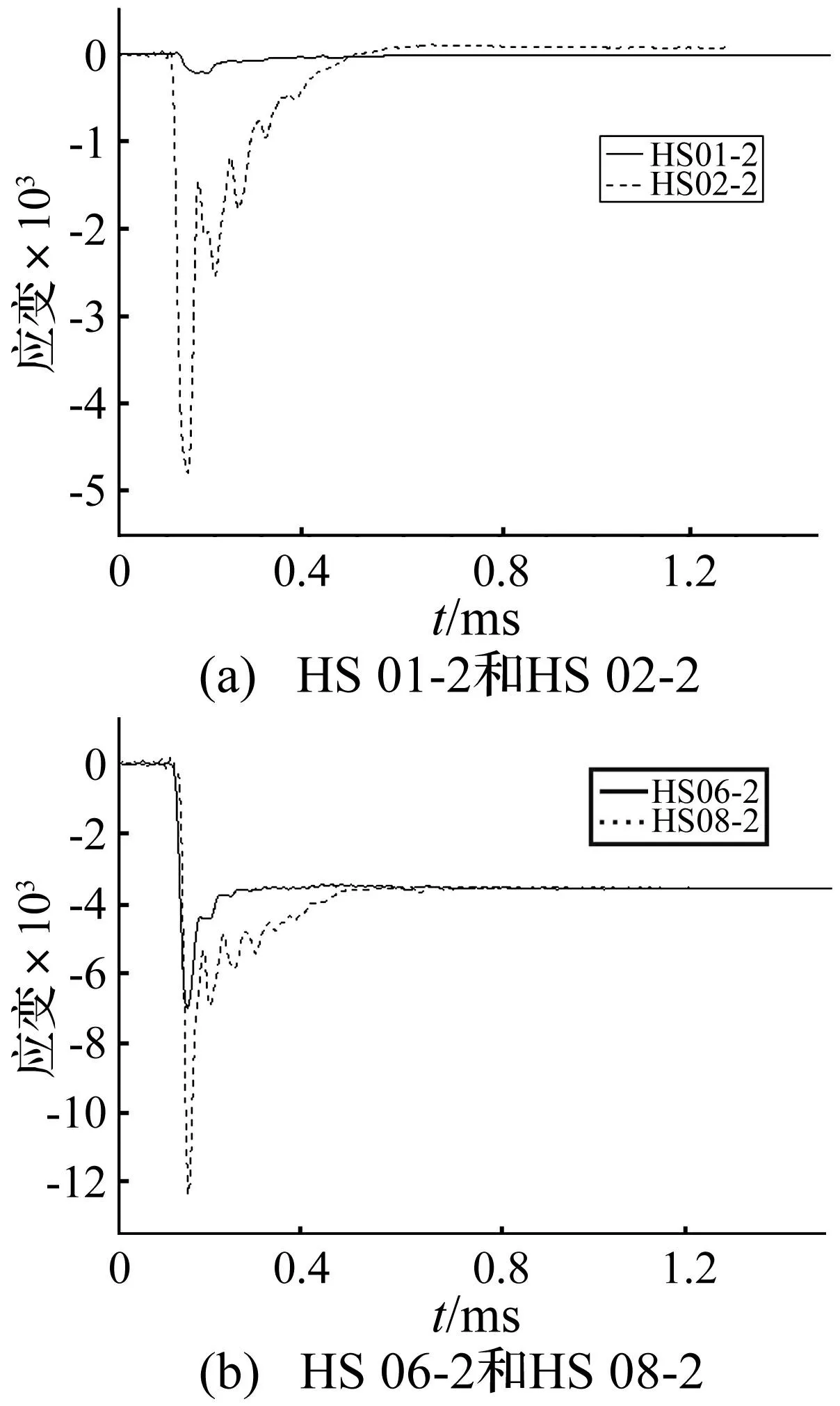
圖11 鋼筋應變時程曲線 Fig.11 Time-history curves of reinforcement strains
鋼筋混凝土板剛度保持較好,因而加速度峰值差別不大;而配筋率較小(≤0.22%)時,鋼筋混凝土板在爆炸荷載作用下出現不同程度裂縫,其數量、寬度對板的振動能量有重要影響,因而量測的加速度峰值差別較大。由圖11可知,HS02-2、HS08-2的鋼筋應變峰值分別達到-4 772.77 με、-12 288.90 με,而HS01-2、HS06-2的鋼筋應變峰值分別只有-221.25 με、-6 993.42 με,最大相差21倍。由于本試驗荷載條件下,高強鋼筋的抗拉性能均未充分發揮,因而在爆炸荷載作用后鋼筋殘余應變不大,表現出較好的彈性性能。
3.3爆炸荷載對抗爆性能影響
為研究爆炸荷載峰值對主要動態參數影響,選鋼筋間距、鋼筋數量相同的HS02-2與HS06-2跨中位移、加速度及鋼筋應變時程曲線對比分析,見圖12~圖14。導爆索長度分別為7 m、18 m。由圖12看出,兩塊鋼筋混凝土板跨中位移時程曲線相差較大,HS06-2位移峰值、殘余位移分別達115.38 mm、69.71 mm,為HS02-2的3.63倍、4.80倍。沖擊波正壓作用后HS06-2出現較明顯的振蕩過程,而HS02-2此過程較平穩,原因為爆炸荷載峰值較大時對應的負壓峰值較大(達-0.02 MPa,約為正壓峰值的21%),導致鋼筋混凝土板明顯反跳現象。由圖13可見,HS06-2加速度峰值達341.44 m/s2,而HS02-2加速度峰值僅124.81 m/s2,相差近3倍。由圖14看出,爆炸荷載峰值越大,鋼筋混凝土板所受動彎矩作用越大,因而相應的鋼筋應變值越大。爆炸荷載峰值為0.031 8 MPa時,鋼筋殘余應變只有69.33 με,而爆炸荷載峰值增到0.094 5 MPa時,鋼筋殘余應變高達3592.61με,差值達到51.81倍。另外,HS02-2鋼筋在恢復變形中有一緩慢振蕩階段,彈性性能保持較好,而HS06-2此過程較陡峭,此因爆炸荷載峰值越大,比沖量迅速增加,正壓作用時間隨之減少(圖4),加之荷載高頻分量影響,鋼筋易屈服,導致結構發生剪切破壞跡象(圖5)。
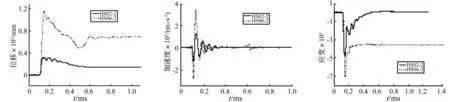

圖12 跨中位移時程曲線Fig.12Time-historycurvesofspandisplacements圖13 加速度時程曲線Fig.13Time-historycurvesofaccelerations圖14 鋼筋應變時程曲線Fig.14Time-historycurvesofreinforcementstrains
4結論
通過4組8塊鋼筋混凝土板的抗爆性能試驗,分析鋼筋類型、配筋率、爆炸荷載峰值等因素對破壞形態、跨中位移、加速度及鋼筋應變等主要參數影響,結論如下:
(1)利用現有試驗裝置,采用長度4~18 m的導爆索可獲得峰值壓力0.022~0.099 MPa典型的爆炸沖擊波荷載。
(2)8塊鋼筋混凝土板背爆面均出現不同程度的裂縫,主裂縫沿板對角線方向伸展,板中央出現矩形破壞區,呈現典型的雙向受彎破壞特征。爆炸荷載峰值較大時,鋼筋混凝土板出現橢圓形塌陷現象,破壞模式由彎曲破壞轉為剪切破壞趨勢。
(3)高強鋼筋配筋率較大時,鋼筋混凝土板剛度較好,加速度峰值時程曲線較一致;配筋率較小時,加速度峰值明顯小于高配筋率。鋼筋間距及數量相同時,高強鋼筋混凝土板跨中位移、加速度及鋼筋應變峰值均隨爆炸荷載峰值增大增加明顯。
(4)高強鋼筋混凝土板較普通鋼筋混凝土板抗爆性能更好,在防護工程中應用前景廣闊。
參考文獻
[1]Jarrett D E. Derivation ofbritish explosion safety distances[J]. Annals of the New York Academy of Sciences, 1968,152(1):18-35.
[2]Baker W E, Cox P A, Westine P S, et al. Explosion hazards and evaluation[M]. Amsterdam, New York Elsevier Scientific Publication,1983.
[3]Mays G, Smith P D. Blast effects on building design of buildings to optimize resistance to blast loading[M]. London Thomas Telford Ltd,1995.
[4]李忠獻,師燕超,史祥生.爆炸荷載作用下鋼筋混凝土板破壞評定方法[J].建筑結構學報,2009,30(6):60-66.
LI Zhong-xian, SHI Yan-chao, SHI Xiang-sheng. Damage analysis and assessment of RC slabs under blast load[J]. Journal of Building Structures, 2009,30(6): 60-66.
[5]陳萬祥,嚴少華.CFRP 加固鋼筋混凝土梁抗爆性能試驗研究[J].土木工程學報,2010,43(5):1-12.
CHEN Wan-xiang, YAN Shao-hua. Experimental study of RC beams strengthened with CFRP under blast loading[J]. China Civil Engineering Journal, 2010,43(5): 1-12.
[6]Lok T S, Pei J S,Heng L. Steel fiber reinforced concrete panels subjected to blast loading[C].//Proceedings of the 18 International Symposium on Interaction of the Effects of Munitions with Structure, Mclean, Virginia, 1997:701-711.
[7]鄭全平,周早生,錢七虎,等.防護結構中的震塌問題[J].巖石力學與工程學報,2003,22(8):1393-1398.
ZHENG Quan-ping, ZHOU Zao-sheng, QIAN Qi-hu, et al. Spallation in protective structure[J]. Chinese Journal of Rock Mechanics and Engineering, 2003, 22(8):1393-1398.
[8]董新龍,洪志權,高培正,等.混凝土及鋼纖維混凝土板爆炸破壞研究[J].兵工學報,2009,30(S2):380-383.
DONG Xin-long, HONG Zhi-quan, GAO Pei-zheng, et al. Study on collapse of common and steel fiber reinforced concrete slabs subjected to contact detonation [J]. Acta Armamentarii, 2009,30(S2):380-383.
[9]Pedro F, Silva P E,Lu B G. Blast resistance capacity of reinforced concrete slabs[J].Journal of Structural Engineering, 2009,135(6):708-716.
[10]WuC Q, Nurwidayati R, Oehlers D O. Fragmentation from spallation of RC slabs due to airblast loads [J].International Journal of Impact Engineering, 2009, 36: 1371-1376.
[11]Schenker A, Anteby I, Gal E, et al. Full-scale field tests of concrete slabs subjected to blast loads[J].International Journal of Impact Engineering,2008,35:184-198.
[12]Yuen S C K, Nurick G N. Experimental and numerical studies on the response of quadrangular stiffened plates.part I:subjected to uniform blast load[J]. International Journal of Impact Engineering, 2005, 31: 55-83.
[13]Langdon G S, Yuen S C K, Nurick G N. Experimental and numerical studies on the response of quadrangular stiffened plates.part II:localized blast loading[J]. International Journal of Impact Engineering, 2005, 31: 85-111.
[14]孫文彬.鋼筋混凝土板的爆炸荷載試驗研究[J].遼寧工程技術大學學報,2009,28(2):217-220.
SUN Wen-bin. Experimental studies on reinforced concrete slabs under blast loading[J]. Journal of Liaoning Technical University(Natural Science), 2009, 28(2):217-220.
[15]張想柏,楊秀敏,陳肇元,等.接觸爆炸鋼筋混凝土板的震塌效應[J].清華大學學報(自然科學版),2006,46(6):756-768.
ZHANG Xiang-bo, YANG Xiu-min, CHEN Zhao-yuan, et al. Expolsion spalling of reinforced concrete slabs with contact detonations[J]. Journal of Tsinghua University (Natural Science), 2006,46(6):765-768.
[16]王德榮,戴明,李杰,等.鋼纖維超高強活性粉末混凝土(RPC)遮彈板接觸爆炸破壞作用[J].爆炸與沖擊,2008,27(1):67-74.
WANG De-rong, DAI Ming, LI Jie, et al. Failure effect of steel-fiber reactive power concrete (RPC) shelter plate under contact explosion[J]. Explosion and Shock Waves, 2008,27(1):67-74.
[17]李曉軍,鄭全平,楊益.鋼纖維鋼筋混凝土板爆炸局部破壞效應[J].爆炸與沖擊,2009,29(4):385-389.
LI Xiao-jun, ZHENG Quan-ping, YANG Yi. Local damage effects of steel fiber reinforced concrete plates subjected to contact explosion[J]. Explosion and Shock Waves,2009,29(4):385-389.
[18]周布奎,王安寶,楊秀敏,等.GFRP加固RC雙向板抗爆性能試驗研究[J].爆炸與沖擊,2006,26(3):234-238.
ZHOU Bu-kui, WANG An-bao, YANG Xiu-min, et al. Chemical explosion resistance performance of two-way RC slab reinforced with GFRP ribbon externally[J]. Explosion and Shock Waves, ,2006,26(3):234-238.
[19]杜修力,廖維張.高強鋼絞線網-聚合物砂漿加固鋼筋混凝土板的抗爆性能數值分析[J].防災減災工程學報,2010,30(6):595-600.
DU Xiu-li, LIAO Wei-zhang. Study on blast resistant performance of reinforced concrete plate strengthed with high-strength steel wire mash and polymer mortar under blast loading[J]. Journal of Disaster Prevention and Mitigation Engineering, 2010,30(6):595-600.
[20]方秦,吳平安.爆炸荷載作用下影響RC梁破壞模式的主要因素分析[J].計算力學學報,2003,20(1):39-42.
FANG Qin,WU Ping-an. Main factors affecting failure modes of blast loaded RC beams[J]. Chinese Journal of Computational M echanics,2003,20(1):39-42. D E. Derivation ofbritish explosion safety distances[J]. Annals of the New York Academy of Sciences, 1968,152(1):18-35.
[2]Baker W E, Cox P A, Westine P S, et al. Explosion hazards and evaluation[M]. Amsterdam, New York Elsevier Scientific Publication,1983.
[3]Mays G, Smith P D. Blast effects on building design of buildings to optimize resistance to blast loading[M]. London Thomas Telford Ltd,1995.
[4]李忠獻,師燕超,史祥生.爆炸荷載作用下鋼筋混凝土板破壞評定方法[J].建筑結構學報,2009,30(6):60-66.
LI Zhong-xian, SHI Yan-chao, SHI Xiang-sheng. Damage analysis and assessment of RC slabs under blast load[J]. Journal of Building Structures, 2009,30(6): 60-66.
[5]陳萬祥,嚴少華.CFRP 加固鋼筋混凝土梁抗爆性能試驗研究[J].土木工程學報,2010,43(5):1-12.
CHEN Wan-xiang, YAN Shao-hua. Experimental study of RC beams strengthened with CFRP under blast loading[J]. China Civil Engineering Journal, 2010,43(5): 1-12.
[6]Lok T S, Pei J S,Heng L. Steel fiber reinforced concrete panels subjected to blast loading[C].//Proceedings of the 18 International Symposium on Interaction of the Effects of Munitions with Structure, Mclean, Virginia, 1997:701-711.
[7]鄭全平,周早生,錢七虎,等.防護結構中的震塌問題[J].巖石力學與工程學報,2003,22(8):1393-1398.
ZHENG Quan-ping, ZHOU Zao-sheng, QIAN Qi-hu, et al. Spallation in protective structure[J]. Chinese Journal of Rock Mechanics and Engineering, 2003, 22(8):1393-1398.
[8]董新龍,洪志權,高培正,等.混凝土及鋼纖維混凝土板爆炸破壞研究[J].兵工學報,2009,30(S2):380-383.
DONG Xin-long, HONG Zhi-quan, GAO Pei-zheng, et al. Study on collapse of common and steel fiber reinforced concrete slabs subjected to contact detonation [J]. Acta Armamentarii, 2009,30(S2):380-383.
[9]Pedro F, Silva P E,Lu B G. Blast resistance capacity of reinforced concrete slabs[J].Journal of Structural Engineering, 2009,135(6):708-716.
[10]WuC Q, Nurwidayati R, Oehlers D O. Fragmentation from spallation of RC slabs due to airblast loads [J].International Journal of Impact Engineering, 2009, 36: 1371-1376.
[11]Schenker A, Anteby I, Gal E, et al. Full-scale field tests of concrete slabs subjected to blast loads[J].International Journal of Impact Engineering,2008,35:184-198.
[12]Yuen S C K, Nurick G N. Experimental and numerical studies on the response of quadrangular stiffened plates.part I:subjected to uniform blast load[J]. International Journal of Impact Engineering, 2005, 31: 55-83.
[13]Langdon G S, Yuen S C K, Nurick G N. Experimental and numerical studies on the response of quadrangular stiffened plates.part II:localized blast loading[J]. International Journal of Impact Engineering, 2005, 31: 85-111.
[14]孫文彬.鋼筋混凝土板的爆炸荷載試驗研究[J].遼寧工程技術大學學報,2009,28(2):217-220.
SUN Wen-bin. Experimental studies on reinforced concrete slabs under blast loading[J]. Journal of Liaoning Technical University(Natural Science), 2009, 28(2):217-220.
[15]張想柏,楊秀敏,陳肇元,等.接觸爆炸鋼筋混凝土板的震塌效應[J].清華大學學報(自然科學版),2006,46(6):756-768.
ZHANG Xiang-bo, YANG Xiu-min, CHEN Zhao-yuan, et al. Expolsion spalling of reinforced concrete slabs with contact detonations[J]. Journal of Tsinghua University (Natural Science), 2006,46(6):765-768.
[16]王德榮,戴明,李杰,等.鋼纖維超高強活性粉末混凝土(RPC)遮彈板接觸爆炸破壞作用[J].爆炸與沖擊,2008,27(1):67-74.
WANG De-rong, DAI Ming, LI Jie, et al. Failure effect of steel-fiber reactive power concrete (RPC) shelter plate under contact explosion[J]. Explosion and Shock Waves, 2008,27(1):67-74.
[17]李曉軍,鄭全平,楊益.鋼纖維鋼筋混凝土板爆炸局部破壞效應[J].爆炸與沖擊,2009,29(4):385-389.
LI Xiao-jun, ZHENG Quan-ping, YANG Yi. Local damage effects of steel fiber reinforced concrete plates subjected to contact explosion[J]. Explosion and Shock Waves,2009,29(4):385-389.
[18]周布奎,王安寶,楊秀敏,等.GFRP加固RC雙向板抗爆性能試驗研究[J].爆炸與沖擊,2006,26(3):234-238.
ZHOU Bu-kui, WANG An-bao, YANG Xiu-min, et al. Chemical explosion resistance performance of two-way RC slab reinforced with GFRP ribbon externally[J]. Explosion and Shock Waves, ,2006,26(3):234-238.
[19]杜修力,廖維張.高強鋼絞線網-聚合物砂漿加固鋼筋混凝土板的抗爆性能數值分析[J].防災減災工程學報,2010,30(6):595-600.
DU Xiu-li, LIAO Wei-zhang. Study on blast resistant performance of reinforced concrete plate strengthed with high-strength steel wire mash and polymer mortar under blast loading[J]. Journal of Disaster Prevention and Mitigation Engineering, 2010,30(6):595-600.
[20]方秦,吳平安.爆炸荷載作用下影響RC梁破壞模式的主要因素分析[J].計算力學學報,2003,20(1):39-42.
FANG Qin,WU Ping-an. Main factors affecting failure modes of blast loaded RC beams[J]. Chinese Journal of Computational M echanics,2003,20(1):39-42.