不同料型和粉碎粒度對肉雞生產性能、屠宰性能和消化道發育的影響
2016-03-31 07:08:16楊在賓楊維仁姜淑貞張桂國明山東農業大學動物科技學院山東泰安271018
山東農業大學學報(自然科學版) 2016年1期
關鍵詞:生長
張 亮,楊在賓,楊維仁,姜淑貞,張桂國,梁 明山東農業大學動物科技學院,山東泰安271018
?
不同料型和粉碎粒度對肉雞生產性能、屠宰性能和消化道發育的影響
張亮,楊在賓*,楊維仁,姜淑貞,張桂國,梁明
山東農業大學動物科技學院,山東泰安271018
摘要:選擇健康1日齡AA肉仔雞雛雞576只,隨機分成8個處理,每個處理6個重復,每個重復12只雞。研究制粒和粉碎粒度對肉雞生產性能、屠宰性能和消化道發育的影響。結果表明:與粉狀飼料相比,顆粒飼料能夠顯著提高肉雞的ADFI和ADG(P<0.05),顯著降低F/G(P<0.05),改善肉雞的生產性能;肉雞飼喂粉料,不同粒度對ADFI,ADG和F/G有差異(P<0.05),而飼喂不同粉碎粒度制成顆粒飼料,不影響肉雞的ADFI、ADG和F/G(P>0.05)。在粉料和顆粒飼料采食量一致的情況下,顆粒飼料能顯著提高日增重,降低料重比。飼喂粉料和顆粒飼料的肉雞達到同樣出欄體重,飼養周期至少增加2周以上。與粉料相比,顆粒飼料顯著提高了42日齡時肉雞的屠宰率、全凈膛率、半凈膛率、胸肌率、腿肌率和腹脂率(P<0.05)。無論是粉料還是顆粒飼料,飼料原料粉碎粒度(378、430、516、590 μm)均沒有影響肉雞各種屠宰性能指標(P>0.05);飼喂粉狀飼料的肉雞,腺胃、肌胃、十二指腸、空腸、回腸、小腸和盲腸的相對重量和十二指腸、空腸、回腸、小腸和盲腸的相對長度均顯著大于顆粒飼料組(P<0.05)。飼喂粉料肉雞的肌胃相對體重隨粉碎粒度的變大而呈線性增大(P<0.05)。肉雞飼喂顆粒飼料能夠提高肉雞生長和產肉性能。飼喂粉料達到同樣生產成績需要延長飼養周期至少2周。對于顆粒飼料,不同粉碎粒度(378、430、516、590 μm)不影響肉雞的ADFI,ADG和F/G;對于粉料,肉小雞430 μm粒度組的ADFI,ADG和F/G最優;肉大雞378 μm 和430 μm組的ADFI,ADG和F/G顯著高于其他組。采食粉料肉雞的促進了消化系統的發育。
關鍵詞:料型;粒度;生長;肉雞
制粒是肉雞飼料最普遍的加工方式,能夠提高動物的采食量,體增重和飼料轉化效率,改善肉雞生產性能[1-6]。日糧的粉碎粒度對肉雞的生產性能也有重要影響[7-11]。Lott等發現谷物粉碎較粗會降低家禽的生產性能[12],但是早期研究也有報道粗粉碎比細粉碎更能提高動物的生產性能[13]。料型是導致這一矛盾現象的重要原因,混淆了粉碎粒度對養分利用率和生產性能的作用[14]。料型和粉碎粒度還會影響肉雞消化道的發育,良好的消化道發育可以提高消化酶的作用,提高飼料的利用率,改善肉雞的生產性能[15]。因此本研究旨在探討制粒和粉碎粒度對肉雞生產性能、屠宰性能和消化道發育的影響。
1 材料與方法
1.1試驗動物與設計
本試驗選擇健康1日齡AA肉仔雞雛雞576只(公母混養),隨機分成8個處理,每個處理6個重復,每個重復12只雞。試驗采用粉料和顆粒飼料兩種形態日糧,每種日糧設置4個粉碎粒度梯度:378 μm、430 μm、516 μm和590 μm。
1.2日糧配制
日糧配方組成和營養水平見表1。
采用錘片式粉碎機,選擇4種不同粒徑的篩片(1.0,1.5,2.0和2.5 mm),粉碎大宗原料(玉米,小麥,豆粕)。按照表1配制粉料,并測定[16]相應的幾何平均粒徑(Geometric mean diameter,GMD)分別為378 μm、430 μm、516 μm和590 μm,在此基礎上,制作顆粒飼料。
制粒系統工藝參數見表2和表3。其中環模孔徑為3.00 mm,壓縮比為1:10,在常規制粒溫度(80℃)下制粒。溫度為緊靠調制器出口處的溫度表讀數。
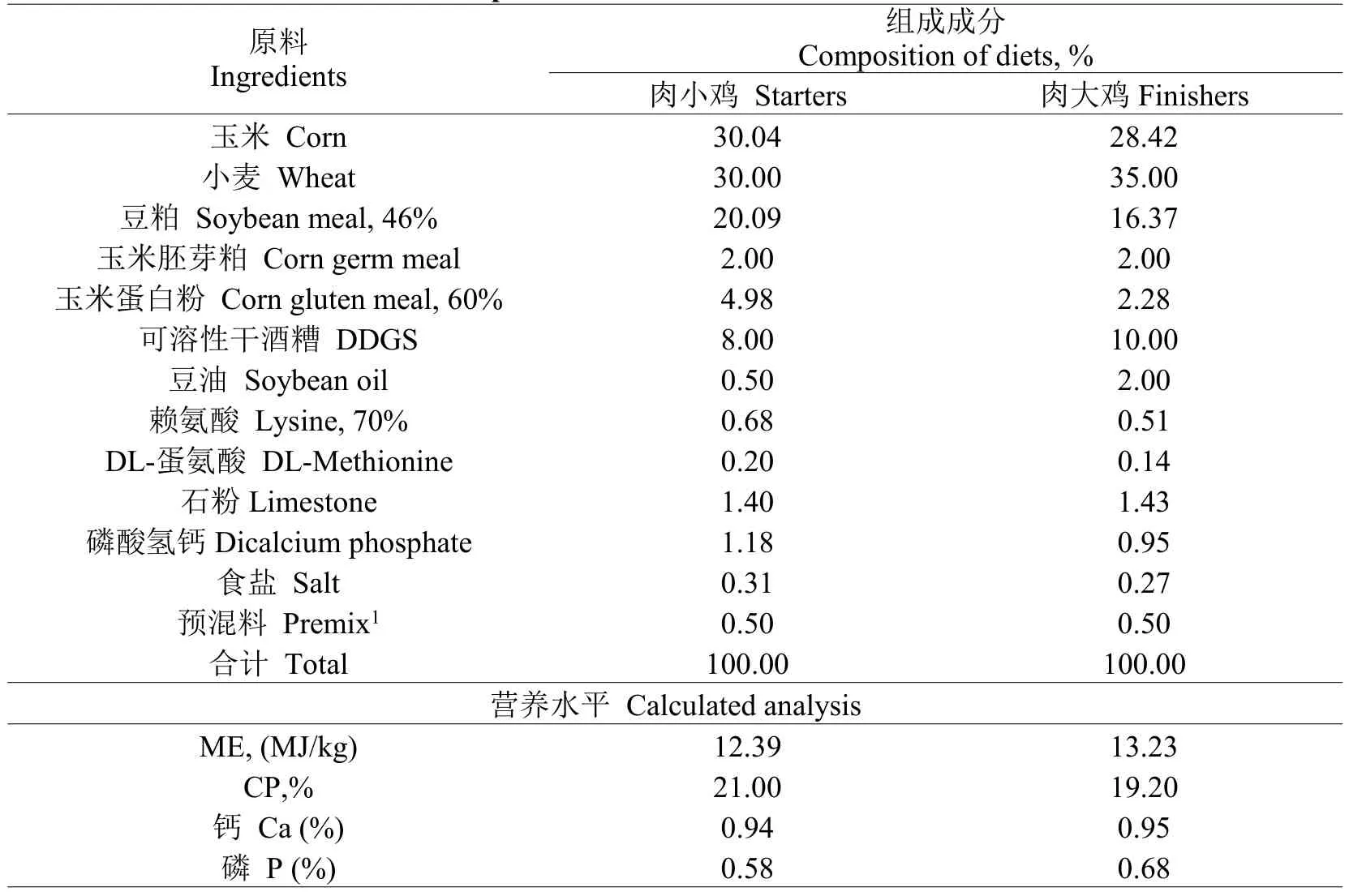
表1 日糧配方及營養成份(%)Table 1 Composition and nutrient levels of diet(%)

表2 制粒系統具體參數Table 2 The practical parameters of pelleting system

表3 制粒加工工藝參數Table 3 The technological parameters of pelleting process
1.3飼養管理
試驗在山東農業大學動物營養研究所動物試驗站進行。試驗分為肉小雞(0~21 d)和肉大雞(22~42 d)兩階段。試驗期間24 h光照,自由飲水和采食。每天觀察雞群狀態,并記錄死亡和腹瀉數。免疫按常規程序進行。
1.4測定指標
1.4.1生產性能指標分別于21和42日齡,記錄采食量和體重,從而計算ADG、ADFI和F/G。
在42 d以后,粉料處理組繼續飼養2周,于56 d(粉料處理組的平均進食量接近顆粒飼料組42 d進食量),計算采食量(AFI)、體重(BW)和F/G。
1.4.2屠宰性能指標42 d時進行屠宰試驗。分別計算:屠宰率(%)、半凈膛率(%)、全凈膛率(%)、腹脂率(%)、腿肌率(%)。
1.4.3消化道發育指標腺胃、肌胃、十二指腸、空腸、回腸、盲腸、小腸相對體重指數;十二指腸、空腸、回腸、盲腸、小腸相對長度指數。
以實施“美麗鄉村小康水”行動計劃為主抓手,貴州省全面推進民生水利建設,讓更多群眾在水利發展中得到實惠。2013年全省預計解決300萬農村人口及學校師生的飲水安全問題,實施中小河流項目129個,治理水土流失面積2 200km2,實施病險水庫治理271座,新增小水電裝機20萬kW,新增小型農田水利重點縣22個,新增有效灌溉面積73萬畝,全面完成年初預定的各項目標。
1.5數據分析
數據采用SAS 8.0軟件進行統計分析,試驗組之間的差異采用One-way ANOVA進行方差分析,用Duncan’s Multiple Range Test進行多重比較。進行GLM線性回歸分析,顯著水平為P<0.05。
2 結果與分析
2.1生產性能
不同飼料類型和粉碎粒度對肉雞生產性能的比較研究見表4。由表可知:從0-21d,22-42d和0-42d來看,顆粒飼料的ADFI,ADG顯著高于粉料,F/G顯著低于粉料組(P<0.05)。

表4 不同飼料類型和粉碎粒度對肉雞生產性能的影響Table 4 The effect of feed form and particle size on the ADFI, ADG and F/G in broilers
肉雞飼喂粉料:肉小雞430 μm組的ADFI和ADG顯著高于378、516和590 μm組(P<0.05),F/G顯著低于378、516和590 μm組(P<0.05);肉大雞378 μm和430 μm組的ADFI和ADG顯著高于516 μm和590 μm組(P<0.05),378、430、516和590 μm組的F/G無顯著差異(P>0.05);全程階段430 μm組的ADFI和ADG顯著高于378、516和590 μm各組(P<0.05),F/G顯著低于378、516和590 μm各組(P<0.05)。總體來看,隨粉碎粒度(378,430,516,590 μm)的增大,肉小雞階段、肉大雞階段和全程ADFI和ADG均呈線性和二次下降(P<0.05),F/G沒有呈現出線性和二次效應(P>0.05)。
肉雞飼喂顆粒飼料:不同粒度之間沒有出現ADFI、ADG和F/G顯著性差異(P>0.05)。同時,隨著粉碎粒度(378,430,516,590 μm)的增大,ADFI、ADG和F/G均沒有呈現出線性和二次效應(P>0.05)。
綜合以上可知,顆粒飼料能夠顯著提高肉雞的ADFI和ADG(P<0.05),顯著降低F/G(P<0.05),即改善肉雞的生產性能;在粉料與顆粒飼料采食量一致的情況下,顆粒飼料能顯著提高日增重,降低料重比。達到同樣出欄體重,飼養周期至少增加2周以上。對粉料來說,不同粒度對ADFI,ADG和F/G有差異(P<0.05),而對飼喂不同粉碎粒度制成顆粒飼料,不影響肉雞的ADFI、ADG和F/G(P>0.05)。
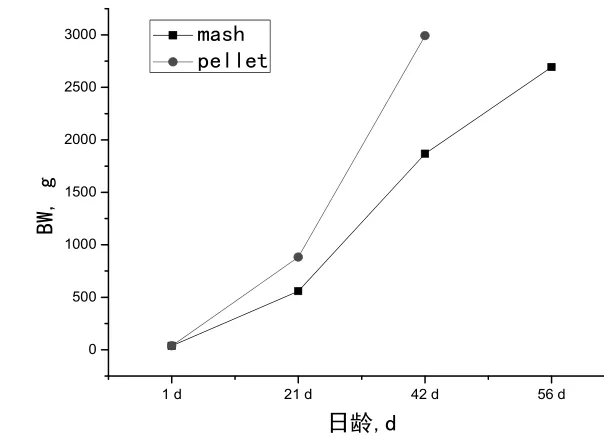
圖1 肉雞體重BW隨日齡變化趨勢Fig.1 The tendency of BW changing with the age
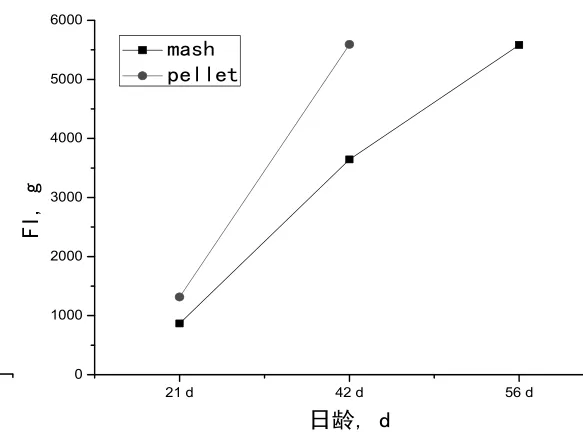
圖2 肉雞采食量FI隨日齡變化趨勢Fig.2 The tendency of FI changing with the age

圖3 肉雞料重比F/G隨日齡變化趨勢Fig.3 The tendency of F/G changing with the age
2.2屠宰性能
不同飼料形態和粉碎粒度對42 d肉雞屠宰性能的比較研究見表5。由表可知:與粉料相比,顆粒飼料顯著提高了42 d時肉雞的屠宰率、全凈膛率、半凈膛率、胸肌率、腿肌率和腹脂率(P<0.05)。無論是粉料還是顆粒飼料,飼料原料粉碎粒度(378,430,516,590 μm)的變化均沒有影響肉雞42 d時的屠宰率、全凈膛率、半凈膛率、胸肌率、腿肌率和腹脂率(P>0.05)。

表5 不同飼料類型和粉碎粒度對42 d肉雞屠宰性能的影響Table 5 The effect of feed type and size on the slaughter performance of 42 d broilers
2.3肉雞消化道的發育
不同飼料形態和粉碎粒度對42 d肉雞消化道發育的比較研究見表6。由表可知:粉料組動物的腺胃、肌胃、十二指腸、空腸、回腸、小腸和盲腸的相對重量和十二指腸、空腸、回腸、小腸和盲腸的相對長度均顯著大于顆粒飼料組(P<0.05)。
無論是顆粒飼料還是粉狀飼料,不同物料粉碎粒度378,430,516,590 μm)沒有影響肉仔雞42 d時的腺胃、十二指腸、空腸、回腸、小腸和盲腸的相對重量指數和十二指腸、空腸、回腸、小腸和盲腸的相對長度指數(P>0.05)。但是,飼喂粉狀飼料的肉雞,粉碎粒度提高了肌胃相對體重,并且隨粉料粉碎粒度的變粗而線性增大(P<0.05)。
由以上分析可見,與飼喂顆粒飼料相比,采食粉料肉雞的促進了消化系統的發育,這可能就是粉料養分利用率高于顆粒飼料的原因之一。同時粉碎粒度增加可以改變肌胃。
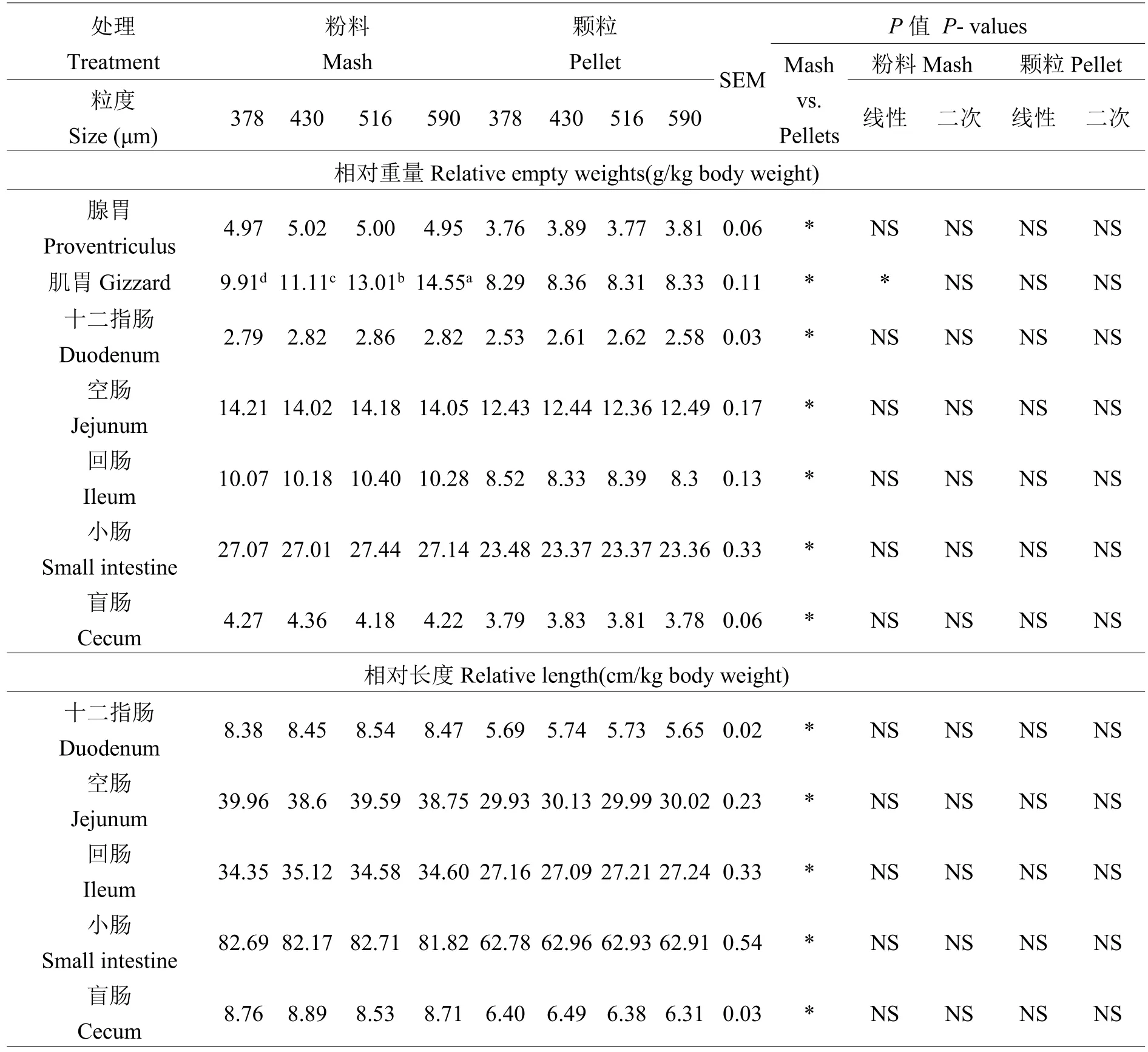
表6 不同飼料類型和粉碎粒度對42 d肉雞消化道發育的影響Table 6 The effect of feed type and size on the digestive tract development of 42 d broilers
3 討論
3.1料型和粉碎粒度對肉雞生產性能的影響
家禽的喙端內有豐富而敏感的物理感受器,肉仔雞能夠區別飼料顆粒的細微差別,適度的顆粒大小有助于提高肉雞的生產性能[17]。顆粒飼料能提高家禽的適口性,方便動物的采食,改善了動物的生產性能[2-6]。本研究發現:在肉小雞(0~21 d)、肉大雞(22~41 d)和全程(0~42 d)階段,飼喂顆粒飼料均顯著提高了肉雞的采食量、日增重,降低了料重比。李清曉報道動物的日增重和采食量之間呈正相關關系[18],所以飼喂顆粒飼料在提高動物采食量的同時,還提高了肉雞日增重。同時顆粒飼料方便了肉雞的采食,減少了動物的采食時間和能量消耗[19],這就降低了維持所需能量在飼料有效能量中的比例,增大了能量中用于生產部分的比例,即能量的凈效率[20],這有助于飼料轉化效率的提高。有研究證明,在肉小雞階段,動物體增重和飼料轉化率的改善主要來自采食量的提高[19],而不是來源于養分利用率的提高。Huang和Yang表明肉大雞生產性能的改善,主要得益于養分利用率的提高[21,22]。因此,顆粒飼料能夠提高肉雞的ADFI和ADG,降低F/G。
本研究在42 d以后,粉料飼料的4個處理繼續飼養2周,結果發現:至56日齡時,粉料進食量(5583.7 g/只)和顆粒飼料42日齡基本一致(5593.6 g/只),但是與顆粒飼料處理組(42 d)相比,粉料處理組(56 d)的體重仍然低11.07%,料重比高9.79%。這說明在粉料與達到同樣出欄體重,飼養周期至少增加2周以上,這也可能就是粉狀飼料養分利用率較高,而生產性能低的主要原因。
對于粉料而言,本試驗發現在肉小雞階段,430 μm粒度組的日采食量、日增重和飼料轉化率均優于其他各組。此粒度組動物的采食量較高可能與此粒度的粉料更適合肉小雞的采食要求有關。李清曉報道日增重同采食量同正相關,因此各組日增重的差別主要來自日采食量的不同,采食量較高,其日增重也較高[18]。Jurgens報道,動物采食適宜粒度的飼料,能夠減少采食時間和采食過程中所消耗的能量[23],提高了能量的凈效率,因而提高了此粒度組的料重比。在肉大雞階段,378 μm和430 μm組的采食量和日增重顯著高于516 μm和590 μm組,并且有降低料重比的趨勢。這可能是因為粒度較大的飼料需要先在肌胃中磨碎至一定粒度,延長了大顆粒飼料在肌胃中停留的時間[12,24],從而降低了動物的采食量[15]。由于516 μm和590 μm粗粉料組的采食量較低,因而無法滿足肉雞快速生長的營養需要,從而導致肉雞增重變慢,同時消化器官的運動增加了有效能的損失,增加了維持需要所消耗能量的比例,所以降低了飼料的轉化效率[12]。由于肉小雞階段,各粉碎粒度組之間,動物的ADFI,ADG和F/G的差異較大,所以從全程來看,肉雞的生長規律同肉小雞階段基本一致。因此,對于粉料,肉小雞430 μm粒度組的ADFI,ADG和F/G最優;肉大雞378 μm和430 μm組的ADFI,ADG和F/G顯著高于其他組,并且有降低料重比的趨勢。
顆粒飼料的粉碎粒度主要取決于顆粒飼料在嗉囊里面溶化破碎后的粒度[25],尤其是粉碎粒度差異較大的日糧。有研究報道粉碎粒度較小的玉米日糧(GMD,1196 vs. 679 μm;869 vs. 2897 μm)提高了肉雞體增重和飼料報酬[12,26]。但是也有報道認為不同粉碎粒度的玉米型日糧[7]和小麥型日糧均不影響肉雞的采食量,體增重和飼料報酬[27],這與本研究的結果一致。這可能是因為顆粒飼料的制粒過程掩蓋了粉碎粒度之間的差異[19,27]。顆粒飼料優勢的發揮與顆粒飼料的品質有關[28],好的顆粒質量能減少飼料的粉化,防止動物挑食和飼料的浪費,提高的生產性能[27,29,30]。因此,對于顆粒飼料,不同粉碎粒度(378、430、516、590 μm)不影響肉雞的采食量、日增重和飼料轉化率。因此,對于粉料,肉小雞430 μm粒度組的ADFI,ADG和F/G最優;肉大雞378 μm和430 μm組的ADFI,ADG和F/G顯著高于其他組,并且有降低料重比的趨勢。
3.2料型和粉碎粒度對肉雞屠宰性能的影響
腸道是對能量和蛋白質需要量最大的器官,如果能降低腸道的能量消耗,那么就可將更多的營養用于生產[17]。顆粒飼料會降低肉雞肌胃[25,31]和小腸[25]的相對重量,這與本研究的結論一致。Parsons報道動物增加用于肌胃的生長和維持能量消耗,就會減少用于胸肌生長的能量[32]。本研究中顆粒飼料組的消化道指數小于粉料組,所以提高了動物的屠宰率、全凈膛率、半凈膛率、胸肌率、腿肌率和腹脂率。因此,與粉料相比,顆粒飼料顯著提高了42日齡時肉雞的屠宰率、全凈膛率、半凈膛率、胸肌率、腿肌率和腹脂率。不同粉碎粒度(378,430,516,590 μm)沒有影響。
3.3料型和粉碎粒度對肉雞消化道發育的影響
向濤家禽生長發育所需的所有營養物質的消化吸收[33],均在消化道內進行。有研究表明飼料形態和粉碎粒度可以影響家禽消化系統的發育,尤其是肌胃的發育[25,31,34]。本研究中顆粒飼料組的消化道指數小于粉料組,這可能是由顆粒飼料通過消化道的速度過快沒能很好的促進消化道的發育造成的[35]。
粉料的粉碎粒度可以影響動物消化器官的發育,但是對于顆粒飼料,肌胃的相對重量取決于飼料在嗉囊中破碎后的粒度[5]。Taylor和Jones報道飼料粉碎粒度較小會導致肌胃發育不完善,相對重量偏低[36],這可能是由于較小粒度顆粒通過肌胃過快,研磨時間短所致[15],此時肌胃更像是一個運輸通道而不是一個研磨器官。較粗飼料顆粒在肌胃中研磨時間較長,會反過來刺激肌胃肌肉的生長[10]。本研究發現,粉料組動物肌胃的相對重量隨飼料粉碎粒度的增大而增大,這與前人的研究一致[2,32]。顆粒飼料組粉碎粒度不影響肌胃的相對重量,這可能是因為制粒加工掩蓋了飼料粉碎粒度之間影響的差異[19]。本研究還發現不同粉碎粒度對肉雞腺胃的相對重量,十二指腸、空腸、回腸、小腸和盲腸的相對重量和相對長度的影響無明顯差異,這和前人的研究一致[37],這可能是由飼料顆粒會在肌胃中磨碎到同一粒徑后才進入后消化道所致[38]。綜上所述,與飼喂顆粒飼料相比,采食粉料肉雞的促進了消化系統的發育,這可能就是粉料養分利用率高于顆粒飼料的又一原因。
4 結論
(1)肉雞飼喂顆粒飼料能夠提高肉雞生長和產肉性能。飼喂粉料達到同樣生產成績需要延長飼養周期至少2周。
(2)采食粉料肉雞的促進了消化系統的發育。
(3)對于顆粒飼料:不同粉碎粒度(378、430、516、590 μm)不影響肉雞的ADFI,ADG和F/G。對于粉料:肉小雞430 μm粒度組的ADFI,ADG和F/G最優;肉大雞378 μm和430 μm組的ADFI,ADG和F/G顯著高于其他組,并且有降低料重比的趨勢。
參考文獻
[1] Jensen LS. Influence of pelleting on the nutritional needs of poultry[J]. Asian-Aust. J. Anim. Sci. 2000,13:35-46
[2] Nir I,Ptichi I. Feed particle size and hardness: Influence on performance,nutritional,behavioral and metabolic aspects[C]. Utrecht,Netherlands:Proceedings of the 1st World Feed Conference,2001:157-186
[3] Behnke KC,Beyer RS. Effect of feed processing on broiler performance[C]. Santiago,Chile: VIII. International Seminar on Poultry Production and Pathology,2002:1-21
[4] Jahan MS,Asaduzzaman M,Sarkar AK. Performance of broiler fed on mash,pellet and crumble[J]. Int. J. Poult. Sci,2006,5(3):265-270
[5] Amerah AM,Ravindran V,Lentle RG,et al. Influence of feed particle size and feed form on the performance,energy utilization,digestive tract development,and digesta parameters of broiler starters[J]. Poult. Sci,2007,86:2615-2623
[6] Cutlip SE,Hott JM,Buchanan NP,et al. The effect of steam-conditioning practices on pellet quality and growing broiler nutritional value[J]. J. Appl. Poult. Res,2008,17:249-261
[7] Reece FN,Lott BD,Deaton JW. Effects of environmental temperature and corn particle size on response of broilers to pelleted feed[J]. Poult. Sci,1986,65:636-641
[8] Nir I,Melcion JP,Picard M. Effect of particle size of sorghum grains on feed intake and performance of young broilers[J]. Poult. Sci,1990,69:2177-2184
[9] Douglas JH,Sullivan TW,Bond PL,et al. Influence of grinding,rolling,and pelleting on the nutritional value of grain sorghums and yellow corn for broilers[J]. Poult. Sci,1990,69:2150-2156
[10] Nir I. Effect of particle size on performance. 1. Corn[J]. Poult. Sci,1994,73:45-49
[11]王衛國.飼料粉碎粒度對營養價值、動物生產性能的影響及粉碎成本的控制[J].飼料工業,1999,20(10):9-13
[12] Lott BD,Day EJ,Deaton JW,et al. The effect of temperature,dietary energy level and corn particle size on boriler performance[J]. Poult. Sci,1992,71:618-624
[13] Reece FN,Lott BD,Deaton JW. The effects of feed form,grinding method,energy level,and gender on broiler performance in a moderate(21℃)environment[J]. Poult. Sci,1985,64:1834-1839
[14] Zang JJ,Piao XS,Huang DS,et al. Effects of feed particle size and feed form on growth performance,nutrient metabolizabolity and intestinal morphology in broiler chickens[J]. Asian-Aust. J. Anim. Sci,2009,22(1):107-112
[15] Hetland H,Svihus B,Olaisen V. Effect of feeding whole cereals on performance,starch digestibility and duodenalparticle size distribution in broiler chickens[J]. Br. Poult. Sci,2002,43:416-423
[16]中華人民共和國國家質量監督檢驗檢疫總局,中國國家標準化管理委員會. GB 6971-1986飼料粉碎機試驗方法[S].北京:中國標準出版社,2008:1-10
[17]咼于明.家禽營養[M].北京:中國農業出版社,2004:4-7
[18]李清曉.豆粕粉碎粒度對肉雞養分利用率的影響[D].南京:南京農業大學,2005:36-37
[19] Svihus B,Klovstad KH,Perez V,et al. Physical and nutritional effects of pelleting of broiler chicken diets made from wheat ground to different coarsenesses by the use of roller mill and hammer mill[J]. Anim. Feed Sci. and Technol,2004,117:281-293
[20]楊鳳.動物營養學[M].北京:中國農業出版社,1999:222-223
[21] Huang AHC. Oil bodies and oleosins in seeds[J].Annu. Rev. Plant Physiol,1992,43:177-200
[22] Yang ZB,Yang WR,Jiang SZ,et al. Effects of a thermotolerant multienzyme product on nutrient and energy utilization of broilers fed mash or crumbled corn-soybean meal diets[J]. J. Appl. Poult. Res,2010,19:38-45
[23] Jurgens MH. Methods of feedstuff preparation. Animal Feeding and Nutrition[M]. 7th ed. Dubuque,IA: Kendall/Hunt Publ. Co.,1993:220-225
[24] Covasa M,Forbes JM. Effect of prior experience and training on diet selection of broiler chicken using wheat[J]. Appl. Anim. Behav. Sci,1996,46:229-242
[25] Nir I,Hillel R,Pitchi I,et al. Effect of particle size on performance 3. Grinding pelleting interaction[J]. Poult. Sci,1995,74:771-783
[26] Kilburn J,Edwards HM. The response of broilers to the feeding of mash or pelleted diets containing maize of varying particle sizes[J]. Br. Poult. Sci,2001,42:484-492
[27] Carre B,Peron A,Bastlanelli D,et al. Effects of food deprivation and particle size of ground wheat on digestibility of food components in broilers fed on a pelleted diet[J]. Br. Poult. Sci,2005,46:223-230
[28] Zatari IM,Ferket PR,Scheideler SE. Effect of pellet integrity,calcium lignosulfonate,and dietary energy on the performance of summer-raised broiler chickens[J]. Poult. Sci,1990:69
[29] Moritz JS,Wilson KJ,Cramer KR,et al. Effect of formulation density,moisture and surfactant on feed manufacturing,pellet quality and broiler performance[J]. J.Appl. Poult. Res,2002,11:155-163
[30] Moritz JS,Cramer KR,Wilson KJ,et al. Feed manufacture and feeding of rations with graded levels of added moisture formulated to different energy densities[J]. J. Appl. Poult. Res,2003,12:371-381
[31] Engberg RM,Hedemann MS,Jensen BB. The influence of grinding and pelleting of feed on the mocrobial composition and activity in the digestive tract of broiler chickens[J]. Br. Poult. Sci,2002,44:569-579
[32] Parsons AS,Buchanan NP,Blemings KP,et al. Effectof corn particle size and pellet texture on broiler performance in the growing phase[J]. J.Appl. Poult. Res,2006,15:245-255
[33]向濤.家禽生理學原理[M].北京:北京農業出版社,1986
[34] Yuben B,Wu Velmurugu Ravindran. Influence of whole wheat inclusion and xylanase supplementation on the performance,digestive tract measurements and carcass characteristics of broiler chicken[J]. Anim. Feed Sci. and Technol,2004,116:129-139
[35] Sibbald IR. Passage of feed through the adult rooster[J]. Poult. Sci,1979,58:446-459
[36] Taylor RD,Jones GPD. The incorporation of whole grain into pelleted broiler chicken diet. 2. Gastrointestinal and digesta characteristics[J]. Bri. Poult. Sci,2004,45:237-246
[37] Preston CM,Mccracken KJ,Mcallister A. Effect of diet form and enzyme supplementation on growth,efficiency and energy utilization of wheat-based diets for broilers[J]. Brit. Poult. Sci,2000,41(3):324-331
[38] Hetland H,Moe RO,Tauson R,et al. Effect of including whole oats into pellets on performance and plumage condition in laying hens housed in conventional and furnished cages[J]. Acta Agriculturae Scandinavica. Section A: Animal Science,2004,54(4):206-212
Effect of Diet Form and Size on the Growth, Slaughter Performance and Development of Digestive Tract
ZHANG Liang,YANG Zai-bin*,YANG Wei-ren,JIANG Shu-zen,ZHANG Gui-guo,LIANG Ming
College of Animal Sciences and Technology/Shandong Agricultural University, Tai’an 271018,China
Abstract:576 1-d-old AA broilers were randomly distributed into 8 treatments(12 birds in a replication,6 replications in a treatment)to evaluate the effect of pelleting and grinding on the growth,slaughter performance and development of digestive tract. Compared to the mash,pellets could improve ADFI and ADG(P<0.05),reduce F/G(P<0.05). For the mash,the effect of size on ADFI,ADG and F/G was different(P<0.05),while the particle size had no effect on ADFI,ADG,and F/G of broilers fed on pellets(P>0.05). When the FI was similar for the mash and pellets,pellets could improve ADG and reduce F/G. If the body weight of broilers fed on mash and pellets was equal,the cultivation period of mash would increase two weeks at least. Compared to the mash,pellets resulted in higher slaughter yield,empty yield,half-empty yield,breast muscle yield,leg muscle yield and abdominal fat(P<0.05). The particle size had no effect on the slaughter performance of broilers fed on mash and pellets(P>0.05). The mash had higher the relative weight of gizzard,proventriculus,duodenum,jejunum,ileum,intestine and cucem and the relative length of duodenum,jejunum,ileum,intestine and cucem(P<0.05). From 378 μm to 590 μm,the relative weight of gizzard was linearly increasing(P<0.05),and the effects were significant(P<0.05). In summary,pellets resulted in higher growth and slaughter performance. Broilers fed on mash could receive the equal performance compared with fed on pellets,while the cultivation period will be increased by at least two weeks. For the pellets,the particle size had no effect on the ADF,ADG and F/G. For the mash,the starters of 430 μm had optimization production performance,while the performance of growers fed on 378 and 430 μm were better than the others. The mash would promote the development of digestive tract.
Keywords:Feed shape;Size;growth;broiler
*通訊作者:Author for correspondence. E-mail:yangzb@sdau.edu.cn
作者簡介:張亮(1987-),男,碩士研究生,從事動物營養與飼料科學研究. E-mail:2008shunqizhiran@163.com
收稿日期:2013-06-18修回日期:2013-06-20
中圖法分類號:S831.5
文獻標識碼:A
文章編號:1000-2324(2016)01-0139-08
猜你喜歡
祝您健康·文摘版(2024年6期)2024-07-26 00:00:00
小讀者(2021年2期)2021-03-29 05:03:48
少兒美術(2020年3期)2020-12-06 07:32:54
現代裝飾(2020年11期)2020-11-27 01:47:48
中學生天地(A版)(2020年3期)2020-04-10 10:57:45
故事作文·高年級(2020年3期)2020-03-17 09:24:33
瘋狂英語·新悅讀(2019年11期)2019-12-18 05:14:16
華人時刊(2019年13期)2019-11-17 14:59:54
NBA特刊(2018年21期)2018-11-24 02:48:04
文苑(2018年22期)2018-11-19 02:54:14