Look to 2018:Trends in Project Management
2018-04-03 06:36:45尉艷娟
項目管理評論 2018年1期
關鍵詞:項目管理
文/本刊記者 尉艷娟
Chinese way of managing projects. In December 2014, a monumental IPMA Research event in Tianjin covered a range of interesting topics that asserted the following: China has five major literary foundations, going back over 2,000 years, for a Chinese way of managing projects, that, while including Western approaches, is rich with more advanced ways of integrating China's strengths. This is potentially greater than a trend!
More focus on application rather than certification only. In too many countries, the majority of training in project management for the last 20 years has focused on exam preparation. Because the half-life of learning-not-applied is cited as 2-6 weeks, most of this has little performance improvement in projects. Knowledge alone is inadequate for project performance. Skill (applied knowledge) and mentored application (experience,with coaching), resulting in true competence, is the performance advantage for those who use their learning funding wisely. Smart organizations understand this.
Emphasis on soft skills. While project and program processes (and methods, a subset) are important, their effective delivery depends on the "soft side". Leadership, interpersonal skills, and team-building have much more to do with project success and business success with projects than all processes and methods. And the smartest organizations not only understand this, but it is their competitive advantage, as they use projects and programs as their change agents to deliver their strategic plans.

? Stacy Goff past President of IPMA-USA /2015 IPMA Honorary Fellow /ProjectExperts CEO / Speaker /Author / Consultant
曾任IPMA副主席、IPMA美國分會主席、IPMA榮譽會員、CEO、
作者、演講者
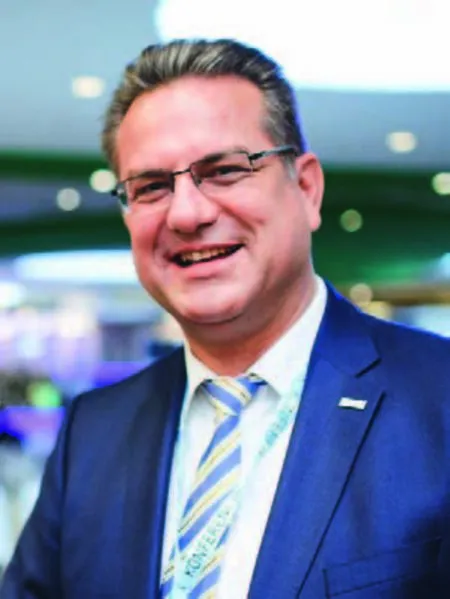
? Reinhard Wagner IPMA 2018 Chairman of the Council
IPMA 理事會主席
Change. The world is changing rapidly, which increases the pressure on organizations to change. Change is performed through projects and programs. The management of a change project means to organise change activities, plan them in regards of time, cost and resources and monitor and control the success of its implementation. Change management activities make sure that the people actually understand the reason for change and what's in for them, to overcome potential resistance to change through collaboration, communication and coordination between all stakeholders involved.
Agile mindset. A second key trends in the coming months is the need for agile management,which does not mean a new methodology, but a mindset, governance as well as management approaches for being faster, more efficient but also effective in what we do. The mindset is key,changing the way of thinking and acting, the governance framework allows the project teams to be more flexible and adaptive to the context of their activities (which may include but is not limited to technology disruption, change of market conditions, new expectations of stakeholders and employees as well as changing political circumstances). Design Thinking approaches enable teams to be more creative and interactive, SCRUM allows for shorter iterations and faster prototyping of the products desired by the customer and self-organisation empowers the people to do set their motivation free. This might work well in some industries, but in others the traditional way of working may be still superior. However, it′s time to change the way we do projects.
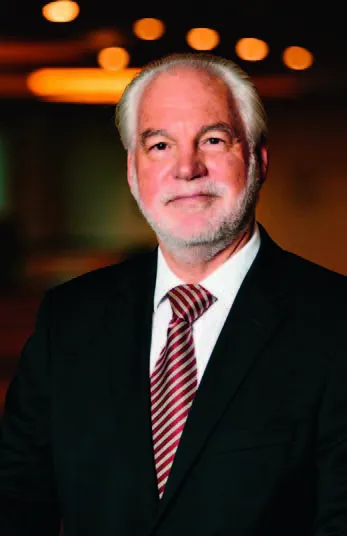
? Mark Dickson 2017 Chairman of PMI board
PMI 董事會前主席

? David Pells
Managing editor of Project Management World Journal PMWJ總編
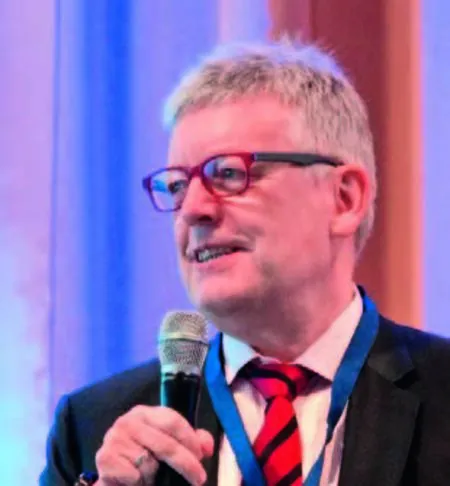
? Oliver F. Lehmann professor / PMP / President of the PMI Southern Germany Chapter
PMI德國南部分會主席、教授
Project management trends depend to some extent on the industry.
Rise of mega projects. In the infrastructure or construction industries the most significant trend has been the rise of the mega project. Mega projects require more sophisticated project control systems and broader management and leadership skills from the project managers.Project managers can no longer rely on their specialist technical skills and need to be able to understand and communicate across disciplines and even industries and lead large teams.
Rise of agile methodologies. In the information systems and particularly in the software industry the most significant trend has been the rise of agile methodologies.
Complexity. This has been a topic of research and discussion in the PM profession for the last 10-15 years; I think it is just now being recognized for the impact it is having on programs, projects and PM.
"Value" and by extension "benefits" realization. The focus on value and benefits gets to the underlying causes of project success and failure. This focus also brings attention back to organizational strategies and the alignment of programs and projects with strategy, benefits and value. Doing a project well is almost meaningless if it's the wrong project for the wrong reasons.
Change management and the need for "Agility". Everyone recognizes frequent changes in the world — technological, economic, political, social. The pace of change in project environments also seems to be accelerating. Rapid changes combined with increasing complexity and the focus on value have led to the need for more agility, more flexibility to react, adjust and replan in order to be successful (to increase value or to avoid outright project failure).
Situational project management. Situational Project Management builds on the observation that the same practice that has been successful in one project situation may fail in another one. Project managers need to fill their methodical toolbox with a set of different practices to be able to respond appropriately to different situations.
Project business management. Project Business Management deals with customercontractor relationships in complex Project Supply Networks (PSNs). A majority of project managers works in customer projects, and their percentage is growing. They are tasked to bring money home to ensure the contractors' survival and make customers happy to secure their employers' future. Their customers must at the same time develop a“Mission Success First” culture across the PSN, driven by a common desire of all PSN members to value completing over competing.
Emphasis on governance. Project management has evolved from a single-project focus to encompass multiple projects, programs, portfolios, enterprises, PMOs, executive sponsorship and increasing broader company-wide involvement, including at the governance level, now referred to as EPG (Enterprise Project Governance). Understanding the full scope of enterprise project governance is essential for people that deal with projects, whether the view is from the board room, the executive suite, the project management office, the project war room or from the project trenches. All pieces of the project world are interconnected, thus a holistic view helps all parties across the enterprise work towards systematically completing quality projects on time, within budget and to the clients' satisfaction. This across-the-board synergy, under the banner of EPG,makes a major contribution towards surpassing company goals and boosting organizational agility.
Organizational agility. The growing influence of agile approaches to developing IT projects has inspired organizations to also desire agility on a broader scale. Agility requires adopting the agile mindset and spreading the concept throughout the organization, taking agile-approach models and adapting them, and learning how to be agile in spite of bureaucratic processes.
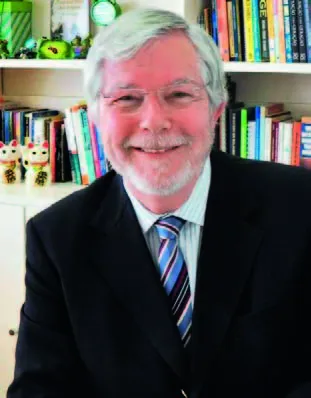
? Paul Dinsmore
PMI Honorary Fellow,international speaker and author of management books
PMI榮譽會員,國際演講家,《AMA項目管理手冊》作者

? Te Wu Professor / CEO / Expert on Strategic Business Execution
教授、CEO、企業戰略實施專家

? Antonio Nieto-Rodriguez Professor / Author / Speaker /PMI Past Chair
曾任PMI主席、教授、作者、演講家
Tailoring project management. Project Management is becoming more sophisticated,and tailoring project management will be the major theme in 2018. Companies should tailor the project management processes and approaches to their organization.
Program and portfolio management. Program management and even portfolio management will also achieve higher recognition and acceptance than ever before. Organizations no longer suffice with just doing projects well; they are looking for synergy through program management and better selection through portfolio management. However, these integration activities have a cost, and that is the balancing of risks.
The distinction between agile and traditional approaches to project management will be blurred and a continuum of practices ranging from the very adaptive to the very discipline will emerge.
Risk management across projects, programs, and portfolios will become more commonplace.
More projects. With the current speed of change, products become commodities very quickly,so companies will be looking for new products and new sources of revenue much faster than in the past. That means many new projects and new opportunities for professional project managers.
Focus on benefits and impact. Technology and global competition are speeding up the way companies and products are developed. Product launches, successes, and failures are coming faster than ever. The negative side of that is that companies don't have the patience or ability to wait. We must deliver faster, and our project approach has to evolve — not necessarily to agile or DevOps,but projects must especially now focus on benefits, and find ways to obtain them quickly.
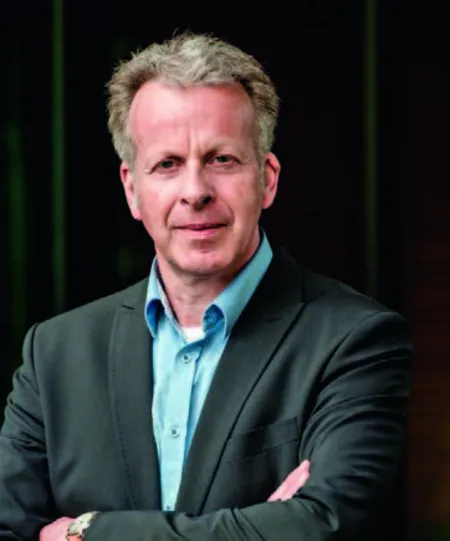
? Joop Schefferlie Vice President of IPMA Certification
IPMA認證處副主席
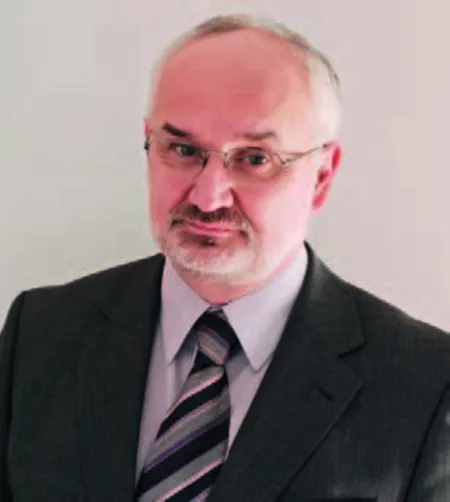
? Adrian Dooley
Honorary Fellow at APM
APM榮譽會員

? ?pek Sahra ?zgüler PMP, Project Manager, PM Consultant, PM World Journal Correspondent
PMWJ記者,項目經理,項目管理咨詢師
From project manager to project leader. Companies are looking for people who can bring growth, change, create value and develop high-performing teams. The more we as a profession focus on how our projects can contribute on those terms, the better. Organizations want to know how you will contribute to the bottom line or the business strategy and benefits.
Agility. A lot of companies (not only ICT and Finance) are changing their organizations and the way they manage changes into Agile. This means, for example, that the balance of competences that people need to be successful is changing.
Projectification of societies. The time and money we spend in doing projects is increasing. In Europe already over 35%. This means that more people need to know something about how to manage a project.
There are two trends that have been growing in 2017 and will start to have a real impact in 2018.
Understanding of agility. The first is the greater understanding of agility. In the last couple of years lots of people have jumped on the Agile bandwagon as if is it the answer to all project problems. They are wrong and the profession is starting to realise this. In 2018 we will start to talk about agility as something that we apply to different degrees according to the context of each project. It isn't a binary choice between Agile vs. Waterfall; it's about how much agility we need to apply to respond to different levels of uncertainty in every project.
"Best Practice". The second trend relates to what is often referred to as "Best Practice".2018 looks like the year that "Best Practice" becomes completely free on the World Wide Web. www.praxisframework.org is freely available in four languages with the Chinese translation due to be complete soon. This can only be of great benefit to the profession.
Artifical Intelligence (AI), Machine Learning, Deep Learning, Big Data, Industry 4.0 and other innovations are shaping a new world. Everything is changing including the behavior of individuals as well as the behavior of the organizations. My top three trends of 2018 are:
Portfolio management. The world is getting more complex and unpredictable. In order to achieve their strategy and objectives in this changing world, organizations are starting to use portfolio management.
Change management. In this fast paced world, efficient change management is getting more and more complicated and important. PMI mentioned, "Change is inevitable and accelerating. Organizations that manage it effectively will pull ahead of their competition.Change initiatives are time consuming and costly, but by approaching change management with a disciplined approach, organizations can survive and thrive."
Determine the right delivery management method. "Agile, or waterfall, or blended." Choosing the right delivery management method is a new and popular question for the organizations.
Of course, the trends are not limited to just three categories. Agile project management,multi-cultural project management, innovation project management, customer-oriented project management, digital transformation management, sustainability in project management are the other trends in project management.

? Peter Taylor PMO expert, author of eighteen books, including No.1 bestselling project management book,The Lazy Project Manager
PMO專家、暢銷書作者
A study found that the number one reason why CEO's got fired was mismanaging change!There is no hiding away from change, today or in 2018! John F. Kennedy wisely stated that, “Change is the law of life. And those who look only to the past or present are certain to miss the future.”
I offer up five challenges to all organisations in 2018 that are significantly change (and therefore project) driven:
? The challenge of investing in the right portfolio dashboard (that simply means getting a good and accurate view from the very top)
? The challenge of investing in real executive change sponsorship — those who are entrusted with being ultimately responsible for change
? The challenge of investing in a chief project officer (or similar title) supported by a PMO (Project/Program/Portfolio Management Office) to consider and direct the overall change programs across all parts of the business
? The challenge of investing in the means to know the true status of your strategic change/project investment (having good analysis and good reporting and ultimately knowing, accurately, how it is all progressing)
? The challenge of investing in professionalising the project capability and competence within the organisation
Change is inevitable and risky; it needs to be taken seriously.
Acknowledgements:
On behalf of PMR Magazine, I express sincere gratitude to all the experts participating in our interviews. Thanks for your time, patience and enthusiasm.
Contact:
For contribution, comments or suggestions, please contact journalist Yu Yanjuan at pmreview_cn@163.com or
yuyanjuan2005@163.com.
猜你喜歡
建材發展導向(2022年10期)2022-07-28 03:04:30
建材發展導向(2021年14期)2021-08-23 00:57:24
現代企業(2021年2期)2021-07-20 07:56:54
無錫職業技術學院學報(2021年6期)2021-04-19 14:08:44
建材發展導向(2019年11期)2019-08-24 06:36:28
經濟技術協作信息(2018年4期)2019-01-23 07:18:32
通信電源技術(2018年5期)2018-08-23 01:16:42
中國資源綜合利用(2017年4期)2018-01-22 02:46:47
中國農業文摘-農業工程(2016年5期)2016-04-12 05:38:07
中國房地產業(2016年8期)2016-03-01 01:26:05