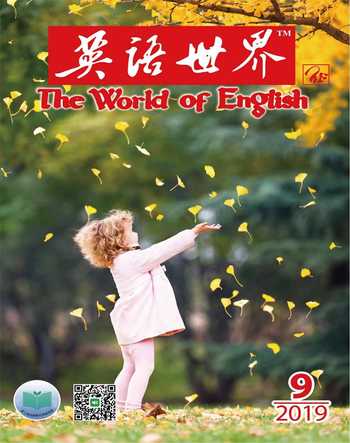
Of Autumn論秋
2019-09-10 07:22:44格蘭特·肖爾曼張菊
英語世界 2019年9期
格蘭特·肖爾曼 張菊
【導讀】格蘭特·肖爾曼(1870—1935),生于美國威斯康星州布魯克菲爾德市,拉丁文與希臘文研究者,大學通識教育的發起者和倡導者之一。他從威斯康星大學麥迪遜分校獲得博士學位,并在該校執教三十余年,學校有一棟樓以他的姓命名。格蘭特·肖爾曼著述頗豐,著有With the Professor (1910)、Horace and His Influence (1922)、Eternal Rome (1924)、Rome and the Romans: A Survey and Interpretation (1931)及Monuments and Men of Ancient Rome (1935)等。
秋是什么?她是歡樂,是悲傷;她是朋友,是母親,是女神;她是和諧統一。走吧,去看看秋葉,吹吹秋風,沐沐秋雨,捧她在手,攬她入心,你便懂了她。
Autumn in our zone is unique among the seasons. It is at once the happiest and the saddest time of the year—the “season of mists and mellow fruitfulness”1, and the season of “the melancholy days”. It is a dual season, and yet a unity.
The days of promise fulfilled are at hand. Under skies turbulent no more with the impetuous2 moods of spring, nor glowing with the heat of summer, the apple-bearing autumn of Horace3 lifts from the fields her head beautiful with mellow fruits. In the lands of the vine, she sets off with bright color the dark-green cluster looking out from among the leaves. At her persuasion the grape pours forth its liquor.
With the vintage and such light labor come gladness and merriment. The joy of autumn, however, is not the intoxication of mirth. It is the deeper satisfaction of peace and plenty. Granary and bin are filled. Basket and crate are warm with the color and rich with the perfume of ripened fruits.
Like summer, autumn is feminine. She is the summer grown to full perfection. She is not a lover; she is a friend, a benefactress, a mother, a deity. Her embrace is infinitely calm and pure. She is of all the seasons the one most at peace with herself.
Autumn is a dual season. She has another aspect. The garnered stores, the bare fields, the leafless trees, all declare the season of decay, to be followed by the season of death.
Yet autumn is not of two separate and diverse characters. It is a unity. The suggestion4 of melancholy is always at hand in autumn. When the fruits are still mellowing on the trees, when the tents of corn are still pitched in the fields, before the russet-yellows and scarlets and red-browns have spread their carpet in the wood, before “November chill blaws loud wi’ angry sugh”5, autumn is already the season of sadness and solemnity. From the first linkèd-long-drawn-out chant of the locust in the soft nights of summer, melancholy enters upon her reign. She waxes as the weeks go by. In the midst of the year’s abundance, in the midst of calm and repose in field and forest, there is felt on every hand the presence of the Great Enemy—or the Great Friend. Fulfillment is always solemn; fruition is less joyous than promise. The journey’s end finds the pilgrim more sober than its progress. The ending of growth is the beginning of decay. The ways of autumn suggest death, as those of spring suggest life. Autumn is melancholy.
But autumn is none the less the happiest season, the season of melancholy indeed, but of divinest melancholy.
The essence of the matter is that autumn is a harmony, a blending in perfection of happiness and sadness. Her gayety is tempered to soberness by the solemn witness everywhere of work completed and death at hand. Her sadness is tempered to acquiescence by the suggestion on every hand of fulfillment accomplished and repose assured. At no other time is nature’s invitation to rest so gentle and so consoling. Autumn is the season neither of joy nor of sadness: she is the season of blessedness.
All the seasons are rich. Autumn only, so deeply of the spirit is her harmony, is most golden.
四季中,秋在我們這兒是獨一無二的。它是一年中最快樂也最悲傷的時候——是“霧氣洋溢、果實圓熟的秋”,也是“憂傷日子”的秋。這個季節具有雙重性,但是一個統一體。
允諾兌現的日子即將來到。激蕩的天地間,春的躁動不再,夏的炎熱全無,蘋果累累的賀拉斯之秋從田野里抬起她美麗的頭,頭上飾滿甘醇的果實。葡萄地里,她用鮮亮色彩襯托從葉間探出的串串深綠。她的勸說令葡萄汁液欲滴。
葡萄收獲期和如此輕快的勞動帶來了喜悅和歡慶。但秋之樂并非陶醉于歡樂中,而是對和平與富足更深的滿足。谷倉糧庫裝得滿滿。果籃果箱滿眼暖色,熟果醇香撲鼻。
與夏一樣,秋也是陰柔的。她是至臻完美的夏。她不是情人,是朋友、恩人、母親、女神。她的擁抱極其平靜而純潔。她是所有季節中內心最為寧和的。
秋是一個雙重的季節。她還有另一面。儲滿的倉、赤裸的地、光禿的樹,都宣示著衰敗之季的來臨,緊隨其后的是死亡之季。
但秋并非兩個多樣的獨立體,她是一個統一體。悲傷似乎一直縈繞著秋。果子仍在樹上成熟的時候,玉米仍在地里拔穗的時候,黃紅棕的樹葉為林子鋪上地毯之前,“十一月冷風猛吹,聲如嗚咽”之前,秋已然是悲傷肅穆之季了。從溫柔夏夜第一聲悠長的蟬鳴始,秋便籠罩在悲傷中。隨著時間推移,她走向盛期。在一年的豐裕之中,在田野和森林的平靜與安寧中,從各方面都能感受到死或生的存在。成就總是莊嚴的;取得成果不如滿懷希冀愉悅。在旅程的終點,朝圣者比在旅程中更清醒。成長的終結即衰敗之始。秋實暗示死亡,正如春華預示生命。秋即悲傷。
盡管如此,秋仍是最幸福的季節,悲傷無疑,但卻是最神圣的悲傷。
秋即和諧,此乃秋之精髓,她是幸福與悲傷的完美結合。她的歡樂被磨練為清醒,因為莊嚴見證了處處工作的完成及死亡的將臨。她的悲傷被磨練為順從,因為感受到各方面達成的圓滿,可以安歇。沒有其他任何時候,大自然安歇之邀如此溫柔、如此撫慰人心。秋既非歡樂之季,也非悲傷之季:她是幸福的季節。
所有的季節都豐富多彩。只有金秋最為特別,她的和諧深入靈魂。
(譯者單位:北京化工大學)