Talking Trash聊聊垃圾那些事兒
2019-09-10 07:22:44斯蒂芬·溫蒂勒
英語世界 2019年12期
關鍵詞:利用
斯蒂芬·溫蒂勒

As the world’s population continues to grow, we need to learn more about waste management. Garbage disposal is now a persistent global problem, and now more than ever, it’s time to take it seriously!
How much waste do we produce each day?
There is a lot of hazardous waste in existence today. Did you know the average person produces 4.3 pounds of waste per day? No?
Now, imagine how many solid wastes are produced if there are 7,688,686,950 people who live on this Earth. It’s time to take out the trash and apply proper solid waste management.
Landfill and incineration as waste treatment processes
The most common waste treatment processes are the use of landfills and incineration. Incineration involves the combustion of organic waste or substances contained in waste materials.
Incineration and other waste treatment systems that use high temperatures are considered a “thermal treatment.” Incineration of waste materials transforms waste into heat, flue gas, and ash.
This waste disposal is popular due to its ability to drastically decrease the amount of space required to store/house waste materials. However, when all the waste is set ablaze, it releases high quantities of carbon gas into the atmosphere. Carbon is one of the key global warming gasses.
Landfills are another waste treatment process used to store/breakdown domestic and some industrial waste and hazardous materials. Through this practice, waste is stored in a trench and soil is tossed over the infectious waste regularly.
As the waste materials sit in the landfill, the probability of the landfill triggering environmental harm increases. For example, landfills can contaminate nearby groundwater resources and produce an abundance of methane gas.
Methane Definition: A flammable, colorless, and odorless gas utilized in the chemical industry, like producing methanol and hydrogen.
What many people don’t know is that methane is over 20 times more detrimental to the atmosphere than carbon dioxide. Landfill gases play a hand in the climate change problems we are currently facing.
How to manage waste
Now that we know how much waste we produce and how our waste is managed, let’s start thinking about what role we play in this process.
We produce hazardous waste and non-hazardous waste at home, so we should be responsible for it. Right? Right!
It’s very easy to get stuck in the mindset that once we throw something away, it’s gone. To put this into perspective, Anne Krieghoff, who is the manager of solid waste and recycling at the University of California, Irvine shares this, “there is no away.”
The plastic bottle we just dropped into the trash may have left us, but that doesn’t mean it’s gone. We tend to think—out of sight, out of mind. But, someone else somewhere else is dealing with our waste as we speak.
One way for us to manage our waste and our impact on the environment is to divert waste materials from landfills and the process of incineration. We can easily do this by identifying the effects of certain waste materials based on their composition.
We can also evaluate its potential to be recycled and reused. Then, it’s just a matter of placing our waste materials in the right bin.
That’s it! Waste management and proper waste disposal are really simple.
Take a moment to think about the amount of waste you produce in just one day. Say you buy a cup of joe and a pastry from your local coffee shop.
Just from this one purchase, you are looking at the paper cup, the cardboard sleeve, the plastic lid, the packaging of the sugar packets, the wooden stick you used to stir in your sugar, and last but not least, whatever packaging used to keep your pastry fresh. Also, let’s not forget that you might not finish all of your drink or food.
Think about all the waste you just produced—that’s just from one meal. Now you’re asking, “How do I know what goes where?”
It can be a bit overwhelming at first, but once you start recycling and picking up the rules, you’ll sort your trash with ease in no time.
How to sort your waste
Here are some quick rules to consider when tossing out your yard waste or trash and recycling them:
· recycle any paper product
· recycle plastic containers
· recycle any foil or metals
· compost anything that was once “organic” (a living thing at one point in time, i.e. greens, bones, and paper)
· recycle any glass (recycling containers)
With these rules, how should you sort this waste? For example, we have the following:
· 1 cup
· 1 lid
· 2 sugar packets
· 1 stir stick
· half a scone
· ? cup of coffee
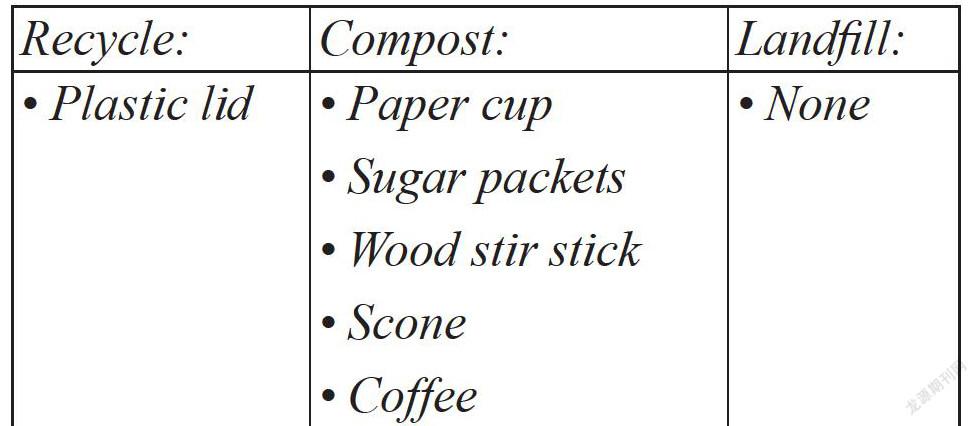
Recycle: Compost: Landfill:
· Plastic lid · Paper cup
· Sugar packets
· Wood stir stick
· Scone
· Coffee · None
That’s right—out of all those things, nothing went to a landfill. You can divert them all to trash recycling or composting.
If all of us start taking responsibility for our environmental violations and non-hazardous and hazardous waste management, we can divert so much waste from landfills and incineration. Let’s make zero waste a reality, together!
隨著世界人口持續增長,我們在廢棄物管理方面的知識也該跟上。垃圾處理目前是困擾全球多時的老大難問題,如今比以往任何時候都需要嚴肅對待!
我們每天會產生多少廢棄物?
當今時代存在著大量有害的廢棄物。你知道平均每人每天會產生4.3磅垃圾嗎?不知道?
那么想象一下,如果有7688686950人住在地球上,會產生多少固體廢棄物。是時候把垃圾運走,對固體廢棄物進行妥善管理了。
廢棄物處理法:填埋與焚燒
最常見的廢棄物處理法便是填埋與焚燒。焚燒即燒毀有機廢棄物或廢棄材料包含的各種物質。
焚燒等使用高溫來處理廢棄物的方法屬于“熱處理”。廢棄材料經由焚燒可轉變為熱量、煙氣和灰燼。
這種處理方法十分流行,因為這樣一來,用于存放廢棄材料的空間便能顯著減少。然而,所有廢棄物熊熊燃燒之際,大量的含碳氣體也被釋放到大氣中。碳排放是導致全球變暖的主因之一。
廢棄物處理的另一種方法是填埋,用于存儲或分解生活垃圾、一些工業垃圾和有害垃圾。通過這種方法,廢棄物被存儲在大坑之中,致病廢棄物的上面會定期覆蓋泥土。
由于廢棄材料是填埋入土,填埋引發環境危害的可能性也越來越大。舉個例子,填埋可能污染附近地下水資源,并產生大量甲烷氣體。
甲烷的定義:一種可燃、無色、無味的氣體,在化工領域中被用于制備甲醇和氫等。
許多人并不知道,甲烷對大氣的殺傷力比二氧化碳大二十幾倍。在我們如今面對的氣候變化問題中,填埋產生的氣體難辭其咎。
如何處理廢棄物
我們已經知道自己會產生多少廢棄物,也知道了廢棄物的處理方法,現在該思考一下自己在這個過程中所扮演的角色。
我們在家里產生有害及無害廢棄物,所以應該對它們負責。對吧?對!
人們很容易陷入這樣的思維,覺得一旦把東西扔掉,它就消失了。針對這樣的想法,加州大學歐文分校固體廢棄物及再循環部門經理安妮·克里格霍夫表示:“什么都沒有消失。”
剛剛扔進垃圾桶的塑料瓶也許離開了我們的視線,但并不意味著它們就消失了。我們往往會認為——眼不見、心不煩。可就在此時此刻,某個地方的某些人正在處理我們的廢棄物。
要想處理我們的廢棄物及控制我們對環境的影響,有一種方法就是不讓廢棄材料被填埋或焚燒。只要根據某些廢棄材料的成分識別它們的效用,就能輕松實現這個目標。
我們還可以評估它們能否被循環再利用。然后,將它們放進對應的垃圾桶即可。
大功告成!管好垃圾,處置得當,其實很簡單。
花點兒時間想想,你在短短一天之內會產生多少垃圾。比如,你從當地咖啡店里買了一杯咖啡和一塊糕點。
光是這一次購物,你手里就有了紙杯、硬紙杯套、塑料杯蓋、砂糖包裝袋、攪拌砂糖用的木棒,還有保鮮糕點用的包裝紙。而且別忘了,你可能喝不完咖啡,吃不完糕點。
想想你剛才產生的所有廢棄物吧——這還只是一頓飯而已。現在你要問了:“我怎么知道該把什么東西放到哪里去呢?”
一開始你可能會覺得有點兒手足無措,但是一旦開始循環利用、掌握規則,垃圾分類就會立刻變得易如反掌。
如何將廢棄物分門別類
在丟棄庭院里的廢棄物或垃圾并進行循環利用時,可以參考這些小竅門:
·循環利用任何紙質產品
·循環利用塑料容器
·循環利用任何箔紙或金屬
·降解處理曾經是“有機物”(曾有生命之物)的東西,例如草、骨頭、紙張。
·循環利用任何玻璃制品(容器再循環)
依據上述規則,那次購物產生的廢棄物該如何分類呢?比如以下這些:
·一個杯子
·一個蓋子
·兩個砂糖包裝袋
·一個攪拌棒
·半個烤餅
·四分之一杯咖啡
回收: 降解: 填埋:
·塑料杯蓋 ·紙杯
·砂糖包裝袋
·攪拌木棒
·烤餅
·咖啡 ·無
這就對了——最后,沒有任何東西需要填埋。它們有的可以回收利用,有的可以降解處理。
如果我們所有人都對自己造成的環境破壞、對無害和有害廢棄物管理負起責任,那么很多垃圾就不用填埋或焚燒了。讓我們攜起手來,將零廢棄變成現實!
(譯者單位:復旦大學)
猜你喜歡
中等數學(2022年2期)2022-06-05 07:10:50
中學生數理化·七年級數學人教版(2021年11期)2021-12-06 05:38:48
中學生數理化(高中版.高考數學)(2021年6期)2021-07-28 06:19:08
小學生學習指導(低年級)(2020年6期)2020-07-25 02:31:36
小學生學習指導(低年級)(2019年11期)2019-11-25 07:31:44
小學生學習指導(低年級)(2018年9期)2018-09-26 05:59:44
瘋狂英語·新讀寫(2018年2期)2018-09-07 09:32:10
數學小靈通·3-4年級(2017年6期)2017-06-22 11:28:50
工業設計(2016年5期)2016-05-04 04:00:33
河北遙感(2015年4期)2015-07-18 11:05:06