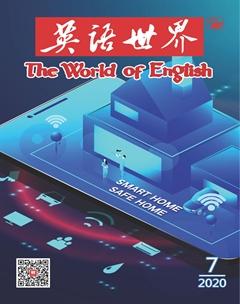
探索家居自動化
2020-08-04 20:00:36雅姬·克拉
英語世界 2020年7期
雅姬·克拉
A smart house is a home that has highly advanced, automated systems to control and monitor any function of a house—lighting, temperature control, multi-media, security, window and door operations, air quality, or any other task of necessity or comfort performed by a homes resident. With the rise of wireless computerization, remote-controlled devices are becoming smart just-in-time. Today, its possible to pin a programmed chip onto any occupant and have systems adjusted as a person passes by and through a smart house.
Is it really smart?
A smart home appears “intelligent” because its computer systems can monitor so many aspects of daily living. For example, the refrigerator may be able to inventory its contents, suggest menus and shopping lists, recommend healthy alternatives, and even routinely order groceries. The smart home systems might even ensure a continuously cleaned cat litter box or a house plant that is forever watered.
The idea of a smart home may sound like something out of Hollywood. In fact, a 1999 Disney movie titled Smart House presents the comical antics of an American family that wins a “house of the future” with an android maid who causes havoc. Other films show science fiction visions of smart home technology that seems improbable.
However, smart home technology is real, and its becoming increasingly sophisticated. Coded signals are sent through the homes wiring (or sent wirelessly) to switches and outlets that are programmed to operate appliances and electronic devices in every part of the house. Home automation can be especially useful for the elderly, people with physical or cognitive impairments, and disabled persons who wish to live independently.
Open standards
Think of your house like its one, big computer. If you ever opened up the “box” or CPU of your home computer, youll find tiny wires and connectors, switches and whirling discs. To make it all work, you have to have an input device (like a mouse or a keyboard), but even more importantly, each of the components has to be able to work with each other.
Smart technologies will evolve more quickly if people didnt have to buy entire systems, because lets face it—some of us arent as wealthy as Bill Gates. We also dont want to have 15 remote control devices for 15 different devices—weve been there and done that with televisions and recorders. What consumers want are add-on systems that are easy-to-use. What small manufacturers want are to be able to compete in this new marketplace.
Two things are needed to make homes truly “smart,” writes research journalist Ira Brodsky in Computerworld. “First are sensors, actuators and appliances that obey commands and provide status information.” These digital devices are already omnipresent in our appliances. “Second are protocols and tools that enable all of these devices, regardless of vendor, to communicate with each other,” says Brodsky. This is the problem, but Brodsky believes that “smartphone apps, communication hubs and cloud-based services are enabling practical solutions that can be implemented right now.”
Home energy management systems (HEMS) have been the first wave of smart home devices, with hardware and software that monitors and controls a homes heating, ventilation, and air conditioning (HVAC) systems. As standards and protocols are being developed, the devices in our homes are making them appear smart—very smart!
Domotics and home automation
As the smart house evolves, so, too, do the words we use to describe it. Most generally, home automation and home technology have been the early descriptors. Smart home automation has derived from those terms.
The word domotics literally means home robotics. In Latin, the word domus means home. The field of domotics encompasses all phases of smart home technology, including the highly sophisticated sensors and controls that monitor and automate temperature, lighting, security systems, and many other functions.
No need for those pesky robots, however. These days most mobile devices, like “smart” phones and tablets, are digitally connected and control many home systems. And what will your smart home look like? It should look just like what youre living in now if thats what you want.
智能家居,即具備極先進自動化系統的房屋,可以控制和監測照明、溫度、多媒體、安保、門窗開閉、空氣質量等家居功能,或住戶其他出于必需或提升舒適度目的而設的功能。隨著無線計算機化的興起,遙控設備隨之變得智能。如今,任何住戶都可以別上一塊編好程序的芯片,讓系統在有人經過和進出智能家居時作出相應調整。
但它真的智能嗎?
智能家居之所以看起來“機智聰明”,是因為其中的計算機系統能夠監測日常生活的方方面面。舉個例子,在系統的幫助下,冰箱也許能夠自主清點存貨、推薦菜單和購物清單、介紹健康飲食替代品,甚至進行常規采購。智能家居系統甚至還能讓貓砂盆一直保持清潔,讓室內植物永遠不缺水。
智能家居這個概念聽上去像是好萊塢的產物。其實,迪士尼公司曾在1999年發行過影片《我的媽咪不是人》,講述一個贏得了 “未來房屋”的美國家庭搞笑經歷——“未來房屋”中的機器人女仆狀況頻出,讓一家人鬧出了不少笑話。其他影片中,看似不可能的智能家居技術則以科幻的場景展現。
不過,智能家居技術是真實存在的,而且正日趨成熟。通過有線或無線的方式,設有內置程序的開關和插座能夠接收到編碼信號,從而操控屋內各處的家用電器和電子設備。對老年人、身體或認知有缺陷者,以及想要獨立生活的殘疾人士來說,家居自動化的益處尤其明顯。
開放式標準
試想你的居室就像一臺巨大的電腦。如果打開家中電腦的“主機箱”或中央處理器,就會知道里面有細小的線路和接頭、各種開關和飛速運轉的硬盤。要讓這一切運行起來,必須有個鼠標或鍵盤之類的輸入設備才行。但更重要的是,各個元件必須能夠協同工作。
如果用戶不必購買整個家居系統的話,智能技術會發展得更快,因為我們還是得面對現實——畢竟不是每個人都像比爾·蓋茨那么有錢。我們也不希望家里15個不同設備有15個遙控器——家里已經有幾個電視機和錄像機遙控器了。消費者真正想要的是簡單好用的附加系統。小型制造商想要的是搶占這個新興市場的高地。
調查記者艾拉·布羅德斯基在《計算機世界》雜志中提出,要想讓家居真正“智能”起來,離不開兩類東西。“首先是能夠遵從指令并提供狀態信息的傳感器、致動器和器械裝置。”目前,這些數碼設備已普遍安裝在家用電器中了。“其次是能讓這些來自不同廠家的設備互相溝通的數據傳輸協議和工具。”這一點才是難題所在。但布羅德斯基認為“手機應用、通信集線器和云端服務的出現,正為我們帶來切實有效、立等可行的解決方案”。
家居能源管理系統便是第一波問世的智能家居設備,借助硬件和軟件來監測、控制住宅的供暖、通風及溫控系統。隨著技術標準和協議的開發,家居設備將顯得越來越智能了——堪稱機智過人!
家居自動化
隨著智能家居的發展,用于描述它的詞匯也發生了變化。早先最常用的是家居自動化和家居技術這樣的詞,后來又衍生出了智能家居自動化的說法。
從字面意思來看,domotics指的是家居機器人技術。在拉丁語中,domus的詞義為住宅。家居自動化領域涵蓋智能家居技術的方方面面,包括極為精密的傳感器和控制器,用于監測和自動控制溫度、照明、安保等功能。
不過,我們不需要那些麻煩的機器人了。如今,“智能”手機和平板電腦等大多數移動設備都能進行數碼連接,從而操控許多家居系統。你的智能家居會是什么樣的呢?要是你想,無須大改,你的住處就能保持目前的模樣。
(譯者單位:復旦大學中文系)
猜你喜歡
中國特種設備安全(2022年6期)2022-09-20 02:52:28
工業設計(2022年8期)2022-09-09 07:43:20
軍民兩用技術與產品(2021年10期)2021-03-16 06:05:30
北京測繪(2020年12期)2020-12-29 01:33:58
文苑(2018年23期)2018-12-14 01:06:06
文苑(2018年19期)2018-11-09 01:30:14
文苑(2018年17期)2018-11-09 01:29:26
文苑(2018年21期)2018-11-09 01:22:32
電子制作(2018年11期)2018-08-04 03:26:08
家庭影院技術(2017年9期)2017-09-26 03:41:45