腦卒中后本體感覺障礙的康復治療
2020-10-20 04:48:18劉爽
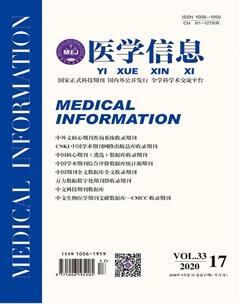
醫學信息
2020年17期
關鍵詞:腦卒中
劉爽
摘要:腦卒中后本體感覺障礙是常見的一種不能感知軀干肢體運動和位置造成運動控制、協調、平衡以及姿勢等的功能障礙,主要表現為不能翻身、站立、行走等。腦卒中后本體感覺障礙康復難度較大,目前患者的康復治療以改善患者臨床癥狀和預后為主。本文就腦卒中后本體感覺障礙康復治療研究進行綜述,以期為腦卒中后本體感覺障礙患者的康復治療提供新的治療方向奠定基礎。
關鍵詞:腦卒中;本體感覺障礙;康復治療
中圖分類號:R493 ? ? ? ? ? ? ? ? ? ? ? ? ? ? ? ? ?文獻標識碼:A ? ? ? ? ? ? ? ? ? ? ? ? ? ? ? ? ?DOI:10.3969/j.issn.1006-1959.2020.17.013
文章編號:1006-1959(2020)17-0044-03
Abstract:Proprioceptive disorder after stroke is a common obstacle, because the inability to perceive the movement and position of the trunk limbs causes obstacles such as movement control, coordination, balance, and posture, which are mainly manifested as inability to turn over, stand, and walk. It is difficult to recover from proprioceptive disorder after stroke. The current rehabilitation treatment of patients is mainly carried out with the main goal of improving the clinical symptoms and prognosis of patients. This article reviews the research on rehabilitation treatment of proprioception disorder after stroke, in order to lay the foundation for the rehabilitation of patients with proprioception disorder after stroke.
Key words:Stroke;Proprioception disorder;Rehabilitation treatment
腦卒中(stroke)是臨床一種常見的多發病,嚴重影響患者身體健康和生命安全,具有發病率高、容易反復、病死率和致殘率高的特點[1]。隨著人們生活水平的提高,工作節湊加快,腦卒中發生率呈不斷上升趨勢,且卒中后本體感覺障礙發生率也不斷增加。本體感覺即深感覺,與淺感覺有完全不同的傳導通路。有研究顯示[2],本體感覺與人體的平衡、協調及技巧性運動的正確反饋密切相關。在一定程度上,運動是本體感覺的一種反應。大腦頂葉、內囊病損均會造成對側肢體本體感覺障礙,發生感覺性共濟失調,對運動、力量、速度、方向進行感知和調整,出現姿勢異常、平衡失衡、動作不協調現象,嚴重影響各種動作的準確完成。本體感覺障礙患者需要通過視覺代償調整姿勢和平衡,嚴重者在關節屈伸運動時,關節末端會出現肌張力升高。因此,本體感覺障礙的發生會嚴重影響腦卒中患者康復和預后效果。……
登錄APP查看全文
猜你喜歡
中國實用醫藥(2016年27期)2016-11-30 11:36:50
中國醫藥導報(2016年25期)2016-11-30 07:48:35
中外醫學研究(2016年24期)2016-11-30 02:30:04
今日健康(2016年12期)2016-11-17 13:04:21
中國實用醫藥(2016年24期)2016-10-17 06:05:29
中國實用醫藥(2016年24期)2016-10-17 05:56:32
中國實用醫藥(2016年24期)2016-10-17 05:47:48
中國實用醫藥(2016年24期)2016-10-17 05:30:14
養生保健指南(2016年4期)2016-03-22 11:53:54