小學英語教學中培養學生文明有禮行為
2023-06-20 19:40:06謝鳳娟
少男少女·教育管理 2023年4期
謝鳳娟
一、教學內容分析
通過本模塊的對話學習,學生知道做人要有禮貌,在公共場所活動要遵守公共規則,要知道講文明、講禮貌是我國的優良傳統和社會主義核心教育觀。本課時的課型設定為聽說課,重點教學內容為本課時詞匯、詞組和重點句型的理解運用,以及正確運用祈使句及情態動詞should,指出和規勸不禮貌的行為。
二、教學對象分析
經過幾年的學習,六年級學生已經具備了一定的英語學習能力,他們對課內外知識非常感興趣。在教師創設的情景中,學生往往很投入,能積極與教師、同學交流。小組合作成了課堂習慣,小組長表現活躍,有組織能力,組員之間關系融洽,經常能帶來意想不到的課堂效果。
三、教學目標
(一)語言能力目標
1. 知識與技能目標
(1)能在語境中學習、理解和運用以下詞匯及短語。能聽、說、理解本課新單詞及詞組:manner、seat、impolite、as、line、push、in need、in line、push in、see ... doing ...。
(2)語法和語音:能用正確的語音、語調朗讀對話并理解對話大意。
(3)句型:Its the polite thing to do.
(4)正確運用祈使句及情態動詞should指出和規勸不禮貌的行為。
2. 語用目標
能根據提示談論文明或不文明行為,并表達自己的觀點。
(二)學習能力目標
1. 通過自制課件,結合Phonics學習單詞,積累詞匯。
2. 通過觀察、總結本課重點語法,發展歸納能力和邏輯思維能力。
3. 通過學習如何談論文明行為,提高口頭運用本課核心語言的能力。
(三)思維品質目標
1. 通過觀察,總結規律。
2. 鼓勵學生積極參與各種課堂學習活動,樂于感知并積極嘗試使用英語。
3. 培養學生在小組活動中能與其他同學積極配合的合作意識。
(四)文化意識目標
我們從小就要講文明、守禮貌,在公共場所活動要遵守公共規則,并能提出相應的規勸。
四、教學重難點
(一)教學重點
1. 能掌握本課的詞匯和短語。
2. 能表達對文明和不文明行為的觀點。
(二)教學難點
1. 正確朗讀本課單詞和課文。
2. 學習常見的文明或不文明行為,并能表達自己的觀點。
五、教學理念與策略
(一)教學理念
1. 番禺區研學后教(升級版)理念:把時間還給學生,讓研學問題(任務)成為課堂的中心,使過程走向成功。
2. 學科理念及番禺區小學英語IIO課堂教學模式研究理念:在輸入中理解語言;在操練中內化語言;在輸出中運用語言。
3. 任務型學習理念:學習始終圍繞一個大的任務展開,注意意義表達和語言的功能。
(二)教學策略
1. 創設情景讓學生運用所學的語言進行交際。
2. 采用小組合作的方式開展教學,讓學生在學習過程中互相學習,互相幫助。
3. 通過觀察、思考、歸納等方式,幫助學生構建知識網絡,學會學習。
六、教學媒體
多媒體電腦、視頻、音頻、粵教翔云數字教材平臺3.0等。
七、教學過程
(一)Preparation
(二)Presentation and practice
1. Introduce two characters Tina and May.
【設計意圖】創設品行對比鮮明的兩個人物,加深學生對polite和impolite的認知。
2. Present some polite things about Tina, learn the new words and phrases.
【設計意圖】列舉Tina文明禮貌行為的句子。
Tina often smiles to people. Tina says “Thank you”and“Please”very often.
Tina listens when others are talking. Tina waits in line.
Tina gives her seat to people in need.
3. Present some impolite things about May, learn the new words and phrases.
【設計意圖】列舉May不遵守文明禮貌行為的句子。
May often talks with her mouth full.
May never gives her seat to people in need.
May talks in class when the teacher is talking.
May pushes in when the line is long. May takes all the food from the dish.
(三)Input & Internalization
1. Ask questions and learn.
【設計意圖】初步感知課文,設置兩組判斷題(Task 1),訓練學生通過聽力去獲取信息的能力,并初步感知課文。
Its the polite thing to ...? Its impolite to ...
2. Learn the dialogue on Page 38 and Page 39.
【設計意圖】通過多種形式操練新句型,在師生及生生間的問答中,進行聽說的訓練,并進行語言的輸入和內化。
3. Recite the dialogue.
【設計意圖】通過挖空填詞的形式進行語言的輸入,學生加深對對話的整體識記,讓學生在語境中感知,訓練學生記憶能力。
(四)Output
Retell the dialogue and finish the exercise.
【設計意圖】根據呈現的圖片及提示,引導學生復述對話并完成研學案的練習。通過分享自己看到的不文明行為并給出建議或規勸,進行語言的大量輸出。使學生從掌握知識過渡到運用知識。
(五)Sum-up
Sum up the polite things.
Its polite to ...
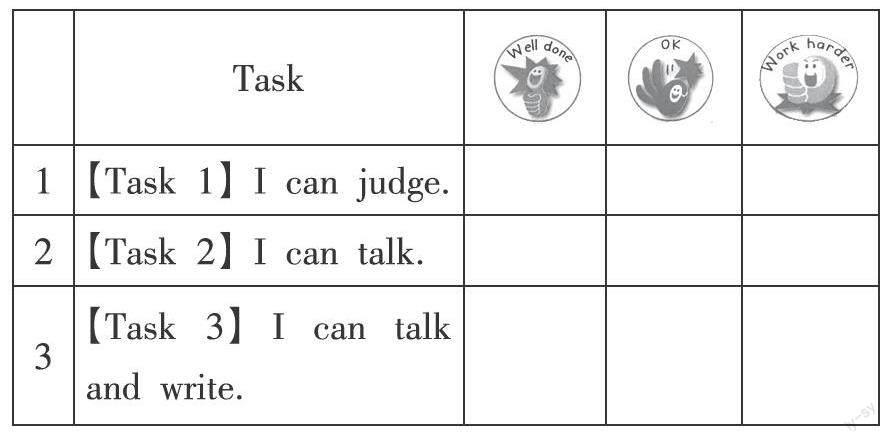
(六)Assessment
(七)Homework
1. Read the dialogue twice.
2. Copy the new words and phrases: manner, seat, impolite, as, line, push, in need, in line, push in, see ... doing ...
3. Copy sentences about polite things in the dialogue.
We should ...
People should ...
(八)Blackboard design
Unit 7 Its the polite thing to do
manner We should always give our seat to people in need.
seat? People should always wait for their turn, dont push in.
Impolite Please dont ...
People should ...
in need
as
in line
push
push in
laugh
猜你喜歡
建材發展導向(2022年4期)2022-03-16 06:11:46
銀潮(2021年8期)2021-09-10 09:05:58
農村百事通(2020年11期)2020-06-27 14:05:13
文苑(2020年4期)2020-05-30 12:35:30
小學生作文(中高年級適用)(2018年3期)2018-04-18 01:24:47
消費導刊(2017年20期)2018-01-03 06:26:34
作文周刊·小學一年級版(2016年42期)2017-06-06 22:20:27
華北電力大學學報(社會科學版)(2016年4期)2016-12-01 03:59:30
小天使·一年級語數英綜合(2016年5期)2016-05-14 12:21:05
少兒科學周刊·少年版(2015年4期)2015-07-07 21:11:17