它以在米蘭的大學建筑成為我們首屆建筑節的首屆大獎獲得者,還有扎哈·哈迪德——她在第三屆建筑節以在羅馬設計的現代藝術博物館獲獎);也有擅長景觀設計的事務所(如土人景觀);還有一些剛剛嶄露頭角的事務所,想借助參加世界建筑節的機會,接觸一些規模更大、經驗更為豐富的公司。
回想2008年我們啟動第一屆建筑節的時候,正是世界經濟剛開始走向嚴重困頓狀態的時候。可以說,全世界許多地方的專業人士在這最初的4年中都舉步維艱。當然,也并非到處皆然,有一些國家仍產生了一波又一波的建設高潮和城市化浪潮,譬如中國,一直以來都把建筑和城市建設列為其政治部署和媒體戰略的一部分。
今年的建筑節仍將是一個由各種活動組成的夾心蛋糕,但也會有額外的配料和風味。主辦方的稱謂也有所改變——世界建筑節現在是美國愛戴愛會展傳播集團(i2i Events Group)的下屬項目,該集團在世界各地組織了許多大規模的會展活動,其中一些就在亞洲舉辦。我們期望能在新加坡見到眾多中國建筑師,也希望能和曾在最初4年中支持我們的朋友再續前緣?!?/p>
2011年世界建筑節獎分為3個授獎領域:建成建筑,結構設計,未來項目。建成建筑領域包括16個類別:市民和社區類,文化類,展陳類,健康類,假日類,住宅類,集合住宅類,景觀類,教育類,舊建筑改造類,辦公類,生產類,商業類,體育類,交通類和別墅類。未來項目領域針對處于設計進程中的方案,包括10個類別:基礎設施類,商業類,競賽方案類,文化類,教育類,實驗項目類,健康類,景觀類,規劃類和居住類。結構設計領域則涵蓋了玻璃、木材和石材等多種建筑材料類別。
參獎項目的征集從2011年4月1日開始,截止到6月30日。這一年是世界建筑節創辦后的第4年,競賽吸引了來自59個國家的704件作品參賽,是迄今為止最多的一屆。2011年8月,包括281個項目的入圍名單公布。2011年11月2日-4日,入圍者在世界建筑節的巴塞羅那會場親自向國際評委會展示他們的作品,競爭各類別的獎項。最終,超級評委會成員投票選出獲得2011年度世界建筑獎、未來項目獎和結構項目獎的作品。
2011年世界建筑節的參賽作品來自世界各地,從南半球的塔斯馬尼亞島到挪威北極圈內,既有一些新的國家如利比亞、海地、柬埔寨的加入,也有很多作品來自那些多次出現在入圍名單中的地方,比如,美國、英國、澳大利亞、中國、日本、西班牙、斯堪的納維亞地區等。既有像扎哈·哈迪德和福斯特與合伙人事務所這樣的知名建筑師設計的作品,也有小型的、鮮有人知的事務所的項目。在全球極具挑戰性的經濟氣候背景下,該年的參賽項目體現出了對使用符合實踐、美學和經濟因素的材料和建造工藝的創新型建筑的持續需要。
2011年的超級評委會成員包括:美國紐約邁克爾·索金工作室的主持人邁克爾·索金、南非內羅—沃爾夫建筑師事務所的主持人喬·內羅、中國北京土人景觀的俞孔堅教授和英國杜赫斯特—麥克法蘭事務所的合伙人提姆·麥克法蘭。
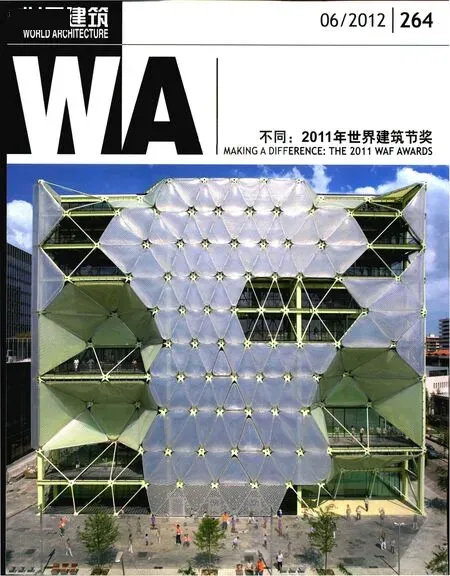
本期《世界建筑》專輯收錄了2011年世界建筑節建成建筑和未來項目領域的24個類別的獲獎項目?!酰▽O凌波 編譯)
embarking on their first overseas buildings. There are practices run by women (for example Grafton Architects, who were our first major winner with their university building in Milan, and Zaha Hadid who won in Year 3 with here museum of modern art in Rome); there are practices (like Turenscape) who specialise in landscape design; there are some firms who are relatively new and who attend WAF in order to network with larger more experienced firms.
By the time we launched our first event, back in 2008, the world economy had started to run into very serious trouble. It is true to say that the first four years have been tough going for much of the profession in many parts of the world. But of course that is not universally true, and there have been waves of construction and urbanization in countries such as China which have kept architecture and urbanism on the political and media agenda.
This year's Festival will be the usual layer cake of activities, but this year with extra ingredients and flavour. And our owner's name has changed: WAF is now part of the i2i Events Group which runs largescale events around the world, several in Asia. We look forward to seeing many Chinese architects in Singapore, and to renewing our ties with those who have supported us in our first four years.□
The 2011 WAF Awards were divided into three main sections: Completed Buildings, Structural Design, and Future Projects (for designs in progress).Completed Building section included 16 categories:Civic and community, Culture, Display, Health,Holiday, House, Housing, Landscape, Learning,New and old, Office, Production, Shopping, Sport,Transport, Villa. Future Projects section encouraged an assortment of pipeline plans to be entered, which included 10 categories: Infrastructure, Commercial,Competition entries, Cultural, Educational,Experimental projects, Health, Landscape,Masterplanning, Residential. The Structural Design Section covers a variety of materials used such as Glass, Timber and Masonry.
The submission of 2011 WAF Awards was started from April 1st, deadline for entries was June 30th 2011. In the fourth year of WAF, the competition attracted its highest number of entries to date with 704 entries from 59 different countries. In August 2011, WAF Awards shortlist was announced, which included 281 projects. Shortlist entrants presented their projects live to international judging panels and delegates during the Festival, which took place in Barcelona from 2nd-4th November 2011, to compete for the category winners. A distinguished
Super Jury, united for the Festival finale and casted their vote to decide which project be crowned World Building of the Year 2011.
2011 WAF Awards entries spanned the globe from as far south as Tasmania to the Arctic Circle in Norway with new countries such as Libya, Haiti and Cambodia appearing alongside the USA, UK,Australia, China, Japan, Spain, and Scandinavia,which all had significant presence on the shortlist.Buildings designed by renowned architects such as Zaha Hadid and Foster + Partners feature among buildings by smaller/ lesser known practices. Projects entered this year, against a backdrop of a challenging economic climate, highlighted the continuing need for innovative buildings that use materials and construction techniques which were sympathetic to practical, aesthetic and economical factors.
The 2011 Super Jury comprised Michael Sorkin,Principal of the Michael Sorkin Studio, New York;Jo Noero, Principal of Noero Wolff Architects,Cape Town; Professor YU Kongjian, Principal of Turenscape, Beijing; Tim Macfarlane, Design Partner,Dewhurst Macfarlane and Partners, UK. .
This WA issue includes 24 winner projects of Completed Building and Future Project sections of 2011 WAF Awards.□