右美托咪定對腫瘤化療患者睡眠、焦慮的影響
2015-11-23 02:34:00姜戰勝斌王琮劉東穎歐陽華強潘戰宇
中國腫瘤臨床 2015年3期
姜戰 勝斌 王琮 劉東穎 歐陽華強 潘戰宇
·臨床研究與應用·
右美托咪定對腫瘤化療患者睡眠、焦慮的影響
姜戰 勝斌 王琮 劉東穎 歐陽華強 潘戰宇
目的:觀察右美托咪定對腫瘤化療患者睡眠、焦慮的影響。方法:利用阿森斯失眠量表(AIS)和焦慮自評量表(SAS),篩選自2014年3月至6月間患有睡眠障礙或焦慮的腫瘤化療患者60例隨機分為治療組和對照組,治療組于每晚入睡前持續靜脈滴注1.0 μg/kg右美托咪定,30 min滴完,每天1次,連續給藥3天。對照組給予相同劑量和滴注時間的生理鹽水。分別利用阿森斯失眠量表(AIS)評估患者在用藥前和用藥第1、2、3天晚上的睡眠情況,利用焦慮自評量表(SAS)評估患者在用藥前和用藥后第3天的焦慮情況。結果:與對照組和用藥前相比,用藥第1、2、3天晚上患者的阿森斯失眠量表(AIS)評分均明顯降低(P<0.01),用藥后第3天患者的焦慮自評量表(SAS)也降低(P<0.01)。結論:右美托咪定可以改善腫瘤化療患者的睡眠和焦慮癥狀。
右美托咪定 腫瘤 化療 睡眠 焦慮
睡眠障礙是腫瘤患者化療時常見的不良反應,發生率高達54.72%[1]。研究數據顯示,惡性腫瘤患者中存在焦慮者占13%~33%[2]。右美托咪定是一種高選擇性α2受體激動劑,具有鎮靜、鎮痛、抗焦慮和抗交感作用,且不影響呼吸,其產生的鎮靜作用類似自然睡眠[3-5]。本文旨在探討右美托咪定對腫瘤化療患者睡眠、焦慮的影響。
1 材料與方法
1.1研究設計
本研究收集了天津醫科大學腫瘤醫院2014年3月至6月間患有睡眠障礙或焦慮的腫瘤化療患者60例。本研究為單中心、隨機、對照研究。經患者知情同意后,隨機給給予右美托咪定或安慰劑進行治療。
采用阿森斯失眠量表(AIS)對患者的睡眠質量進行測量。總分<4分,表示無睡眠障礙;總分在4~6分表示可疑失眠;總分>6分,表示失眠。其中入睡時間(即入睡潛伏期)評分標準:0分為無入睡困難,1分為輕微延遲,2分為顯著延遲,3分為睡眠時間延遲嚴重或無。總睡眠時間評分標準:0分為睡眠時間足夠,1分為輕微不足,2分為顯著不足,3分為嚴重不足或無。
采用焦慮自評量表(SAS)對患者的焦慮狀態進行測量。標準分<50分為無焦慮;標準分≥50分且小于70分為輕微至輕度焦慮;標準分≥70分且<85分
為中至重度焦慮;標準分≥85分為重度焦慮。
1.2方法
1.2.1入組標準1)經病理證實為局部晚期或轉移性惡性腫瘤患者;2)年齡18~70周歲;3)肝腎功能基本正常;4)心電圖基本正常;5)給藥前,阿森斯失眠量表(AIS)評分≥6分或焦慮自評量表(SAS)評分≥50分。
1.2.2排除標準1)年齡<18周歲或>70周歲;2)妊娠或哺乳期婦女;3)心臟疾患(Ⅱ度以上房室傳導阻滯,心率<50次/分);4)休克患者,平均動脈壓<70 mmHg;5)有嚴重脫水和電解質紊亂;6)根據醫生判斷,不適合進行本項試驗的患者。
1.2.3用藥劑量及方法治療組:按1.0 μg/kg取相應劑量右美托咪定,加入100 mL生理鹽水,控制滴速在50滴/min(輸液器滴系數為15滴/mL),從睡前開始靜脈滴注右美托咪定,大約30 min滴完,每天1次,連續給藥3天。對照組:給予100 mL生理鹽水,滴速和給藥時間與治療組相同。
1.2.4觀察指標分別利用阿森斯失眠量表評估患者在用藥前和用藥第1、2、3天晚上的睡眠情況,利用焦慮自評量表評估患者在用藥前和用藥第3天的焦慮情況。
1.3統計學分析
采用SPSS 16.0統計軟件進行統計學分析。兩組間患者臨床特征的計數資料采用χ2檢驗。計量資料采用xi T表示,組間比較采用獨立樣本t檢驗,組內給藥前后各時點比較采用重復測量方差分析。P<0.05為差異有統計學意義。
2 結果
2.1患者一般情況
60例患者中男性25例(41.7%),年齡≥60歲者共35例(58%),其中肺癌19例,乳腺癌17例,消化道腫瘤24例,臨床分期為Ⅳ期的患者共43例(71.7%)。兩組間比較差異無統計學意義(表1)。
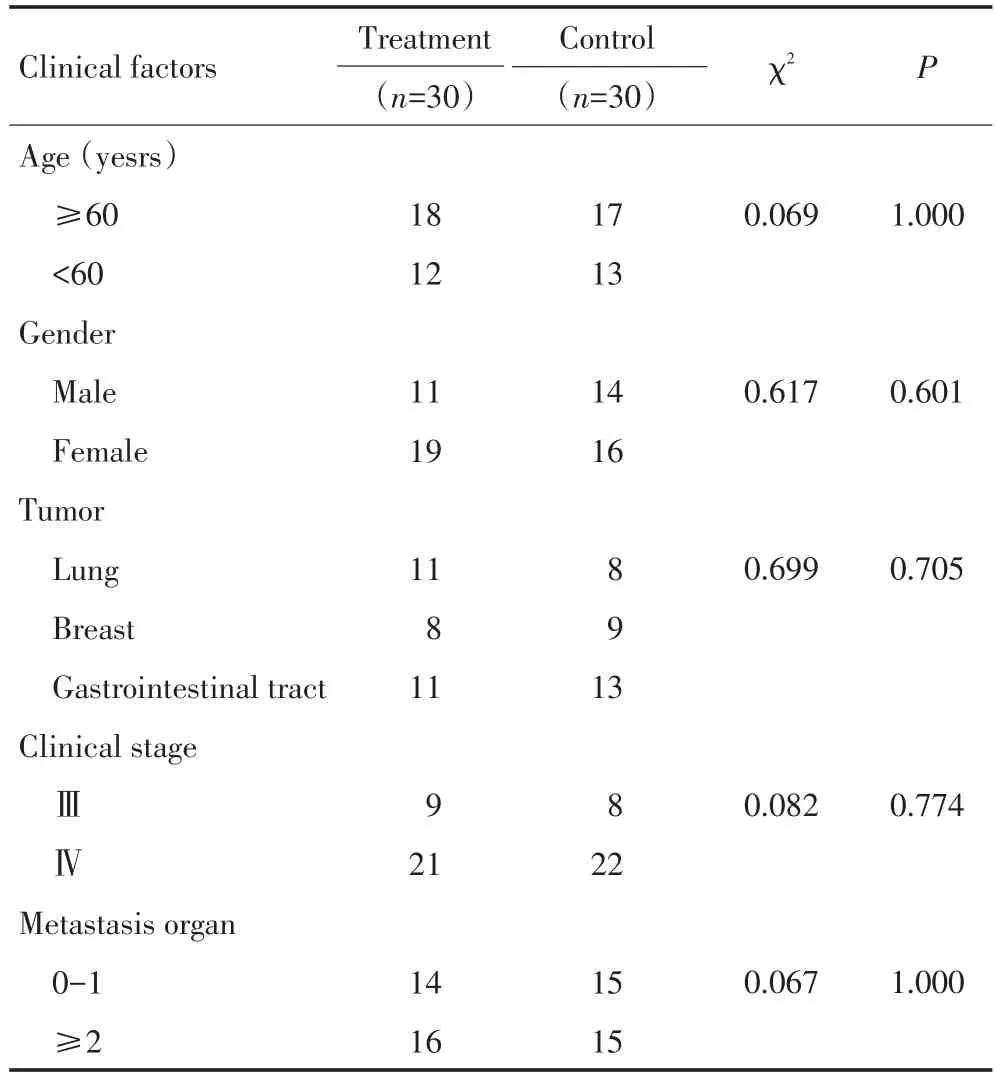
表1 兩組患者臨床資料特征Table 1Clinical characteristics of patients in the two groups
2.2睡眠情況比較
阿森斯失眠量表(AIS)測量結果為治療組患者在用藥后AIS評分明顯下降,給藥第1、2、3天分別降至(7.8±2.7)、(6.3±2.9)和(6.0±2.9)分,與用藥前和對照組比較差異均有統計學意義(P<0.01);而對照組患者的AIS評分未見明顯變化。在入睡時間方面,靜脈滴注右美托咪定10~15 min后,95.0%(19/20)的患者能夠被誘導入睡,且入睡時間從顯著延遲變為輕微延遲或無延遲(P<0.01);總睡眠時間也從顯著不足變為輕微不足(P<0.01)。對照組均未見明顯變化(表2)。

表2 兩組患者睡眠情況比較Table 2Comparison of sleep quality of patients between the two groups
2.3焦慮情況比較
焦慮自評量表(SAS)測量結果治療組患者在用藥后第3天SAS評分從(51.1±7.4)分降至(41.2±5.7)分,差異有統計學意義(P<0.01)。對照組SAS評分也有所下降,但差異無統計學意義(P>0.05,表3)。
表3 兩組患者焦慮情況比較(T,分)Table 3Comparison of anxiety of patients between the two groups(xi T)
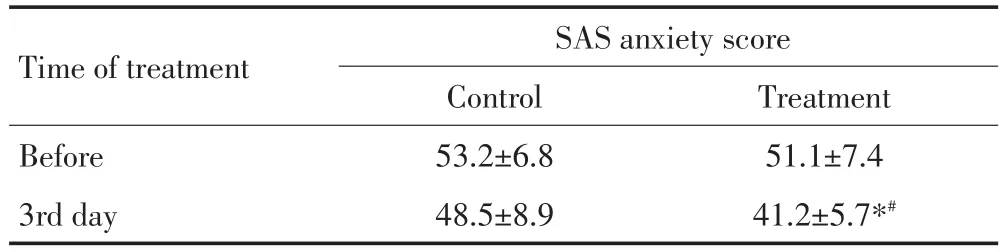
表3 兩組患者焦慮情況比較(T,分)Table 3Comparison of anxiety of patients between the two groups(xi T)
Note:comparaison before and after treatment,*P<0.01;Compared with control group,#P<0.01
Time of treatment Before 3rd day SAS anxiety score Control 53.2±6.8 48.5±8.9 Treatment 51.1±7.4 41.2±5.7*#
3 討論
化療過程中患者常常出現胃腸道反應、心情焦慮、恐懼、睡眠質量嚴重下降等不良反應[6-8]。藍斑是腦內控制睡眠-覺醒的關鍵區域,也是α2受體的密集區域。右美托咪定通過激動腦干藍斑上的α2受體,抑制去甲腎上腺素的釋放,進而促進腹外側視前核釋放γ-氨基丁酸,以抑制結節乳頭核釋放組胺,從而產生鎮靜催眠作用[6]。與其他鎮靜催眠藥(如苯二氮卓類藥物)的作用機制不同,右美托咪定可產生自然非動眼睡眠,在一定劑量范圍內,機體的喚醒功能仍然存在。接受右美托咪定患者Ramsay鎮靜評分為3~5分時,受到刺激時可觀察到覺醒反應[9]。右美托咪定在血藥濃度達到具有明顯鎮靜作用時,可使志愿者的每分鐘通氣量減少,但其二氧化碳通氣反應曲線的斜率可維持在正常范圍內,通氣的變化與正常睡眠非常相似[10]。因此,右美托咪定可安全地用于腫瘤化療患者。
本研究通過持續靜脈滴注1.0 μg/kg右美托咪定30 min后,發現95%的患者可被誘導入睡,總睡眠時間從顯著不足變為輕微不足,且焦慮癥狀得到減輕。劉雅貞等[11]利用睡覺焦慮量表評估患者治療前和治療后1周的睡眠情況,結果發現右美托咪定行誘導睡眠平衡術可使失眠癥患者的睡眠潛伏期縮短,睡眠總時間延長,睡眠效率得到改善。該研究結果與本研究的一致。
本研究結果顯示,持續靜脈滴注右美托咪定30 min,可誘導患者入睡,延長總睡眠時間,但是患者對其睡眠質量的滿意度并未得到明顯的提高,有60%的患者反映后半夜仍然入睡困難,其主要原因可能是右美托咪定的消除半衰期為2~2.5 h[12],藥效維持時間較短。因此,在以后的臨床應用中,可適當延長右美托咪定的給藥時間。另外,由于右美托咪定通過靜脈給藥,而非傳統口服用藥,在推廣應用上有一定局限性;若可做成口服緩釋劑或滴鼻劑,一方面可延長藥物的作用時間,另一方面也可增加患者的依從性。此外,有關右美托咪定對腫瘤患者化療期間所致惡心嘔吐、骨髓抑制等不良反應的影響有待進一步研究。
1YW Liu,JP Xiong,L Zhang,et al.The Prevalence of Sleeping Disturbance and the Related Risk Factors Associated with the Patients Undergoing Chemotherapy[J].Drug Evaluation,2012,9(12):20-24.[劉雅雯,熊建萍,張凌,等.634例化療患者失眠的流行病學特征及相關危險因素分析[J].藥品評價,2012,9(12):20-24.]
2Zabora J,BrintzenhofeSzoc K,Curbow B,et al.The prevalence of psychological distress by cancer site[J].Psychooncology,2001,10(1): 19-28.
3Ebert TJ,Hall JE,Barney JA,et al.The effects of increasingplasma concentrations of dexmedetomidine in humans[J].Anesthesiology,2000,93(2):382-394.
4Venn RM,Hell J,Grounds RM.Respiratory effects of dexmedetomidine in the surgical patient requiring intensivecare[J].Crit Care,2000,4(5):302-308.
5Huupponen E,Maksimow A,Lapinlampi P,et al.Electroencephalogram spindle activity duringdexmedetomidine sedation and physiological sleep[J].ActaAnaesthesiol Scand,2008,52(2):289-294.
6Nelson LE,Lu J,Guo TZ,et al.The alpha2-adrenoceptor agonist dexmedetomidine converges on an endogenous sleep-promoting pathway to exert its sedative effects[J].Anesthesiology,2003,98(2): 428-436.
7Cheng QH,Xu JH.Nursing Intervention for Patients with Hematologic Tumor Managed with Time Chemotherapy[J].Journal of Nursing Science,2009,24(13):37-38.[程秋泓,徐劍紅.血液系統腫瘤患者時辰化療的護理干預[J].護理學雜志,2009,24(13):37-38.]
8Zhao XL.The influence study of comfortable nursing in adverse reaction and sleep quality in elderly lung cancer patients treated with chemotherapy[J].China Modern Medicine,2009,25(9):44-45.[趙雄麗.舒適護理對高齡肺癌化療患者不良反應及睡眠質量的影響[J].中國實用護理雜志,2009,25(9):44-45.]
9Wu XM,Wang TL,Xue ZG,et al.Clinical practice guidelines of dexmedetomidine(2013)[J].National Medical Journal of China,2013,93(35):2775-2777.[吳新民、王天龍、薛張綱,等.右美托咪定臨床應用指導意見(2013)[J].中華醫學雜志,2013,93(35):2775-2777.]
10 Chang C,Uchiyama A,Ma L,et al.A comparison of the effects on respiratory carbon dioxide response,arterial blood pressure,and heart rate of dexmedetomidine,propofol,and midazolam in sevoflurane-anesthetized rabbits[J].Anesth Analg,2009,109(1):84-89.
11 Liu YZ,Jiang XJ.ClinicaI observation of insomnia after the operation of dexmedetomidine induce sleep balancing[J].Journal of Neuroscience and Mental Health,2012,12(6):580-582.[劉雅貞,蔣曉江.鹽酸右美托咪定誘導睡眠平衡術治療失眠的臨床觀察[J].神經疾病與精神衛生,2012,12(6):580-582.]
12 Afonso J,Reis F.Dexmedetomidine:current role in anesthesia and intensive care[J].Rev Bras Anestesiol,2012,62(1):118-133.
(2014-08-20收稿)
(2014-11-15修回)
(編輯:周曉穎)
Effect of dexmedetomidine on sleep and anxiety in cancer patients undergoing chemotherapy
Zhansheng JIANG,Bin WANG,Cong WANG,Dongying LIU,Huaqiang OUYANG,Zhanyu PAN
Zhanyu PAN;E-mail:tjpanzhanyu@medmail.com.cn
Objective:To observe the effect of dexmedetomidine on sleep and anxiety in cancer patients who received chemotherapy.Methods:Sixty cancer patients suffering from sleep disorders or anxiety symptoms and receiving chemotherapy between March and June 2014 were randomly divided into treatment and control groups.The patients in the treatment group were treated with intravenous drip of 1.0 μg/kg dexmedetomidine for more than 30 min,once a day for three days.The patients in the control group were given the same dose and drip time of normal saline.Athens Insomnia Scale(AIS)was used to assess the sleep quality of patients before and the 1st,2nd,and 3rd days after the administration of dexmedetomidine.Self-Rating Anxiety Scale(SAS)was employed to assess anxiety before and the 3rd day after the administration of dexmedetomidine.Results:Compared with the control group and status before administration of dexmedetomidine,the AIS scores were significantly lower in the 1st,2nd,and 3rd days after administration(P<0.01), and the SAS scores were also significantly lower in the 3rd day after administration(P<0.01).Conclusion:Dexmedetomidine may improve sleep quality and alleviate anxiety symptoms in cancer patients undergoing chemotherapy.
dexmedetomidine,cancer,chemotherapy,sleep,anxiety

10.3969/j.issn.1000-8179.20141188
天津醫科大學腫瘤醫院中西醫結合科,國家腫瘤臨床醫學研究中心,天津市腫瘤防治重點實驗室(天津市300060)
潘戰宇tjpanzhanyu@medmail.com.cn
Department of Synergistic Chinese and Western Medicine,Tianjin Medical University Cancer Institute and Hospital,National
Clinical Research Center for Cancer,Tianjin Key Laboratory of Cancer Prevention and Therapy,Tianjin 300060,China
姜戰勝專業方向為腫瘤內科和中西醫結合治療。
E-mail:s0010027@163.com