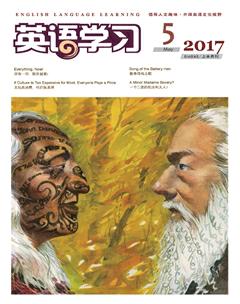
一個二流的包法利夫人?
2017-06-06 18:00:49ByStefanZweig
英語學習
2017年5期
By+Stefan+Zweig
故事發生在一次大戰前的10年的法國。里昂少婦亨麗特(Henriette)跟一位來此不到一天的風流倜儻、年輕俊美的法國小伙子突然私奔了!此事打破了飯店的平靜,成為餐桌上茶余飯后的談資和爭論的話題。法國俊男的社交風度以及優雅得體的言談舉止獲得了所有客人的贊賞及好感。他跟亨麗特的先生談政治,跟她兩個十幾歲的女兒打網球,跟肥胖的丹麥人一起釣魚,跟德國夫婦在大堂里閑聊。亨麗特的丈夫是里昂的制造商,太太的失蹤使他感到萬分驚慌,擔心妻子發生意外導致生命危險。當他發現妻子留給他的告別信時又感到無比惱怒,傷心至極。
作者斯蒂芬·茨威格(1881—1942)出身于維也納富裕的猶太家庭,代表作有短篇小說《一個陌生女人的來信》、長篇小說《心靈的焦灼》、回憶錄《昨日的世界》等。他青年時代在維也納和柏林攻讀哲學和文學,日后周游世界,結交羅曼·羅蘭和弗洛伊德等杰出人物并深受影響。
本文節選自茨威格的中篇小說《一個女人一生中的二十四小時》,在這部作品中,作者以極其細膩、精致的筆觸刻畫了人物內心激烈的掙扎和心靈的糾結,讓讀者感受到靈魂的震顫,也感覺到作者深受弗洛伊德心理學的影響。
You will understand that such an event, striking like lightning before our very eyes and our perceptions(感官), was likely to cause considerable turmoil(騷動)in persons usually accustomed to an easygoing existence and carefree pastimes. But while this extraordinary incident was certainly the point of departure(起點)for the discussion that broke out so vehemently(激烈的地)at our table, almost bringing us to blows, in essence the dispute was more fundamental, an angry conflict between two warring concepts of life. For it soon became known from the indiscretion(不慎)of a chambermaid(女服務員)who had read the letter—in his helpless fury, the devastated husband had crumpled it up(揉皺)and dropped it on the floor somewhere—that Madame Henriette had not left alone but, by mutual agreement, with the young Frenchman[for whom most peoples like now swiftly began to evaporate(消失)]. At first glance, of course, it might seem perfectly understandable for this minor(二流的)Madame Bovary to exchange her stout(矮胖的), provincial(鄉下的)husband for an elegant and handsome young fellow. But what aroused so much indignation(憤慨)in all present was the circumstance that neither the manufacturer nor his daughters, nor even Madame Henreitte herself, had ever set eyes on this Lovelace2(浪子)before, and consequently their evening conversation for a couple of hours on the terrace(露臺), and the one-hour session in the garden over black coffee, seemed to have sufficed to(足以)make a woman about thirty-three years old and of blameless reputation abandon her husband and two children overnight, following a young dandy(花花公子)previously unknown to her without a second thought. This apparently evident fact was unanimously condemned(遭到一致譴責)at our table as perfidious(背信棄義的、不忠的)deceit(欺騙)and a cunning manoeuvre(狡猾的策略)on the part of the two lovers: of course Madame must have been conducting a clandestine(秘密的)affair with the young man long before, and he had come here, Pied Piper3(誘拐者,善開空頭支票的人)that he was, only to settle the final details of their flight, for—so our company deduced(推理)—it was out of the question for a decent woman who had known a man a mere couple of hours to run off just like that when he first whistled her up(召喚). It amused me to take a different view, and I energetically defended such an eventuality as possible, even probable in a woman who at heart had perhaps been ready to take some decisive action through all the years of a tedious(沉悶的), disappointing marriage. My unexpected opposition quickly made the discussion more general, and it became particularly agitated(激……
登錄APP查看全文