中華文化術語選篇
2017-06-06 22:35:57
英語學習
2017年5期
關鍵詞:情感
“中華思想文化術語”,是濃縮了中華哲學思想、人文精神、價值觀念等的以詞或短語形式固化的概念和文化核心詞。它們是中華民族幾千年來對自然與社會進行探索和理性思索的成果,積淀著中華民族最深沉的歷史智慧。本文選登“中華文化術語”詮釋和英文翻譯,使中國人更加理解中國古代哲學思想,也使世界更加了解中華思想文化。
詩 言 志
Poetry Expresses Aspirations.
詩歌表達作者內心的志向。“志”指詩歌作品中所表達的作者的內心志向、思想,兼及情感因素。“詩言志”最先見于儒家經典《尚書·堯典》,是中國詩論的“開山綱領”(朱自清語),經過歷代詩論家的演繹,其蘊涵不斷得以豐富,并由此確立了中國文論關于文學特征的基本觀念。
A poem expresses aspirations in ones heart. Zhi (志) here means the authors aspirations, emotions, and thoughts. The concept of “poetry expressing aspirations,” first seen in the Confucian classic The Book of History, was hailed(被贊譽)by Zhu Ziqing as the “manifesto”(宣言,聲明)of Chinese poetry. Enriched by poetry critics through the generations, it was later established as a basic concept in Chinese literary criticism.
引例 Citations:
◎ 詩言志,歌永言。(《尚書·堯典》)
(詩是表達內心志向的,歌是用語言來吟唱的。)
Poems express aspirations deep in ones heart, whereas songs are verses for chanting. (The Book of History)
◎ 詩者,志之所之也,在心為志,發言為詩。(《詩大序》)
(詩是內心志向所生成的,在心中為志,形成言語就是詩。)
Poems come from aspirations. An aspiration in heart is an aspiration; an aspiration in words is a poem.(Preface to The Book of Songs)
詩 緣 情
Poetry Springs from Emotions.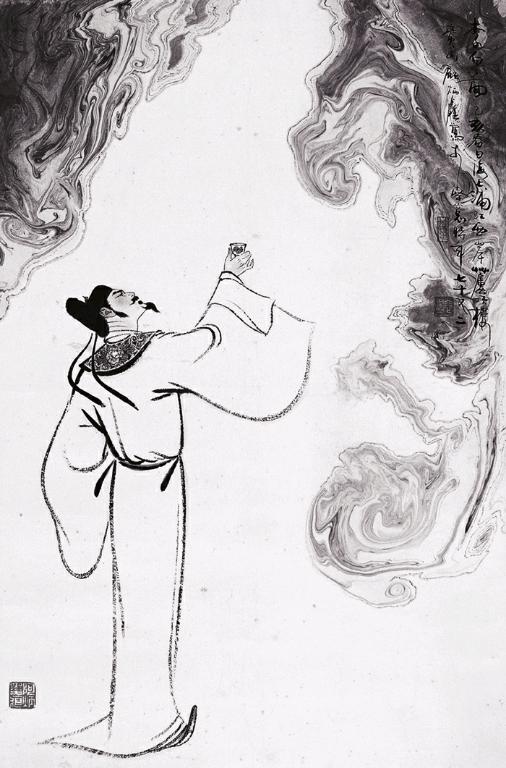
詩歌緣于詩人內心的情感。西晉陸機《文賦》提出,詩人情動于心,而后才有詩歌創作。“詩緣情”說與“詩言志”說互為補充,強調文學的抒情性與審美特征,表現出魏晉時代文學觀念的變遷。因此,“詩緣情”也成為中國古代關于詩歌與文學本質看法的另一代表觀點。
Poems originate from the poets heart-felt feelings. Lu Ji of the Western Jin Dynasty said in “The Art of Writing” that a poet must have a surge of feeling deep in his heart before he could create a poem. This view, complementing the concept of “poetry expressing aspirations,” stresses the lyrical and aesthetic nature of literary works and echoes the evolution of literary tastes during the Wei and Jin dynasties. “Poetry springing from emotions” represents another viewpoint on the nature of poetry and literature in ancient China.
引例 Citations:
◎詩緣情而綺靡。(陸機《文賦》)
(詩歌源于情感因而形式華麗好看。)
Poetry, springing from emotions, reads beautifully in its form of expression. (Lu Ji: The Art of Writing)
◎人稟七情,應物斯感,感物吟志,莫非自然。(劉勰《文心雕龍·明詩》)
(人稟受了各種情感,受外物刺激而心有所感,心有所感而吟詠情志,所有的詩歌都出于自然情感。……
登錄APP查看全文
猜你喜歡
今日教育·作文大本營(2025年3期)2025-03-24 00:00:00
中國生殖健康(2020年5期)2021-01-18 02:59:48
家庭醫學(下半月)(2020年4期)2020-05-30 12:42:50
現代裝飾(2020年4期)2020-05-20 08:55:06
北極光(2019年12期)2020-01-18 06:22:10
小太陽畫報(2019年10期)2019-11-04 02:57:59
海峽姐妹(2019年9期)2019-10-08 07:49:00
青年歌聲(2019年7期)2019-07-26 08:35:00
中國生殖健康(2018年5期)2018-11-06 07:15:40
發明與創新(2016年6期)2016-08-21 13:49:38