Why Are Harvard Students Studying Ancient Chinese Philosophy?
2018-03-30 06:13:12By
英語世界 2018年3期
關鍵詞:學生
By
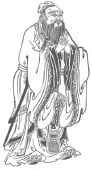
Picture a world where human relationships are challenging, narcissism1narcissism自賞,自戀,自我陶醉。and self-centeredness2self-centeredness自我中心。are on the rise, and there is disagreement on the best way for people to live harmoniously together.
It sounds like 21st-century America.But the society that Michael Puett, a tall, 48-year-old bespectacled3bespectacled 戴眼鏡的。professor of Chinese history at Harvard University, is describing to more than 700 rapt4rapt全神貫注的,專心致志的。undergraduates is China, 2,500 years ago.
Puett’s course Classical Chinese Ethical and Political Theory has become the third most popular course at the university.
[2]Puett uses Chinese philosophy as a way to give undergraduates concrete, counter-intuitive, and even revolutionary ideas, which teach them how to live a better life. Puett puts a fresh spin on the questions that Chinese scholars grappled5grapple努力設法解決。with centuries ago.He requires his students to closely read original texts (in translation) such as Confucius’sAnalects, theMencius, and theDaodejingand then actively put the teachings into practice in their daily lives. His lectures use Chinese thought in the context of contemporary American life to help 18- and 19-year-olds who are struggling to find their place in the world figure out how to be good human beings;how to create a good society; how to have a flourishing life.
想象有這樣一個世界:人際關系復雜緊張;孤芳自賞和唯我獨尊的風氣日盛;人們對和諧共處的最佳方式莫衷一是。
聽起來這像是21世紀的美國。但是,邁克爾·皮特教授給700多位專注聽課的哈佛學子描述的,恰恰是2500年前的中國。邁克爾·皮特是哈佛大學的中國歷史教授,48歲,個子高高,戴著眼鏡。
皮特所教的“中國經典道德與政治理論”這門課已經在哈佛大學學生最喜愛的課程中排名第三。
[2]皮特教授運用中國哲學思想,向學生展示具體的、反直覺的、甚至是革命性的想法,從而教會他們如何擁有更好的生活。對于幾世紀前中國學者沒法解決的那些問題,皮特教授提出了全新的看法。他要求學生仔細閱讀《論語》《孟子》和《道德經》的原文(英譯本),并積極將其中的思想應用到日常生活中。他的課將中國思想遷移到當代美國人的生活環境中,幫助那些十八九歲正苦苦尋找人生定位的年輕人了解如何成為好人,如何創造美好的社會,如何擁有幸福的生活。
[3]Puett told me he is seeing more students who are “feeling pushed onto a very specific path towards very concrete career goals” than he did when he began teaching nearly 20 years ago. A recent report shows a steep decline over the last decade in the number of Harvard students who are choosing to major in the humanities, a trend roughly seen across the nation’s liberal arts schools.Finance remains the most popular career for Harvard graduates. Puett sees students who orient all their courses and even their extracurricular activities towards practical, predetermined career goals and plans.
[4]Puett tells his students that being calculating and rationally deciding on plans is precisely the wrong way to make any sort of important life decision. The Chinese philosophers they are reading would say that this strategy makes it harder to remain open to other possibilities that don’t fit into that plan.Students who do this “are not paying enough attention to the daily things that actually invigorate and inspire them, out of which could come a really fulfilling,exciting life,” he explains.
[3]皮特教授告訴我,與大約20年前他初登講臺時相比,現在有更多的學生“感覺自己被推著走上一條路,朝著非常具體的職業目標前進”。最近的一項報告顯示,過去十年間,選擇主修人文學科的哈佛學子人數驟降,且這一現象幾乎在美國所有文理學院都普遍存在。最受哈佛學生青睞的職業依然是金融業。皮特教授還發現哈佛學生選擇的所有課程乃至課外活動都圍繞著他們早已確定好的、現實的職業目標與計劃。
[4]皮特教授告訴學生,在做任何人生重大決定時,精打細算、理智謀劃恰恰是條歧路。他們所讀到的中國古代思想家會說,這種策略容易使人故步自封,而忽略了與計劃不符的其他可能。這類學生“沒有注意到日常生活里可以真正激發、啟發他們的事物,然而真正充實、令人振奮的生活正是由此而生。”皮特教授如是說。
[5]If what excites a student is not the same as what he has decided is best for him, he becomes trapped on a misguided path, slated6slate預定,計劃,安排。to begin an unfulfilling career. Puett aims to open his students’eyes to a different way to approach everything from relationships to career decisions. He teaches them that:
[6] The smallest actions have the most profound ramifications7 ramification(眾多復雜而又難以預料的)結果,后果。.Confucius,Mencius, and other Chinese philosophers taught that the most mundane8mundane平凡的,平淡的。actions can have a ripple effect. That rush of good feeling that comes after a daily run, the inspiring conversation with a good friend,or the momentary flash of anger that arises when someone cuts in front of us in line—what could they have to do with big life matters? Everything, actually.
[7]From a Chinese philosophical point of view, these small daily experiences provide us endless opportunities to understand ourselves. When we notice and understand what makes us tick9what makes sb tick使某人這樣做的原因。,react, feel joyful or angry, we develop a better sense of who we are that helps us when approaching new situations.Mencius, a Confucian thinker (4th century B.C.E.), taught that if you cultivate your better nature in these small ways, you can become an extraordinary person with an incredible influence,altering your own life as well as that of those around you, until finally “you can turn the whole world in the palm of your hand.”
[5]如果某個學生覺得令他興奮的事情與自己原定的最佳選擇不符,他一不小心會誤入歧途,不得不從事毫無成就感的工作。皮特教授希望能引導學生打開思路,換個方式看待事物,無論是人際關系還是職業選擇。他教育他的學生們:
[6]最微小的行動能產生最深遠的影響。孔子、孟子以及其他中國哲學家教育世人,最尋常的舉動也可以產生連鎖反應。每日跑步鍛煉后的那陣舒爽,與好友交流后的豁然開朗,抑或是被人插隊時那一瞬間的憤怒——這些微妙的體驗與人生的重大之事有何干系?而事實上,萬事萬物都是普遍聯系的。
[7]在中國哲學里,這些微小的日常體驗賦予了我們無數了解自身的機會。若我們能注意并了解自己的行動、反應和喜怒哀樂的原因,我們就更了解自己。這一認知可以幫助我們更好地應對新情況。儒家學派的代表人物孟子(公元前4世紀)就告訴我們,如果你從細節著手培養自己的優點與美德,你能成為一位頗具影響力的人物,改變自己和周圍人的生活,最終“萬物皆備于我矣”。
[8] Decisions are made from the heart.Americans tend to believe that humans are rational creatures who make decisions logically, using our brains. But in Chinese, the word for“mind” and “heart” are the same. Puett teaches that the heart and the mind are inextricably linked, and that one does not exist without the other. Whenever we make decisions, from the prosaic to the profound (what to make for dinner;which courses to take next semester;what career path to follow; whom to marry), we will make better ones when we intuit how to integrate heart and mind and let our rational and emotional sides blend into one.
[9]Zhuangzi, a Daoist philosopher,taught that we should train ourselves to become “spontaneous” through daily living, rather than closing ourselves off through what we think of as rational decision-making. In the same way that one deliberately practices the piano in order to eventually play it effortlessly10effortlessly嫻熟地。,through our everyday activities we train ourselves to become more open to experiences and phenomena so that eventually the right responses and decisions come spontaneously, without angst, from the heart-mind.
[8]從心所欲。美國人認為,人類是理性動物,使用大腦,根據邏輯做出決定。但在中文里, “心”這個字既表示理性也代表情感。所以皮特教授告訴學生,心腦聯系緊密,密不可分。任何時候做任何決定,無論是雞毛蒜皮的小事還是事關命運的大事(諸如晚飯吃什么;下學期選哪些課;該從事什么工作;該和誰結婚等),如若我們能憑直覺實現心腦合一,能將理性與感性思維結合,我們會做出更好的決定。
[9]作為道家學派的代表人物,莊子認為,我們要在日常生活中訓練自己“率性而為”,而不能因為所謂的理性決策而故步自封。正如鋼琴學習者通過不斷的刻意練習以達到嫻熟演奏的水平,我們亦可通過每日刻意訓練,讓自己感受各種體驗與現象,從而最終在心腦合一的境界里做出最自然的反應和正確的決定。
[10] If the body leads, the mind will follow.Behaving kindly (even when you are not feeling kindly), or smiling at someone (even if you aren’t feeling particularly friendly at the moment)can cause actual differences in how you end up feeling and behaving, even ultimately changing the outcome of a situation.
[11]While all this might sound like hooey-wooey self-help, much of what Puett teaches is previously accepted cultural wisdom that has been lost in the modern age. Aristotle said, “We are what we repeatedly do,” a view shared by thinkers such as Confucius, who taught that the importance of rituals lies in how they inculcate11inculcate反復灌輸,諄諄教誨。a certain sensibility in a person.
[12]At the end of each class, Puett challenges his students to put the Chinese philosophy they have been learning into tangible practice in their everyday lives. “The Chinese philosophers we read taught that the way to really change lives for the better is from a very mundane level, changing the way people experience and respond to the world, so I’m not trying to give my students really big advice about what to do with their lives. I just want to give them a sense of what they can do daily to transform how they live.”
[10]行先啟,知后至。采取善意的行動(哪怕你并不覺得親切),或是對某人微笑(即便你當時并未感覺特別友好),都可以改變你最終的感受和行為,甚至最后能改變事情的結果。
[11] 或許這些聽起來凈是自我安慰的胡說八道,但皮特教授所教的大部分內容都是現代社會業已丟失的那些曾為人們所接受的文化智慧。亞里士多德曾說過:“我們的重復所為造就了自己。”不少思想家,如孔子,與亞里士多德不謀而合。孔子認為,“禮”的重要性在于它在潛移默化中提高了人的感受力。
[12]每堂課結束前,皮特教授都會要求學生們將自己所學的中國哲學運用到實際的日常生活中。“我們所讀到的這些中國哲學思想教育我們,想讓生活真正變得更好,須從小事做起,改變人們感知世界、回應世界的方式。因此,我并不打算給學生講什么人生大道理。我只是希望他們能意識到自己可以從日常小事做起,改變自己的生活。”
[13] Their assignments are small ones: to first observe how they feel when they smile at a stranger,hold open a door for someone, engage in a hobby. He asks them to take note of what happens next: how every action, gesture, or word dramatically affects how others respond to them. Then Puett asks them to pursue more of the activities that they notice arouse positive, excited feelings.In their papers and discussion sections students discuss what it means to live life according to the teachings of these philosophers.
[14] To be interconnected, focus on mundane, everyday practices, and understand that great things begin with the very smallest of acts are radical ideas for young people living in a society that pressures them to think big and achieve individual excellence.
[13]皮特教授布置的作業也很簡單——首先觀察一下自己在以下時刻的感受:對陌生人微笑,為別人扶門,參加一項自己愛好的活動。皮特教授要求學生記錄下之后發生的事情:自己的每一次行動,每一個動作,每一句話如何明顯地改變了他人對自己的反應。在此基礎上,他要求學生們努力尋找更多能讓他們產生積極、振奮情緒的行為活動。學生們在撰寫的論文及討論部分中,探討了在中國哲學思想中,生活究竟意味著什么。
[14]當今社會,年輕人迫于壓力,立下壯志,追求卓越。而要讓他們體會事物是普遍聯系的, 關注平凡的日常小事, 明白“天下大事,必作于細”的道理,對于他們而言有深遠的意義。
[15]One of Puett’s former students,Adam Mitchell, was a math and science whiz12whiz能手,奇才。who went to Harvard intending to major in economics. At Harvard specifically and in society in general,he told me, “we’re expected to think of our future in this rational way: to add up the pros and cons and then make a decision. That leads you down the road of ‘Stick with what you’re good at’”—a road with little risk but little reward.But after his introduction to Chinese philosophy during his sophomore13sophomore大學二年級,大二學生。year, he realized this wasn’t the only way to think about the future. Instead,he tried courses he was drawn to but wasn’t naturally adroit at because he had learned how much value lies in working hard to become better at what you love. He became more aware of the way he was affected by those around him, and how they were affected by his own actions in turn. Mitchell threw himself into foreign language learning,feels his relationships have deepened,and is today working towards a master’s degree in regional studies. ■
[15]亞當·米切爾曾是皮特教授的學生,是一名數學與科學奇才。他跨入哈佛大學校門時打算主修經濟學。他告訴我,無論是哈佛大學還是整個社會,“都要求我們必須理智地思考我們的未來:權衡利弊,做出決定。所以我們走上了這樣一條道路:‘堅守自己擅長的’”——這條路幾乎毫無風險,也毫無成就感。但米切爾在大二的時候接觸了中國哲學后,意識到自己還可以以其他方式思考未來。于是,他嘗試選修了自己感興趣卻并不一定擅長的課程,因為他已經知道,通過努力學習將自己所愛變成所長是一件多么有價值的事。他日益體會到周遭對自己的影響,以及自己相應的反應對周圍人與事的影響。米切爾還投入到了外語學習中,感受到了自己與周圍的關系在深化。目前他正在攻讀區域研究的碩士學位。 □
猜你喜歡
作文大王·笑話大王(2021年4期)2021-04-26 19:00:35
英語文摘(2020年9期)2020-11-26 08:10:12
甘肅教育(2020年6期)2020-09-11 07:45:16
甘肅教育(2020年22期)2020-04-13 08:10:54
甘肅教育(2020年20期)2020-04-13 08:04:42
當代陜西(2019年5期)2019-11-17 04:27:32
電影(2018年9期)2018-11-14 06:57:21
作文世界(小學版)(2018年4期)2018-10-16 17:13:34
快樂作文·低年級(2016年12期)2017-01-03 20:52:44
快樂作文·低年級(2016年6期)2016-06-24 18:58:40