斯科茨大樓,新加坡
2020-10-22 07:14:38建筑設(shè)計(jì)UNStudio
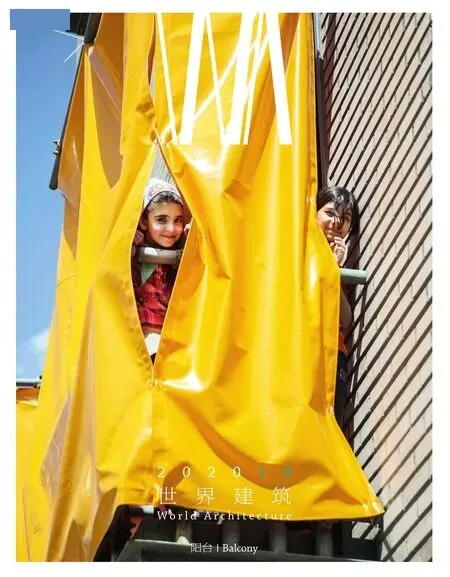
世界建筑 2020年10期
關(guān)鍵詞:景觀
建筑設(shè)計(jì):UNStudio
Architects: UNStudio
斯科茨大樓 SOHO公寓位于新加坡的黃金地段,靠近烏節(jié)路豪華購物區(qū),眺望鄰近公園和新加坡城市全景。
該塔樓擁有18,500m2、共231個(gè)居住單位,包含一至三居室的公寓、四居室的樓頂公寓、寬敞的綠植園林、空中花園、樓頂公寓頂層花園以及各種娛樂設(shè)備。
UNStudio創(chuàng)始人及首席建筑師本·范·貝克爾表示:“這個(gè)大樓是新加坡城市的一個(gè)趣味點(diǎn),跳出了一般的慣常設(shè)計(jì)手法,我們創(chuàng)造了一個(gè)空中的街區(qū),一個(gè)每個(gè)區(qū)域都擁有獨(dú)特功效的垂直城市。”
空中鄰里
斯科茨大樓的建筑理念是一個(gè)融合多種居住類型和規(guī)模的“垂直城市”。同時(shí),空中平臺(tái)、樓頂公寓頂層花園和獨(dú)立陽臺(tái)形式的戶外綠化區(qū)域構(gòu)成了設(shè)計(jì)的重要元素。塔樓的垂直城市概念取自“城市”“鄰里”和“家”。
城市
垂直城市的概念與綠化區(qū)域通過兩種形式緊扣在一起:“垂直框架”和“天空框架”。垂直框架以城市方式組織塔樓。它將塔樓整合為一個(gè)“垂直城市”,將4個(gè)住宅群劃分為不同的小區(qū)。
小區(qū)
4個(gè)相互堆疊的住宅群體被設(shè)計(jì)成不同功能和定制的生活模式。一居室城市閣樓公寓位于較低的天空框架上方,組成塔樓的低層部份。第二組城市景觀單位(兩居室公寓)面向相鄰的良木山,位于一居室公寓之上。園景單位則置于第二個(gè)天空框架上方。而塔樓最后一個(gè)住宅群體包含了3個(gè)獨(dú)特的樓頂公寓,并擁有私人屋頂陽臺(tái)。
家
通過戶外空間的類型、規(guī)模、布局和連貫性以及室內(nèi)布局個(gè)性化的可能性,為每個(gè)單位提供獨(dú)特的身份。
本·范·貝克爾指出:“斯科茨大樓中的陽臺(tái)與單獨(dú)框架區(qū)域的分區(qū)相互連結(jié),在結(jié)構(gòu)中創(chuàng)造出不同的細(xì)節(jié)尺度,既有復(fù)雜、細(xì)小的細(xì)節(jié)也有較大的形態(tài)細(xì)節(jié)。在斯科茨大樓中,陽臺(tái)構(gòu)成室內(nèi)家具的一部分。”
園林、娛樂及空中框架
塔樓西側(cè)附近的綠色區(qū)域最初通過Sitetectonix設(shè)計(jì)的地面景觀概念延伸到斯科茨大樓地塊。這個(gè)地面層概念形成一個(gè)多層環(huán)境,將居民可用的不同空間和娛樂設(shè)施連接在一起。
花園內(nèi)的娛樂設(shè)施包括一個(gè)帶陽光甲板的50m游泳池、兒童游泳池、餐廳和燒烤亭、會(huì)議區(qū)以及按摩和健身室。
較低的天空框架平臺(tái)“空中大廳”構(gòu)成通往公寓的綠化通道,位于通往大樓的通道上方8m處。這個(gè)平臺(tái)可以將花園的自然景觀垂直延伸到塔樓。
第二個(gè)天空框架平臺(tái)“空中花園”在第三個(gè)小區(qū)上方,提供全方位景觀,并可用作戶外活動(dòng)的社交平臺(tái)。空中花園層設(shè)有按摩池、游泳池和用餐平臺(tái)等設(shè)施。
大堂設(shè)計(jì)
青翠的景觀連接了公共戶外空間,而塔樓升降機(jī)大廳通過使用天然材料將自然景觀引入到室內(nèi)。
大堂空間主要以柔和的木制線條和優(yōu)雅的大理石地板飾面強(qiáng)調(diào)自然元素,其余部份則采用白釉玻璃以反映和擴(kuò)大空間。
大理石磚(90cm×90cm)以隨機(jī)圖案布置在地板上,并延伸到大堂墻身,藉以擴(kuò)展視覺空間。曲線木制的線條折疊在天花上并橫跨大廳連接大堂兩端,為空間注入活力和暖意。
整個(gè)大廳采用的彎曲木制線條與塔樓外部,特別是白色金屬框架遙遙呼應(yīng)。
項(xiàng)目信息/Credits and Data
客戶/Client: 遠(yuǎn)東機(jī)構(gòu)/Far East Organisation
設(shè)計(jì)建筑師/Design Architect:
UNStudio: Ben van Berkel, Astrid Piber with Ger Gijzen,Konstantinos Chrysos, Luis Etchegorry, Cynthia Markhoff,Elisabeth Brauner, Shany Barath, Thomas van Bekhoven,Iris Pastor, Rodrigo Ca?izares, Albert Gnodde, Mo Ching Ying Lai, Grete Veskiv?li, Philipp Weisz, Samuel Bernier Lavigne, Lukasz Walczak, Alicja Chola, Cheng Gong
執(zhí)行建筑師/Executive Architect: ONG&ONG, Singapore
項(xiàng)目管理/ Project Management: Arcadis, Singapore
顧問/ Advisors:
景觀建筑師/Landscape Architect: Sitetectonix, Singapore
結(jié)構(gòu)工程師/Structural Engineer: KTP Consultants,Singapore
機(jī)械工程師/Mechanical Engineer: United Project Consultants, Singapore
室內(nèi)設(shè)計(jì)(住宅單位)/Interior Design (Residential Units): Creative Mind Design, Singapore
效果圖/Visualisations: rendertaxi, Aachen
攝影/Photos: Darren Soh, EdmonLeong

1 首層游泳池和花園區(qū)/Ground level pool and garden area
2 塔樓的3個(gè)鄰里概念/Three neighbourhood concept of the tower
3 在黃金地段的垂直城市理念/Vertical city concept on a prime location

The Scotts Tower SOHO apartment building is situated on a prime location in Singapore, close to the Orchard Road luxury shopping district and with views encompassing both nearby parkland and the panoramic cityscape of Singapore City.
The 18,500m2, 31-storey, 231-unit tower consists of 1 to 3-bedroom apartments and 4-bedroom penthouses, along with expansive landscaped gardens, sky terraces, penthouse roof gardens and a variety of recreational facilities.
Ben van Berkel: "An interesting facet of The Scotts Tower is the way that it reacts to the urban context of Singapore. Instead of the more usual means of planning a city horizontally, we have created neighbourhoods in the sky: a vertical city where each zone has its own distinct identity."
Neighbourhoods in the Sky
City
The three elements of the vertical city concept,along with the green areas, are bound together by two gestures: the "vertical frame" and the "sky frames".
The vertical frame organises the tower architecturally in an urban manner. This frame affords the tower the vertical city effect by dividing the four residential clusters into different neighbourhoods.
Neighbourhoods
The four residential clusters that are stacked on top of each other are each designed for versatile and customised living. Situated above the lower sky frame, the one bedroom City Loft residences pixelate the lower tower.
The second cluster of the City View units (two bedroom apartments) face the adjacent Goodwool hill on the lower part of the tower and continue above the first package.
Park View units form the next cluster, above the second sky frame. Crowning the tower is the final cluster containing three exclusive Penthouse residences that also have private rooftop terraces.
Home
(3)采用專家問卷調(diào)查方式,結(jié)合TCCI、TCS、TCL的發(fā)展規(guī)律,對(duì)TCCI進(jìn)行了歸百化處理,建立了對(duì)應(yīng)的百分制評(píng)價(jià)指標(biāo)TCEI,并初步確定了我國高速公路瀝青路面橫向裂縫評(píng)價(jià)標(biāo)準(zhǔn)及維修標(biāo)準(zhǔn)。
Individual identity is given to each unit by means of type, scale, distribution and articulation of outdoor space, along with the possibility for personalisation of the interior layout.
Ben van Berkel: "The balconies, combined with the zoning of the individually framed neighbourhoods, in the Scotts Tower create different scales of detail in the structure; both intricate, smaller details and larger gestural details. In The Scotts Tower the balconies form part of the interior furniture."
Gardens, Recreation and Sky Frames
The nearby green area to the West of the tower is extended into The Scotts Tower site initially by means of a ground level landscape concept designed by Sitetectonix. This ground level concept incorporates a multi-layered environment which links together the different zones and recreational facilities available to the residents.
Recreational facilities within the gardens include a 50 metre lap pool with sun deck, a children's pool,a wellness pool, dining & BBQ pavilions, a meeting pavilion and massage and gym pavilions.
A green gateway to the residences is created by the lower sky frame terrace, the "sky lobby", which is located eight meters above the access routes to the building. This terrace serves to continue the natural landscape of the gardens vertically into the tower.
A second sky frame terrace, the "sky garden"is introduced above the third cluster, offering panoramic views and the possibility for use as a social platform for outdoor events. Facilities such as Jacuzzi pools, a swimming pool and a dining deck can be found on the sky garden level.
Lobby Design
A verdant landscape unifies the communal outdoor spaces. An extension of this quality, through the use of natural materials, was the primary design intention for the lift lobbies of the tower.
The two main elements of the lobby spaces are the warm wooden ribbons and the elegant marble floors.These elements clad the primary parts of the lobbies(lift entrance walls and circulation) in order to create emphasis, while the technical cores are clad with white back-painted glass to reflect and enlarge the space.
Marble tiles (90 cm × 90 cm) are arranged on the floor in a random pattern and extend upwards on the lower part of the lobby walls to extend the space. Above this, curvilinear wooden ribbons fold on to the ceiling and span across the lobby,connecting both ends and introducing motion and residential warmth into the space.
The soft curves that characterise the wooden ribbons used throughout the lobbies link to the language found on the exterior of the tower and the white metal frame in particular.

4 契合戶外空間的生活/Customised living with articulation of outdoor spaces
5 垂直結(jié)構(gòu)與兩個(gè)有共享設(shè)施的空中花園相結(jié)合/The vertical frame incorporates two sky frames with shared amenties
6 空中花園組織塔樓的視野、空間和綠化/Sky frames organise the views, spaces and green areas of the tower

7 各種陽臺(tái)連接室內(nèi)和室外空間/A variety of balconies connect the indoor and outdoor spaces
8 戶外公共空間采用自然材料/Communal outdoor spaces are made from natural materials
9 空中花園的游泳池可以看到城市景觀/Lap pool on the sky garden with views across Singapore

10 鳥瞰/Aerial view
評(píng)論
龍灝:陽臺(tái),本是居住建筑中絕無僅有的可以較大地影響建筑造型、塑造建筑個(gè)性的元素,無論位置、形式還是材料、構(gòu)造。就空間而論,本方案中的大部分陽臺(tái)本身只是正常的居住套型外的陽臺(tái)而已,但建筑師通過對(duì)設(shè)計(jì)任務(wù)的充分理解與思考,將不同套型與各種公共功能和景觀空間進(jìn)行了垂直分區(qū)組合,構(gòu)建了一個(gè)融合多種居住類型和規(guī)模的“垂直城市”,套型外的私家陽臺(tái)在外立面上的組合直接表達(dá)了建筑中不同規(guī)模套型組合關(guān)系的垂直變化,空中外挑的較大規(guī)模花園陽臺(tái)不僅成為景觀優(yōu)美的居民公共活動(dòng)與交往空間,同時(shí)也與尺度較小的套內(nèi)私家陽臺(tái)形成了造型的對(duì)比變化,建筑主體深色背景下,設(shè)計(jì)手法又互相呼應(yīng)的白色私家陽臺(tái)欄板及縱跨多層的公共空間外部造型,最終共同造就了該建筑獨(dú)特的、可謂“鶴立雞群”的外在形象,將自身從形象很容易雷同的“蕓蕓眾宅”中凸顯了出來。
范路:在新加坡斯科茨大樓項(xiàng)目中,各種陽臺(tái)和空中平臺(tái)的復(fù)雜組織,充分體現(xiàn)了“垂直城市”這一設(shè)計(jì)理念。這個(gè)融合多種居住類型的塔樓,在豎向上按住宅群分為4個(gè)不同的小區(qū)——從低層的一居室公寓區(qū)到頂層的四居室公寓區(qū)。此外,兩個(gè)大尺度的天空架構(gòu)空中平臺(tái)分別位于大樓底部和中上部。它們不僅賦予大樓強(qiáng)烈的形式特征,還為樓內(nèi)居民提供公共活動(dòng)空間,更與周邊城市景觀相望,讓“垂直城市”融入更大范圍的城市空間。
Comments
LONG Hao: The balcony is a unique element in residential buildings that can greatly influence the shape of the architecture while forming the personality of the architecture, from the location and form to the materials and structure. In terms of space, most of the balconies in this project are simply the balcony outside the normal residence type. However, by fully understanding and thinking about the design task, the architects combined different residence types with a variety of public facilities and landscape space in vertical division,thus creating a "vertical city" that incorporates various residence types and scales. The combination of private balconies on the exterior fa?ade directly demonstrates the vertical change of the relationship between different types of units in the building. The larger-scale garden terrace that projects outwards not only becomes a space for public activity and communication with a beautiful landscape, but it is also in contrast to the smaller private balconies in terms of shape. In the dark background of the building body, this design approach together with the white railing of private balconies and the exterior shape of the multi-story public space, creates the unique and "towering" external image of the architecturestanding out from the "crowd of residential buildings"whose images could easily be identical. (Translated by Dandan Wang)
FAN Lu: In the project of Scotts Tower in Singapore,"vertical city" is the main concept which is embodied by the organisation of different types of balconies and sky terraces. The Scotts Tower incorporating a variety of residence types and scales is divided vertically into four residential clusters or neighbourhoods-from 1-bedroom City Loft residences situated in lower floors to 4-bedroom penthouses. Furthermore, two big scale sky frames terraces are arranged in lower part and upper part of the tower. They bring about a strong formal character, provide social platform for residents living high above, serve to continue the natural landscape into the tower, and offer panoramic city views.

11 屋頂花園是居民的綠色通道/Sky frame terrace is the green gateway for the residents
12 外景/Exterior view
13 夜景/Night view
猜你喜歡
現(xiàn)代裝飾(2021年6期)2021-12-31 05:27:54
建材發(fā)展導(dǎo)向(2021年14期)2021-08-23 00:56:40
小學(xué)科學(xué)(學(xué)生版)(2020年12期)2021-01-08 09:28:10
小學(xué)科學(xué)(學(xué)生版)(2020年7期)2020-07-28 08:00:52
食品工業(yè)(2020年6期)2020-07-18 04:07:20
少年漫畫(藝術(shù)創(chuàng)想)(2020年12期)2020-06-09 05:50:08
創(chuàng)新作文(小學(xué)版)(2017年31期)2017-04-09 06:13:24
視聽(2016年2期)2016-08-21 07:50:50
照明工程學(xué)報(bào)(2016年3期)2016-06-01 12:17:56
中國攝影家(2014年6期)2014-04-29 14:54:47