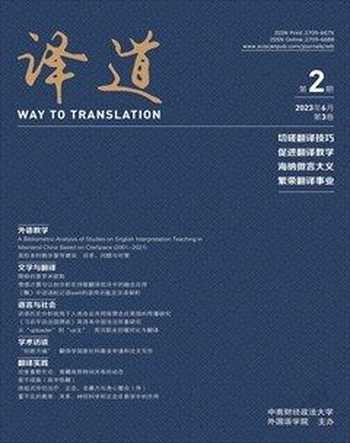
體驗(yàn)式伴侶治療:正念、非暴力與身心整合(序)
2023-12-06 11:36:45RobFisher
譯道 2023年2期
關(guān)鍵詞:實(shí)驗(yàn)方法
Rob Fisher
譯 者:嚴(yán)雪梅 吳于勤
本書簡介|哈科米治療方法融合了東方的正念覺知(mindfulness)與西方心理學(xué)的科學(xué)方法。治療師設(shè)計(jì)正念覺知實(shí)驗(yàn),邀請個(gè)人探索身體的動(dòng)作與習(xí)慣性的模式。這些動(dòng)作、模式隱藏著許多潛意識(shí)的核心信念,影響著我們的日常生活、親密關(guān)系以及自我認(rèn)同。哈科米可以讓我們帶著正念覺知,來探尋、看清親密關(guān)系中潛在的情緒模式和內(nèi)心創(chuàng)傷,發(fā)現(xiàn)自己和伴侶內(nèi)心深處的需求和渴望,帶來根本的療愈。
序
體驗(yàn)式伴侶治療代表了一種全新的伴侶心理治療方法。本書中描述的方法和原則與其它傳統(tǒng)方法相比有很大的區(qū)別,即心理治療方法的一個(gè)最基本的層面在此受到質(zhì)疑:治療師的角色。
通常,治療師和來訪者的工作基于一個(gè)模式(有時(shí)稱為醫(yī)療模式),其中來訪者的主要任務(wù)是向治療師展示自己或提供關(guān)于自己的資料,治療師幫助來訪者理解他們的世界。治療師提示和鼓勵(lì)來訪者展示癥狀、歷史、夢境、關(guān)于當(dāng)前事件的報(bào)告以及對這些事件的感受等等。有了這些資料,治療師的任務(wù)是診斷問題并提供治療,治療方法各種各樣,從洞察到精神藥物等等。這種模式需要來訪者去找專家,呈現(xiàn)自己,并接受治療。這類心理治療就像一次談話——嚴(yán)肅的談話,沒錯(cuò),僅僅是一次談話。
本書中描述的方法是完全不同的。費(fèi)若樸(Rob Fisher)邀請來訪者在正念覺知的特殊意識(shí)狀態(tài)下進(jìn)行實(shí)驗(yàn)并探索他們的體驗(yàn)。結(jié)果充滿驚喜。正如本書所言,治療師的部分作用是找到合適的喚起實(shí)驗(yàn),讓伴侶在自我觀察的狀態(tài)下參與其中。許多實(shí)驗(yàn)都是基于伴侶的非言語行為,即他們都有反應(yīng)但通常沒有意識(shí)到的行為,比如輕微的轉(zhuǎn)頭、眼神冷漠、說話斷斷續(xù)續(xù)或節(jié)奏緩慢。通過結(jié)合正念覺知的實(shí)驗(yàn),來訪者可以發(fā)現(xiàn)大量信息,關(guān)于他們是誰以及他們是如何無意識(shí)地影響彼此的關(guān)系。費(fèi)若樸從自身的臨床實(shí)踐中提供了許多案例來說明如何做到這一點(diǎn)。他非常詳細(xì)地描述了他使用的技術(shù)。
在體驗(yàn)式治療的過程中,人們使用正念覺知作為自我觀察的方法,接觸到深層次的無意識(shí)材料,情緒和記憶以完全非暴力的方式很快被喚起。這種方法很大程度上依賴于治療師的觀察技能。本書中有一個(gè)章節(jié)專門講述如何學(xué)習(xí)和磨練這種特殊的技能。這些實(shí)驗(yàn)是基于簡單、可觀察的現(xiàn)象,如手勢、姿勢、語調(diào)和伴侶互動(dòng)關(guān)系的其他軀體信號(hào)。這些都是每個(gè)個(gè)體內(nèi)部構(gòu)建的外顯跡象。因?yàn)檫@種方法具體且即時(shí),治療進(jìn)行得很快,并且有切實(shí)的效果。當(dāng)治療師知道要尋找什么以及如何在正念覺知中創(chuàng)設(shè)實(shí)驗(yàn)時(shí),很快便會(huì)有重大的發(fā)現(xiàn)。當(dāng)來訪者的發(fā)現(xiàn)是基于真實(shí)的體驗(yàn)時(shí),幾乎就不需要解釋、講述和長時(shí)間的對話。有效的實(shí)驗(yàn)得出的體驗(yàn)結(jié)果,有時(shí)被稱之為不容置疑的事實(shí)。體驗(yàn)是可以被談?wù)摰模@一點(diǎn)不可否認(rèn)。體驗(yàn)式心理治療涉及豐富的體驗(yàn)。來訪者不參與對話。他們不是被動(dòng)接受治療師的解析。治療師邀請他們主動(dòng)進(jìn)行自我探索。
費(fèi)若樸認(rèn)為來訪者的主要任務(wù)是自我研究,而治療師的主要任務(wù)是協(xié)助他們。在伴侶治療中,來訪者不僅自我發(fā)現(xiàn),他們還發(fā)現(xiàn)對方以及彼此之間的關(guān)系。這里有一個(gè)微妙的責(zé)任轉(zhuǎn)移。治療師仍然在努力理解來訪者,但更多的是扮演助力者的角色,而不是專家和顧問。治療師的技能是幫助來訪者獲得非常有意義的體驗(yàn)。來訪伴侶在他們的自我發(fā)現(xiàn)過程中起著主要作用。這樣的工作需要勇氣,因?yàn)檎钣X知是一種涉及自發(fā)脆弱的意識(shí)狀態(tài)。鑒于這種脆弱性,治療工作必須是非暴力的。任何暴力,即使是以最不易察覺的形式,都會(huì)嚴(yán)重?fù)p害來訪者與其潛意識(shí)的合作。
在這種方法中,治療師致力于贏得信任。費(fèi)若樸在本書中描述了如何有意識(shí)地、深思熟慮地實(shí)現(xiàn)這一點(diǎn)。沒有欺騙或操縱,沒有交易的把戲。只有對來訪者真正的傾聽、理解和尊重。
本書中討論的原則和方法有一部分是基于我自己的工作。因此,針對費(fèi)若樸所寫的東西,我談?wù)勛约旱母惺芑蛟S比較合適。就我個(gè)人而言,我無比激動(dòng)并心存感激。費(fèi)若樸對體驗(yàn)式心理治療進(jìn)行了非常有用的延申和拓展。以上在本書中得到了很好地闡釋。 我很自豪也很高興地跟大家分享:這本書內(nèi)容清楚易懂、全面透徹、組織得當(dāng)。對心理治療領(lǐng)域貢獻(xiàn)巨大。
朗·克茲
俄勒岡州,阿什蘭市
版權(quán)說明:譯者受中國紡織出版社的委托對該書進(jìn)行了翻譯,目前尚未出版。發(fā)表在本刊的這篇譯文為書的序言部分,已經(jīng)經(jīng)過出版社同意,不存在版權(quán)爭議。
作者簡介:Rob Fisher,美國心理學(xué)家。
譯者簡介:嚴(yán)雪梅,武漢晴川學(xué)院外國語學(xué)院副教授,翻譯碩士,研究方向:翻譯理論與實(shí)踐。吳于勤,中南財(cái)經(jīng)政法大學(xué)外國語學(xué)院講師,翻譯碩士,研究方向:翻譯理論與實(shí)踐、心理學(xué)。
FOREWORD
Working Experientially with Couples represents a significantly new approach to the practice of psychotherapy with couples. The differences between the methods and principles described in this book and other, more traditional approaches are profound. One of the most fundamental aspects of psychotherapeutic method is called into question here: the role of the therapist.
Typically, therapist and client operate from a model (sometimes called the medical model) in which the clients primary task is to present themselves or data about themselves to a therapist who then helps them make sense of their world. Clients are prompted to present symptoms, history, dreams, reports about current events, feelings about those events, and so on. Given this data, the therapists task is then to diagnose the problem and provide treatment, which could be anything from insights to psychoactive drugs. This model entails going to an expert, presenting oneself, and receiving a treatment. As a result, psychotherapy is conducted very much like a conversation—a serious conversation, yes, but a conversation nonetheless.
The approach described in this book is radically different. Fisher invites clients to explore and experiment with their experience in a special state of consciousness called “mindfulness.” The results are full of surprises. Part of the therapists function, as discussed in this book, is to find appropriate evocative experiments in which the couple can engage while in this state of self-observation. Many such experiments are based on the nonverbal behaviors of the couple, behaviors they are both reacting to but are usually not aware of, like the slight turn of the head, the hardening of the eyes, the staccato or adagio pace of their speech. Using this combination of experiments and mindfulness, clients can discover a tremendous amount about who they are and how they are unconsciously affecting their relationships. Fisher provides numerous examples from his own clinical practice of how this is done. He describes the techniques he uses in great detail.
In the course of this therapy, people come in contact with profound levels of unconscious material. Using mindfulness as the method of self-observation, emotions and memories are evoked very quickly, in a completely nonviolent way. This method relies heavily on the observational skills of the therapist. A whole chapter is devoted to learning and honing this particular skill. These experiments are based on simple, observable phenomena such as gestures, postures, tone of voice, and other physical aspects of the couples relationship. These are all outward signs of each individuals internal organi?zation. Because the method is concrete and immediate, therapy proceeds quickly and has quite an impact. When the therapist knows what to look for and how to create experiments in mindfulness, discoveries are immediate and profound. When the clients discoveries are based on actual experiences, there is very little need for explanations, stories, and long conversations. The experiential outcome of good experiments is, what is sometimes called, the unarguable truth. Experience can be talked about, but it is simply illogical to disagree with it. This approach is rich in experiences. Clients are not engaged in conversations. They are not given interpretations. They are invited to explore.
Fishers work presupposes that the clients main task is self-study and that the therapists main task is to assist in that. In the case of couples, they not only discover themselves; they discover each other and their relationship. There is a subtle shift of responsibility here. The therapist is still working to understand clients, but more in the role of facilitator than expert and advisor. The therapists skill is in helping clients access deeply meaningful experiences. Couples take the main role in their own self-discovery. Such work takes courage, because mindfulness is a state of consciousness involving voluntary vulnerability. Given this vulnerability, it is essential that the work be nonviolent. Any violence, even in its subtlest forms, will significantly compromise the cooperation of the clients unconscious.
In this method, the therapist works to earn trust. Fisher describes how to consciously and deliberately go about accomplishing this. There is no deception or manipulation, no “tricks of the trade.” Only the real work of listening, understanding, and respecting the people with whom he works.
The principles and methods discussed in this book are based in part on my own work. Therefore, it may be appropriate that I say something about how I feel about what Rob Fisher has written. Personally speaking, I am excited and grateful. Rob has created a marvelously useful extension of the experiential method. And hes written about it beautifully. The book is clear, thorough, and very well organized. Its a great contribution. And Im proud and happy to tell you so.
Ron Kurtz
Ashland, Oregon
猜你喜歡
小獼猴智力畫刊(2022年9期)2022-11-04 02:31:42
中學(xué)生數(shù)理化·中考版(2022年11期)2022-02-16 07:01:20
小哥白尼(趣味科學(xué))(2019年6期)2019-10-10 01:01:50
兒童故事畫報(bào)(2019年5期)2019-05-26 14:26:14
發(fā)明與創(chuàng)新(2016年38期)2016-08-22 03:02:52
太空探索(2016年5期)2016-07-12 15:17:55
Coco薇(2016年2期)2016-03-22 02:42:52
Coco薇(2015年1期)2015-08-13 02:47:34
小雪花·成長指南(2015年7期)2015-08-11 15:03:12
小雪花·成長指南(2015年4期)2015-05-19 14:47:56