基于熵權-TOPSIS法的廣西省基本醫療服務均等化水平研究
2020-06-22 13:04:45陳亞男苫君玲梁小淞
中國衛生產業
2020年5期
陳亞男 苫君玲 梁小淞
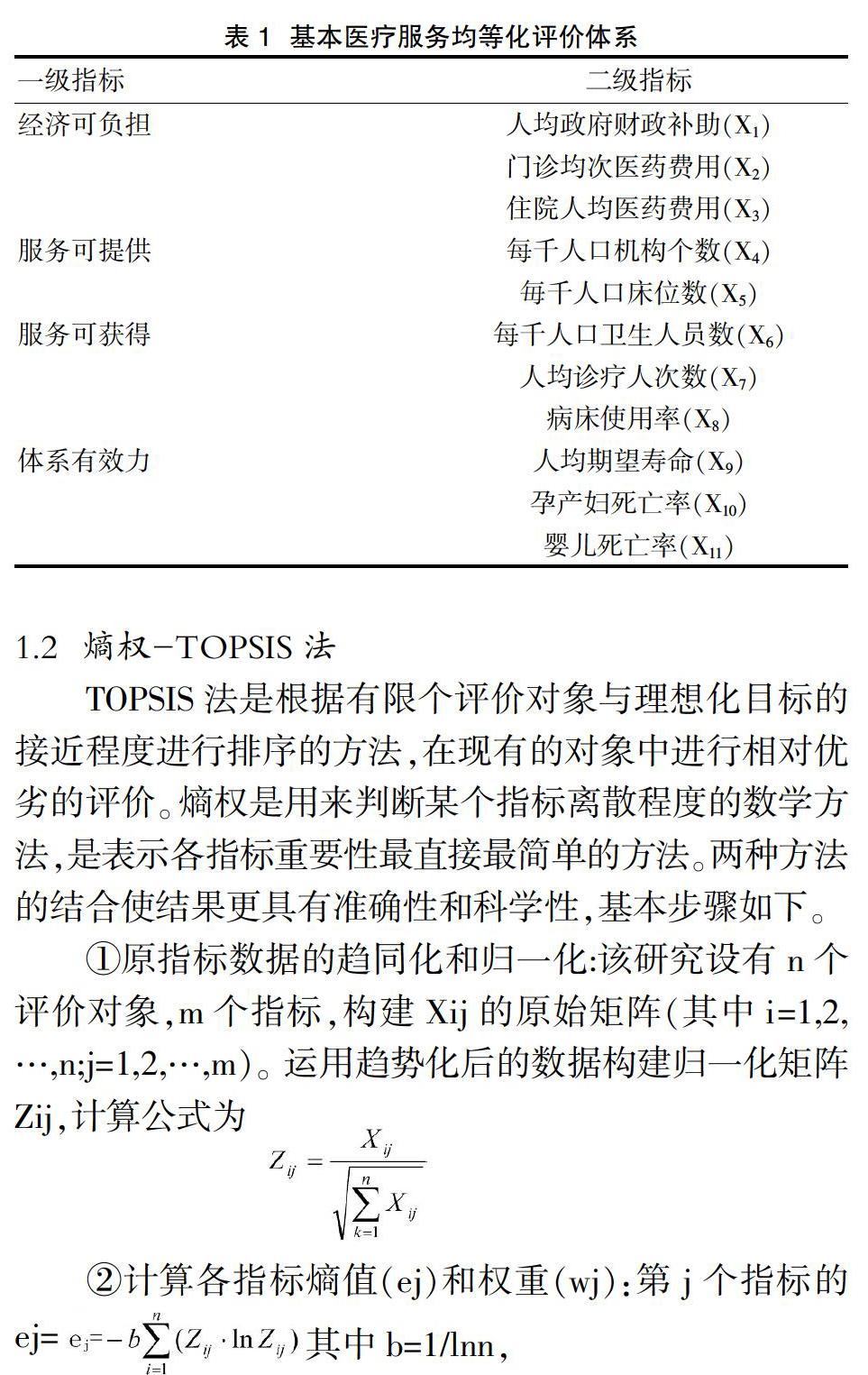
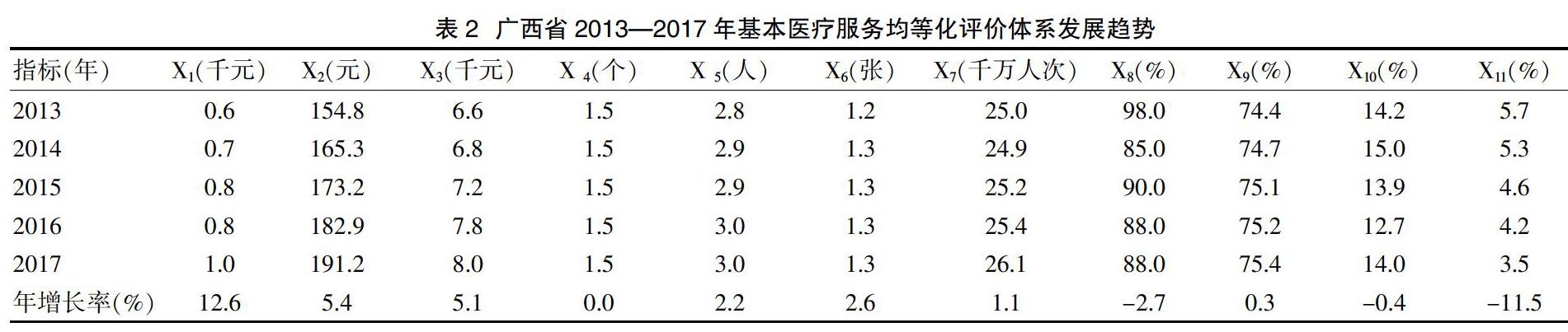
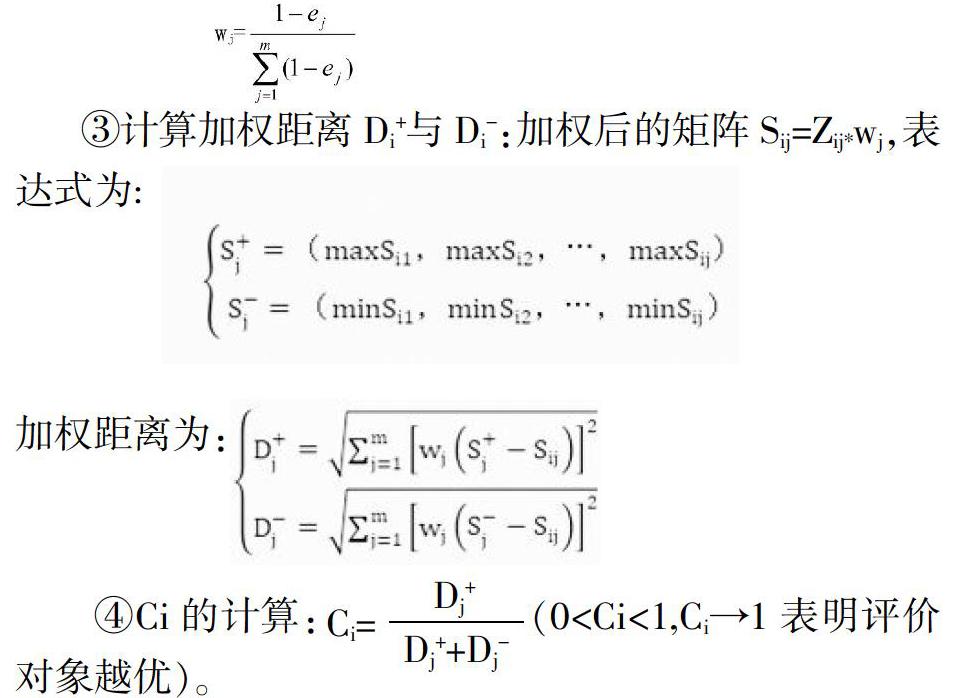
[摘要] 目的 基于熵權-TOPSIS 法,綜合分析廣西省在2013—2017年基本醫療服務均等化的進程并提出科學合理建議,推動廣西全民健康覆蓋的均等化發展。方法 在世界衛生組織(WHO)提出的評價框架以及文獻研究的基礎上,嘗試從全民健康覆蓋(UHC)角度中的11個指標進行評價,應用優劣解距離法(TOPISIS法)和熵權法綜合分析廣西省自2013年以來基本醫療服務均等化水平的變化。結果 綜合分析表明4個維度里11項指標中的每千人口基層醫療機構的個數和基層醫療人均診療人次數權值最大,而嬰兒死亡率權值最小,5年的均等化水平Ci值分別為0.5961,0.5961,0.5962,0.5962,0.5963。結論 廣西省的基本醫療服務均等化水平近5年來總體水平未得到明顯改善,因此存在很大的提升空間,全民健康覆蓋的各維度發展不均衡,其中服務可獲得和服務可提供的變異程度較大,體系有效力和經濟可負擔的變異程度較小,應完善多維基本醫療服務指標體系,促進各維度均衡發展。
[關鍵詞] 基本醫療服務均等化;熵權-TOPSIS法;廣西省;全民健康覆蓋
[中圖分類號] R197.1 [文獻標識碼] A [文章編號] 1672-5654(2020)02(b)-0183-03
[Abstract] Objective Based on the entropy weight-TOPSIS method, comprehensively analyze the process of equalization of basic medical services in Guangxi Province from 2013 to 2017 and propose scientific and reasonable suggestions to promote the equalization development of Guangxi's national health coverage. Methods Based on the evaluation framework proposed by the World Health Organization (WHO) and literature research, an attempt was made to evaluate 11 indicators from the perspective of universal health coverage (UHC). The TOPISIS method and TOPISIS method were applied. The entropy method comprehensively analyzes the changes in the level of equalization of basic medical services in Guangxi Province since 2013. Results The comprehensive analysis of the results showed that the number of primary medical institutions per 1,000 population and the number of primary medical treatments per person in the 11 indicators in the four dimensions had the largest weights, while the infant mortality weights were the smallest, and the five-year equalization level Ci values were respectively 0.5961, 0.5961, 0.5962, 0.5962, 0.5963. Conclusion The level of equalization of basic medical services in Guangxi Province has not improved significantly in the past five years, so there is a lot of room for improvement. The development of all dimensions of national health coverage is uneven. Among them, the degree of variation in service availability and service provision is large, and the degree of variation in system effectiveness and economic affordability is small. The multidimensional basic medical service indicator system should be improved to promote balanced development in all dimensions.
[Key words] Basic medical services equalization; Entropy-TOPSIS method; Guangxi Province; National health coverage
生活水平的提高、人流量的加大,使得我國醫療需求遞增與供給不足之間的矛盾仍然尖銳,衛生資源的分配不均限制了低經濟水平地區居民享受醫療服務的權利和機會,導致“看病難”“看病貴”等問題反復出現[1]。國家也出臺了相應政策,在《全國醫療衛生服務體系規劃綱要(2015-2020年)》中,強調到2020年建立健全覆蓋城鄉居民的基本醫療衛生制度,實現人人享有基本醫療衛生服務。……
登錄APP查看全文