基于人教版《英語》八年級(jí)上冊(cè)Unit 3 Section A1a-1c聽說課的教學(xué)實(shí)錄分析
2016-06-16 08:41:00甘肅省蘭州市教育科學(xué)研究所
瘋狂英語·新策略 2016年3期
甘肅省蘭州市教育科學(xué)研究所 田 黎
?
基于人教版《英語》八年級(jí)上冊(cè)Unit 3 Section A1a-1c聽說課的教學(xué)實(shí)錄分析
甘肅省蘭州市教育科學(xué)研究所 田 黎
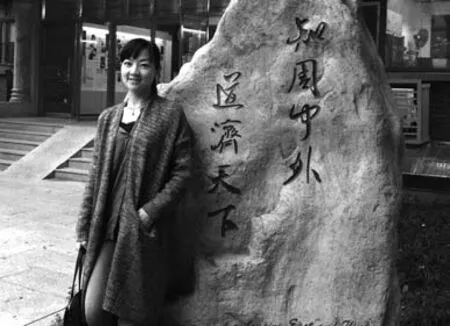
田黎 碩士研究生,中學(xué)一級(jí)教師,骨干教師,甘肅省教育學(xué)會(huì)中小學(xué)外語教學(xué)專業(yè)委員會(huì)理事。蘭州市第八屆教學(xué)新秀,先后獲得蘭州市初中英語課堂教學(xué)競(jìng)賽一等獎(jiǎng)、甘肅省初中英語優(yōu)質(zhì)課比賽一等獎(jiǎng)、甘肅省第一屆中小學(xué)教師教學(xué)技能大賽初中英語學(xué)科組一等獎(jiǎng)、第七屆全國中學(xué)(初中)英語優(yōu)質(zhì)課比賽一等獎(jiǎng),并被評(píng)為“首屆全國中小學(xué)外語教師名師”和“甘肅省技術(shù)標(biāo)兵”。
活動(dòng)背景:
2015年蘭州市初中英語優(yōu)質(zhì)課比賽于2015年9 月21日在蘭州市外國語學(xué)校舉行。本次由蘭州市教育科學(xué)研究所主辦的現(xiàn)場(chǎng)教學(xué)比賽吸引了全市200余名教師前來觀摩。大賽的參賽選手是經(jīng)過逐級(jí)競(jìng)賽、由各教學(xué)片區(qū)推薦的優(yōu)秀教師,其授課基本能夠代表本市英語教學(xué)的水平。大賽采取統(tǒng)一抽取課時(shí)、分批次抽取課題的抽簽方式,以同一版本教材(人教版初中英語教科書)為載體,以初一、初二學(xué)生人數(shù)基本相同的教學(xué)班為授課對(duì)象,最大程度地體現(xiàn)比賽的公正與公平。大賽以“在同科異構(gòu)中探索初中英語課堂教學(xué)的實(shí)效”為主題,踐行“認(rèn)真?zhèn)湔n、個(gè)性上課、集體觀摩、專家引領(lǐng)”為賽課流程,充分體現(xiàn)“觀念新、思維活、實(shí)效強(qiáng)、易操作”的課堂特色。本次大賽評(píng)分結(jié)合選手的教學(xué)設(shè)計(jì)和實(shí)際授課。從6位參賽者中決出1位一等獎(jiǎng)、2位二等獎(jiǎng)和3位三等獎(jiǎng)。此次賽課、觀課活動(dòng)雖然密度高、節(jié)奏快,但通過此次活動(dòng),對(duì)我市初中英語課堂教學(xué)現(xiàn)狀(亮點(diǎn)及問題)與對(duì)策帶來了很多思考。下文所選課例為一等獎(jiǎng)?wù)n例。
Teaching Procedure
Step 1: Greeting Time
T: Good afternoon, everybody!
Ss: Good afternoon, Miss Liu!
T: It’s a little cold today, isn’t it?
Ss: Yes, it is.
Step 2: Music Time
T: What time is it? (Point to the screen)
Ss: Music Time.
T: Good! Let’s sing and dance together. —The More We Get Together. Please stand up. Let’s stand in a circle hand in hand. Are you ready?
Ss: Yes, ready!
The teacher and the students danced and sang the song together.
T: Are you happy now?
Ss: Yes.
T: The more we get together, the happier we will be.
評(píng)析:因?yàn)椤敖璋嗌险n”的緣故,教師和學(xué)生往往都需要時(shí)間相互熟悉(“破冰”環(huán)節(jié)),劉小萍教師以“談?wù)撎鞖狻边@種常見形式與學(xué)生進(jìn)行了第一輪的互動(dòng);然后又以歌曲為活動(dòng)載體,以“站起來、手拉手、聽音樂、一起唱”為活動(dòng)形式,讓學(xué)生盡快地進(jìn)入了英語學(xué)習(xí)的氛圍中。一動(dòng)一跳中,師生之間的關(guān)系被拉近了,學(xué)生學(xué)習(xí)英語的興趣被點(diǎn)燃了。此“破冰”環(huán)節(jié)中歌曲的選擇The More We Get Together與本課目標(biāo)語言緊密關(guān)聯(lián), 體現(xiàn)了教師教學(xué)設(shè)計(jì)的細(xì)致性。
Step 3: Tongue Twister Time
T: What time is it?
Ss: Tongue Twister Time.
T: Let’s move our tongues. The more we practice English, the better our English will be. First, follow me please! Betty beat a bit of butter to make a better batter. OK, now, please try to read it as fast as you can. Who’d like to have a try?
S1: Betty beat a bit of butter to make a better batter.
T: Good! Give her a big hand.
S2: Betty beat a bit of butter to make a better batter.
T: Excellent! Give him a big hand. OK, Let’s look at the saying: It is easier said than done. Practice it with your partner. (Students practice the saying with their partners.)
T: It is easier said than done. So we should work hard every day, and believe in yourself !
Step 4: Game Time (Showing fash cards)
T: What time is it?
Ss: Game Time!
T: There are many fash cards in my hand. They are the description words about people. Please try to catch my cards and read it aloud. If you can, try to make a sentence using the description word. I believe you can. Which team will get the most cards?
S1: Tall. Mike is a tall boy!
S2: Outgoing. My friend Jenny is outgoing.
S3: Easy. I don’t think math is easy.
…
Flash cards: tall, short, heavy, thin, long, big,friendly, happy, slow, fast, late, fat, easy, early, funny,lazy, hot, wet, nice, outgoing, hard-working, wide,good, well, expensive
評(píng)析:學(xué)生對(duì)“新知” 的了解、學(xué)習(xí)和掌握往往建立在他們的“舊知”之上,故劉教師這一環(huán)節(jié)的設(shè)計(jì),為“舊知(已知)”向“新知”的邁進(jìn)搭建了橋梁。通過游戲的方式,學(xué)生就“談?wù)撊说奶卣鳌边@一話題的“舊知(已知)”被激活,為學(xué)習(xí)“新知”打好基礎(chǔ),減輕壓力。劉教師除了讓學(xué)生說出能夠描述人物特質(zhì)的單詞之外,還要求學(xué)生用詞造句,體現(xiàn)了“詞匯從語境中來,到語境中去”的語言觀和語言教育觀。此活動(dòng)以“游戲”的形式展開,這樣能夠幫助學(xué)生繼續(xù)保持良好的參與度與興趣點(diǎn)。活動(dòng)以“獨(dú)立回答問題”為學(xué)生主要的參與方式,因此如果想通過此活動(dòng)達(dá)到“激活大部分學(xué)生的已知知識(shí)”的目的,還應(yīng)該擴(kuò)大參與度。如果教師能在個(gè)別學(xué)生獨(dú)立回答問題的同時(shí),對(duì)其余學(xué)生的學(xué)習(xí)路徑給予指引,如:請(qǐng)學(xué)生認(rèn)真聆聽他人的表述,并將好句子或自己不知道的(沒想起來)的“新詞”“新句”嘗試記下來,然后與小組成員分享自己學(xué)到的或仍不理解的內(nèi)容,這樣,此活動(dòng)就做到了讓學(xué)生“人人有事做、人人能做事”,活動(dòng)的效果將得到更大的提升。
Step 5: Presenting Time
T: OK, everyone has at least one card. Let’s look at the screen. They are Miss Black and Mr. Black. Miss Black is 1.7 meters tall. She is tall. How about Mr.Black? Mr. Black is 1.83 meters tall. So, (pause) Mr. Black is taller than Miss Black. Follow me, please. Tall -taller. Mr. Black is taller than Miss Black.
Ss: Tall - taller. Mr. Black is taller than Miss Black.
T: Next picture. Yaya and David. They are little kids. Yaya is young, and how can we describe David?
S1: David is younger.
T: Yes! David is younger than Yaya. Follow me,please. Young - younger. David is younger than Yaya.
Ss: Young - younger. David is younger than Yaya.
T: Picture 3. Tom and Tom’s father. What’s wrong with Tom and his dad? In pairs, talk about them according to the picture. Please describe Tom and his dad.
S2: Tom is late. Tom’s dad is later than Tom.
T: Very good! Give her a big hand. Follow her,please.
Ss: Tom is late. Tom’s dad is later than Tom.
T: Picture 4. There are two cats. Supercat and Garfeld. Supercat is fat. How about Garfeld?
S3: Garfeld is fatter than Supercat.
T: Good! How do you spell “fatter”?
S3: F-a-t-t-e-r, fatter.
T: Very good. Follow him, please. Fat - fatter,Garfeld is fatter than Supercat.
Ss: Fat - fatter, Garfeld is fatter than Supercat.
T: Picture 5. Fan Wei and Pan Changjiang are famous actors. Look, Fan Wei is funny. And…
S4: Pan Changjiang is funnier than Fan Wei.
T: Yes. Funny - funnier. Pan Changjiang is funnier than Fan Wei. Together.
Ss: Funny - funnier. Pan Changjiang is funnier than Fan Wei. Together.
T: OK. Look at the last picture. Who are they?
Ss: They are Jack and Linda.
T: Yes, They are good at English. Can you compare them?
S5: Linda is…er…than Jack.
T: Who can help him?
S6: Sorry, I don’t know. Can you help me, Linda?
S7: Hard-working, more hard-working , Linda is more hard-working than Jack.
T: Wow, fantastic! Follow her, please.
Ss: Hard-working, more hard-working, Linda is more hard-working than Jack.
T: We have learned some comparatives, such as tall - taller, late - later, fat - fatter, funny - funnier,hard-working - more hard-working.
評(píng)析:劉教師的“新知”呈現(xiàn)環(huán)節(jié)與之前的活動(dòng)過渡自然。活動(dòng)設(shè)計(jì)充分體現(xiàn)了“教師主導(dǎo)、學(xué)生主體”的英語課程理念。教師先利用圖片營造自然的語言環(huán)境,讓學(xué)生用形容詞的比較級(jí)“對(duì)人物作比較”,然后逐漸引導(dǎo)學(xué)生自己說出部分形容詞的比較級(jí)。學(xué)生在教師的引導(dǎo)下,在自然語境中感知、理解目標(biāo)語言。劉教師的設(shè)計(jì)很細(xì)致,形容詞的比較級(jí)介紹的順序有意按“由簡(jiǎn)至難”“同類展示”的方式排列,為下一步讓學(xué)生自己找出規(guī)律做好鋪墊。
Step 6: Game Time
T: In your hands, there are many description words. Can you fnd the family for your cards? S1, S2,S3, S4, S5, S7, please stand up and raise your cards. Here are “tall family” “l(fā)ate family” “fat family” “funny family” “hard-working family”. Now, everybody, please try to fnd your family.
All the students were looking for their own family.
Students formed five different families. Each family stood together.
T: Let’s welcome “tall family” to the front. Hey,“l(fā)ong”, why do you come to the “tall family”?
S(“l(fā)ong”): Because of long - longer, tall - taller.
T: Thank you. All the “tall family” members, please say aloud your description words and comparatives.
Ss(“tall family”) : tall - taller, long - longer, short - shorter, slow - slower.
T: Thank you. Go back to your seats. Let’s welcome “l(fā)ate family”. Could you please tell us why you stand together?
Ss( “l(fā)ate family” ): We are the same. Our last letter is “e”, we add “r” after “e”.
T: Good! Please show your words for us.
Ss( “l(fā)ate family” ): late - later, large - larger, nice - nicer, wide - wider.
T: Thank you. Oh, Wait, there are “good ”and “well” in your family, are they your members?
Ss( “l(fā)ate family” ): No.
T: Where is your family, “good ”and “well” ?Don’t worry. We can help you. Please wait a moment. Let’s welcome “fat family” . Show your words, please.
Ss( “fat family” ): fat - fatter, big - bigger, thin -thinner, hot - hotter, wet - wetter.
T: Why are they in the same family?
Ss( “fat family” ): Because they double the last letter , then add “er”.
T: Great! Are “good ”and “well” in your family?
Ss( “fat family” ): No.
T: What a pity! Just wait! Let’s welcome “funny family”. Show us your cards.
Ss( “funny family” ): funny - funnier, happy -happier, easy - easier, lazy - lazier, heavy - heavier
T: Do you know why they are in the same family?
Ss ( “funny family” ): Because they change “y”into “i”, then add “er”.
T: Correct! Let’s welcome “hard-working family”. Why do you stand together? Because you are hardworking, aren’t you?
Ss( “hard-working family” ): Because we use “more” before hard-working.
T: Everybody, do you agree with them?
Ss( “hard-working family” ): Yes.
T: OK, show us your cards, please.
Ss( “hard-working family” ): hard-working, more hard-working; outgoing, more outgoing; expensive,more expensive.
T: Good, thank you! Are “good ”and “well” in your family?
Ss( “hard-working family” ): No.
T: We have fve families now, but where is your family, “good ”and “well”? Which family can help them?
S8: They are different from us. They are family six.
T: Do you know their comparatives?
S8: good - better, well - better.
T: Great, thank you very much! “good ”and “well”are irregular, they are family six.
評(píng)析:本環(huán)節(jié),劉教師繼續(xù)以“游戲”為載體,讓學(xué)生在輕松、愉悅的學(xué)習(xí)氛圍下,自己找到形容詞比較級(jí)的變化規(guī)律。給看似枯燥的語法知識(shí)帶來生機(jī)、活力,將單詞賦予“生命”,讓學(xué)生幫“他們”尋找到家人。學(xué)生樂于參與這項(xiàng)活動(dòng),在上一節(jié)活動(dòng)的鋪墊下,學(xué)生也有能力參與,故此活動(dòng)效率高、效果好。尤其是拿到better這個(gè)詞的學(xué)生,經(jīng)歷了從“找錯(cuò)家人”到“一家團(tuán)圓”的戲劇性過程,反倒讓所有學(xué)生對(duì)better這一不規(guī)則變化的形容詞比較級(jí)記憶深刻。
Step 7: Listening Time
T: What time is it?
Ss: Listening Time!
T: There are three pairs of twins in a family. They are a little different from each other. Let’s listen for the frst time and number them in the picture.
Students listened and checked their answers in groups.
T: Let’s listen for the second time, please fll in the blanks with the words you hear.
(In groups, students checked the answers and practiced the conversations, then talked about their own classmates.)
A: That’s…isn’t it?
B: No, it isn’t. It’s…/… is…than…/…h(huán)as…than…./And he/she also plays/sings /runs…/…than…
評(píng)析:此環(huán)節(jié)是一個(gè)完整的“聽說任務(wù)鏈”。通過“聽”的語言輸入,最終達(dá)到“說”的語言輸出。劉教師在學(xué)生“聽”之前,引導(dǎo)學(xué)生觀察和描述本單元的主題圖,使學(xué)生在聽前對(duì)所聽內(nèi)容做出預(yù)測(cè),減低聽力的難度。聽力活動(dòng)的設(shè)計(jì)也遵循“由簡(jiǎn)至難”的原則。聽力任務(wù)的完成情況檢測(cè)也并非采用教師直接給答案的方式,而是讓學(xué)生先進(jìn)行小組間的互幫、互查、互評(píng)。聽后學(xué)生進(jìn)行以聽力內(nèi)容為基礎(chǔ)的口語輸出,活動(dòng)從輸入到輸出銜接自然、一氣呵成,學(xué)生的對(duì)話展示流利、正確率高。教師若能在輸出時(shí)鼓勵(lì)個(gè)別學(xué)優(yōu)生基于課本聽力內(nèi)容,但又試著“跳出”課本內(nèi)容,仔細(xì)觀察自己的同伴,用比較級(jí)描述他們,但是盡量不再使用別人用過的詞匯,給予學(xué)優(yōu)生難度較大的任務(wù),讓他們思維更活躍,那么這一環(huán)節(jié)的課堂生成將會(huì)更精彩。
Step 8: Guessing Time
T: Try to write at least 3 sentences in your paper to describe one of your classmates or your teachers. And let us guess who she/he is.
S1: My best friend has long hair. She is taller than me. She wears glasses. She is more hard-working than me. Who is she?
Ss: Is she…?
評(píng)析:此活動(dòng)設(shè)計(jì)貼近生活,學(xué)生參與熱情高,充分體現(xiàn)了語言的活學(xué)活用及語言教學(xué)“l(fā)earning by doing;learning for using(做中學(xué),學(xué)中做)”的特點(diǎn)。
Step 9: Relaxing Time (video)
T: What time is it?
Ss: Relaxing Time!
T: Let’s watch a video about Tom and Jerry. I believe you can be Tom and Jerry. Let’s act the play!
Students role-played the conversation between Tom and Jerry.
評(píng)析:這部分“配音”環(huán)節(jié)的設(shè)計(jì)獨(dú)具匠心、與時(shí)俱進(jìn)。動(dòng)畫方式的呈現(xiàn)讓學(xué)生的興趣在課堂的后期仍然高漲。這種有趣且難度不大的練習(xí)形式,既幫助學(xué)生鞏固了目標(biāo)語言,同時(shí)也為學(xué)生的課后英語學(xué)習(xí)開辟了一條新渠道。
Step 10: Summary Time
The teacher and the students chanted together.
評(píng)析:利用chant(歌謠)的形式進(jìn)行復(fù)習(xí)和總結(jié),效果不錯(cuò)。chant簡(jiǎn)單且朗朗上口,并帶有一定的語境性,是一種歸納、鞏固與復(fù)習(xí)目標(biāo)語的良好形式。
Homework:
To write a short passage to compare two cities,Beijing and Lanzhou. You can start like this: I like Beijing very much. It is bigger than Lanzhou, but I think Lanzhou is more beautiful…
評(píng)析:聽、說、讀、寫是基本的語言技能,是綜合語言能力的呈現(xiàn)形式,在作業(yè)環(huán)節(jié)將口頭練習(xí)的語言書面化,可以幫助學(xué)生將通過“聽”“說”形式輸入、輸出的語言內(nèi)容以書面的形式加以鞏固和整理。由于本課為這一單元的第一課時(shí),所以如果這一部分,教師能夠考慮到不同的學(xué)情,除了給出話題“對(duì)兩座城市進(jìn)行比較”外,還能加上本課練習(xí)過的“對(duì)兩個(gè)人物進(jìn)行比較”或者與比較人物特質(zhì)相關(guān)性更大的如“比較兩種動(dòng)物”這種話題,讓不同程度的學(xué)生能根據(jù)自己的情況選擇適合自己的寫作任務(wù),那么這個(gè)作業(yè)的完成難度將會(huì)降低,從而保持學(xué)生學(xué)習(xí)的成就感,有利于不同程度的學(xué)生對(duì)本單元其余內(nèi)容的學(xué)習(xí)。
整體評(píng)析:
劉小萍教師教學(xué)設(shè)計(jì)合理、巧妙,突出英語語言教學(xué)“用中學(xué),學(xué)中用”的基本理念。教學(xué)重、難點(diǎn)定位準(zhǔn)確,各個(gè)環(huán)節(jié)的設(shè)計(jì)緊扣這些重難點(diǎn)。劉教師以扎實(shí)的語言功底為基礎(chǔ),引導(dǎo)學(xué)生在課堂參與中感知、熟悉、運(yùn)用目標(biāo)語言,并能機(jī)智地把握、應(yīng)對(duì)課堂中的生成;用多元化的評(píng)價(jià)方式,給學(xué)生以鼓勵(lì)與肯定;在教學(xué)中重視對(duì)學(xué)生學(xué)習(xí)策略的培養(yǎng),同時(shí)也時(shí)刻不忘對(duì)學(xué)生德育的引導(dǎo),體現(xiàn)了英語課程的核心素養(yǎng)。學(xué)生在輕松、快樂、自信的氛圍中愛學(xué)英語、樂學(xué)英語,為學(xué)好英語打好基礎(chǔ)。
授課教師簡(jiǎn)介:劉小萍,女,蘭州市外國語學(xué)校英語教師,教師發(fā)展中心主任,政教副主任,甘肅省技術(shù)標(biāo)兵,蘭州市級(jí)骨干教師,市級(jí)教學(xué)新秀,第八屆全國中小學(xué)外語教師園丁獎(jiǎng)獲得者。
評(píng)析:英語語言的發(fā)音位置與漢語發(fā)音的位置有差異,因此在英語課堂教學(xué)中,“英語繞口令”的使用,既可以幫助學(xué)生提升學(xué)習(xí)英語的興趣,長(zhǎng)期堅(jiān)持還可以對(duì)學(xué)生的口語表達(dá)起到積極的促進(jìn)作用。劉教師本環(huán)節(jié)材料的選擇也是圍繞本課的目標(biāo)語言,盡可能地加大學(xué)生的語言輸入;與此同時(shí),利用諺語“It’s easier said than done.”,劉教師對(duì)學(xué)生德育的引導(dǎo)也“潤(rùn)物無聲”地進(jìn)行著。
猜你喜歡
甘肅教育(2020年2期)2020-09-11 08:01:42
甘肅教育(2020年2期)2020-09-11 08:00:38
文苑(2020年4期)2020-05-30 12:35:30
小學(xué)生作文(中高年級(jí)適用)(2018年3期)2018-04-18 01:24:47
華北電力大學(xué)學(xué)報(bào)(社會(huì)科學(xué)版)(2016年4期)2016-12-01 03:59:30
小學(xué)生導(dǎo)刊(低年級(jí))(2016年2期)2016-02-24 23:02:11
少兒科學(xué)周刊·少年版(2015年4期)2015-07-07 21:11:17
散文百家(2014年11期)2014-08-21 07:16:08
小天使·五年級(jí)語數(shù)英綜合(2014年5期)2014-06-25 05:22:42
中學(xué)生英語·中考指導(dǎo)版(2008年8期)2008-12-19 05:28:50