新常態下我國東北地區森工城市可持續發展評價及對策研究
2019-09-24 02:17:09譚熙王莉
商業經濟
2019年8期
譚熙 王莉
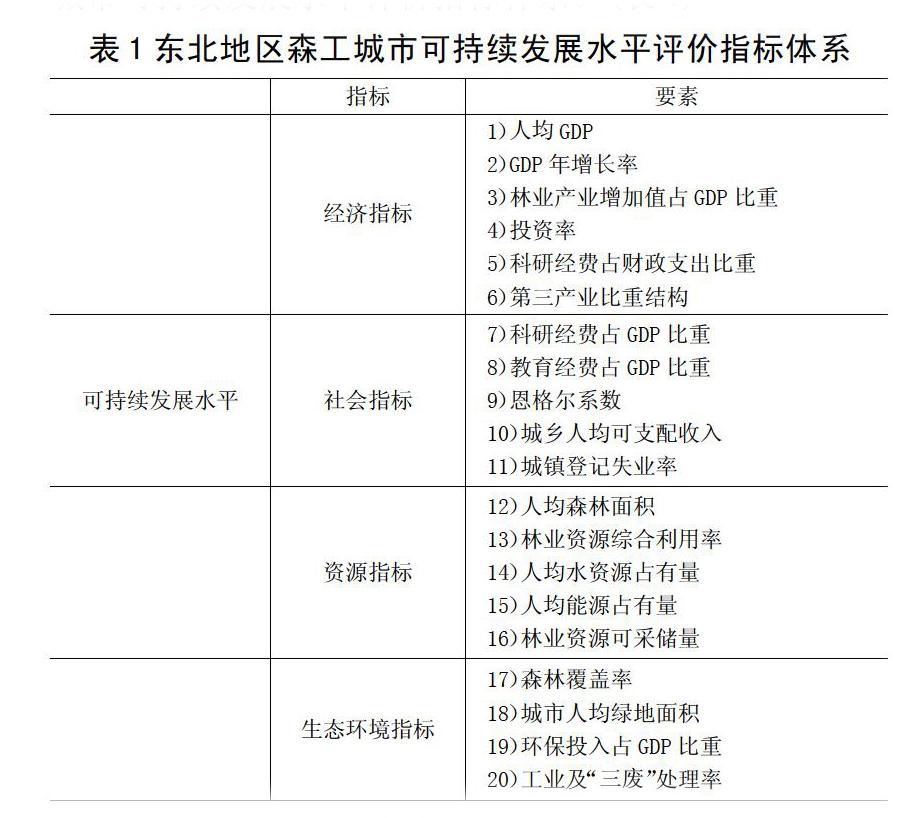
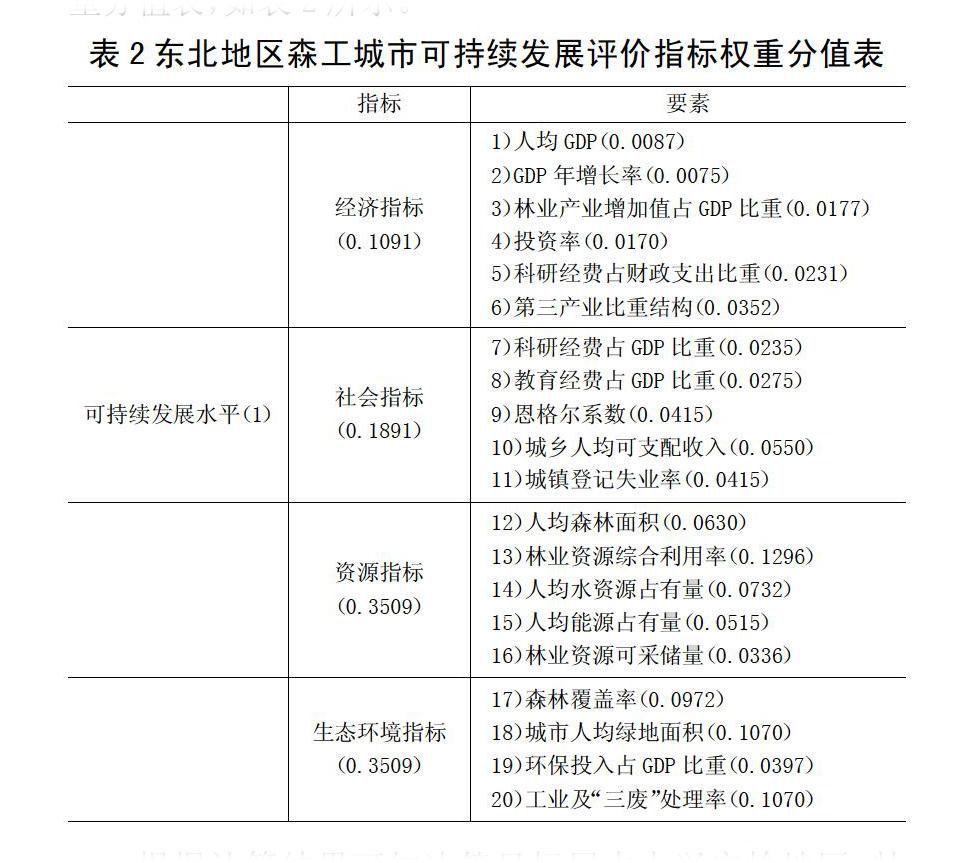
[摘 要] 基于中國經濟新常態的大背景,通過經典的SWOT分析法對東北地區主要的黑河市、伊春市、牡丹江市、大興安嶺地區、吉林市、白山市六座森工城市進行了分析,構建了東北地區森工城市可持續發展指標體系,劃分了經濟、社會、資源和生態環境四個一級指標以及20個要素,利用層次分析法建立了數學模型并對該六座森工城市進行了可持續發展水平的分析與評價,提出了東北地區森工城市可持續發展的對策。
[關鍵詞] 新常態;森工城市;可持續發展;層次分析法
[中圖分類號] F470[文獻標識碼] A[文章編號] 1009-6043(2019)08-0001-04
Abstract: Based on the background of the new normal state of China's economy, through the classical SWOT analysis method, six forest industry cities in Northeast China, namely Heihe, Yichun , Mudanjiang , Daxing'anling District, Jilin and Baishan , are analyzed. The index system of sustainable development of forest industry cities in Northeast China is constructed. Four first-level indicators, the economy, social sector, resources and ecological environment? and 20 elements are divided, which are used to establish a mathematical model by analytic hierarchy process. The sustainable development level of the six forestry industry cities is analyzed and evaluated by using the model, and the countermeasures for sustainable development of forestry cities in Northeast China are put forward.
Key words: new normal state, forest industry city, sustainable development, analytic hierarchy process
2014年5月習近平河南之行中首次提及“新常態”,隨后又在同年的7月和黨外人士的座談會上、12月的亞太經合組織工商領導人峰會上分別提及“新常態”[1],之后又于2014年12月在中央經濟工作會議上進一步對“新常態”的時代特征進行了闡述,并做出中國經濟未來將長期處于“新常態”的判斷。概括來講,新常態三個主要特征是:經濟增長速度從高速增長轉為中高速增長、經濟結構不斷優化升級、動力從要素和投資驅動轉向創新驅動[2]。
2013年11月12日國務院發布了《全國資源型城市可持續發展規劃(2013-2020年)》。《規劃》中,將資源型城市定義為以本地區礦產、森林等自然資源開采、加工為主導產業的城市,并界定我國資源型城市一共為262個,占全國城市總數的40%,其中森工城市為18個。當中尤以東北地區數量最多,一共10個,黑龍江省6個,占50%以上,分別為黑河市、伊春市、牡丹江市、大興安嶺地區、尚志市、五大連池市;吉林省有4個,分別為吉林市、白山市、敦化市和汪清縣。……
登錄APP查看全文
猜你喜歡
現代經濟信息(2016年19期)2016-10-20 20:58:28
中國市場(2016年35期)2016-10-19 02:03:21
中國市場(2016年35期)2016-10-19 01:52:09
商(2016年27期)2016-10-17 07:03:47
商(2016年27期)2016-10-17 04:12:24
人民論壇(2016年27期)2016-10-14 13:24:43
大眾理財顧問(2016年9期)2016-10-11 16:58:47