
大數(shù)據(jù)環(huán)境下非遺視覺資源的獲取、組織與描述
2016-11-18 07:55:18張興旺盧橋田清
圖書與情報
2016年5期
關(guān)鍵詞:非物質(zhì)文化遺產(chǎn)大數(shù)據(jù)
張興旺 盧橋 田清
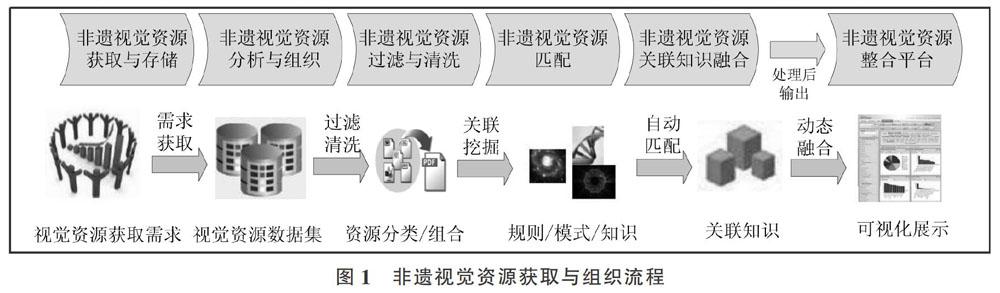
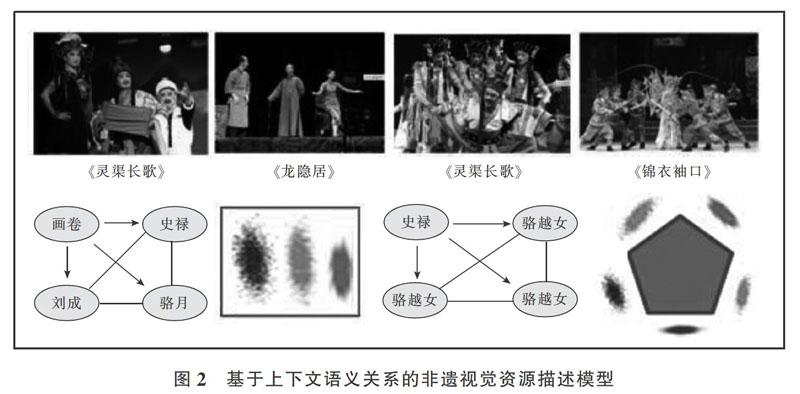
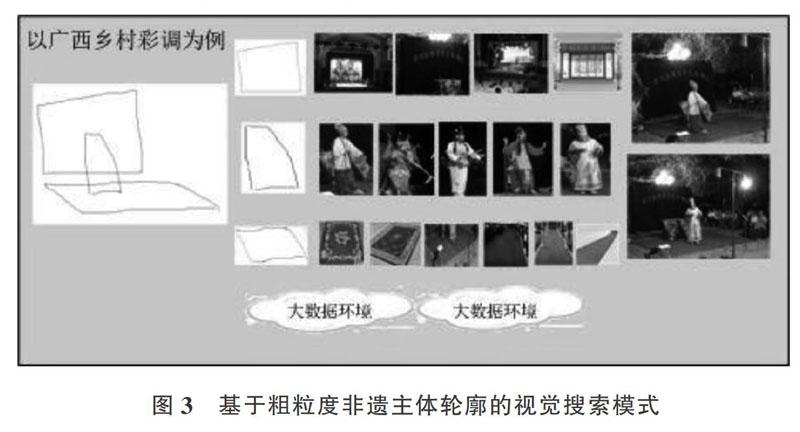
摘 要:文本、圖像、視頻和3D模型等視覺資源已成為非遺數(shù)字化體系中重要的信息載體。研究非遺視覺資源數(shù)字化技術(shù),有助于促進視覺搜索技術(shù)在非遺數(shù)字化保護與開發(fā)中的應(yīng)用。文章對非遺視覺資源數(shù)字化保護現(xiàn)狀進行了分析,歸納了大數(shù)據(jù)環(huán)境下非遺視覺資源數(shù)字化保護存在的新問題,提出了相應(yīng)的非遺視覺資源的獲取、組織、理解與描述方法,并從案例分析角度對相應(yīng)的視覺搜索和交互模式進行了分析。
關(guān)鍵詞:非物質(zhì)文化遺產(chǎn);非遺視覺資源;大數(shù)據(jù);數(shù)字圖書館
中圖分類號: G254.9 文獻標(biāo)識碼: A DOI:10.11968/tsyqb.1003-6938.2016092
Abstract Visual resources of intangible cultural heritage, such as text, images, audio and video, and 3D models of digitization system have become an important carrier of information. Research on digitalization technologies of visual intangible cultural heritage resources contributes to the promotion of intangible cultural heritage protection. Based on an analysis of present situation in the protection of intangible cultural heritage, methods are put forward for the acquisition, organization, understanding and description of the visual resources of intangible cultural heritage and visual search and interaction patterns are analyzed from the perspective of case analysis.
Key words intangible cultural heritage(ICH); ICH visual resources; big data; digital library
1 引言
人類所接受的信息源中超過80%的信息來自于視覺通道(主要包含文本、圖像、視頻與幾何模型等),作為承載視覺通道的信息資源類型稱之為視覺資源。隨著互聯(lián)網(wǎng)環(huán)境的逐步完善和大數(shù)據(jù)技術(shù)的飛速發(fā)展,以文本、圖像、音視頻和3D模型等為代表的視覺資源逐漸成為數(shù)字圖書館最為重要的信息載體,在非物質(zhì)文化遺產(chǎn)(Intangible Cultural Heritage,ICH,以下簡稱“非遺”)數(shù)字化保護與開發(fā)利用體系中也不例外。
非遺作為人類世代相傳、與人類生存生活密切相關(guān)的文化表現(xiàn)形式、傳承方式和文化空間,由于其自身所帶的系統(tǒng)性、無形性、復(fù)雜性和漸變性等特殊屬性[1],使非遺數(shù)字化保護與開發(fā)利用難度較大。而非遺視覺資源除了擁有上述自然屬性之外,在大數(shù)據(jù)環(huán)境下更是增添了數(shù)據(jù)量大、非結(jié)構(gòu)化或半結(jié)構(gòu)化、縱深緯度高、語義關(guān)聯(lián)性不強和語義時空性等附屬特征,使得非遺視覺資源的高效處理、內(nèi)容理解和交互反饋就成為需要解決的難點問題,而非遺視覺資源的有效獲取、系統(tǒng)組織與結(jié)構(gòu)化描述就成為亟待解決的首要問題。……
登錄APP查看全文
猜你喜歡
戲劇之家(2016年19期)2016-10-31 20:08:03
戲劇之家(2016年19期)2016-10-31 19:51:26
戲劇之家(2016年19期)2016-10-31 17:25:42
新聞世界(2016年10期)2016-10-11 20:13:53
科技視界(2016年20期)2016-09-29 10:53:22
中國記者(2016年6期)2016-08-26 12:36:20
